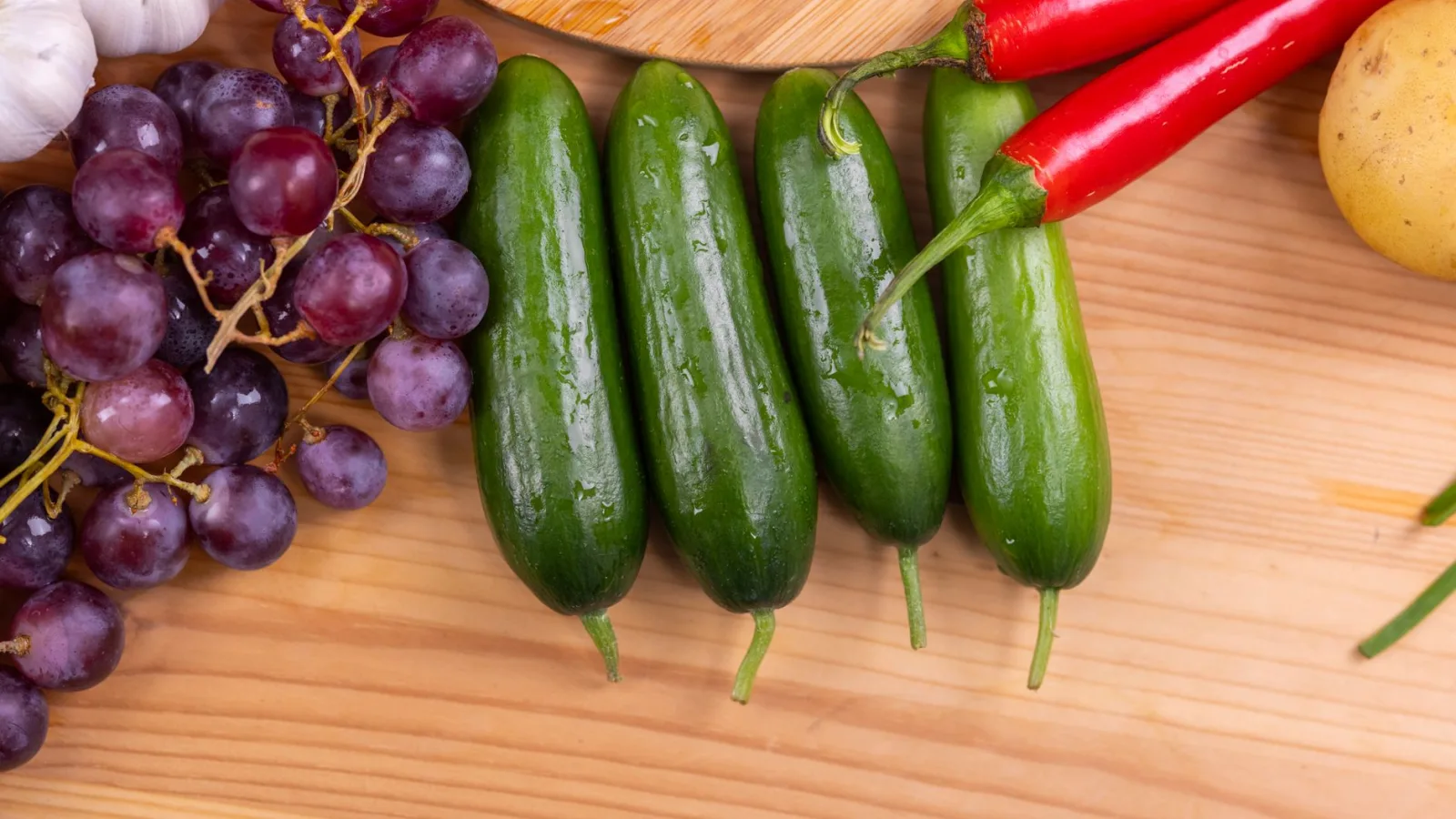
In the height of summer, garlic chives (buchu) grow right back from wherever you cut them. Young summer radish (yeolmu) unfurls its leaves in three or four days, and cucumbers fatten up practically overnight. It's also the season for stomach bugs, which can mean a trip to the doctor and a few days of antibiotics. Most of us remember a time when our stomach stayed unsettled long after the last pill. That happens because the mix of bacteria living in your gut has shifted.
What Happens in Your Gut After Antibiotics
Clostridioides difficile, better known as C. diff, rarely gets a foothold in a healthy gut. Hundreds of species of gut bacteria have already claimed the available food and space. But antibiotics don't single out the bacteria that made you sick. They knock back the long-time residents too. What's left behind are sugars that other bacteria would normally eat. C. diff isn't a picky eater and readily switches between food sources, so it moves in on those leftovers. The result can be lingering diarrhea and gut inflammation, and the infection often comes back after it seems to have cleared. A 2026 review in an international scientific journal noted that these infections are on the rise in the wider community, outside of hospitals.
Bile acids change, too. In a healthy gut, bacteria convert primary bile acids into secondary bile acids, and those secondary bile acids keep C. diff spores from waking up and growing. When antibiotics thin out those bacteria, the conversion drops off as well. For patients who struggle to recover, doctors use a treatment that transfers gut microbes from a healthy donor. In patients who get better, the same changes show up again and again: secondary bile acids rebound, and the leftover food gets eaten up again.
Feeding Your Gut from the Garden
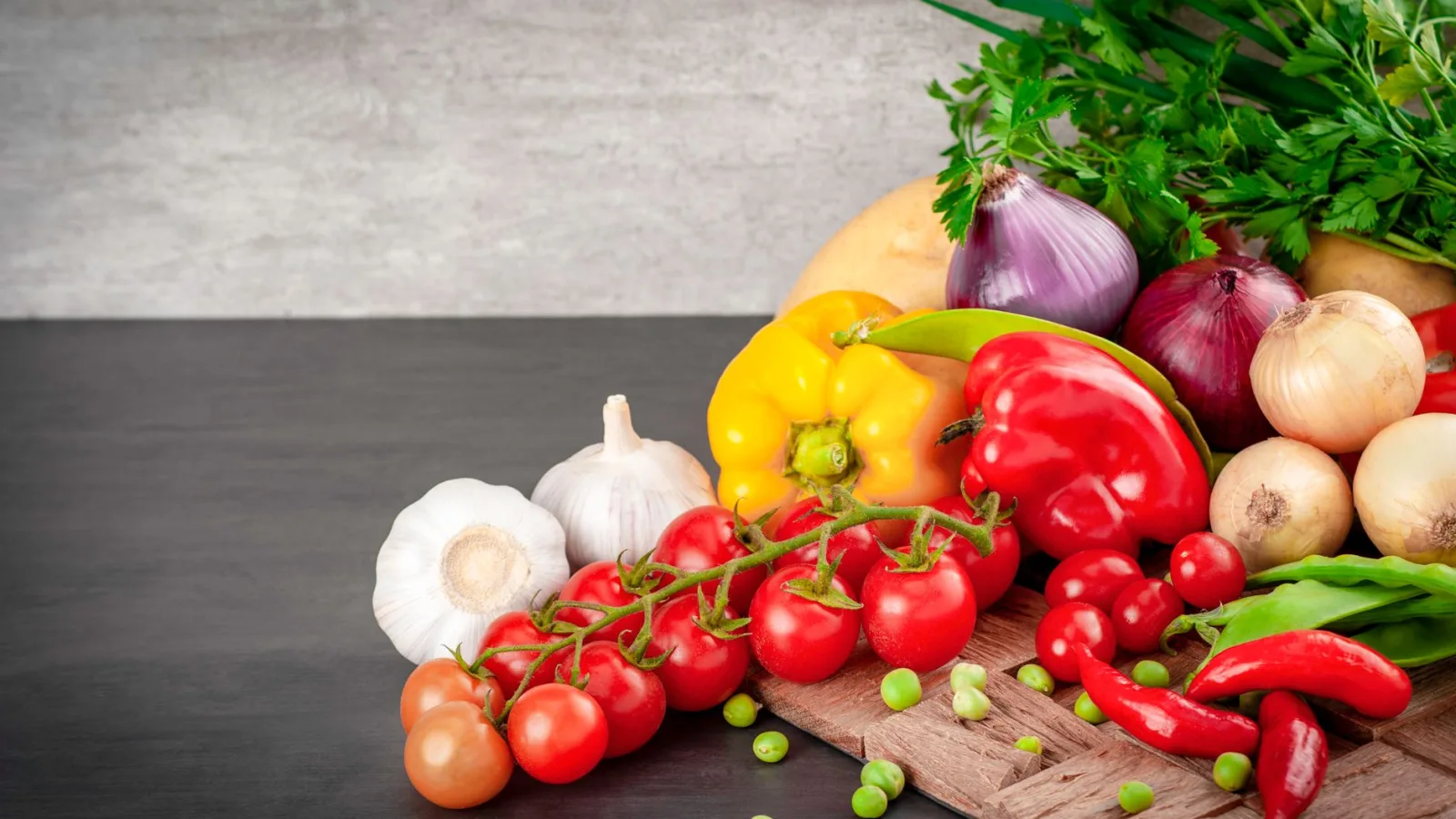
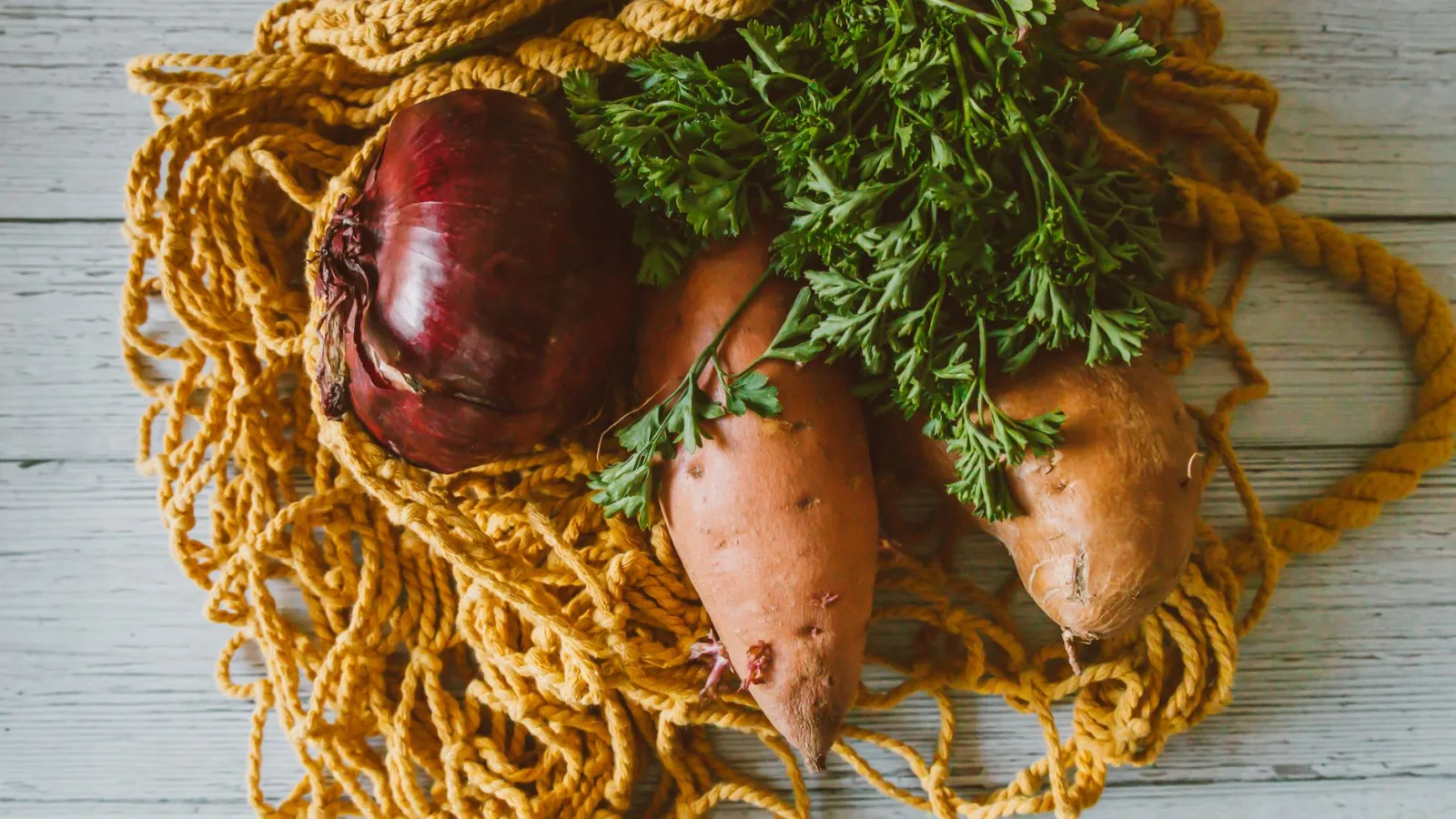
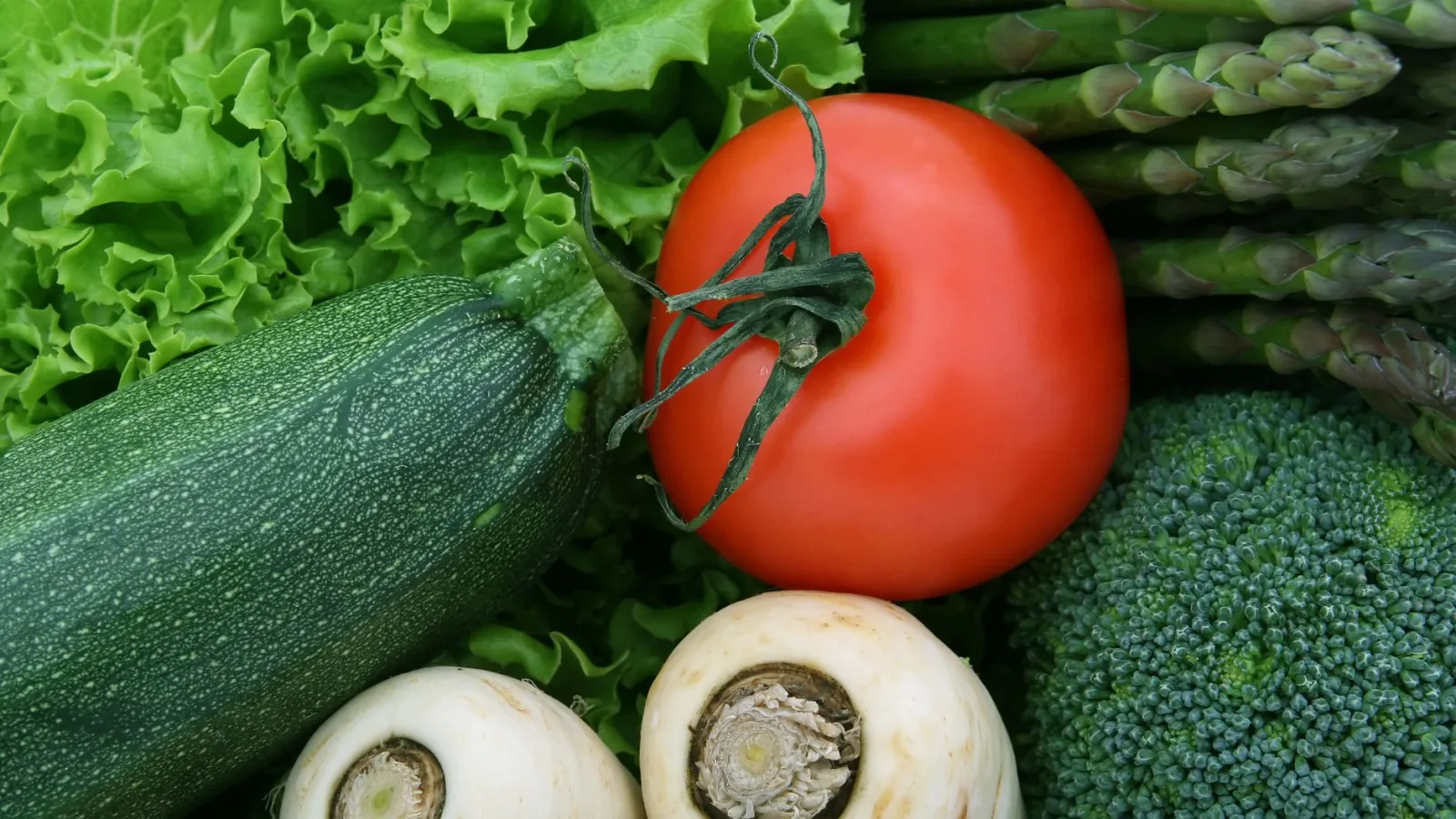
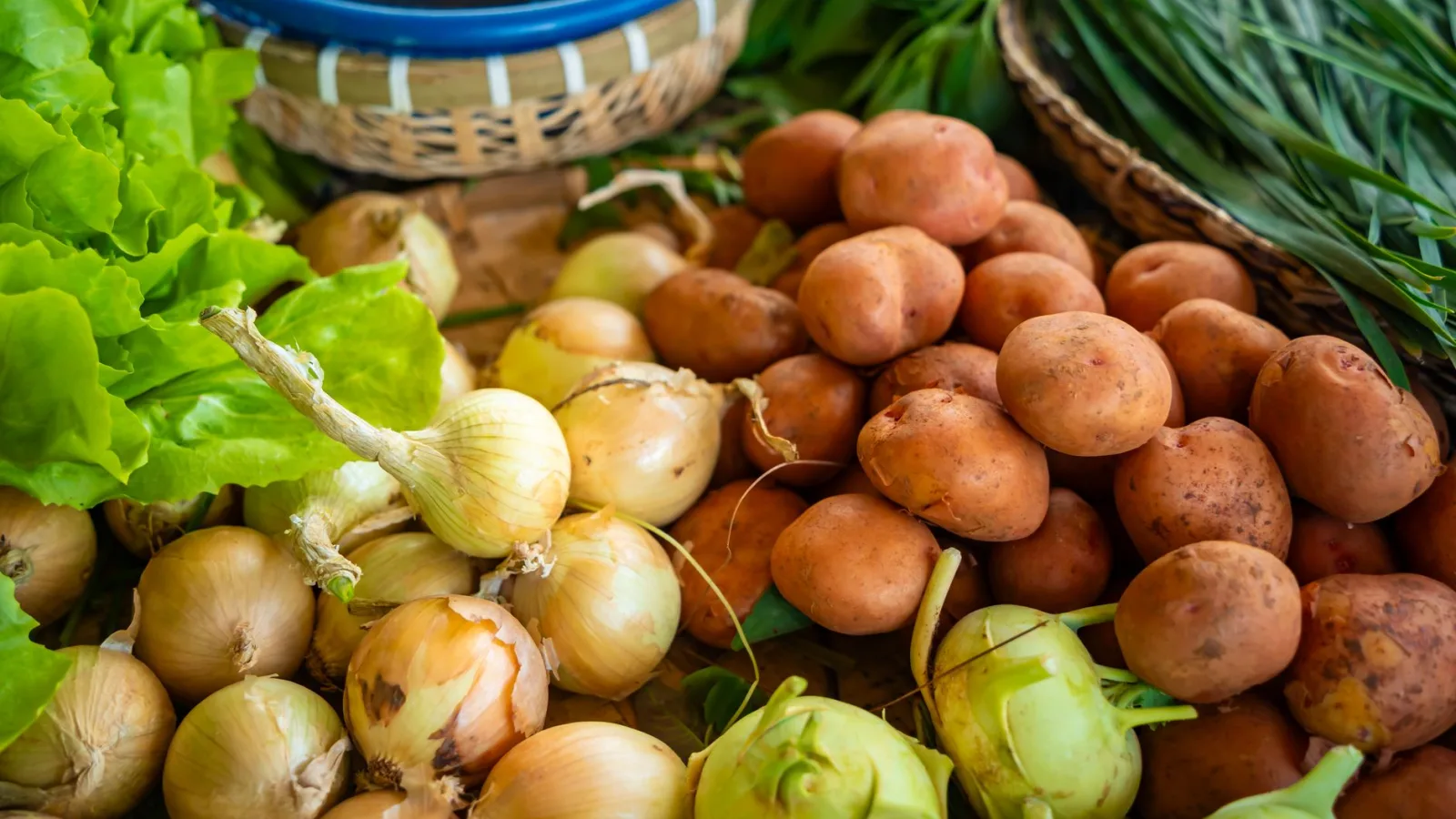
Refined grains and simple sugars are absorbed quickly in the small intestine, and whatever does reach the colon feeds only a narrow slice of bacteria. Fiber from vegetables and whole grains is different: it travels all the way to the colon, where many species share it. What you harvest from your own garden covers a good range on its own.
- Jerusalem artichokes (sunchokes), burdock root, onions, garlic, garlic chives: inulin and fructans
- Young summer radish, napa cabbage, radish greens: leafy-green fiber
- Barley, oats: beta-glucan
Gut bacteria that feed on this fiber produce short-chain fatty acids, which help keep the intestinal lining strong. That said, no one has yet shown in people that dietary fiber prevents C. diff infection. What we have so far is a consistent signal from animal studies and from observing how gut bacteria populations change. The same review also pointed out that research on diet is still thin.
What to Put on the Table Today
If you've been prescribed antibiotics, finish the full course. During that time, and for two to three weeks afterward, try to eat a wider variety of vegetables. A little of three or four kinds beats a lot of just one. Toss a handful of garlic chives into a yeolmu geotjeori (a fresh, quick-dressed kimchi made with young radish), mix a little barley into your rice, and add a side of something fermented, like kimchi or doenjang (fermented soybean paste). That alone widens the range of fiber you eat that day. Cutting back on sugary drinks helps for the same reason.
If diarrhea lasts more than three days, or comes with a fever or severe stomach pain, don't try to ride it out with diet. See a doctor. Good food looks after you before you get sick and after you recover. While you're sick, treatment comes first.
This evening, chop a handful of garlic chives and add them to whatever you're making, whether that's soup or a seasoned side dish.
Source: "Ecological and Dietary Strategies to Suppress Clostridioides difficile," a review published in Cell Host & Microbe, 2026