
Columns
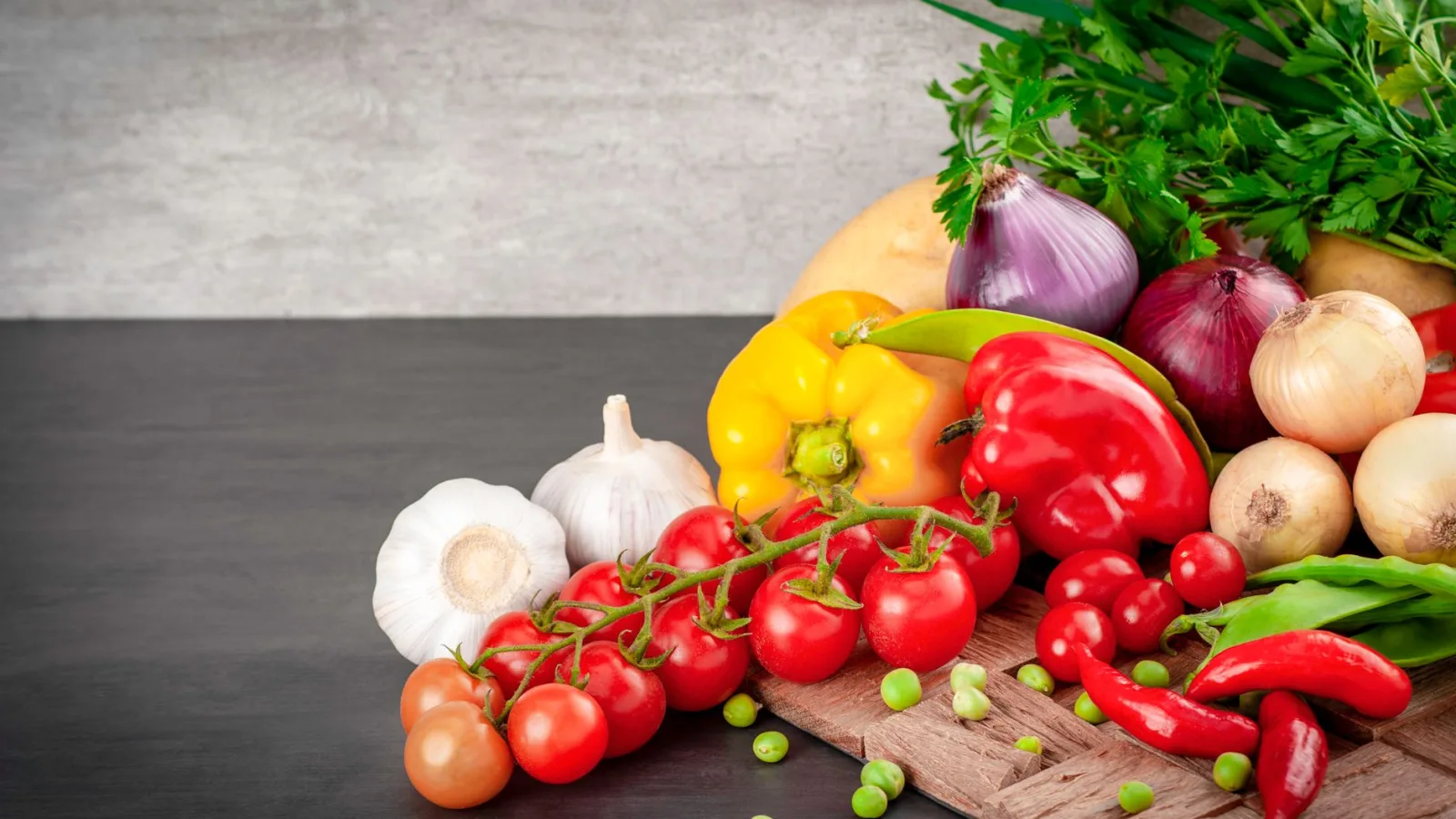
What a Bowl of Garden Vegetables Does for Your Heart
A Greek study that followed 3,042 adults for 20 years found that those who ate a mostly plant-based diet had about a 26% lower risk of cardiovascular disease. A home garden can make that way of eating a little easier.
An Hour in the Fall Garden, a Plate of Vegetables: Caring for Your Child's Teeth and Growth Together
A large survey from southern China found that cavities and undernutrition often show up in the same child, and less often in kids with daily vegetables, milk or soy milk, and outdoor activity. Here's how a fall garden plot can help, and where the evidence stops.
What Your Garden Vegetables Can Do After a Round of Antibiotics
Antibiotics wipe out more than the bacteria that made you sick, and that leaves room for C. diff to take hold. Here's what the research says about how a varied, fiber-rich harvest can support your gut, and where its limits are.
The Hidden Defenders in Your Food: A Look at Antimicrobial Peptides
Milk, eggs, and soybeans carry natural compounds that help hold microbes at bay. Here's how antimicrobial peptides work, what makes them potent, and how AI is helping scientists design new ones for safer food preservation.
Curcumin in Turmeric's Yellow Root: How Much Do We Actually Know?
In cell and animal studies, turmeric's curcumin dampens inflammation and tumor growth, but poor absorption means the human evidence remains cautious. A gardener's guide to what the research shows, how to cook with turmeric for better uptake, and how to tend the crop until fall harvest.
Worried About Blood Sugar? Start With the Microbes in Your Gut
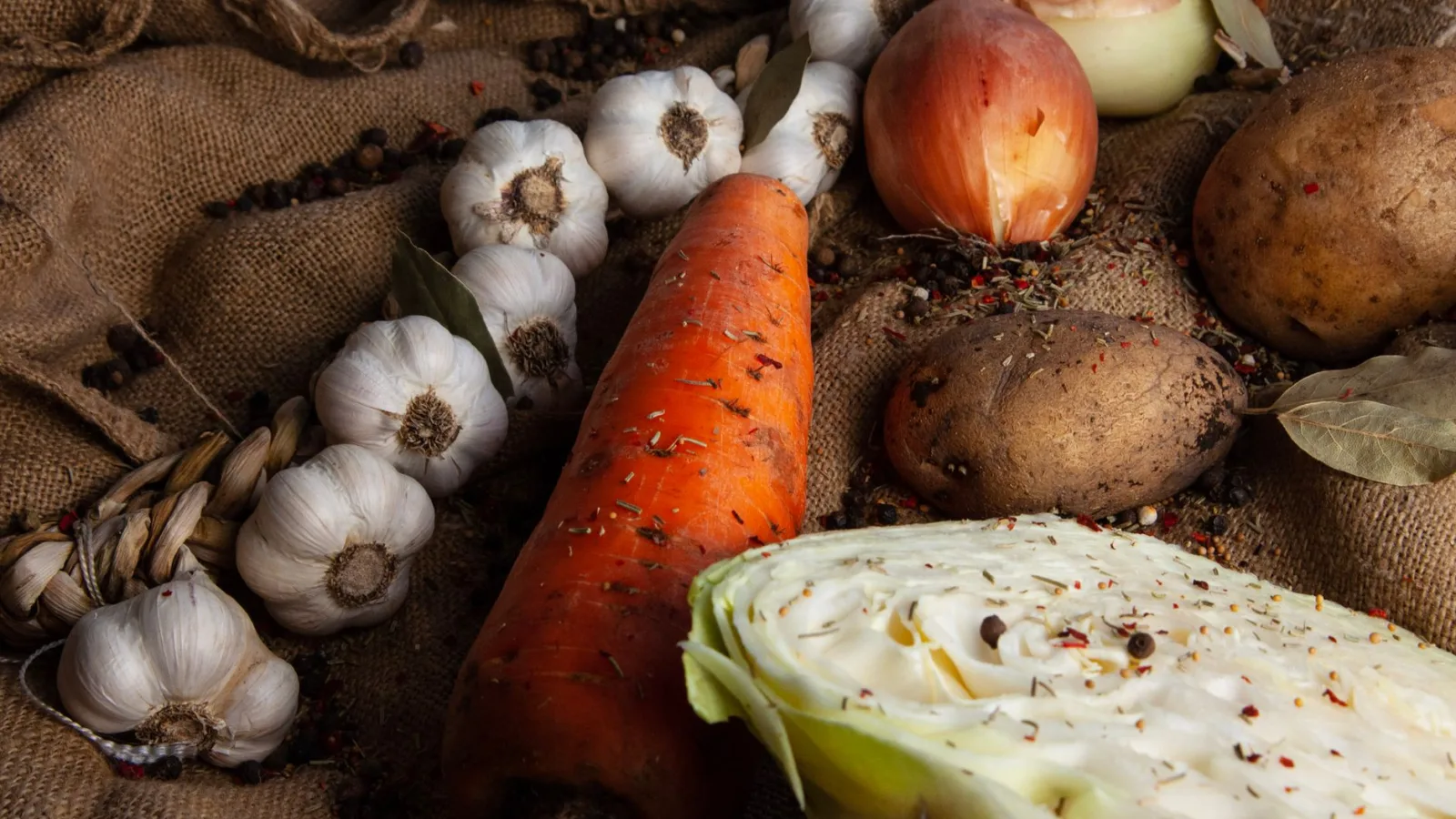
The root vegetables you pull from the garden before kimchi season feed the microbes in your gut, which turn that fiber into compounds that help regulate blood sugar. A varied harvest, plus a jar of homemade kimchi, is a simple habit worth keeping.
Hot Flashes at Night, and a Dinner Table Rebuilt Around Garden Soybeans
A 12-week study of 84 postmenopausal women found that swapping meat, fish, and eggs for plant foods went hand in hand with weight loss and fewer severe hot flashes. Here is how to start at your own table with soybeans and summer vegetables from the garden.
Ten Months of More Vegetables on Kids' Plates: What Changed in Their Bones?
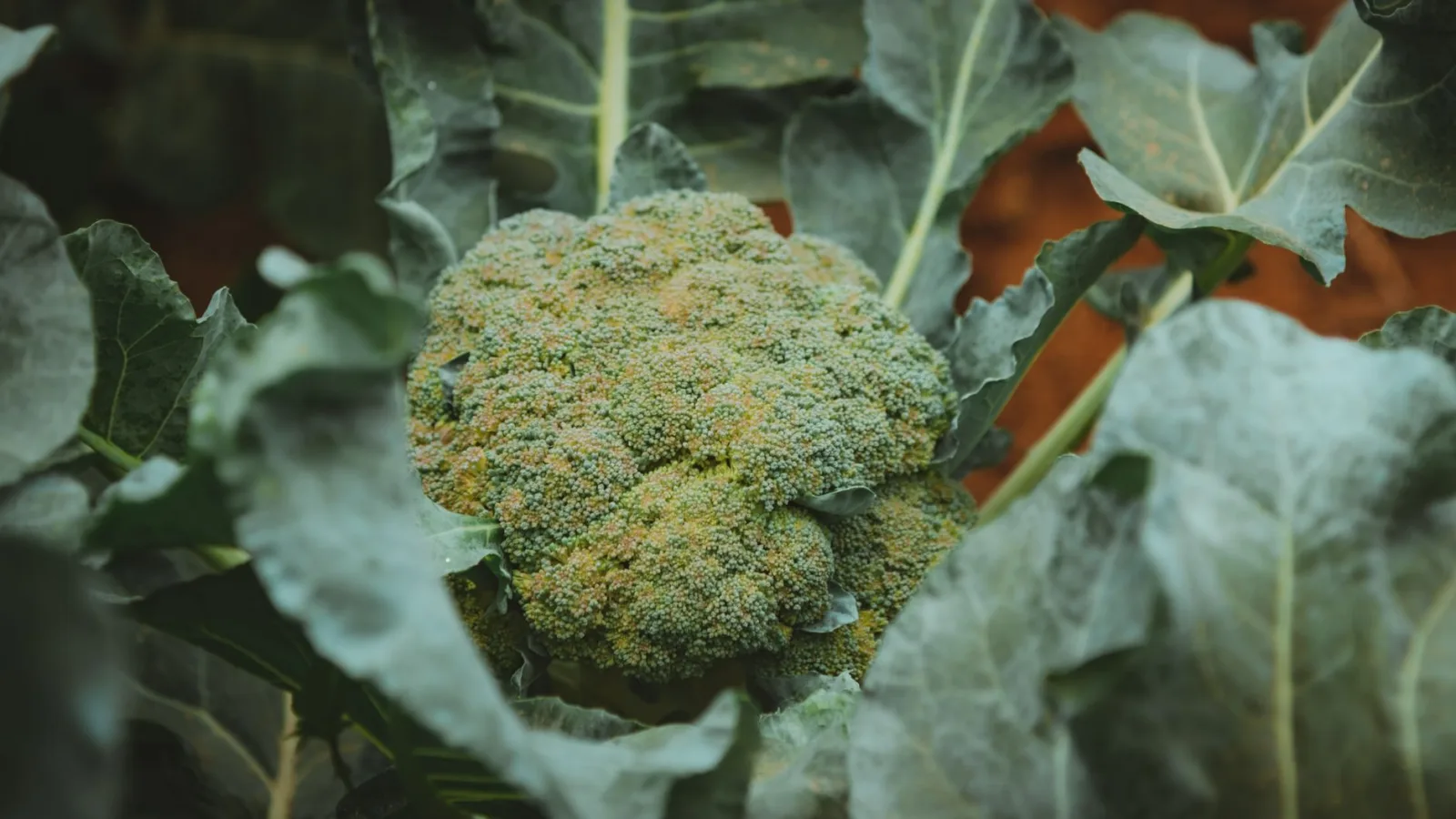
A ten-month study across 23 Finnish daycare centers found that children on a plant-forward menu showed faster bone turnover, with no shortfall in calcium or vitamin D. Here's what that means for families cutting back on meat, and which fall greens deliver calcium the body can actually use.
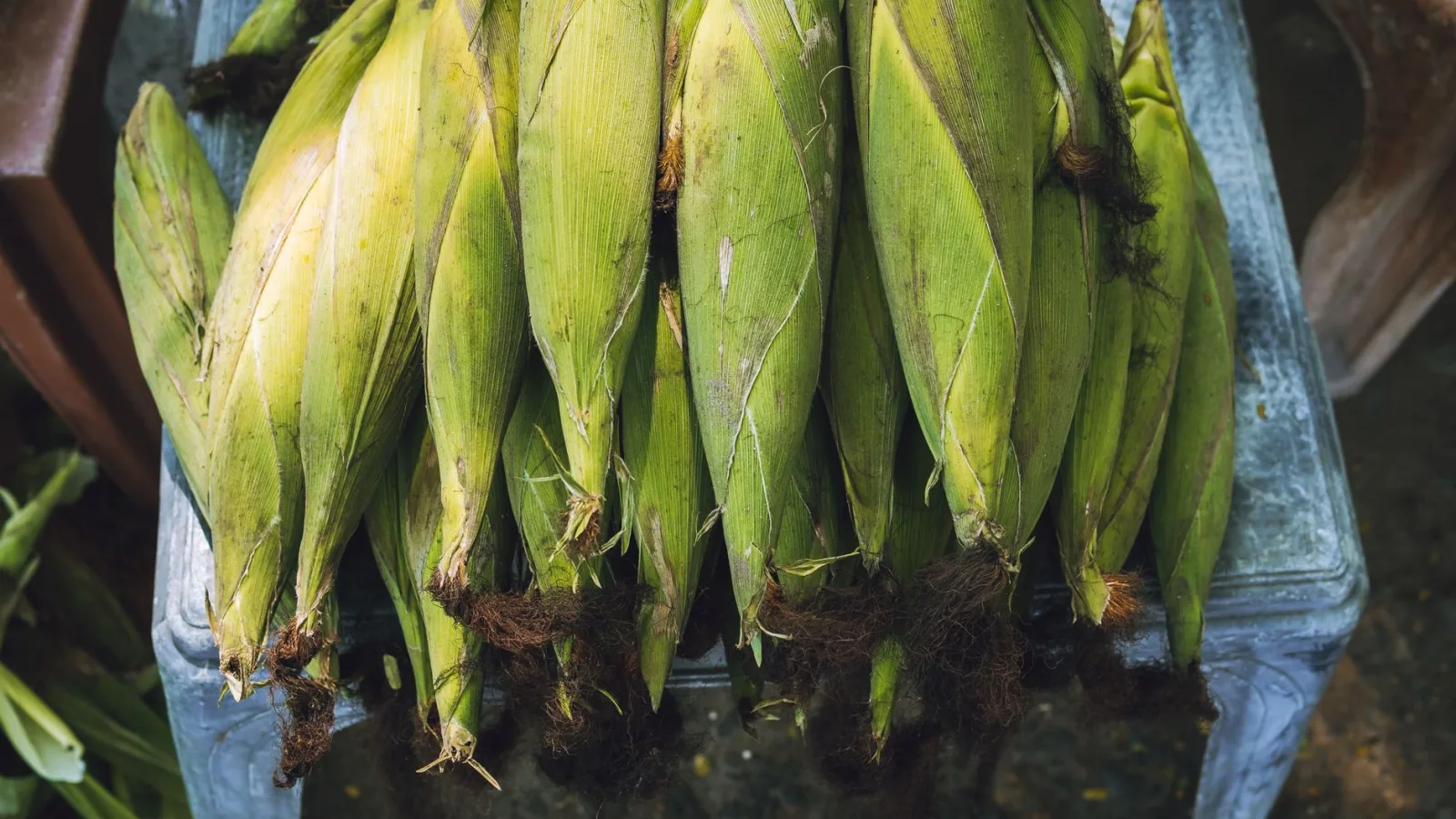
Beans Under the Corn: Lessons From a Mexican Garden
A review of traditional Mexican eating and cancer risk points back to the milpa, the ancient practice of growing corn, beans, and squash in one row. Here is what the research shows and how to try it in a city garden this summer.
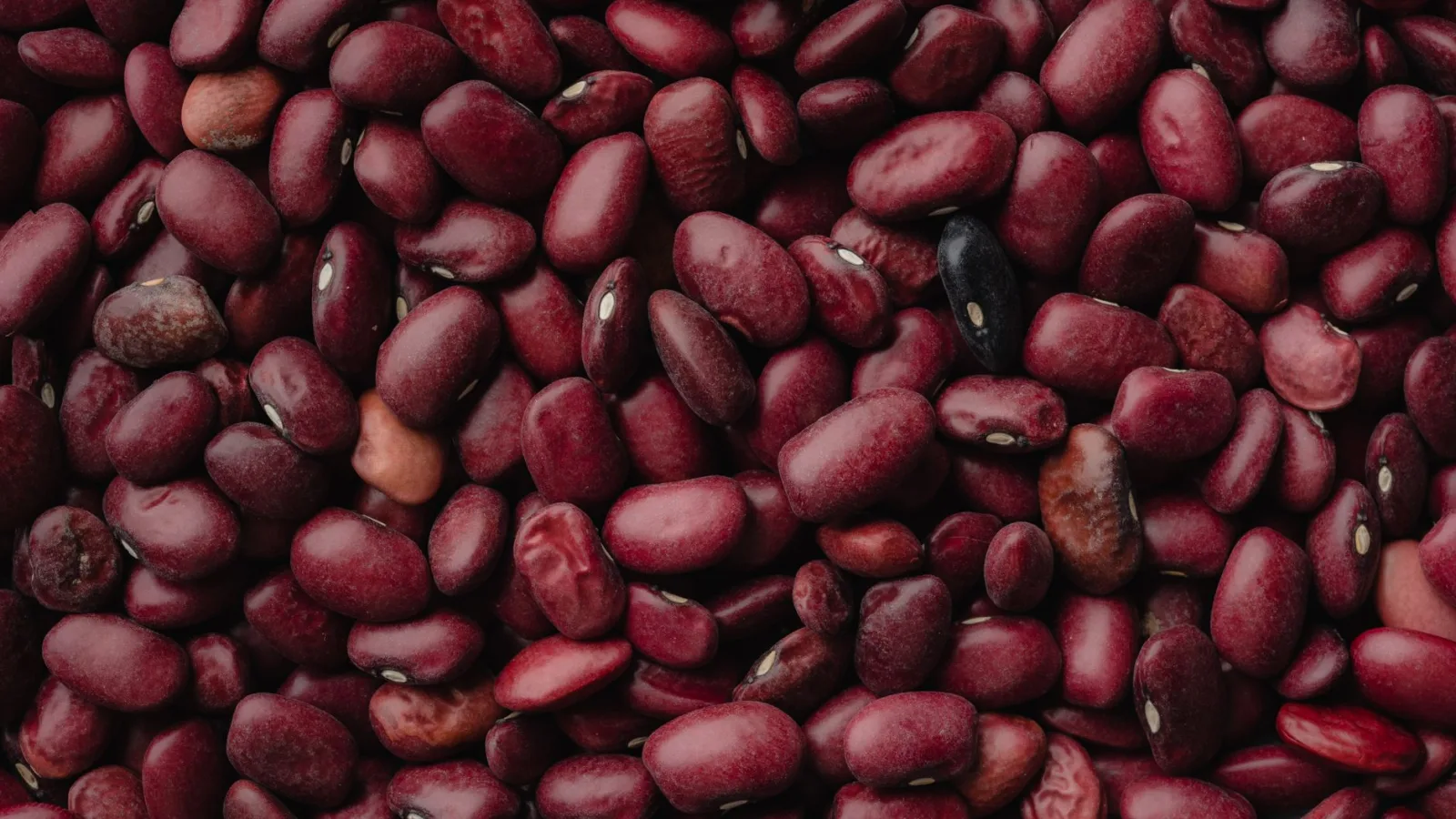
Why the Same Meal Lands Differently on Different Bodies
Compared with Westerners, Asians tend to store more visceral fat and develop type 2 diabetes at lower weights. Among the long-standing habits of Asian cooking, beans and fiber-rich vegetables have the strongest evidence behind them, and a summer garden already grows both.
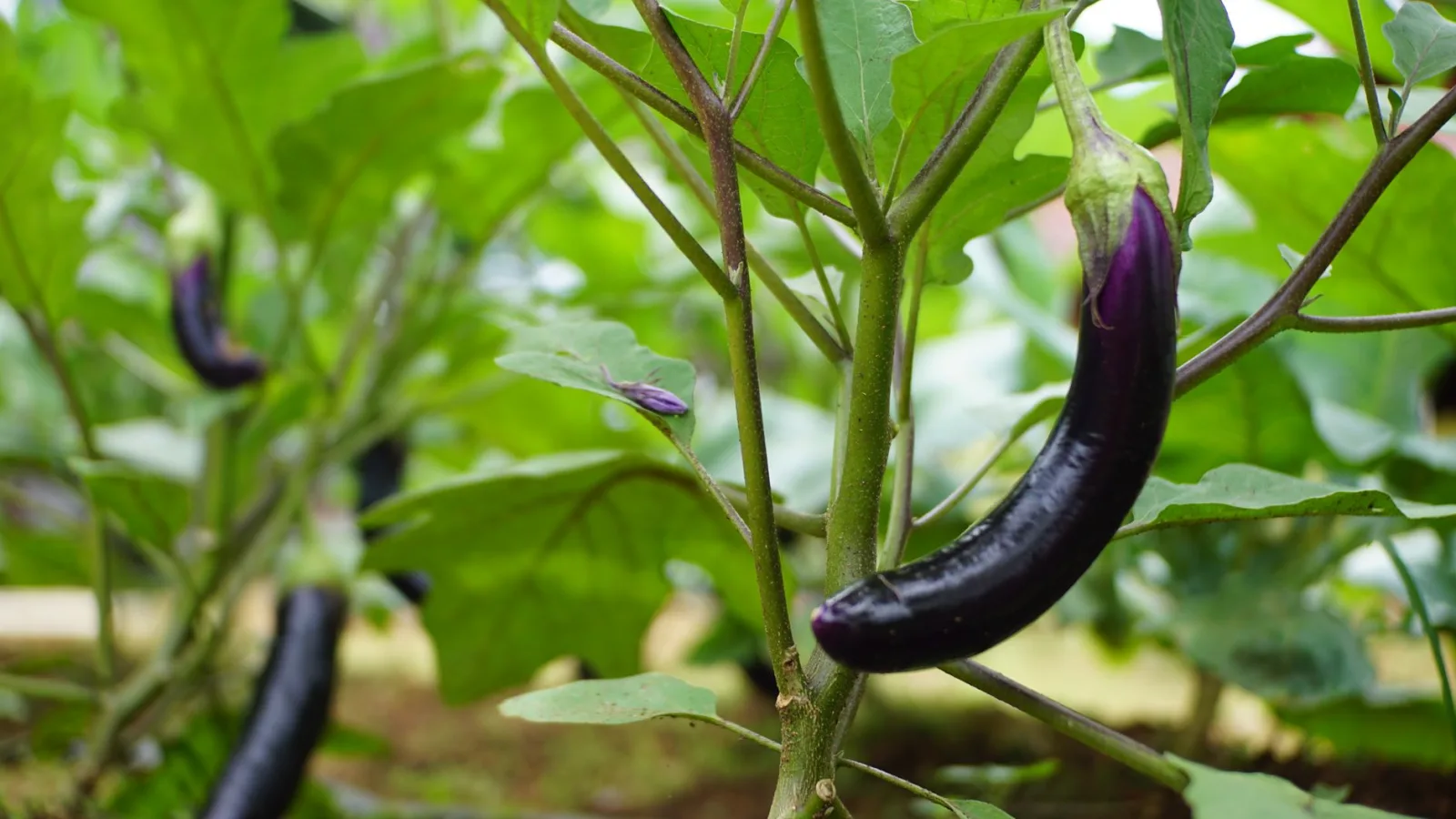
The Lifestyle Habit That Made It Into a Chronic Disease Risk Score: How Many Vegetables You Eat
A study that tracked roughly 40,000 residents of Taizhou, China, found that a risk score combining 15 blood markers with age, smoking, high blood pressure, and vegetable intake identified the quarter of people who went on to account for more than half of new chronic disease diagnoses. Here is what that means for your fall garden and your dinner table.
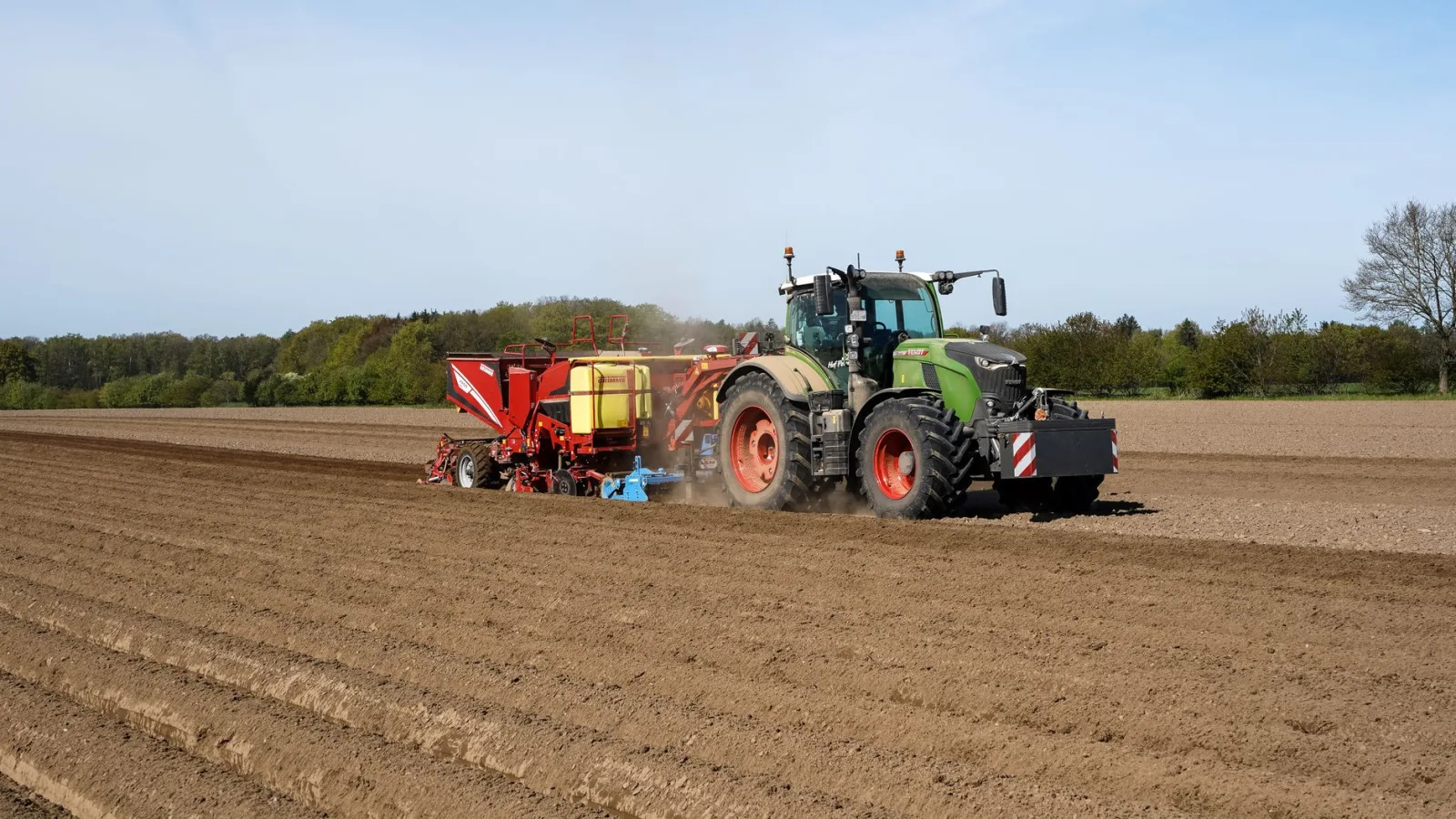
Let Your Boiled Potatoes Cool Before You Eat Them
Letting boiled potatoes cool raises their resistant starch, a fiber that feeds colon microbes and reshapes bile acids differently from polydextrose, a fiber found in processed foods. A clinical study shows where each leaves its mark, and a few kitchen habits put the garden version on your plate.
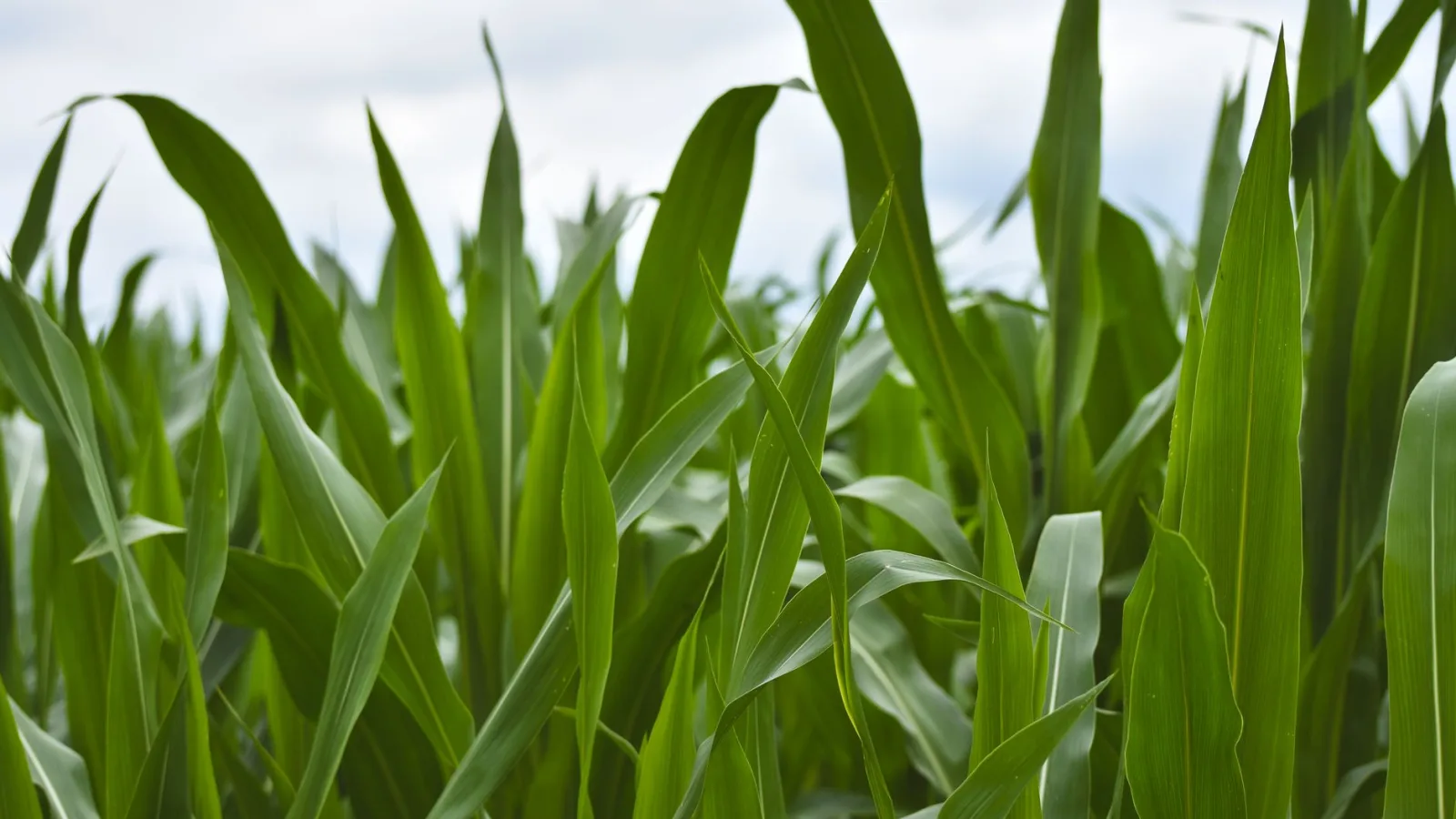
Who Eats the Sugar Left in a Corn Cob?
The cobs we toss on the compost pile hold a sugar our bodies can't digest, but some gut bacteria can. A 2026 study of Bifidobacterium longum shows the ability varies by strain, and a few simple kitchen habits can put more of that sugar on your plate.
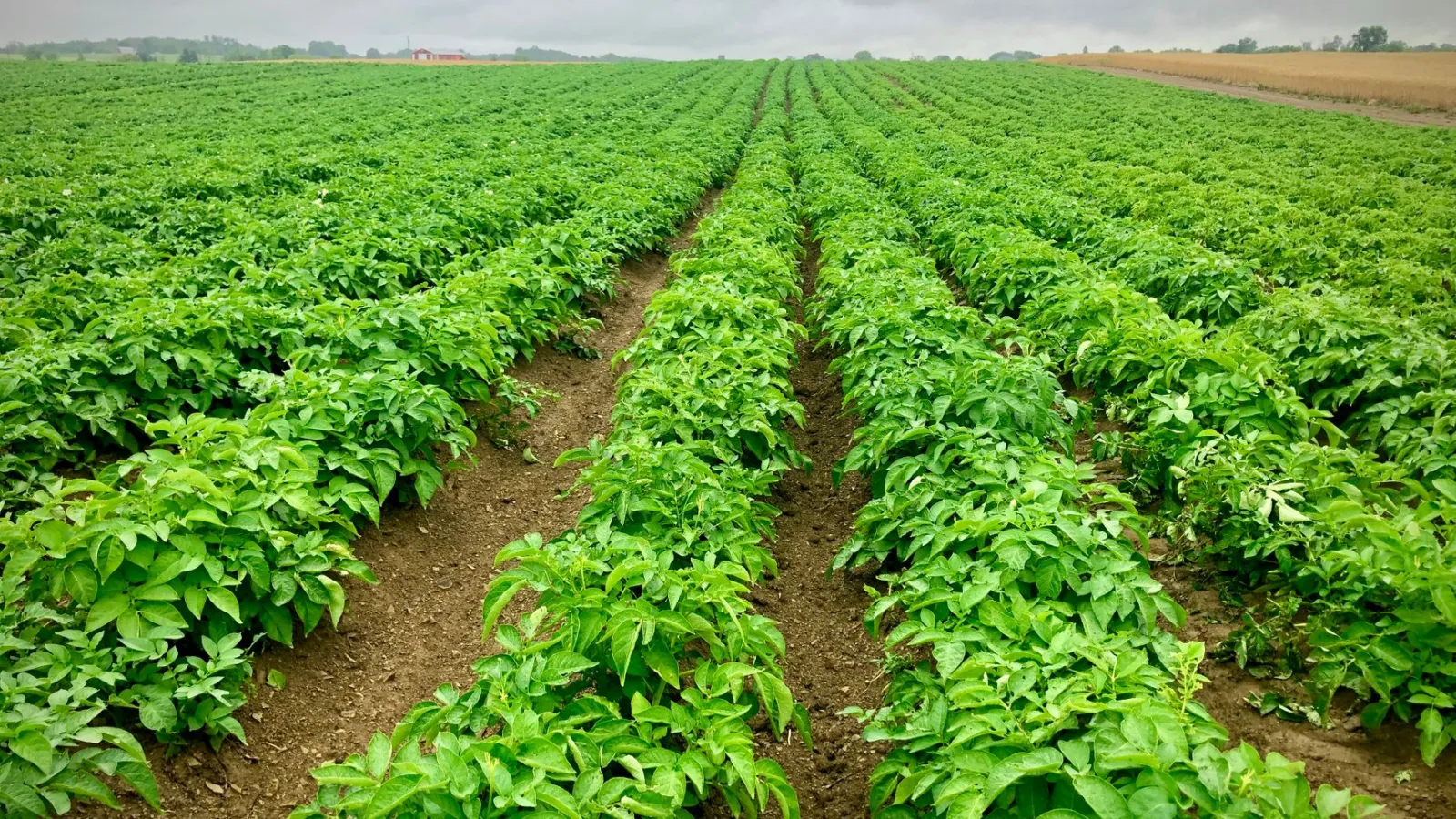
It's the Season Jerusalem Artichokes Stock Up on Inulin
As late summer turns to fall, Jerusalem artichokes pack their tubers with inulin, a soluble fiber that our gut bacteria ferment. Here's what a 12-week clinical trial found, plus how to grow, cook, and ease into eating them.
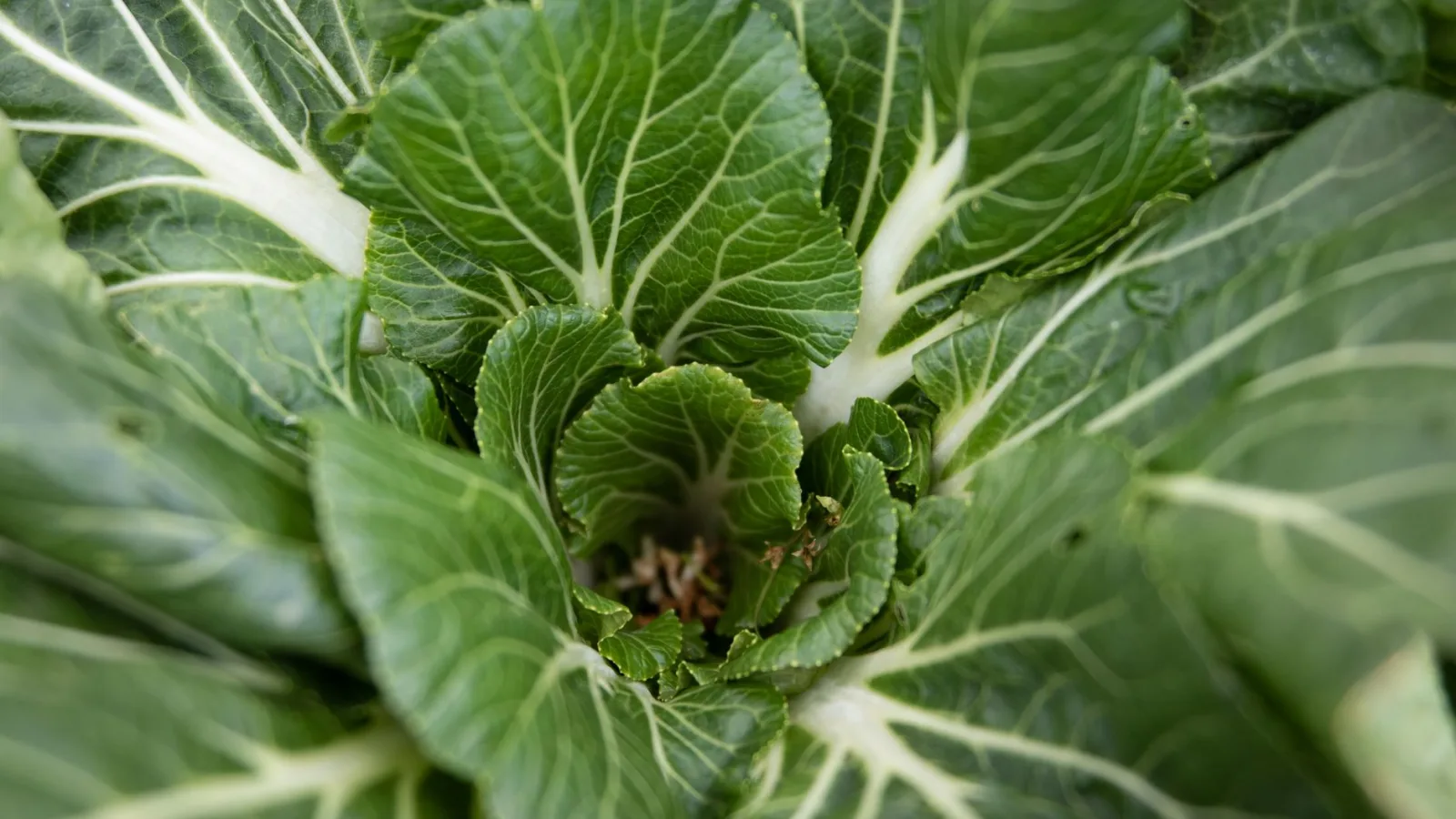
Kimchi's Good Bacteria: A Story for Cabbage-Planting Season
As napa cabbage seedlings go into the ground, a lab study finds that one kimchi strain, Levilactobacillus brevis, markedly slowed two starch-digesting enzymes in the test tube and showed promising probiotic and antioxidant traits. Here's what the findings mean and how to ferment your fall harvest so those bacteria thrive.
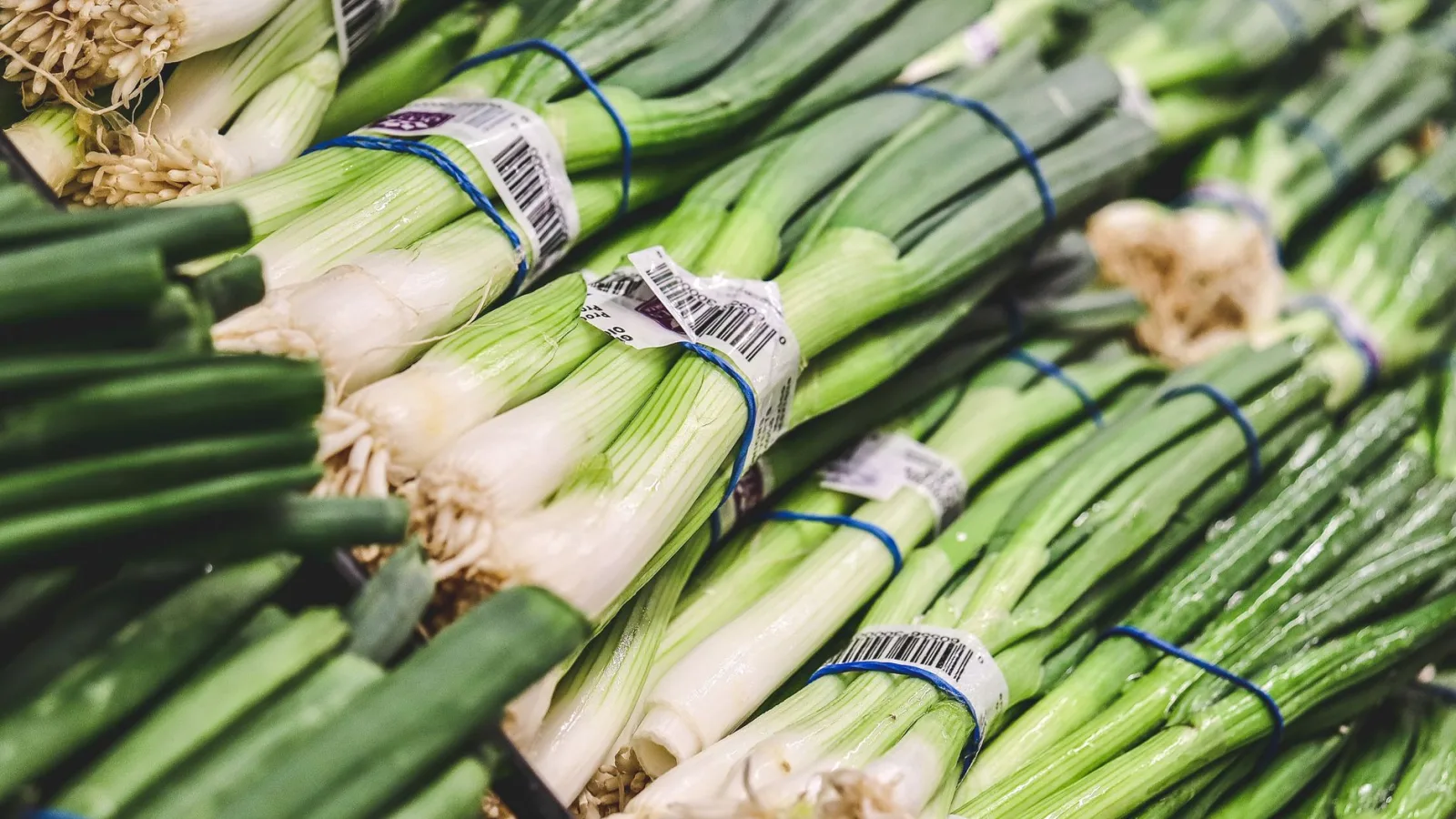
Bloated After Every Meal? What Your Herb Garden Can Do
If even a small meal leaves you bloated and gassy, small intestinal bacterial overgrowth (SIBO) may be the reason. Here's what the condition is and how garden herbs like mint and oregano can support medical care.
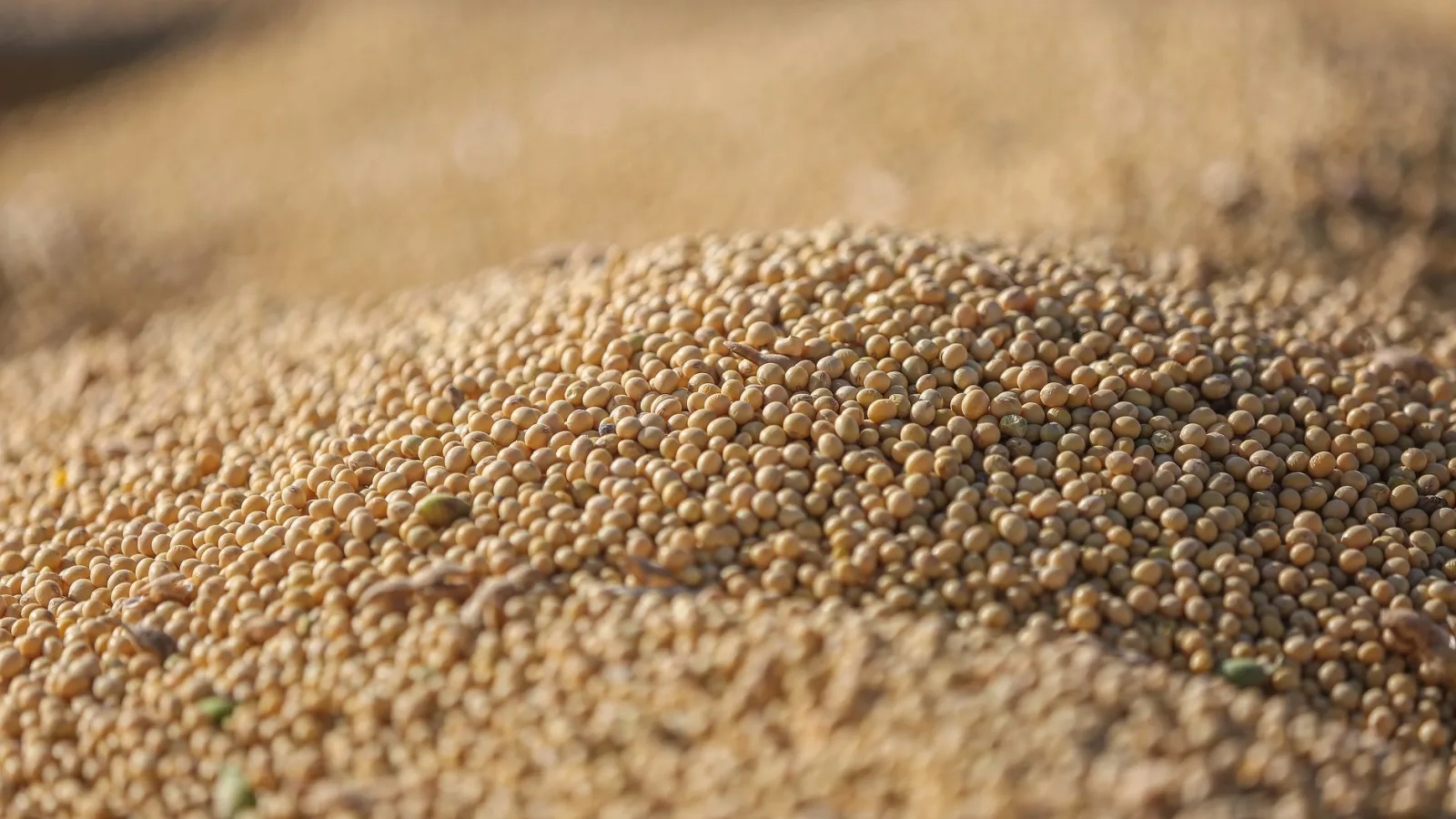
Same Bean, Different Results: Why Fermentation Matters
A new look at U.S. national health data found that fermented soy foods like doenjang and cheonggukjang were linked to a lower risk of fatty liver. Tofu, soy milk, and soy protein powders showed no clear link.
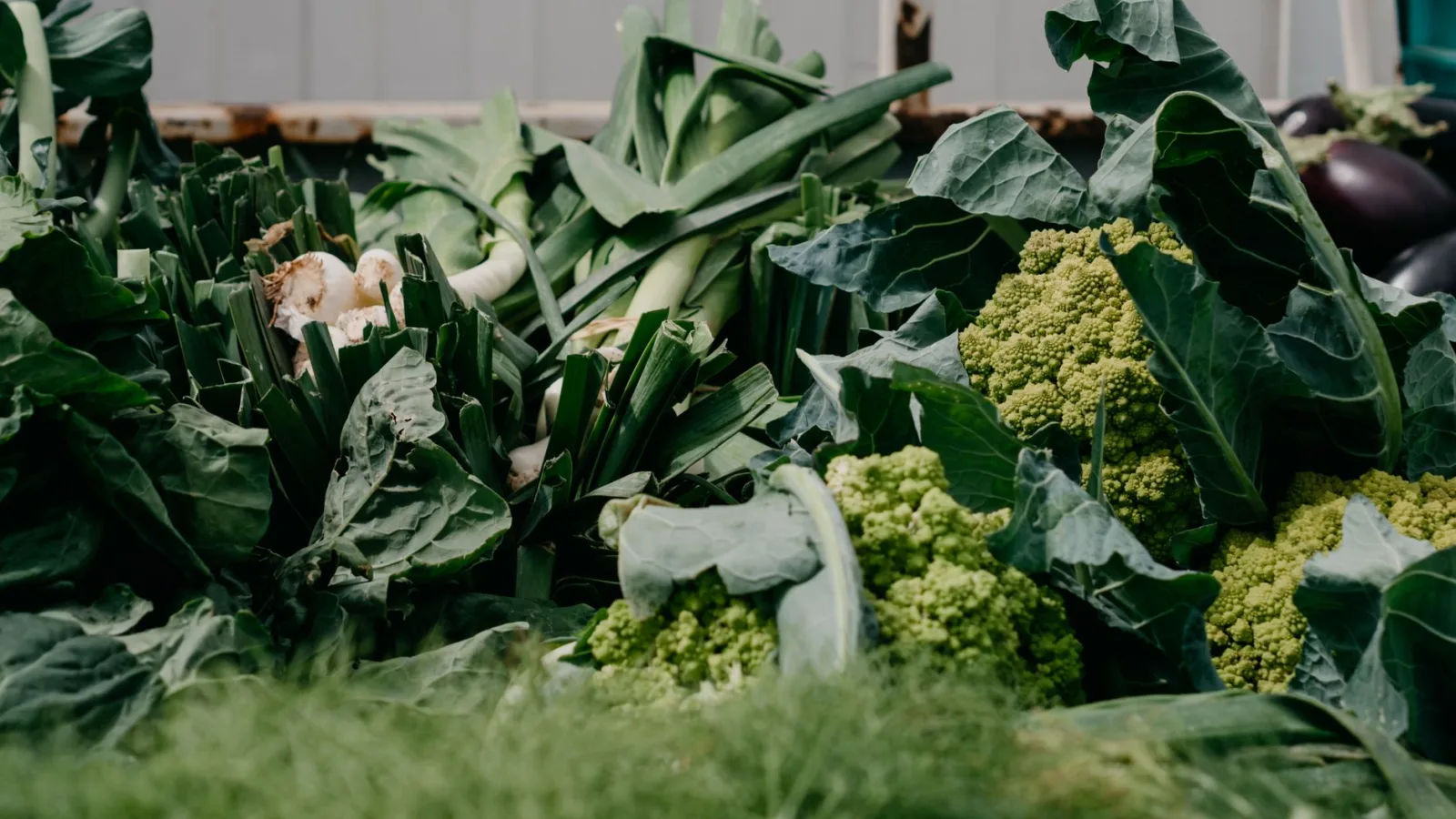
Quercetin from Onions and Broccoli Shows Up in Lung Cancer Research
A computer-modeling study found that a form of quercetin, a compound in onions, broccoli, and apples, attached firmly to seven proteins linked to lung cancer. It hasn't been tested in a lab yet, but it's still a good reason to change how you prepare what you grow.
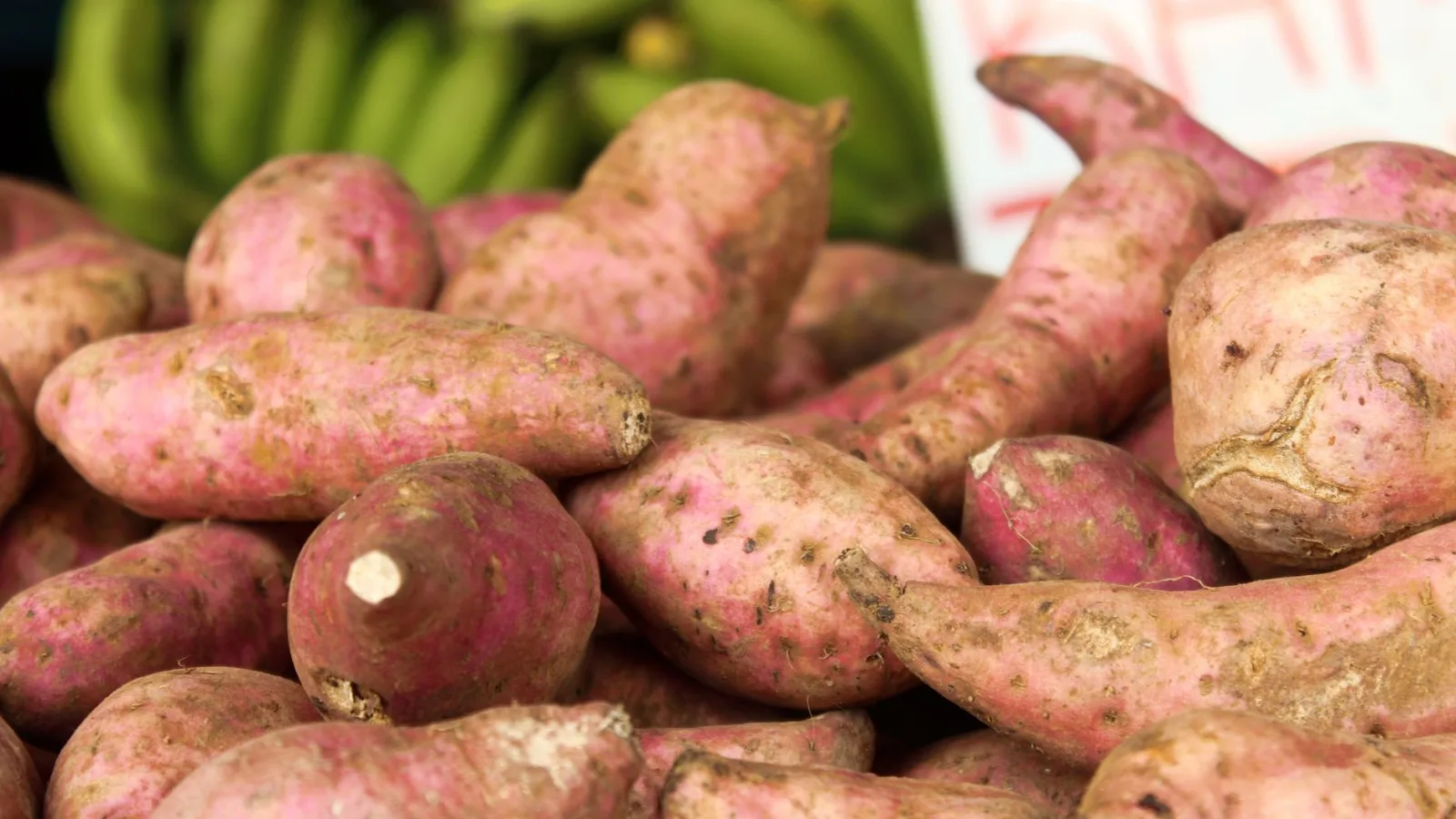
What a Spoonful of Black Rice Does in Your Rice Cooker
The spoonful of black rice that turns your rinse water purple is doing more than adding color. Here's what black and red rice offer that white rice doesn't, and how to cook them well.
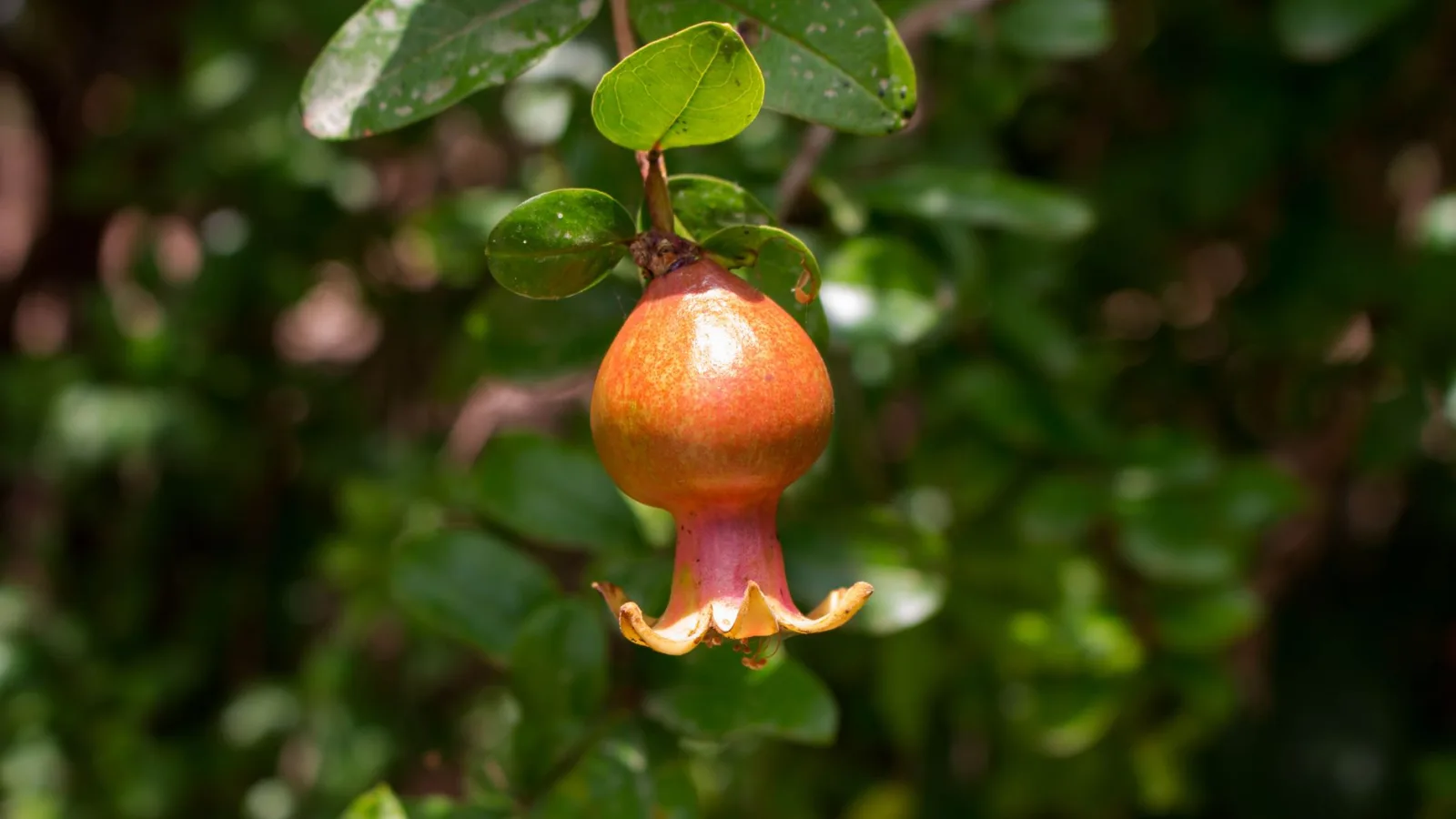
What Pomegranate Seeds and Ginger Root Do in Your Gut
Diabetes researchers have proposed "envbiotics," a name for compounds that act on the body first and change the gut microbiome as a result. Several of the leading candidates come from pomegranate, ginger, and other things ripening right now.
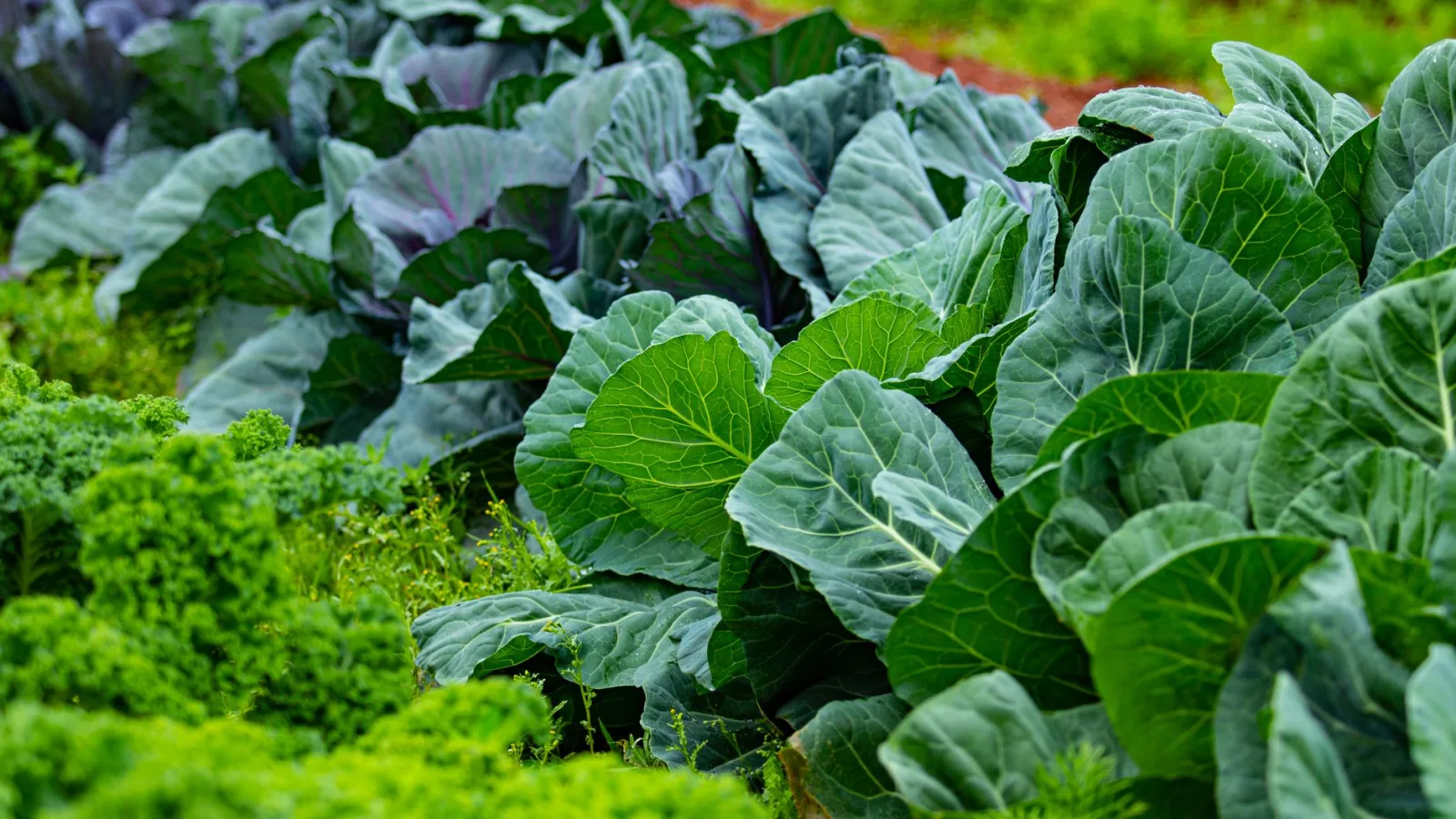
On the Days You're Running on Empty, a Plate of Garden Greens
Dark leafy greens from the garden — kale, spinach, Swiss chard — are loaded with vitamin K, and a recent study links higher intake to fewer depressive symptoms. Here's what the research says, and how to get more of it on your plate.
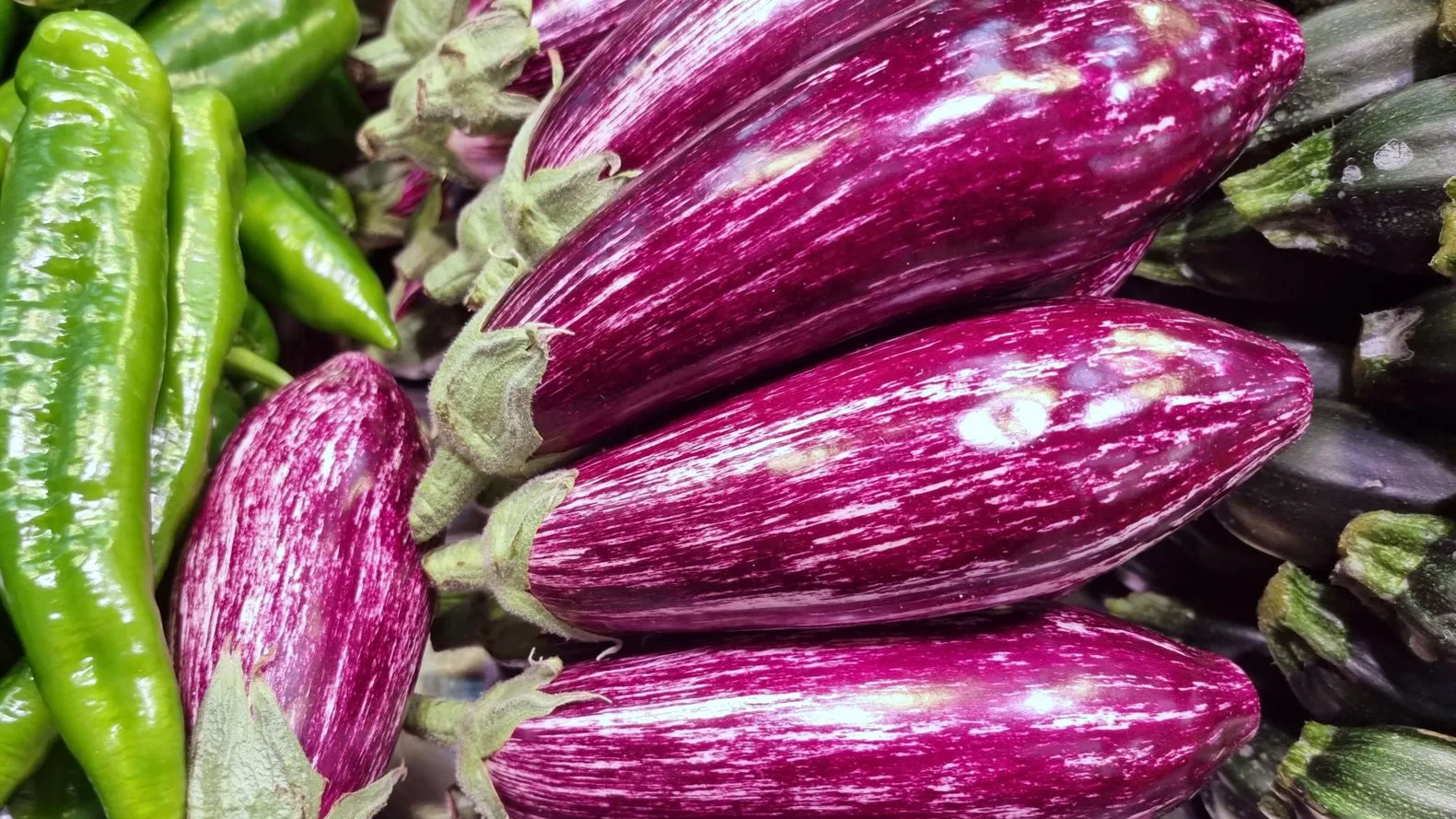
A Dinner Where One Eggplant Stands In for the Meat
A Portuguese study modeled what would happen if kids ate closer to the planetary health diet — and found that piling on vegetables isn't the lever. What needs cutting differs by age, and unless total portions change too, emissions go up rather than down.
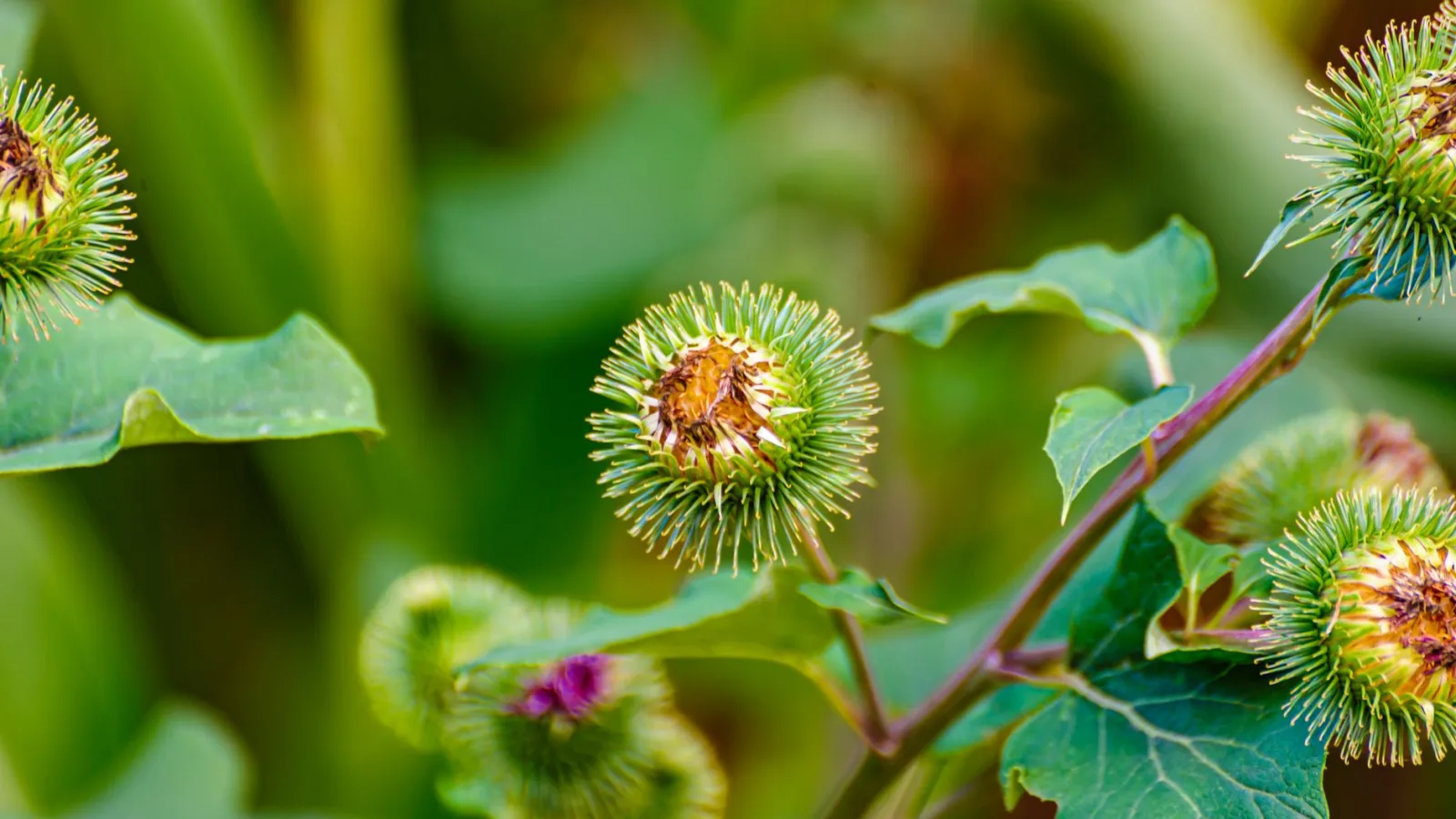
What Sunchokes and Burdock Leave Behind in Your Gut
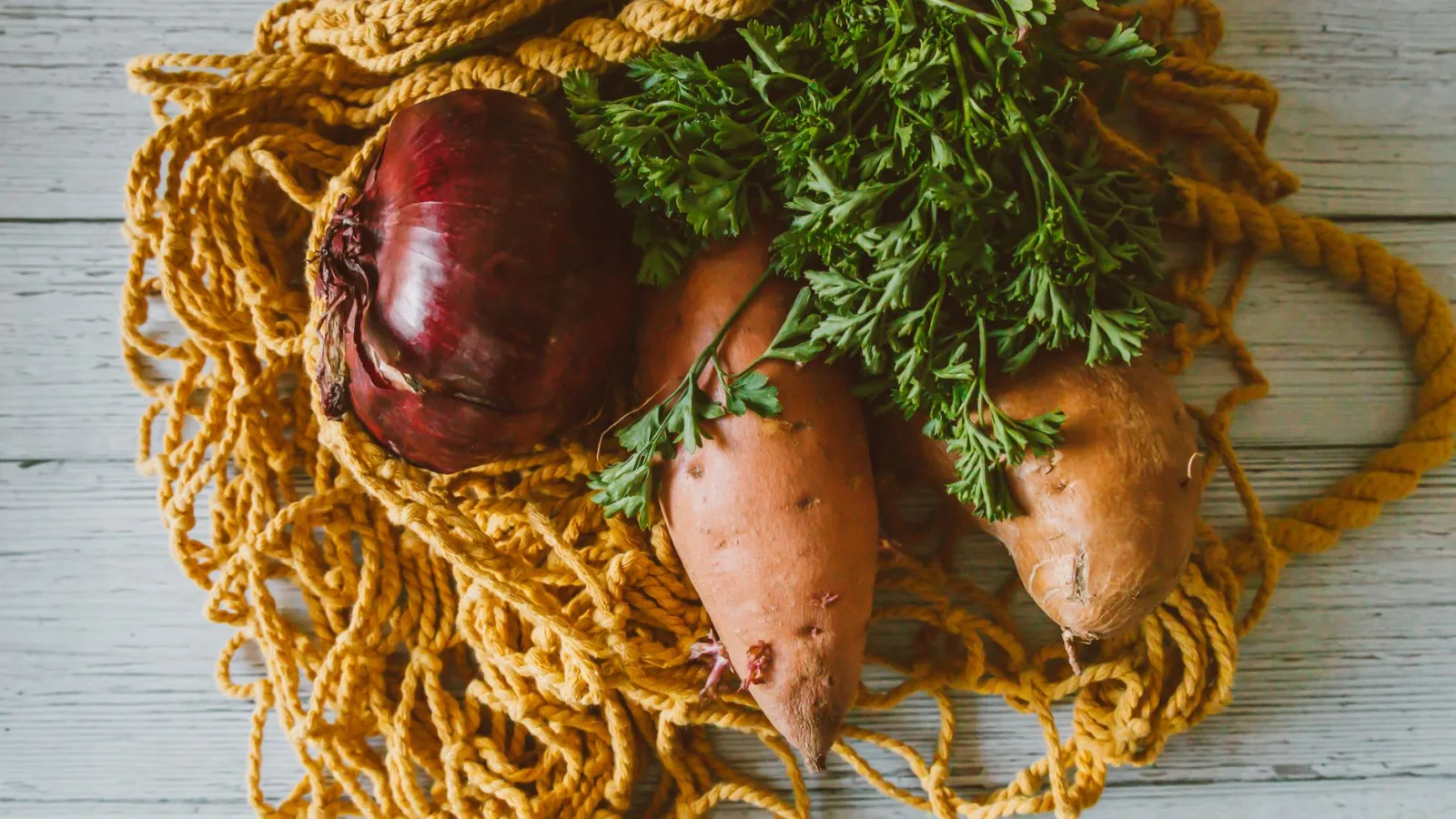
Sunchokes, burdock, and onions all stockpile inulin, a sugar our enzymes can't break down, so it arrives in the colon intact and gut bacteria ferment it into butyrate. A 2026 mouse study ties that butyrate to a stronger immune attack on tumors — and the summer garden is already growing the raw material.
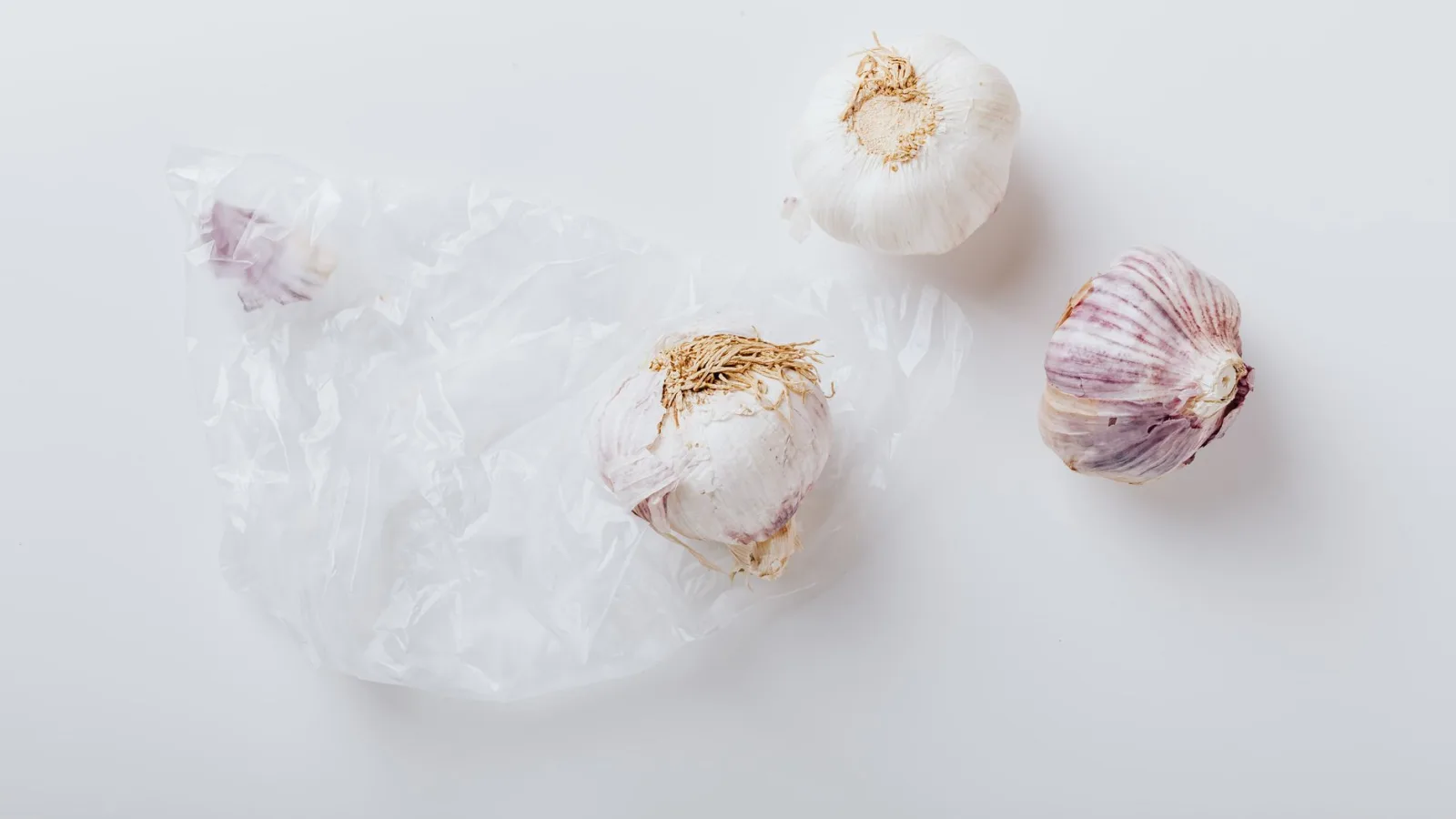
Dusty Days in the Garden, and What One Clove of Garlic Is Good For
A study published this year looked at allicin, the compound that forms when garlic is crushed, in lung cells and mice exposed to silica dust. Here's what it found, what it doesn't mean, and how to handle both the dust and the garlic.
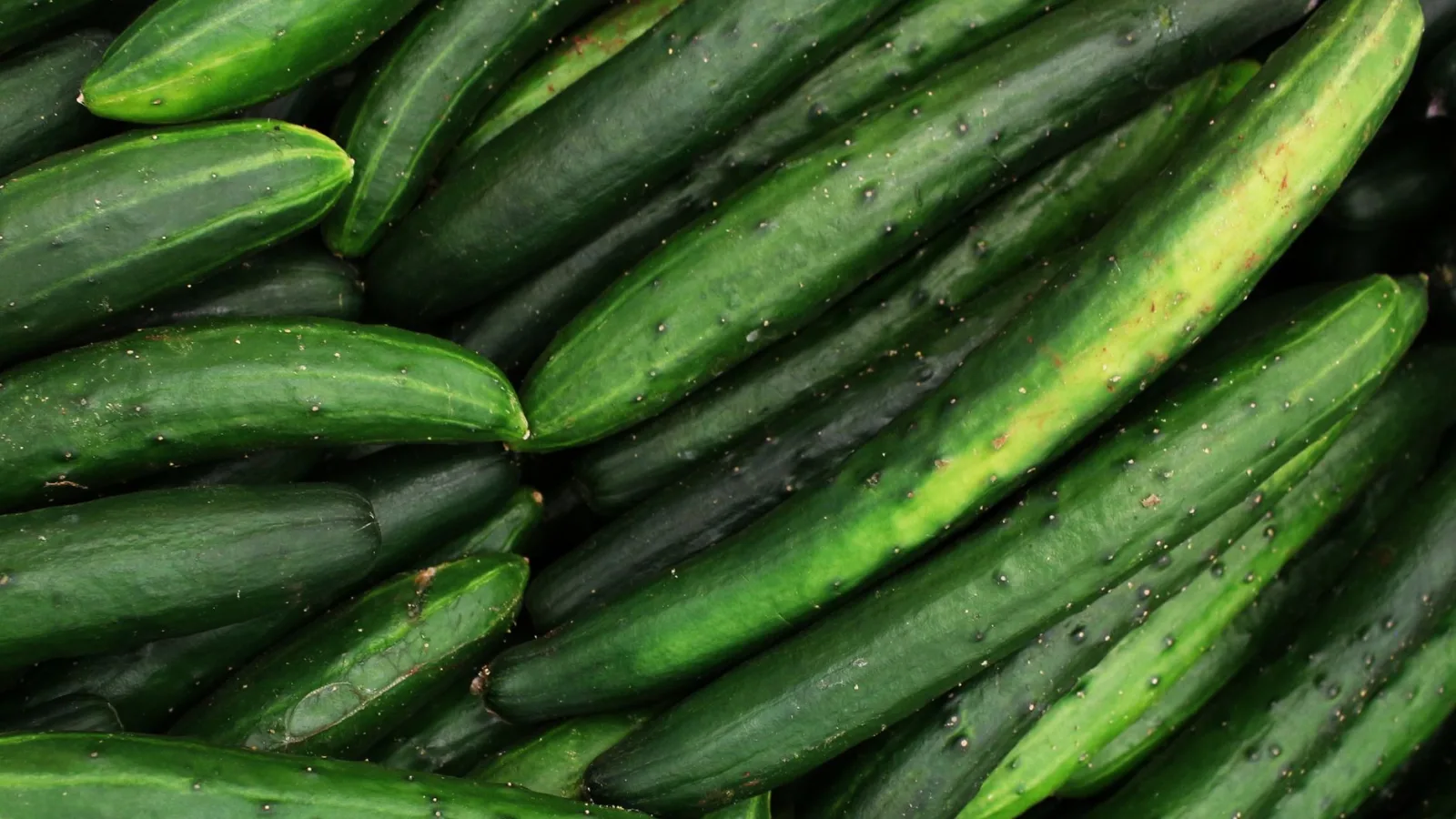
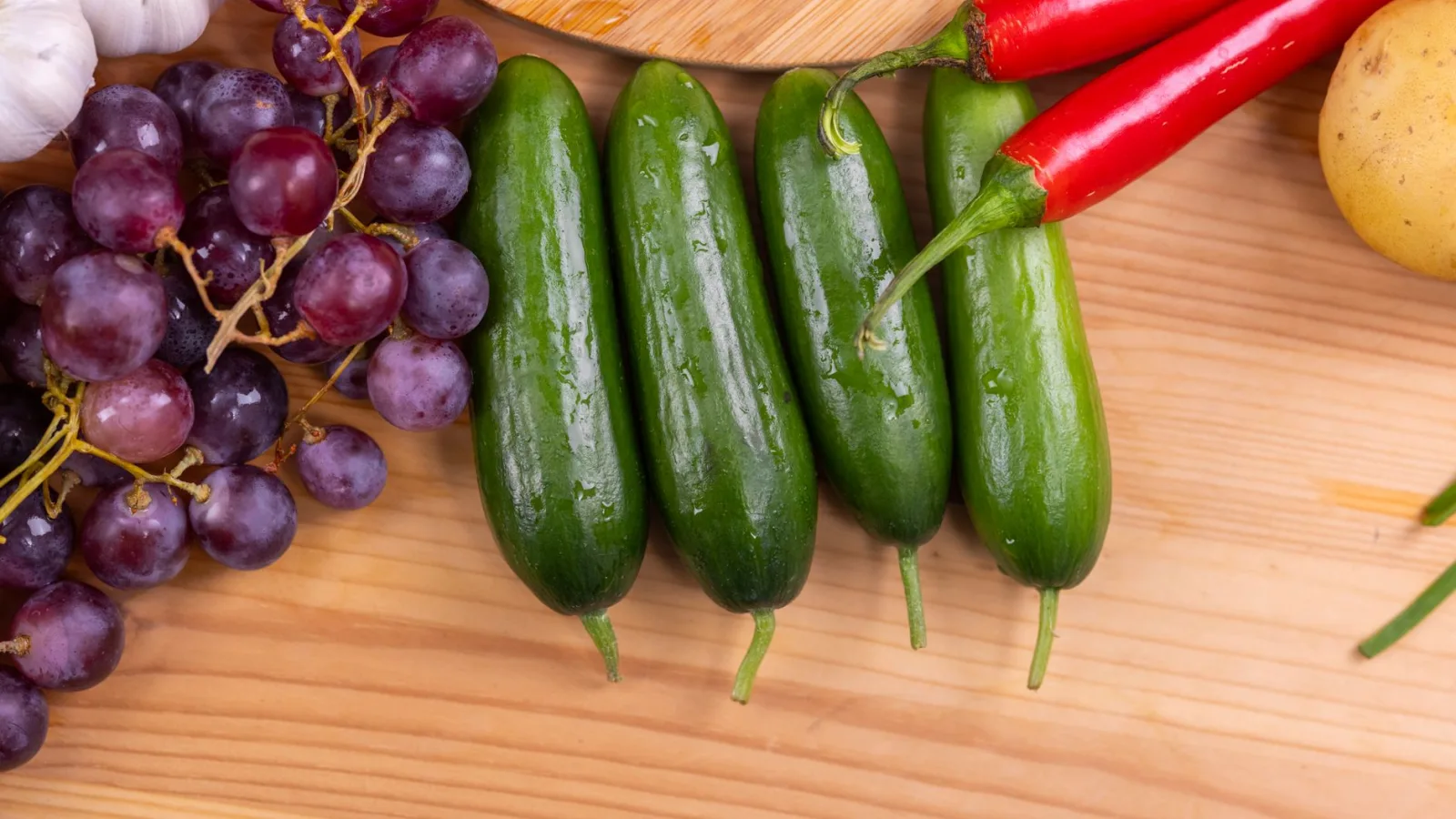
Peak Cucumber Season Is Also a Good Time to Look at Blood Sugar
Vietnam ran the same national health survey on its adults in 2015 and again in 2021, and the share with elevated fasting blood sugar tripled — with risk factors piling up in the same people. Here's what that has to do with a July garden overflowing with cucumbers.
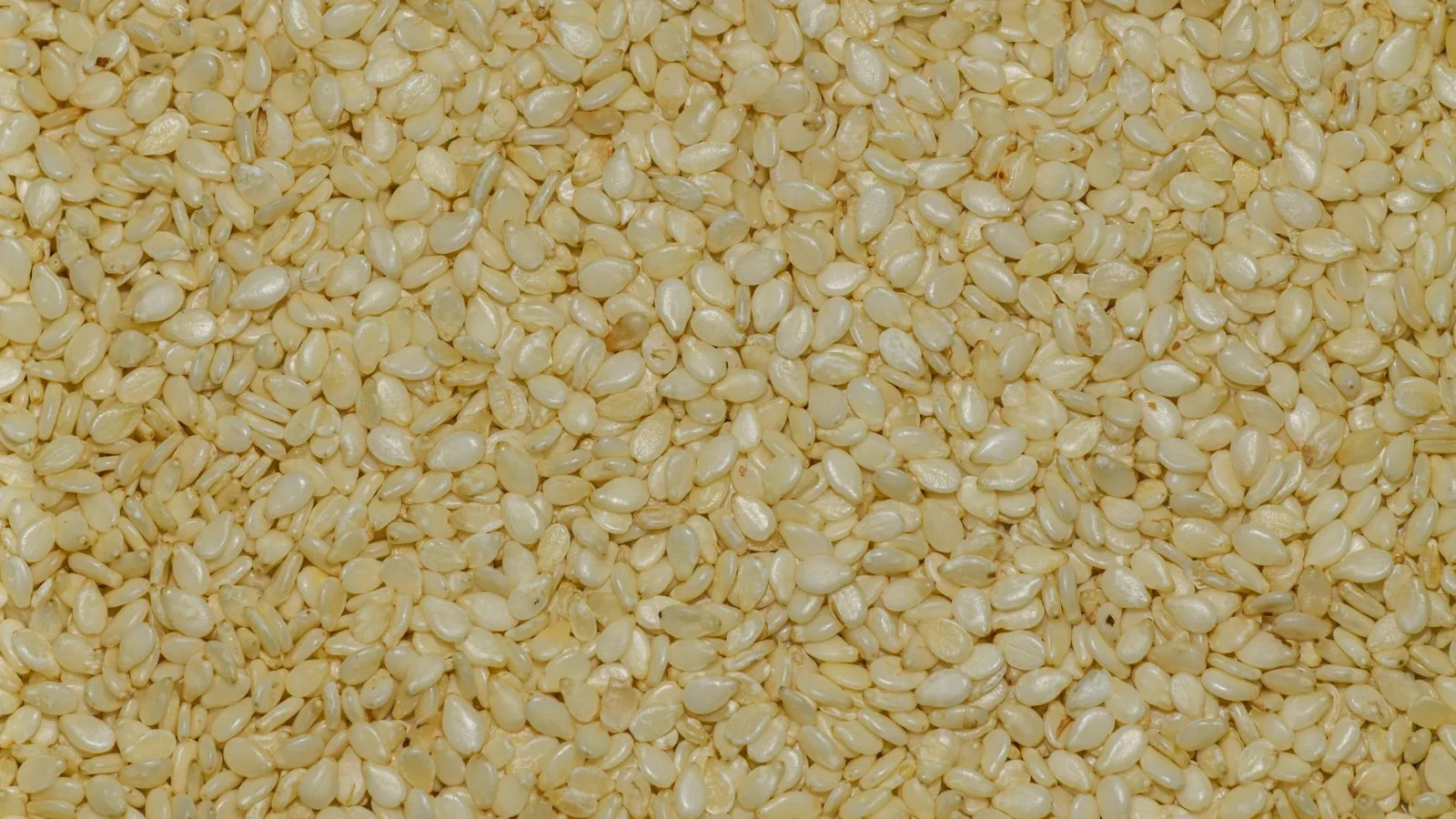
Sesame Harvest Season: A Fresh Look at Food Allergies
Sesame ranks just behind milk and eggs among food allergy triggers in Saudi Arabia, and Korean kitchens lean on it just as heavily. Here's what a review of twenty studies suggests about cutting foods out — and about filling the gaps back in from your own garden.
Fat-Regulating Genes and Blood Pressure: What Your Garden Vegetables Can Do
A 2026 study of 510 college students found that variants in the SREBP genes—which regulate how much fat and cholesterol the liver produces—were associated with slightly higher blood pressure readings. The findings are preliminary, but they're a good reminder of why the garlic, garlic chives, lettuce, and cherry tomatoes in your garden are worth eating.
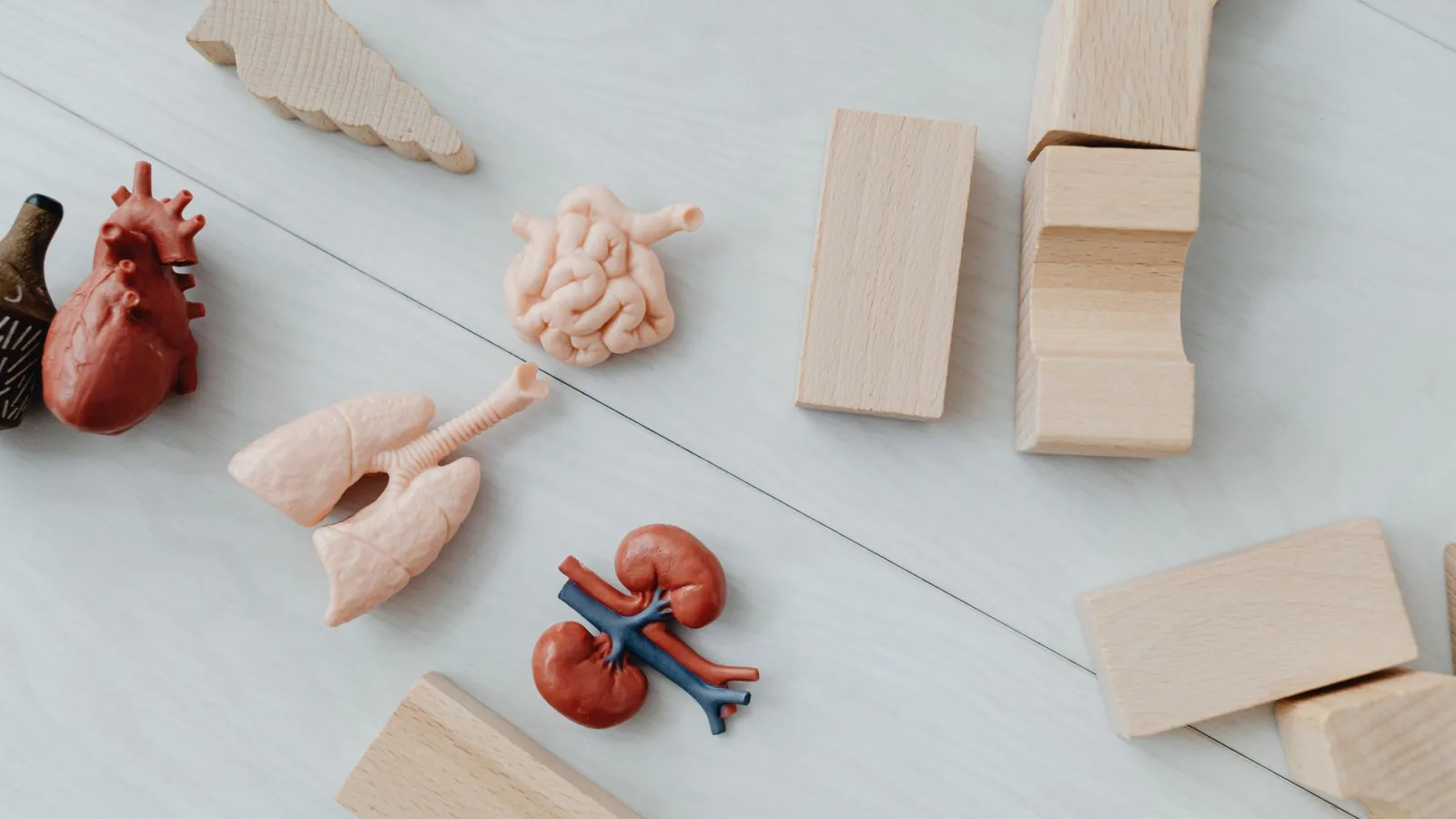
The Bacteria in Your Gut Are Protecting Your Brain
Tens of trillions of bacteria live in your gut, and a 2026 review traces their reach all the way to immune regulation, brain disease, and cancer. Here's how a diverse garden harvest and a jar of homemade kimchi help keep that inner ecosystem in balance.
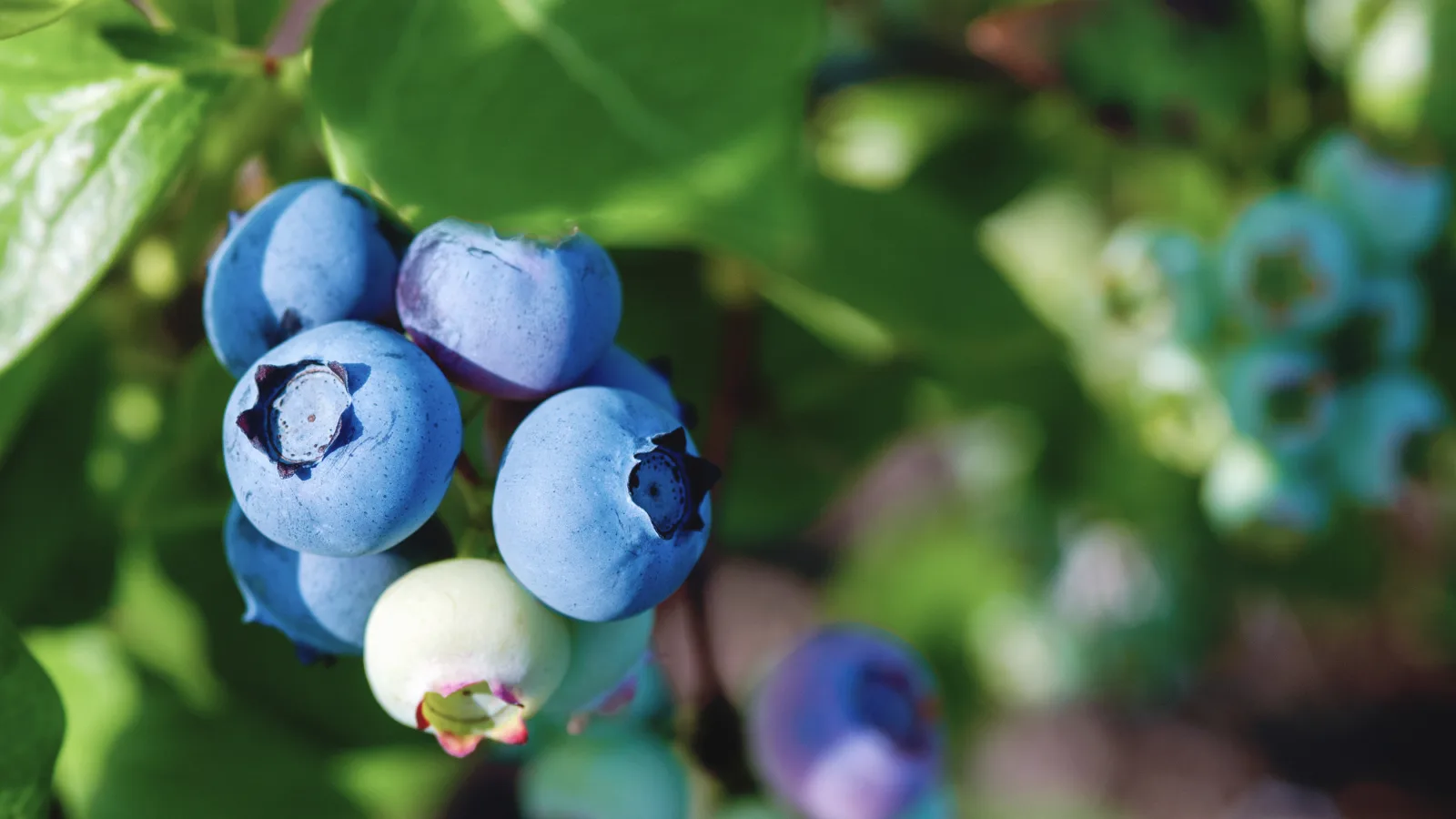
What a Handful of Blueberries and a Knob of Ginger Are Doing
Late-summer garden picks — blueberries, ginger, fall greens — carry plant compounds that nudge the body's own antioxidant defenses. Here's what the research actually supports, and how to cook so more of it survives.
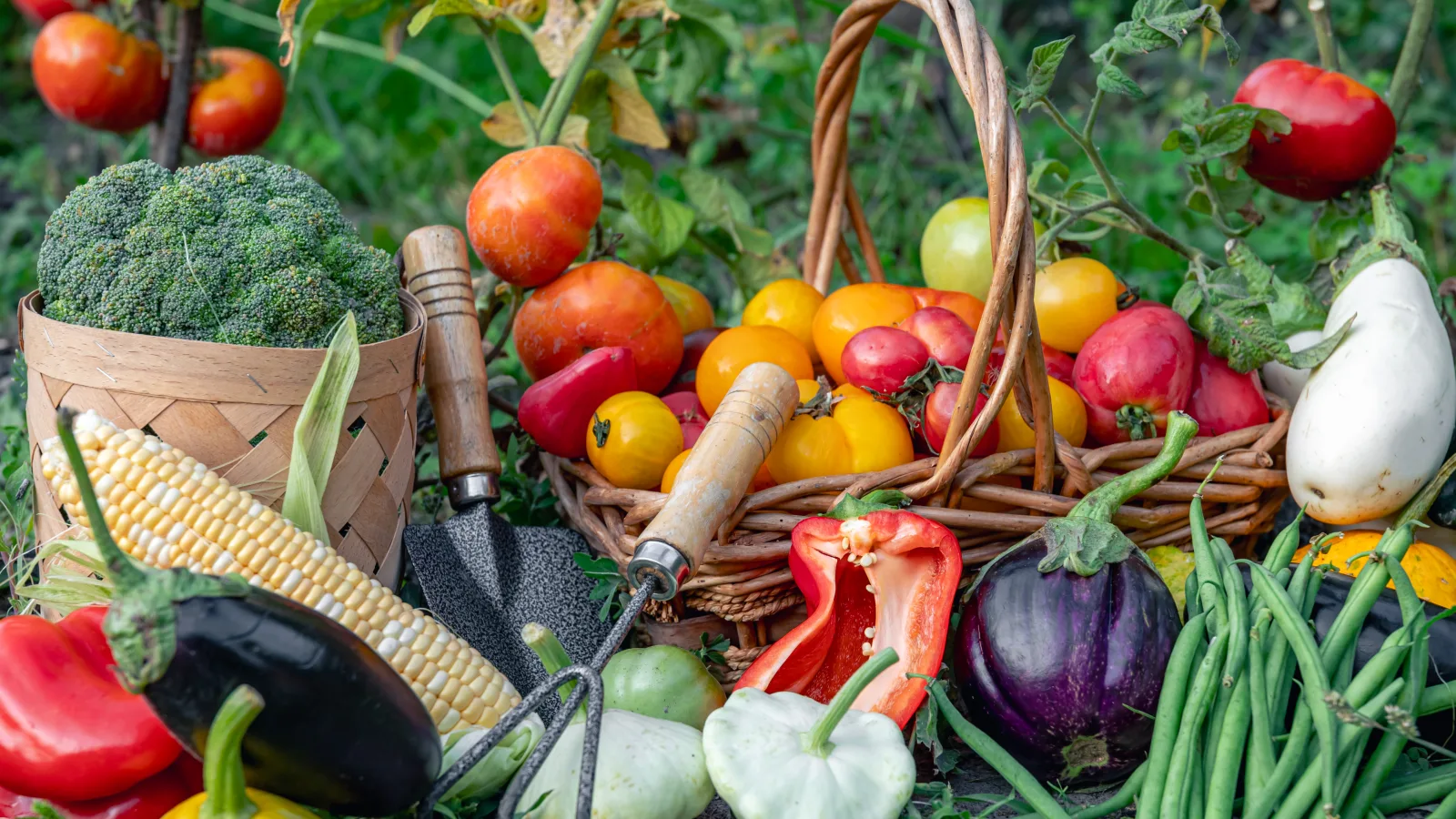
Can a Plate of Summer Vegetables Lower Your Dementia Risk?
A Swedish study that tracked 1,865 adults over 60 for up to 15 years found that a diet low in inflammation-driving foods was linked to about 30% lower dementia risk — and unlike other healthy-eating patterns, it still mattered for people whose brain biomarkers had already shifted. Most of the foods that earn points are already growing in a July garden.
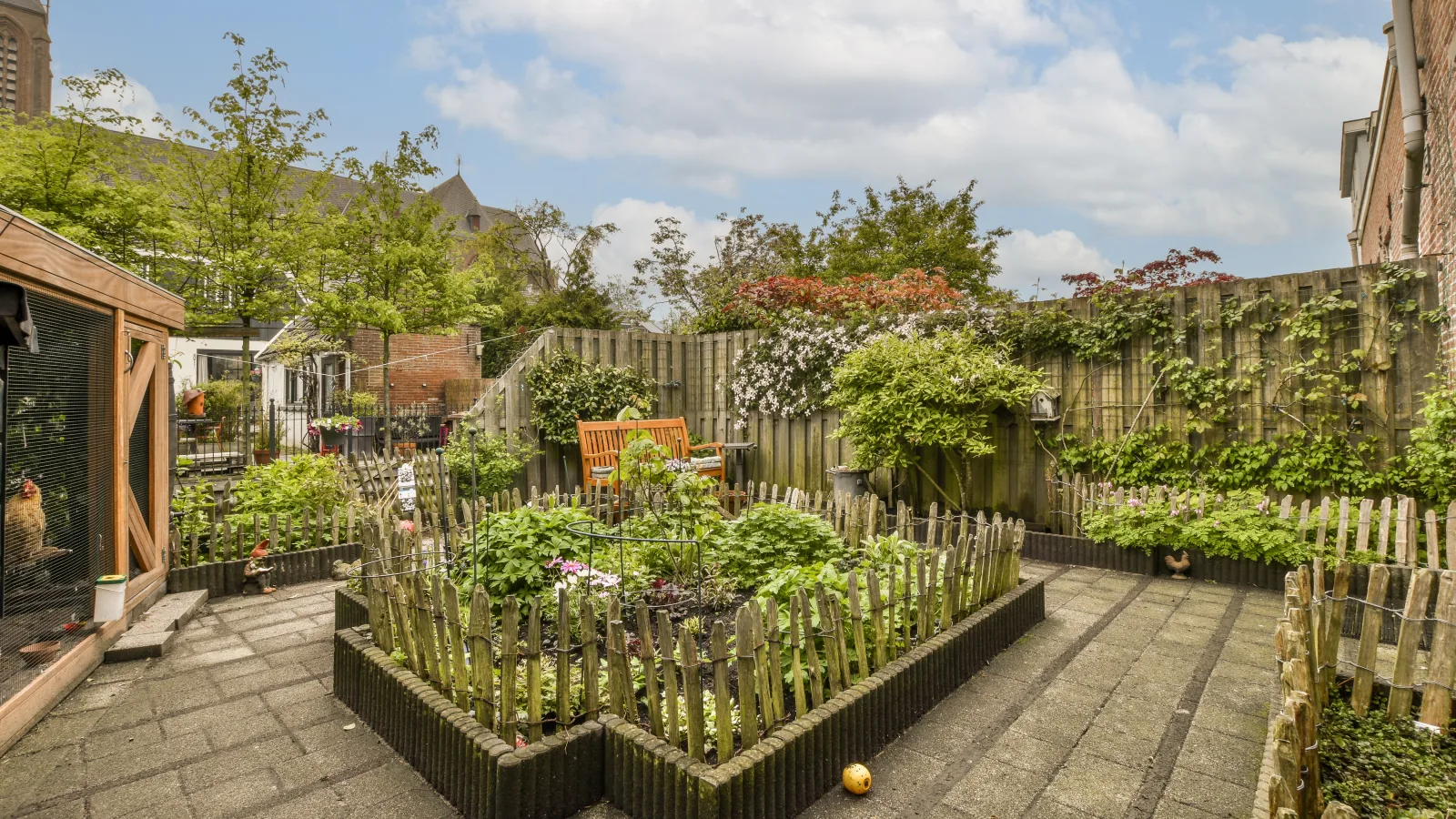
The Season the Pill Packet Thins Out — and What Garden Vegetables Fill In
A year-long study of 200 older adults found that ongoing diet and exercise coaching kept people on their medications — and protected their kidneys. The foods that went up on their plates are the ones already growing in a summer garden.
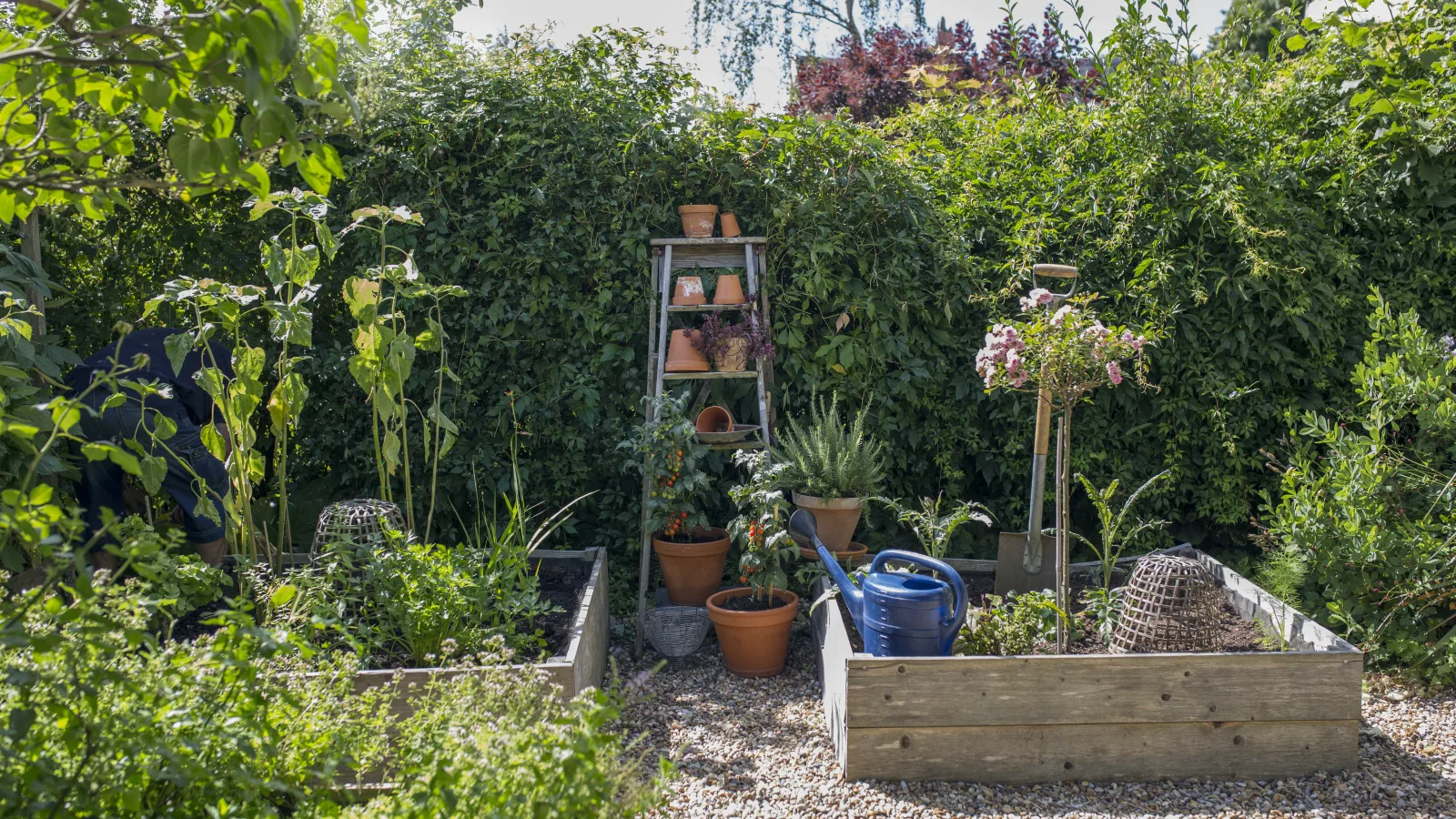
Gardening While Pregnant: How Much to Move, and What to Eat
A study of more than a thousand new mothers found that the most active women ate more produce — but also more sweets and fast food. And the lowest rate of preterm birth showed up not in the most active group, but in the one just above the middle.
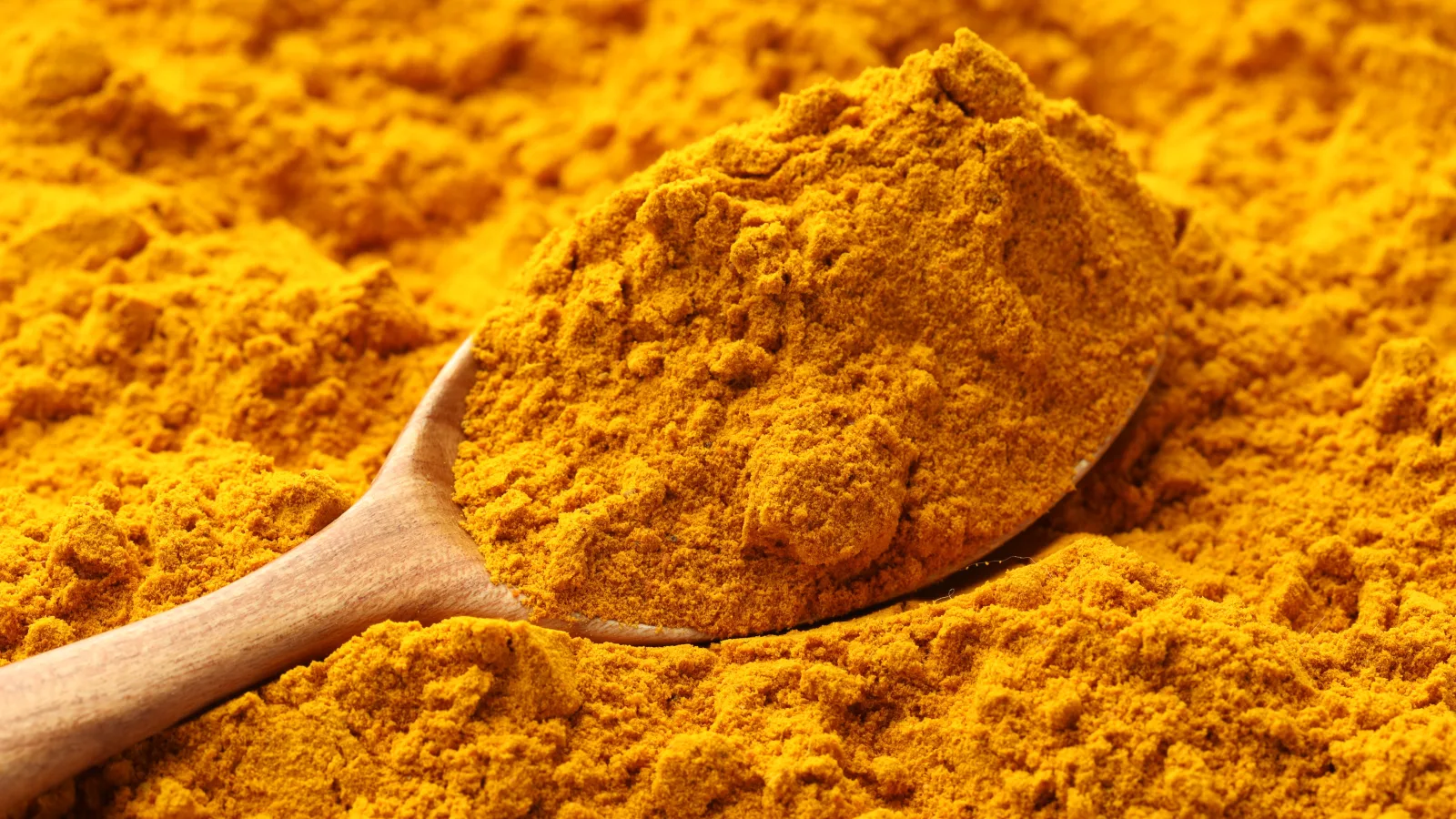
Sore After a Day in the Garden? Could Homegrown Turmeric Help?
A weekend of turning over garden beds can leave you stiff and sore the next morning. Could the turmeric growing in the corner of your plot help you bounce back? A 2026 review of fifteen clinical trials found the most consistent benefit in easing oxidative stress—though the evidence is still thin—along with a few simple ways to enjoy your harvest.
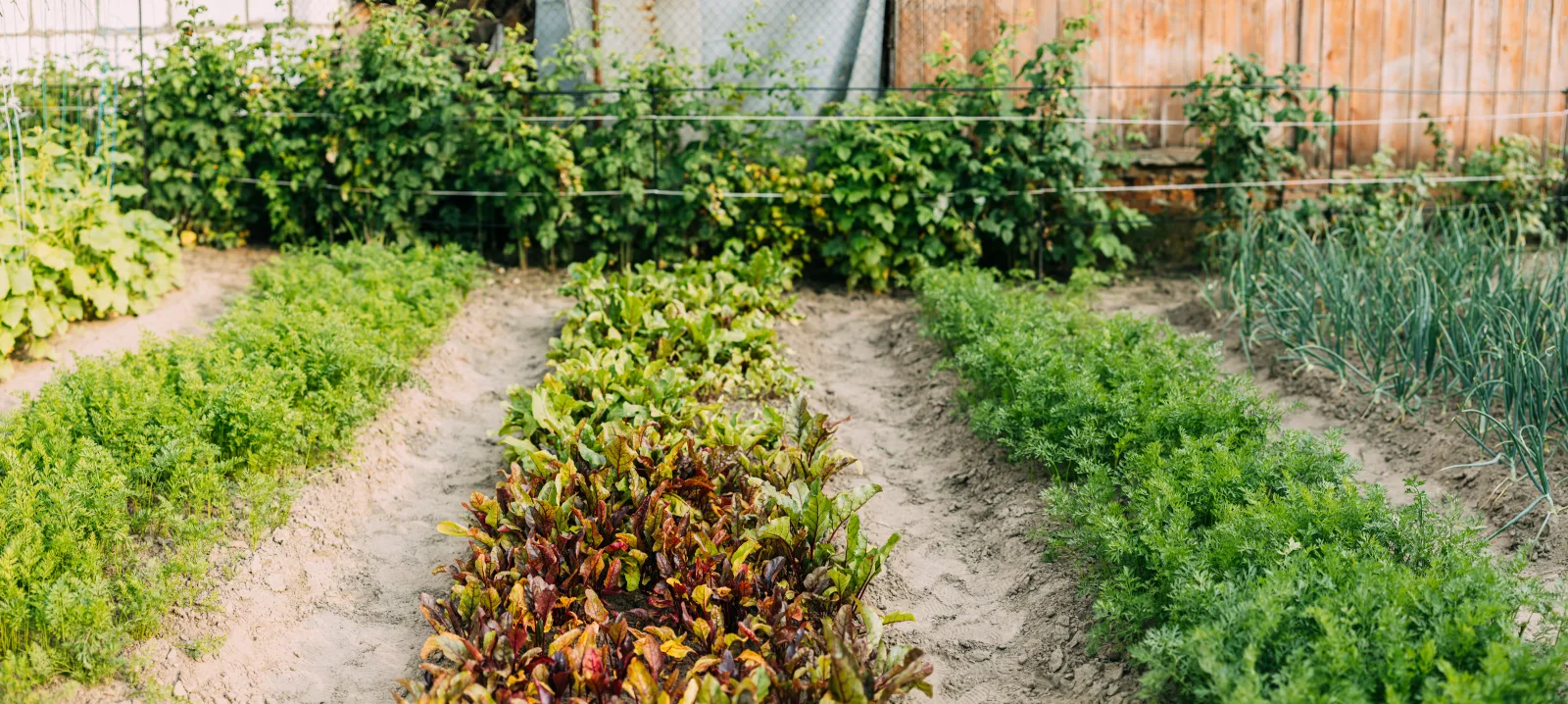
The June Garden: Five Crops It's Not Too Late to Plant
June in the garden has a quiet urgency to it. With the monsoon rains around the corner, it's tempting to think you've missed your chance, but you haven't. The trick is simply choosing the right crops, and these five will still reward a June sowing.
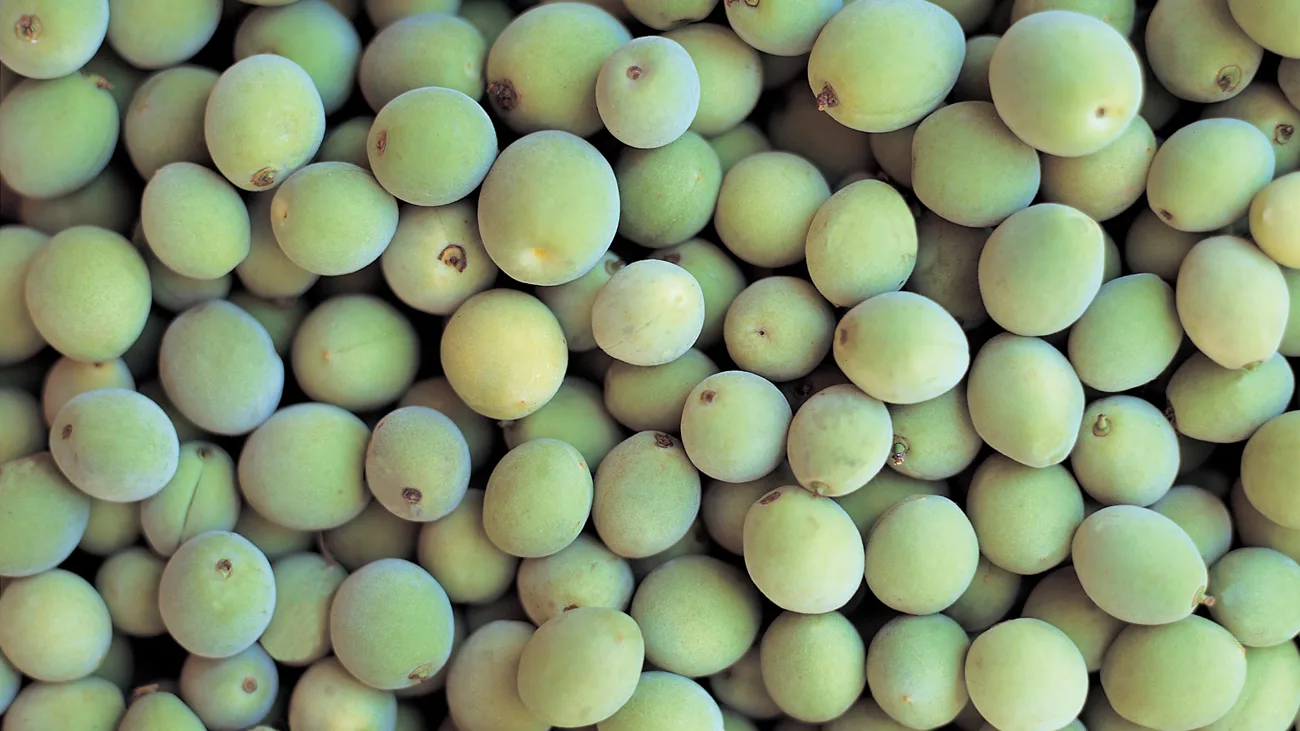
June's First Project: Making Green-Plum Syrup
For about a month each June, firm green plums fill the markets. Layer them with sugar now, and a hundred days later you'll have a jar of homemade maesil-cheong (green-plum syrup) to sip through the heat of summer.
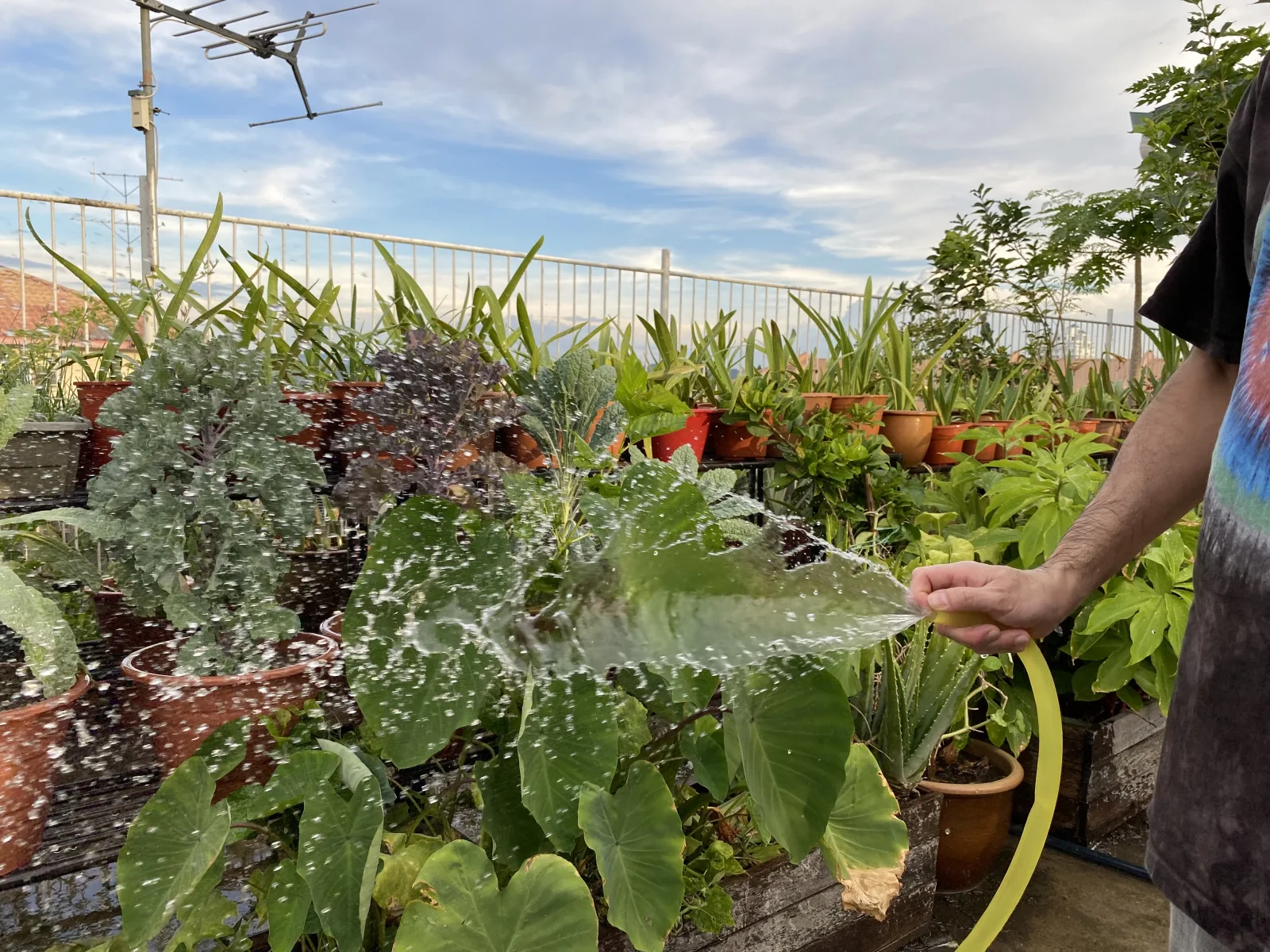
Summer Watering: It's About Timing, Not Frequency
As June's long, heavy sun bakes the soil dry, it's tempting to reach for the watering can again and again. But when you water matters more than how often — the same cupful of water leaves a very different amount behind depending on the hour you pour it.
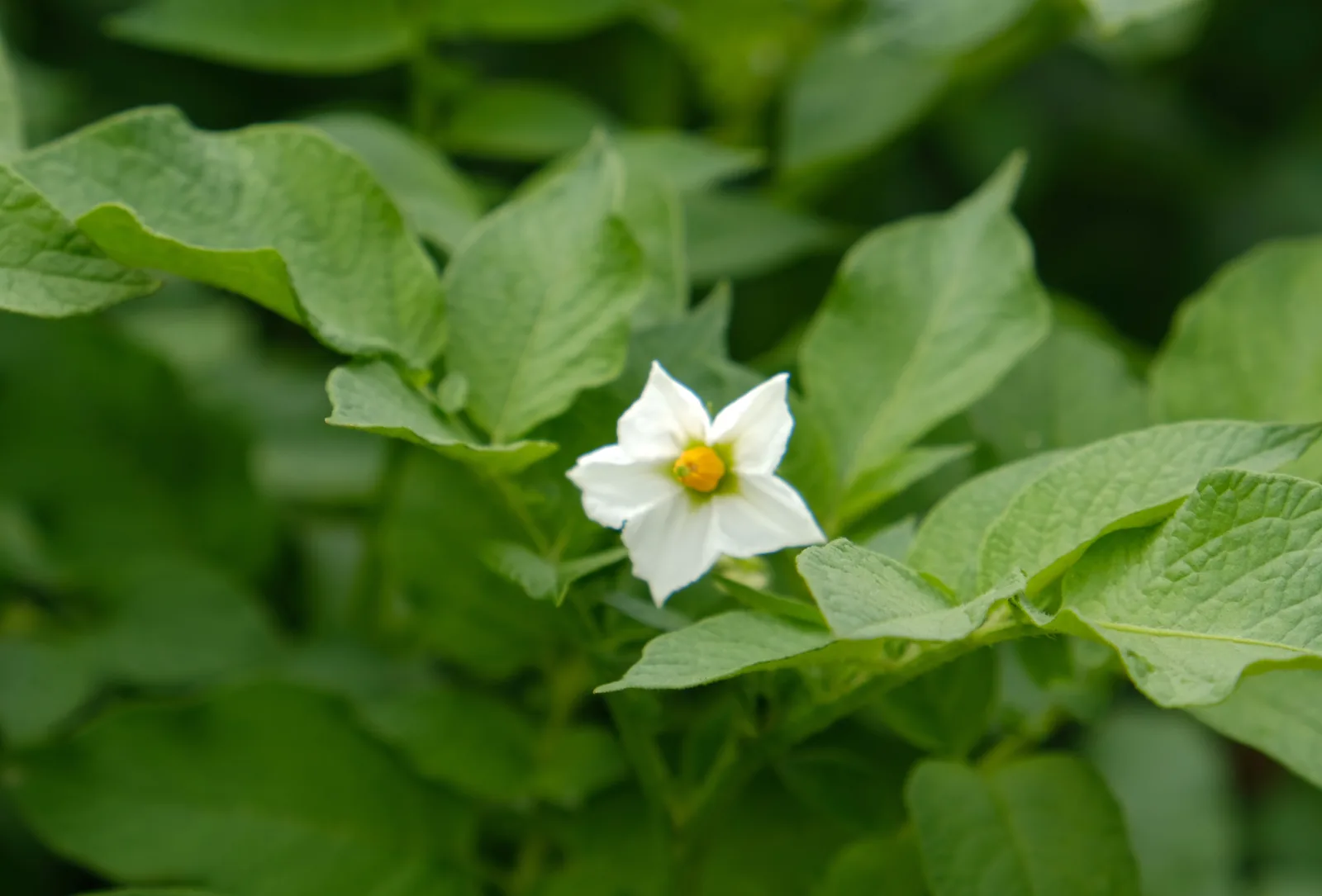
When Potatoes Bloom, the Harvest Is Near
In June, the potato patch is the first thing to catch your eye, with white or pale-purple flowers rising on knee-high stems. The blooms aren't just pretty: they're the earliest sign that the tubers underground are starting to swell and harvest time is approaching.
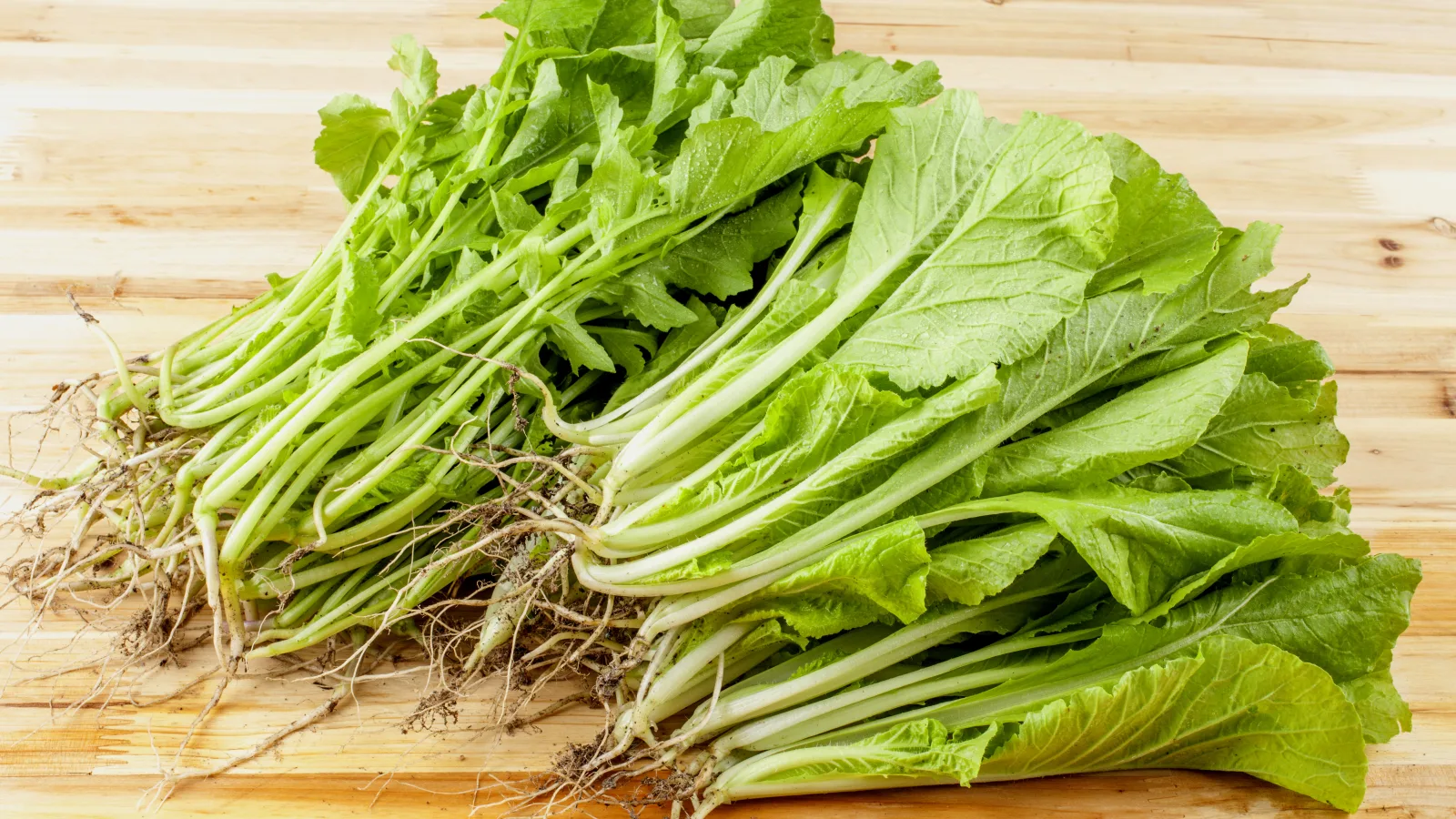
Early-Summer Yeolmu: Half the Crop Is in the Thinning
A week after you sow yeolmu (young summer radish), the seedlings come up shoulder to shoulder—and that crowd is exactly the problem. Thinning them in two rounds is what gives the survivors room to grow broad leaves and straight roots.