
Homiclub — Urban gardening, one pot at a time
Where Does Asafoetida Go? Pairing It with Beans, Lentils, and Cumin
Asafoetida, known in India as hing, has long replaced onions and garlic in Indian vegetarian kitchens. Here's how to bloom it in oil and pair it with cumin, turmeric, and the beans from your garden.
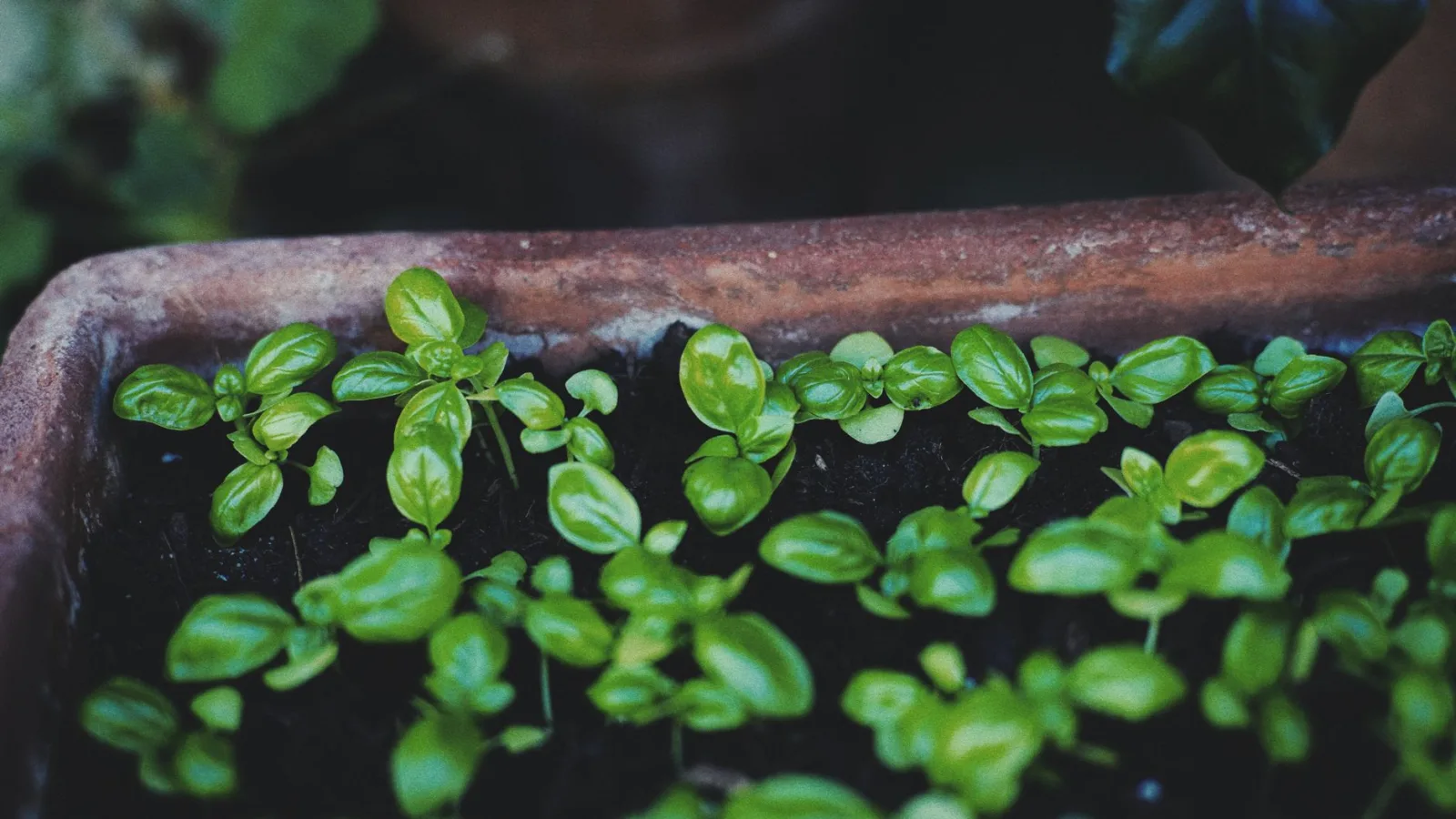
Is the Basil in That Health Study the Same as the Basil in Your Pot?
Many claims about basil's health benefits rest on studies of holy basil extract, not the sweet basil growing on your balcony. Here's how to tell the two apart in research, what's actually known about sweet basil leaves, and how to eat them to get the most out of them.
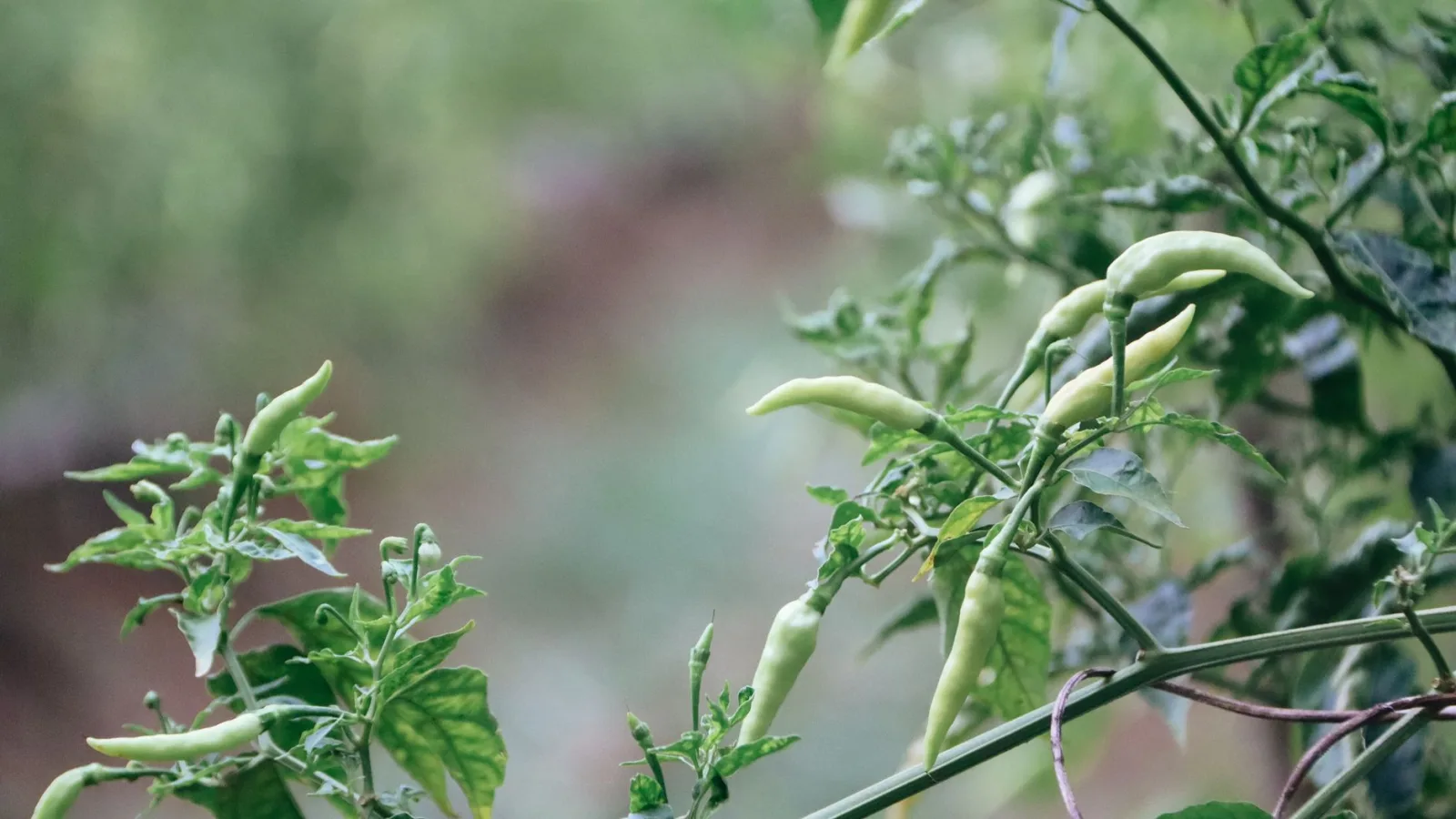
The Microbes Inside Pepper Roots That Help Fight Disease
Why does one pepper plant succumb to bacterial spot while its neighbor thrives? New research points to a bacterium living inside the plant that both suppresses the pathogen and primes the pepper's natural defenses.

Drying Fall Squash? 60°C Kept the Most of Its Orange Pigments
A study that dried small moranga squash at four temperatures found that 60°C preserved the most carotenoids, the pigments behind that deep orange flesh. Here's how to use the finding with your own fall harvest.
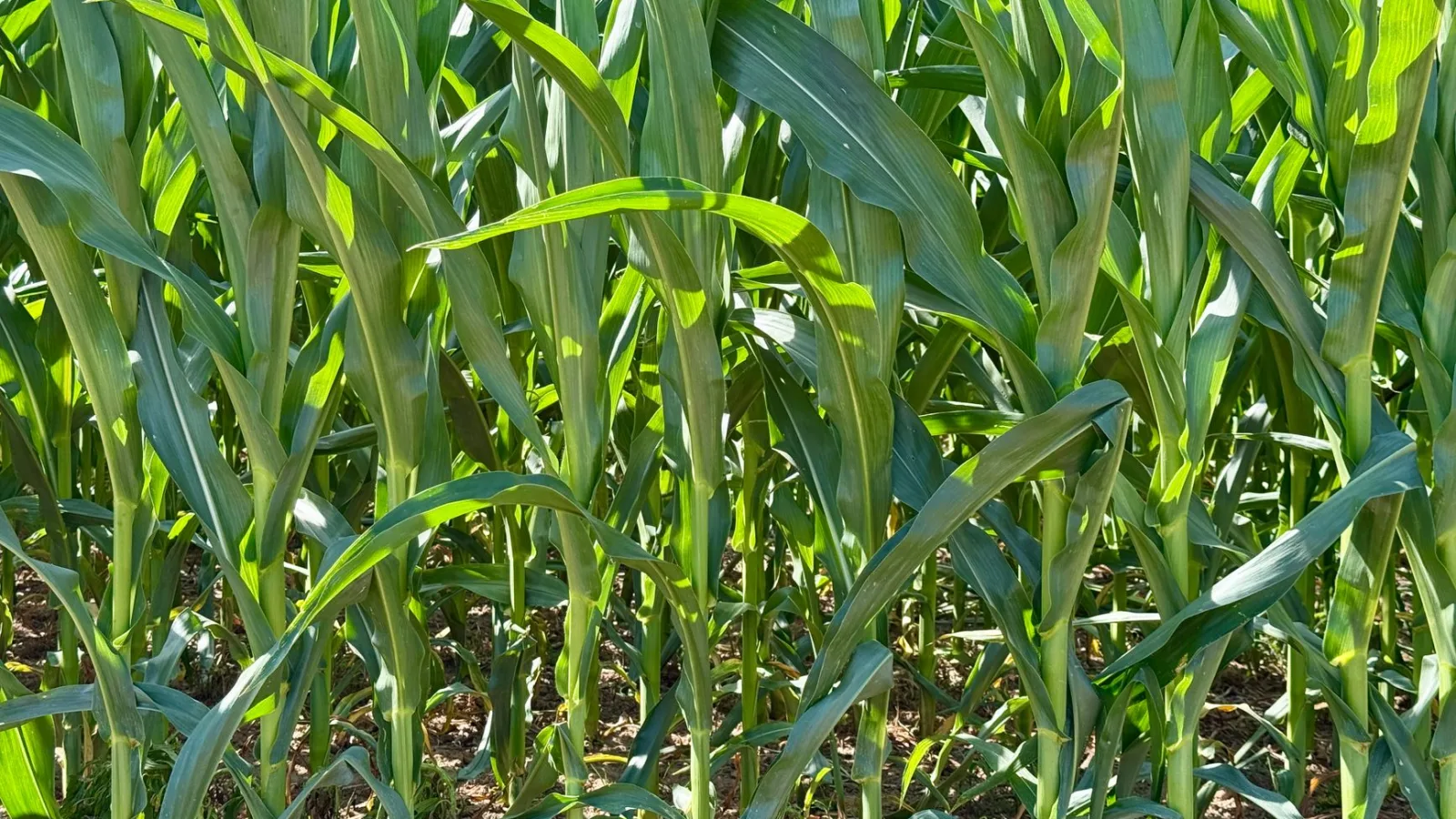
Why Your Steamed Corn Needs a Handful of Beans
Corn is easy to grow and generous at harvest, but on its own it leaves gaps in your diet. Here's how the ancient Maya filled them, and how you can do the same with the corn from your garden.
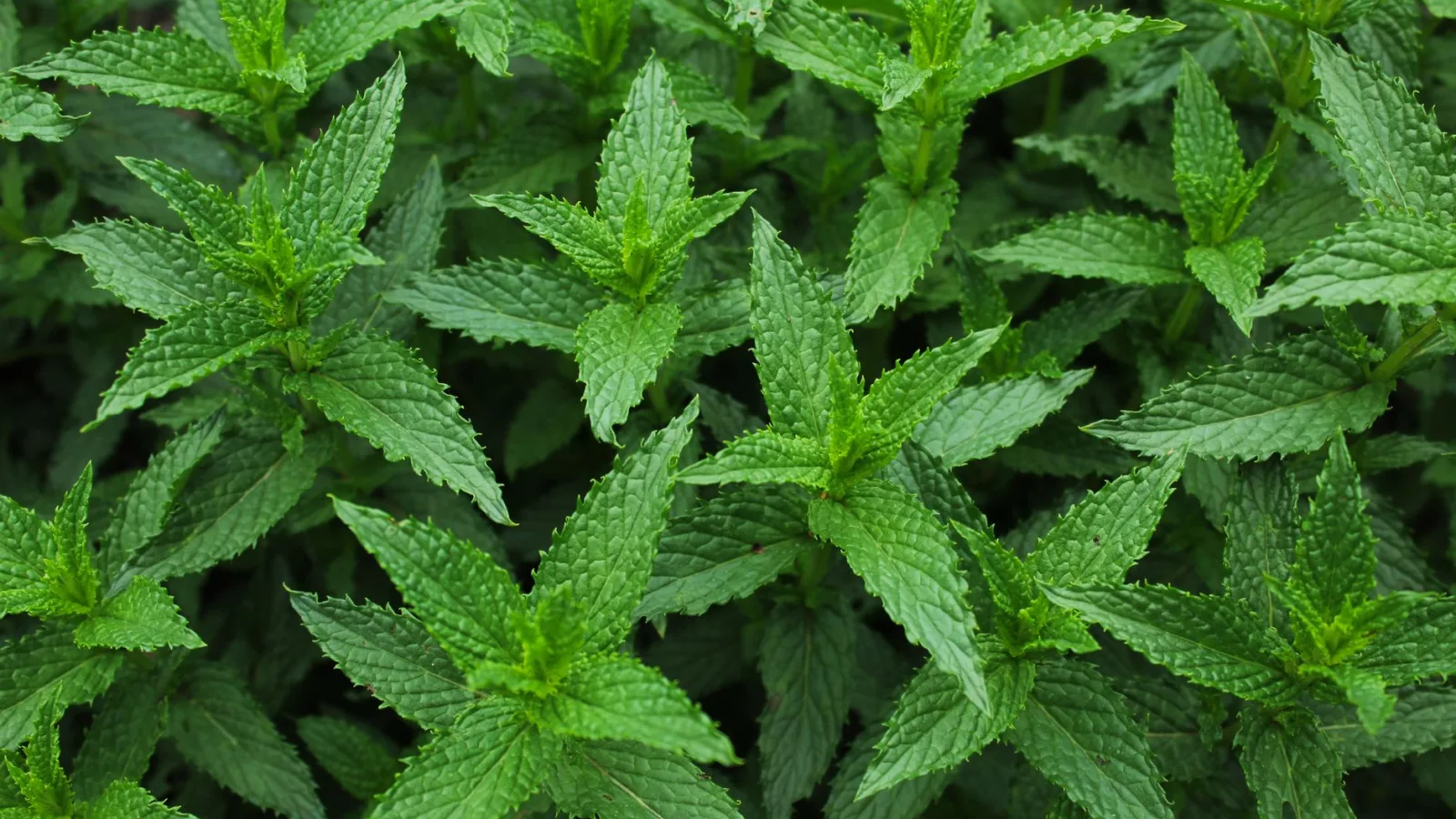
Same Spearmint, Different Scent: Here's Why
A study that grew spearmint from eight Iranian regions in one field found striking differences in yield, essential oil, leaf compounds, and even chromosome number. Here's what that means for the mint on your balcony.
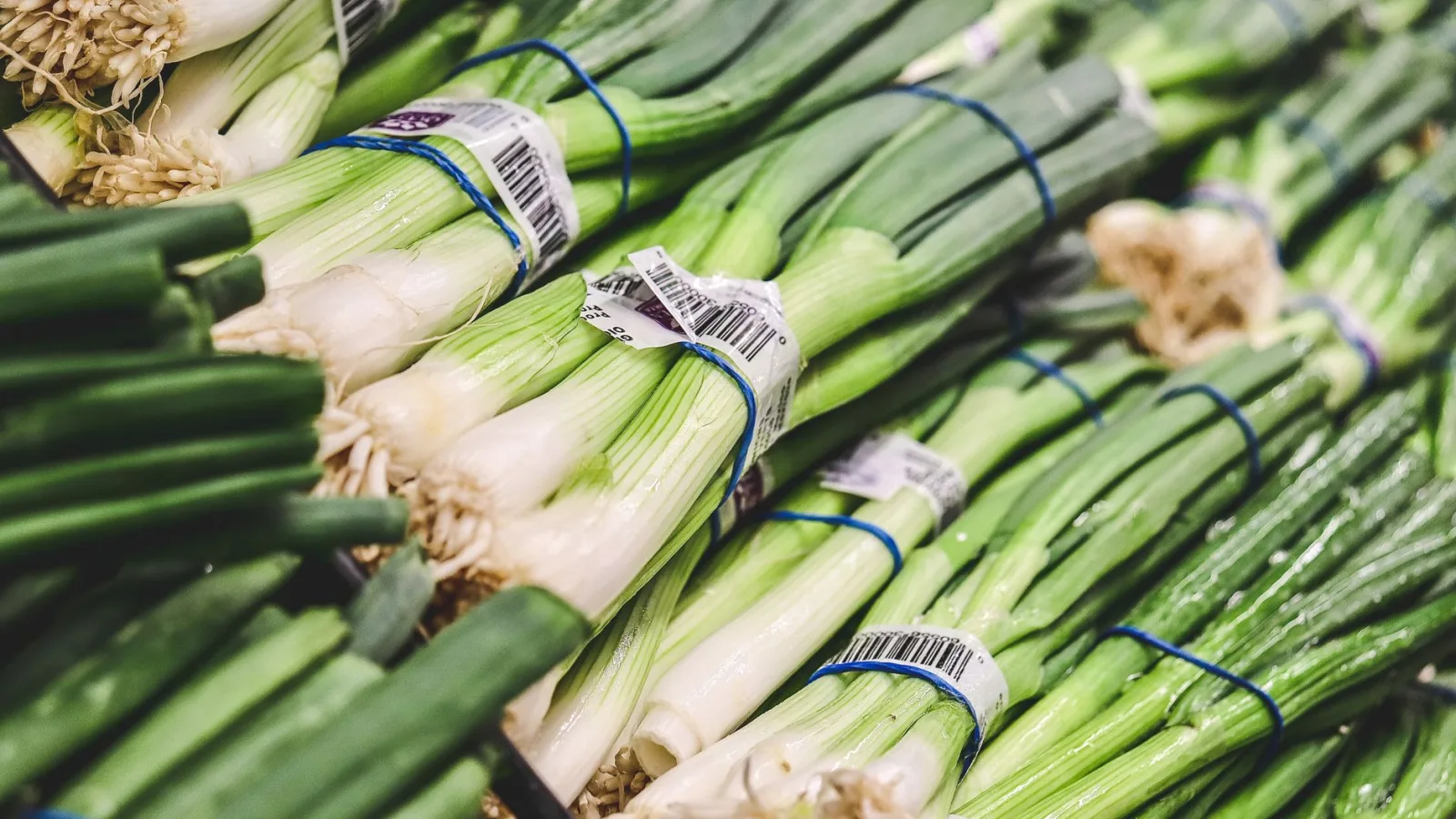
Bloated After Every Meal? What Your Herb Garden Can Do
If even a small meal leaves you bloated and gassy, small intestinal bacterial overgrowth (SIBO) may be the reason. Here's what the condition is and how garden herbs like mint and oregano can support medical care.
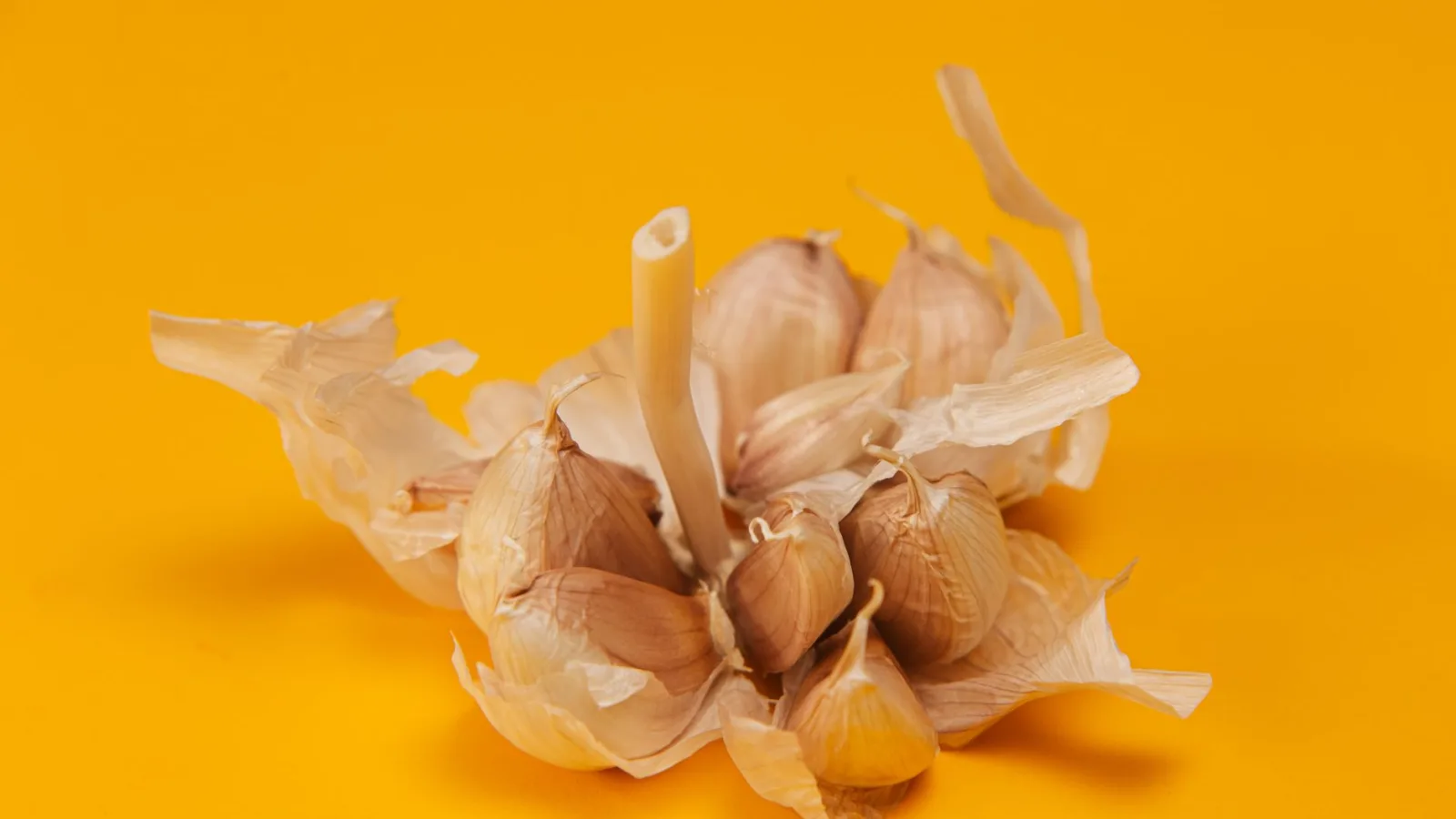
Is Garlic Good for Your Blood Pressure? The Studies Were Testing Supplements
Garlic's reputation for heart health comes mostly from trials of supplements and standardized extracts, not the cloves in your stir-fry. Here's what the research does and doesn't show, and why mincing your garlic matters more than you might think.
Sesame's Health Benefits: What We Can Say So Far
Trials of sesamin supplements have hinted at lower cholesterol and blood pressure, but those results don't carry over to a sprinkle of seeds. Here's what sesame reliably does, and how to make the most of it in your kitchen.