

- Type
- Alliums
- Difficulty
- Moderate
- Season
- Year-round
- Sowing
- Transplant
Onion
Allium cepa
Quercetin — a pungent bulb of layered scales
Quercetin gathers near the outer layers of an onion, so it pays not to peel away too many skins. The sting in your eyes when you slice one comes from sulfur compounds formed by the enzyme alliinase; cook the onion and that sharpness burns off, leaving sweetness behind. Onions are an overwintering crop: seed is sown in September, the seedlings go out in October and November, and the bulbs are lifted the following May or June.
Year-Round Calendar
- 1
- 2
- 3
- 4
- 5
- 6
- 7
- 8
- 9
- 10
- 11
- 12
- 9
- 10
- 11
- 5
- 6
Where It Grows
- Main producer The world's largest producer. Shandong, Gansu and Inner Mongolia are the main areas.
-
Main producer
Nashik in Maharashtra is the centre, and it moves a large share of the world's export volume. The crop is split into the rabi season, harvested in spring, and the kharif season, harvested in early winter. Harvest March, April, May, November, December
- 3
- 4
- 5
- 11
- 12
-
Major producer
Grown on irrigated land in the Nile Delta and Upper Egypt, wintered over and harvested in spring. Harvest March, April, May
- 3
- 4
- 5
- Major producer The dry irrigated lands of Washington, Oregon and Idaho are the centre of storage-onion production.
- Major producer Grown on the dry high plateau of central Anatolia.
-
Major producer
It moves the world market through storage and export rather than through production volume. The crop is harvested in late summer and released through to the following spring. Harvest August, September
- 8
- 9
The onion comes from the dry uplands stretching from Central Asia into West Asia, and since no single country can be named as its origin, no country-of-origin row has been given here. It was already long cultivated in Egypt and Mesopotamia, and today it is grown across the temperate and subtropical world. It reached Korea in the early twentieth century. Because the growing regions span many latitudes of the northern hemisphere, the harvest runs from spring in Egypt and India through to late summer in Europe — which is why onions are on the market year-round.
- Optimum
- 15~20℃
- Range
- 5~25℃
- Hardiness
- Half-hardy
- Day length
- Long-day
Onion leaves grow best in cool conditions, at 15~20℃, but the bulb swells later — in late spring, as the days lengthen and temperatures climb to 20~25℃. The day length that triggers bulbing varies by cultivar: some respond at around 12 hours, others only once the day passes 14 hours. Sown too early in autumn, the plant goes into winter as a large clump, then sends up a flower stalk in spring and the bulb fails to size up.
In Korea Central Korea and south
Seed is sown in September and raised as seedlings, then transplanted into the field in October~November, where the plants overwinter (pass the winter in the ground) as they are. The main growing areas are Muan and Sinan in South Jeolla, Buan in North Jeolla, Changnyeong in South Gyeongsang, and Jeju. Where the ground freezes deep, the roots lift over winter, so plastic film cover is needed from the central region northwards.
- 9
- 3
- 4
- 5
- 9
- 10
- 5
- 6
How to grow
- Light
- Somewhere sunny
- Soil and depth
- 25cm deep
- Spacing
- 15cm
- Watering
- Moderate; stop a fortnight before lifting
- Feeding
- At planting and once in early spring
- Harvest
- When about half the tops have fallen over. Lift and dry for a few days
What makes the difference. Set plants in September or October to overwinter. Too early and they bolt in spring and never bulb
Common problems
- Downy mildew You will see Vague patches on the leaves, then dieback What to do Drainage and airflow
This page describes how a crop is grown and used. It does not claim health effects for any food, nor is it intended to prevent or treat disease. Component and study notes are references only and do not mean the same result occurs in people. Consult a medical professional about health concerns.
Health Benefits
Today's view — quercetin. Compositional analysis confirms that quercetin sits concentrated in the skin and outer scales, and that onion ranks high among vegetables for its content. The antioxidant activity has been observed under laboratory conditions, and it does not bear on the prevention or treatment of disease.
Today's view — organosulfur compounds. When an onion is cut, the enzyme alliinase acts and organosulfur compounds form; these are the source of the pungency and of the sting in the eyes. That is as far as the established account goes.
Today's view — supplement studies. A number of clinical studies and meta-analyses of quercetin supplements have been reported. These used supplements, so the conditions differ from eating onion as food, and the findings do not bear on the prevention or treatment of disease.
Today's view — fructans and inulin. It is established that the fructans and inulin in onion pass undigested through the human small intestine and reach the large intestine, where they serve as a fermentation substrate for gut bacteria. Responses vary from person to person, and some people get gas from them.
Nutrition
- Quercetin (Concentrated in the skin and inner skin layers) — A yellow-toned flavonol pigment
- Sulfur compounds (The source of the pungent flavor) — Behind the sharp smell released when an onion is cut
Quercetin A flavonol concentrated in the skin and outer scales, placing onion high among vegetables for quercetin content. Antioxidant activity has been observed for it under laboratory conditions, and what is established goes as far as its content and distribution.
Organosulfur compounds When an onion is cut the enzyme alliinase acts, and organosulfur compounds such as dipropyl disulfide are formed. These belong to the same family of Allium sulfur compounds as garlic, but differ in type and concentration, producing the sweetness and pungency distinctive to onion.
Fructans & inulin The fructans and inulin abundant in onion are fermentable dietary fibers that pass undigested through the human small intestine and reach the large intestine. They serve as food for gut bacteria, and in some people they bring on gas.
Vitamin C, B6, folate, potassium & manganese Onion contains vitamin C and B6, folate, potassium and manganese in a broad balance. No single nutrient stands out, but onion is used so often as a seasoning and secondary ingredient that cumulative intake runs high.
Cycloalliin One of the sulfur compounds identified in onion. Reports on it remain at the laboratory level and evidence in human subjects is limited, so what can be stated is that the compound is present.
Anthocyanins The pigments that give red onion its deep color. Among onions, red varieties carry a higher polyphenol content than common ones, so the deeper the color, the higher the density of these compounds.
Pairings
○ Beef, pork, and chicken — Onion is a seasoning staple that tames the off-odors of meat and aids protein digestion. Onion, garlic, and ginger are the holy trinity of Korean cooking seasonings, balancing flavor and nutrition in nearly every meat dish.
○ Olive oil and sesame oil — Some of the onion's quercetin and sulfur compounds are fat-soluble, so cooking with olive or sesame oil improves their absorption. This is exactly why sauteed or grilled onions deliver more nutrients than raw onion.
○ Garlic — Onion and garlic both belong to the allium family, so they create a synergy of sulfur compounds and quercetin. Seasoning that combines the two appears in traditional dishes across nearly every culture, making it a universal pairing. Garlic
○ Tomato and bell pepper — Adding tomato and bell pepper to onion creates antioxidant-rich combinations like Mediterranean ratatouille or salsa. Lycopene, carotenoids, and quercetin come together in one dish for strong antioxidant activity. Bell Pepper (Paprika) · Tomato
○ Mushrooms — Sauteing onion with mushrooms triggers an umami synergy between glutamic acid and inosinic acid. The savory depth of the two ingredients combines to give vegetarian dishes a rich flavor without any meat.
○ Vinegar and lemon — Marinating onion in vinegar or lemon mellows its sharpness while adding vitamin C. The acidity smooths out the onion's pungent bite, making raw onion far more enjoyable to eat.
△ IBS and FODMAP sensitivity — Onions are rich in fructans, which puts them squarely in the high-FODMAP category. People with irritable bowel syndrome or FODMAP sensitivity should go easy on raw onion, or cook it to make it easier to tolerate.
△ Sensitive stomach — People with weak digestion should avoid eating large amounts of raw onion. Its pungent compounds can irritate the stomach lining, so it's safer to cook onions until soft and mellow.
△ Blood-thinning medication — Cycloalliin and quercetin in onions have anti-clotting effects, so patients on anticoagulants should avoid eating them in large quantities. Normal dietary amounts pose little concern, but onion extracts in supplement form call for medical advice.
Varieties
- Early-maturing type (jo-saeng) (Seedling transplanting) — Grown in the far south and on Jeju, lifted in April or May. Mild and juicy, keeps poorly.
- Mid-to-late type (jungman-saeng) (Seedling transplanting) — The main June-harvest group, firm-bulbed. Cured and hung in shade, it keeps all winter.
- Red onion (jasaek yangpa) (Seedling transplanting) — Purple skin and purple rings inside, crisp flesh. Colour fades when cooked, so use it raw.
Source: Food and nutrition references
Stories about Onion
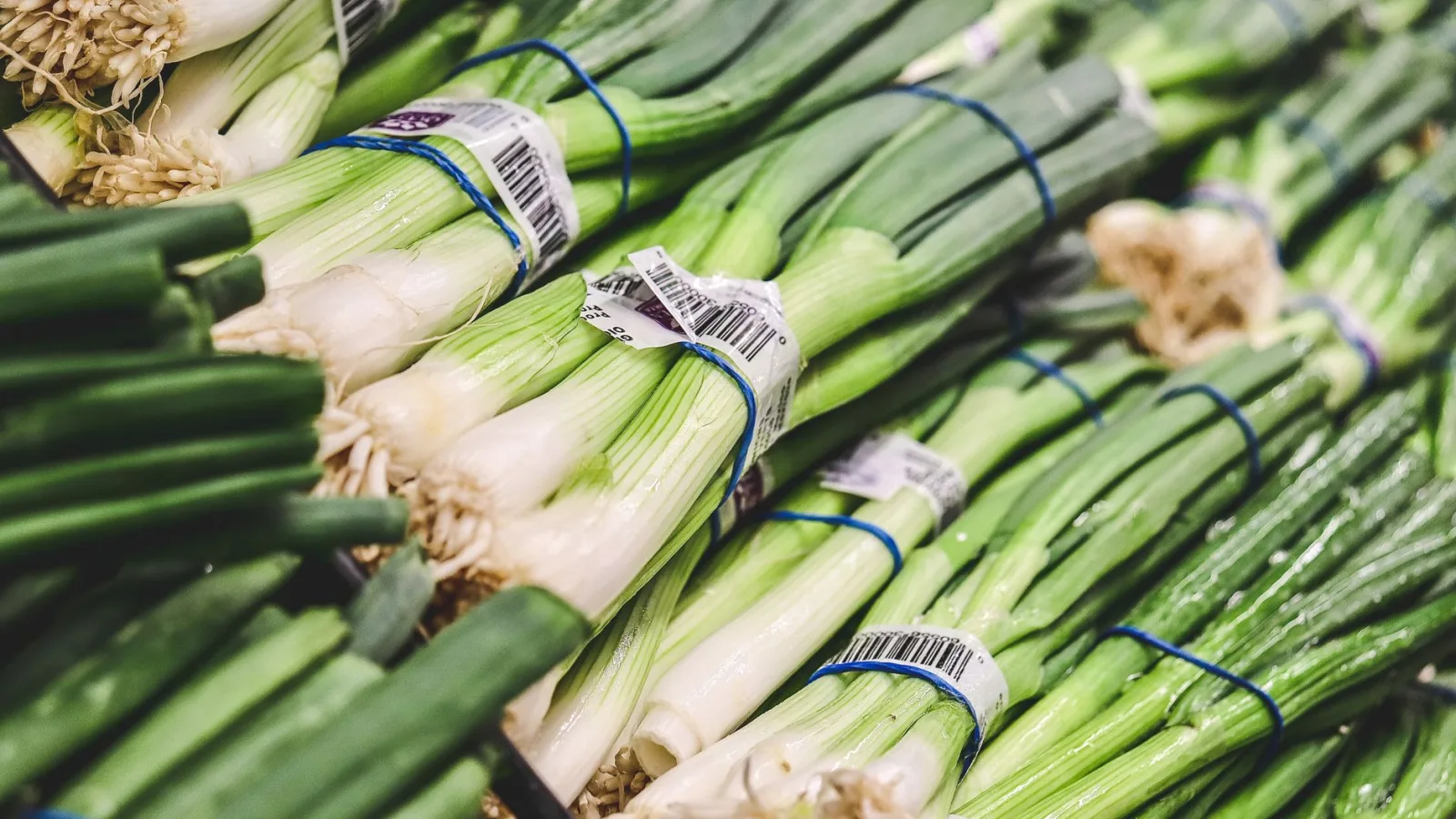
Bloated After Every Meal? What Your Herb Garden Can Do
If even a small meal leaves you bloated and gassy, small intestinal bacterial overgrowth (SIBO) may be the reason. Here's what the condition is and how garden herbs like mint and oregano can support medical care.
The Health Benefits of Jjokpa, As Far As We Can Honestly Say
Jjokpa, the small shallot-like scallion grown across Korea, Japan, and China, asks almost nothing of a gardener — but the clinical evidence people cite for it was largely collected on garlic and onions, often as concentrated supplements. Here's what's confirmed, what isn't, and how to cook it so you keep the aroma and the vitamins.
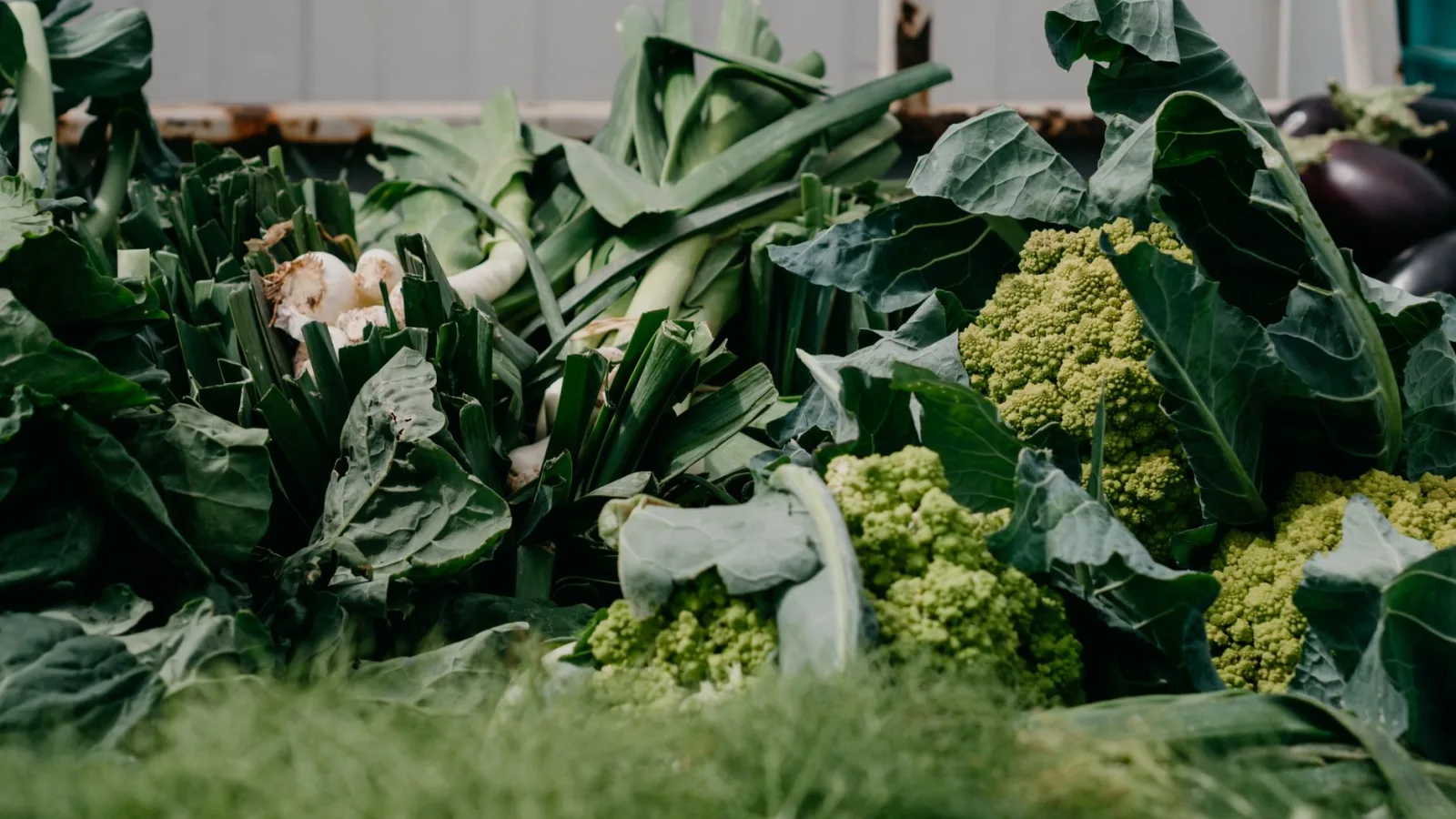
Quercetin from Onions and Broccoli Shows Up in Lung Cancer Research
A computer-modeling study found that a form of quercetin, a compound in onions, broccoli, and apples, attached firmly to seven proteins linked to lung cancer. It hasn't been tested in a lab yet, but it's still a good reason to change how you prepare what you grow.
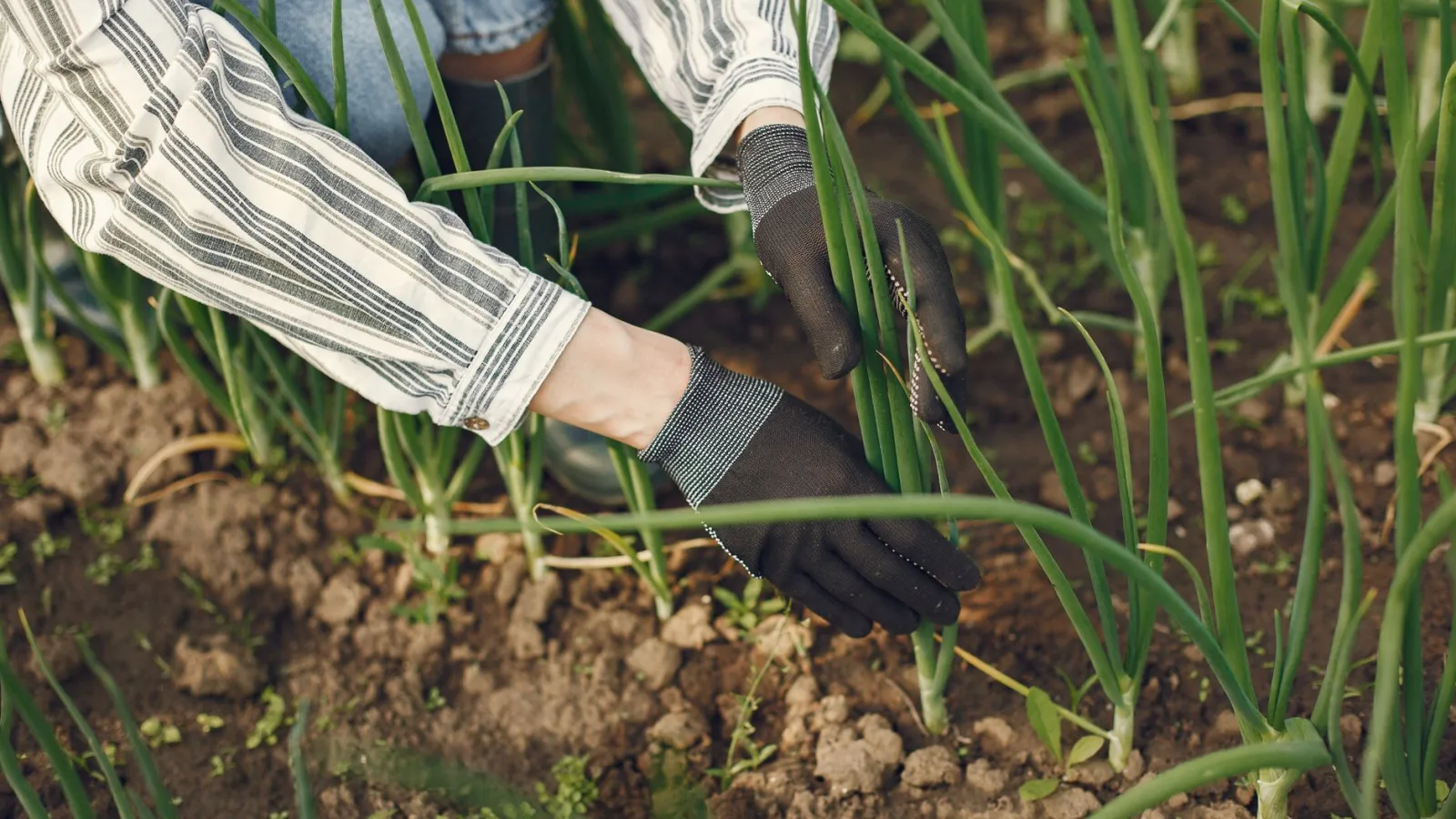
Planted Three Times a Year: What the Soil Held Two Meters Down
A study in India's Terai region sampled soil down to two meters and found that fields cropped three times a year held more than 1.5 times the organic carbon of fields planted only once. The takeaway for a home garden: keep something rooted in the bed.