
Tangaek — Decoctions · Fruits
木瓜 Chinese Quince
 Related Crop · Chinese Quince →
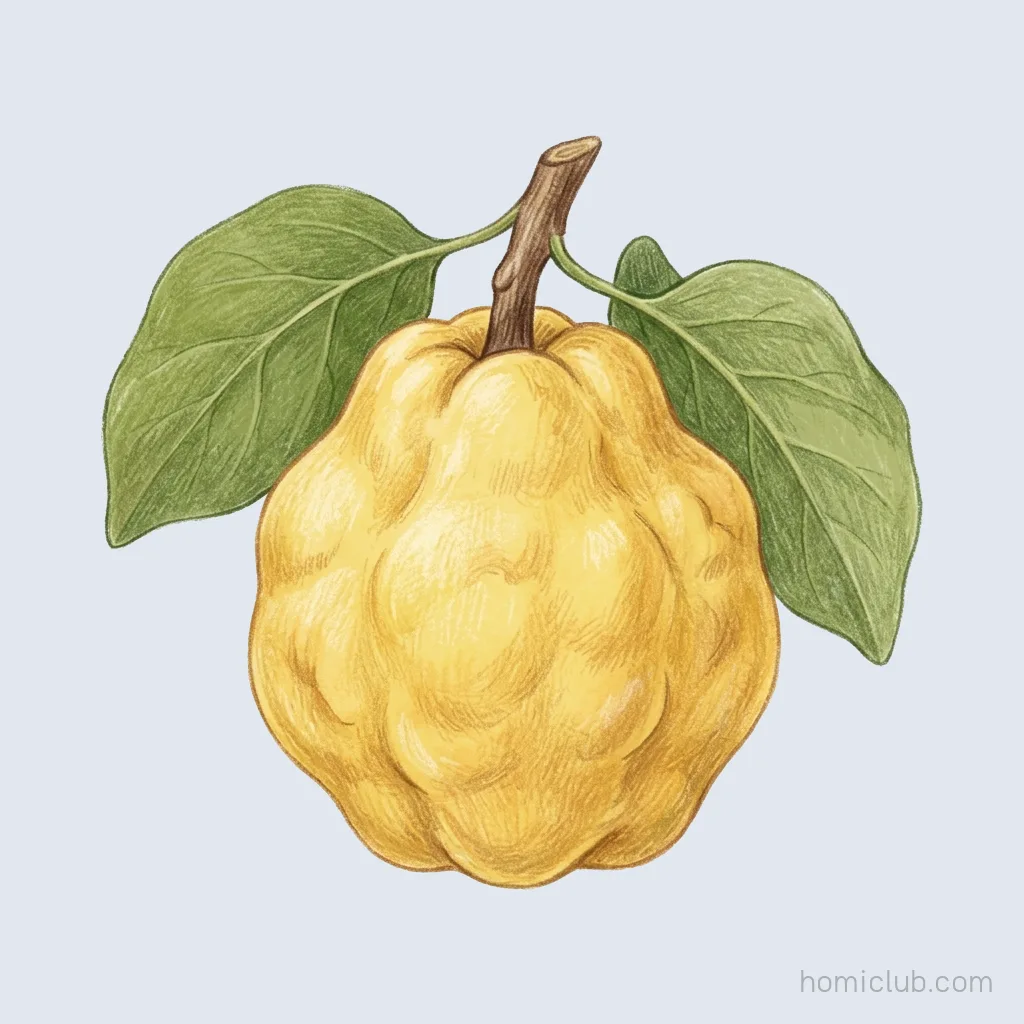
Mogwa is the fruit of the Chinese quince, a rose-family tree, and it is the same mogwa listed in the crop guide. Hard and intensely fragrant, it is steeped as quince tea or layered with sugar into a syrup. The Donguibogam told readers to keep iron away from it and to pare the skin and seeds with a copper knife before slicing and drying.
Original, read line by line 東醫寶鑑 · Tangaek — Decoctions vol. 2
-
性溫, 味酸, 無毒. 主霍亂大吐下, 轉筋不止.
Its nature is warm, its taste sour, and it is non-toxic. It addresses violent vomiting and diarrhea from gwallan, with unceasing cramping of the sinews.
HomiclubMogwa is the fruit of the Chinese quince, a rose-family tree. Lumpy, rock-hard, and strongly perfumed, it is put up today as quince syrup and steeped as tea.
-
消食, 止痢後渴. 治奔豚及脚氣, 水腫, 消渴, 嘔逆, 痰唾. 强筋骨, 療足膝無力.
It digests food and stops the thirst that follows dysentery. It treats bundon (奔豚, running piglet qi) and gakgi (脚氣, leg qi), water swelling, wasting thirst, retching, and phlegm and drool. It strengthens sinew and bone and treats weakness in the feet and knees.
-
生南方, 其樹枝狀如柰, 花作房生子, 形如瓜蔞. 火乾甚香, 九月採.
It grows in the southern regions; its branches look like those of a crab apple, and its flowers form chambers that bear fruit shaped like a snake gourd. Dried over fire it is intensely fragrant, and it is gathered in the ninth month.
-
實如小瓜, 醋可食. 然不可多食, 損齒及骨.
The fruit is like a small gourd and, being sour, can be eaten. Yet it should not be eaten in quantity, for it harms the teeth and bones.
-
此物入肝, 故益筋與血.
This thing enters the liver, and therefore it augments the sinews and the blood.
-
勿令犯鐵, 用銅刀削去皮及子, 薄切暴乾.
Do not let iron touch it; pare away the skin and seeds with a copper knife, slice thin, and dry in the sun.
HomiclubThe warning against iron likely reflects the way the fruit's acids and tannins react with it, darkening color and flavor. Cooks still reach for stainless steel or glass when putting up quince syrup.
-
木瓜得木之正, 故入筋. 以鉛白霜塗之, 則失酸味, 受金之制故也. 《本草》
Mogwa has received the correct qi of wood, and so it enters the sinews. Coated with yeonbaeksang (鉛白霜, lead white), it loses its sour taste, because it is then subdued by metal. 《Boncho (本草)》
-
木實如瓜, 良果也. 入手, 足太陰經, 益肺而去濕, 和胃而滋脾. 《入門》
A tree fruit shaped like a gourd, it is a fine fruit. It enters the hand and foot taeeum channels, augments the lung and removes damp, harmonizes the stomach and moistens the spleen. 《Immun (入門)》
Related Crop
Chinese Quince →
Fruits — more entries
This is a cultural and historical record from a classical text, not a claim about any food’s effects. Nothing here is a health supplement or intended to prevent or treat disease. Consult a medical professional about health concerns. · Text: Korean Medicine Classics DB · Reading: Homiclub