Tangaek — Decoctions · Fruits

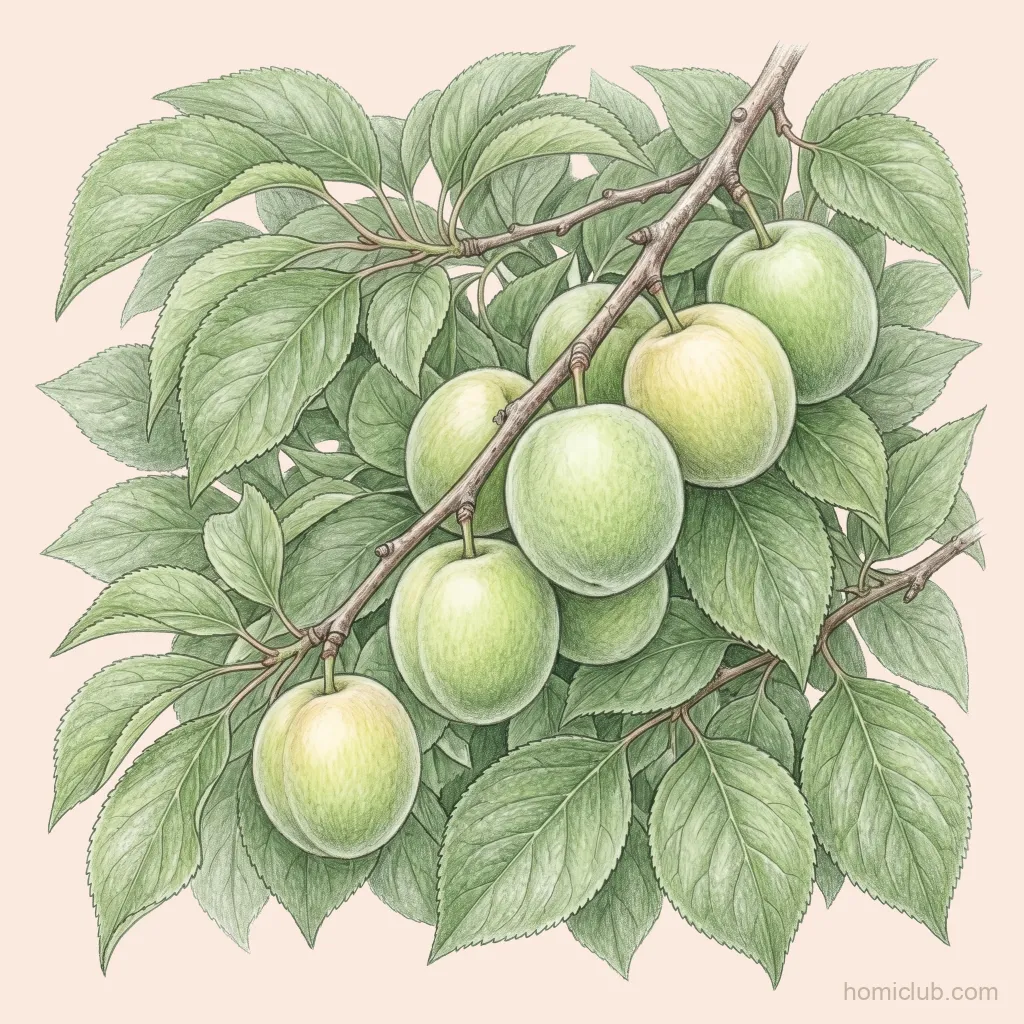
梅實 매실 (매실)

Original, read line by line 東醫寶鑑 · Tangaek — Decoctions vol. 2

  1. 性平, 味酸, 無毒.

    Its nature is neutral, its taste sour, and it carries no toxicity, making it gentle enough for both medicinal and culinary use.

  2. 止渴, 令人膈上熱.

    It quenches thirst well, but it tends to bring heat to the chest, so moderation is wise.

  3. 生南方, 五月採黃色梅實,

    It grows in southern regions, and yellow-ripe plums are gathered in the fifth lunar month, just before the early summer rains.

  4. 火熏乾作烏梅.

    When smoked over a fire until darkened, it becomes ‘omae’ (smoked plum), the blackened form used in medicine.

  5. 又以鹽殺爲白梅.

    Cured with salt to tame its rawness, it becomes ‘baekmae’ (white plum), the ancestor of today’s salted plum pickles.

  6. 又烟熏之爲烏梅. 暴乾藏密器中爲白梅.

    Smoking it once more yields omae, while sun-drying and sealing it in a jar yields baekmae. The same fruit branches into two preparations depending on the craft.

  7. 用當去核, 微熬之.

    For medicinal use, remove the pit and roast it lightly so that the sharp sourness mellows and the active properties draw out smoothly.

  8. 生實, 酸而損齒傷骨, 發虛熱, 不宜多食.

    Raw plums are so sour that they wear down the teeth, weaken the bones, and stir up empty heat, so they should not be eaten in quantity.

  9. 盖人食酸則津液泄, 水生木也.

    When sourness enters the body, fluids are drawn out, for in the five-phase logic Wood feeds on Water, so taking in the sour taste depletes the watery essence.

  10. 津液泄故傷齒, 腎屬水, 外爲齒故也. 《本草》

    Once fluids leak away, the teeth suffer, because the kidneys belong to Water and the teeth are the outward expression of kidney essence. — From the Bencao.

  11. 烏梅

    Now to omae, the smoke-blackened plum—the form most often called for in herbal prescriptions.

  12. 性煖, 味酸, 無毒.

    Its nature is warming, its taste sour, and it carries no toxicity—the cold sourness of the raw fruit having shifted to a gentler, warmer character through smoking.

  13. 去痰, 止吐逆, 止渴, 止痢, 除勞熱骨蒸, 消酒毒.

    It dispels phlegm, settles vomiting, quenches thirst, halts dysentery, relieves the bone-steaming heat of exhaustion, and breaks down the lingering toxins of alcohol—remarkably broad in its uses.

  14. 主傷寒及霍亂燥渴.

    It is considered foremost for the dry thirst that follows a cold-induced fever or the violent purging of cholera-like illness, when the mouth is parched after losing fluids.

  15. 去黑痣, 療口乾好唾. 《本草》

    It removes black moles and soothes the condition of a dry mouth that keeps producing saliva. — From the Bencao.

  16. 白梅

    Now for baekmae, the salt-cured plum, the form closest to the kitchen even as it serves in medicine.

  17. 性煖, 味酸, 無毒.

    Its nature is warming, its taste sour, and it carries no toxicity, the salt having softened the sharp edge of the sourness.

  18. 主金瘡止血.

    Applied to cuts from blades or metal, it stanches bleeding—one reason households of old kept a handful of baekmae on hand for emergencies.

  19. 點痣, 蝕惡肉.

    Dabbed onto moles it wears them away, and it eats back at necrotic flesh—its true face as an external remedy.

  20. 除痰唾.

    It also clears away phlegm and sticky saliva, serving both inside and out.

  21. 水浸爲醋, 和羹臛虀中, 好. 《本草》

    Steeped in water it turns into vinegar, and added to soups, broths, or pickled greens it lifts their flavor—a passage where remedy and food blur together. — From the Bencao.

  22. Finally, the leaves of the plum tree—often overshadowed by the fruit, yet not without their own use.

  23. 濃煎湯, 治休息痢及霍亂. 《本草》

    A strong decoction of the leaves treats chronic, lingering dysentery and cholera-like upset, the leaves covering ground the fruit cannot reach. — From the Bencao.

This is a cultural and historical record from a classical text, not a claim about any food’s effects. Nothing here is a health supplement or intended to prevent or treat disease. Consult a medical professional about health concerns. · Dongui Bogam — Homiclub’s own reading