
Tangaek — Decoctions · Fruits
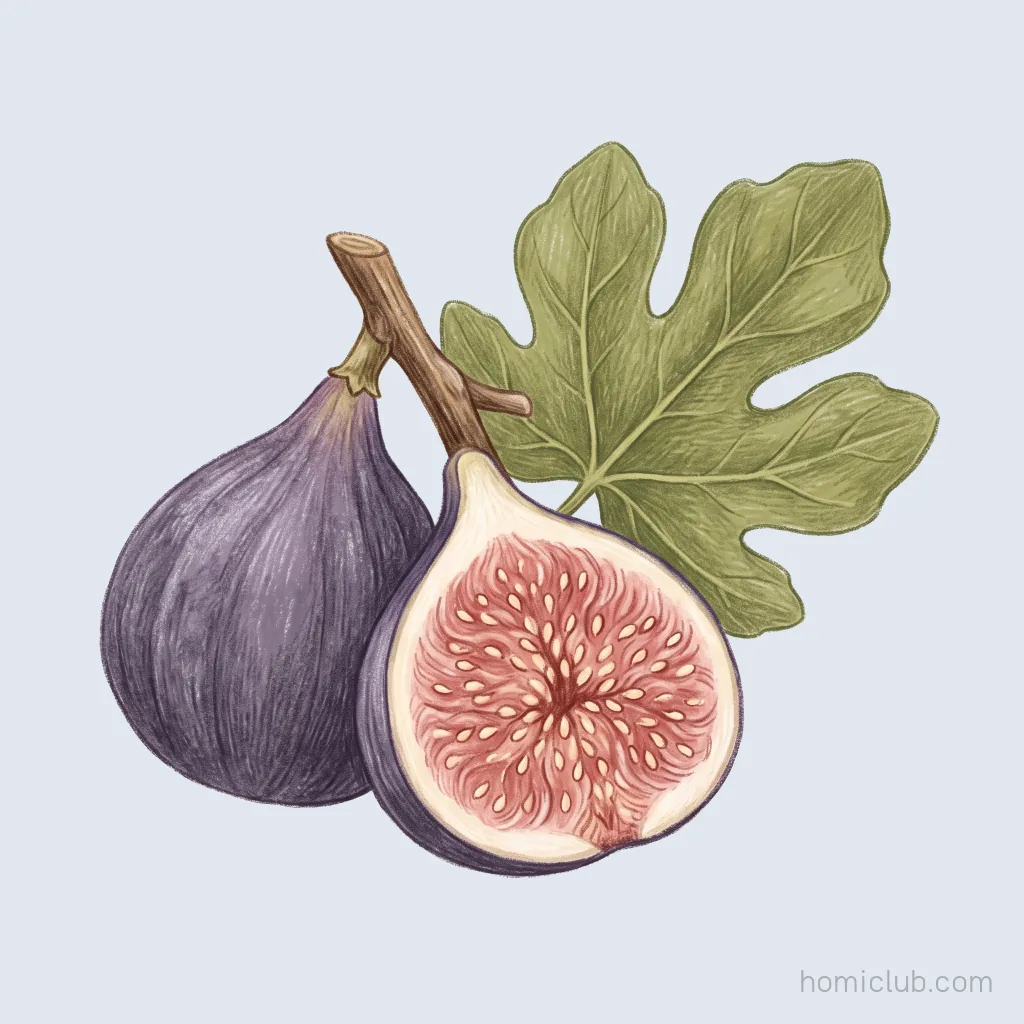
無花果 Fig
 Related Crop · Fig →
Fig is the fruit of a mulberry-family tree, the same muhwagwa in the crop guide. Its flowers bloom hidden inside the fruit and never show outside, which is how it came to be called the flowerless fruit. Donguibogam says it was brought over from China and grows here and there in Korea, colored like a green plum.
Original, read line by line 東醫寶鑑 · Tangaek — Decoctions vol. 2
-
味甘.
The taste is sweet. In traditional medicine, sweetness is regarded as nourishing the spleen and stomach and replenishing vitality.
-
開胃, 止泄瀉.
It opens the appetite and stops diarrhea. The fruit is helpful when one has lost appetite or suffers from loose stools.
-
《食物》
The above is recorded in the Shiwu Bencao (Materia Medica of Foods).
-
無花結實,
It bears fruit without blooming flowers, which is why it is named muhwagwa, literally the flowerless fruit.
-
色如靑李而稍長.
Its color resembles a green plum, though the shape is somewhat more elongated.
-
自中原移來, 我國或有之.
It was originally brought over from China, and is occasionally found growing in our country as well.
-
《俗方》
The above is from the Sokbang, folk remedies passed down in Korea.
Related Crop
Fig →
Reading on Fig
Fruits — more entries
This is a cultural and historical record from a classical text, not a claim about any food’s effects. Nothing here is a health supplement or intended to prevent or treat disease. Consult a medical professional about health concerns. · Text: Korean Medicine Classics DB · Reading: Homiclub