
Tangaek — Decoctions · Fruits
柚子 Yuja (Yuzu)
 Related Crop · Yuja (Yuzu) →
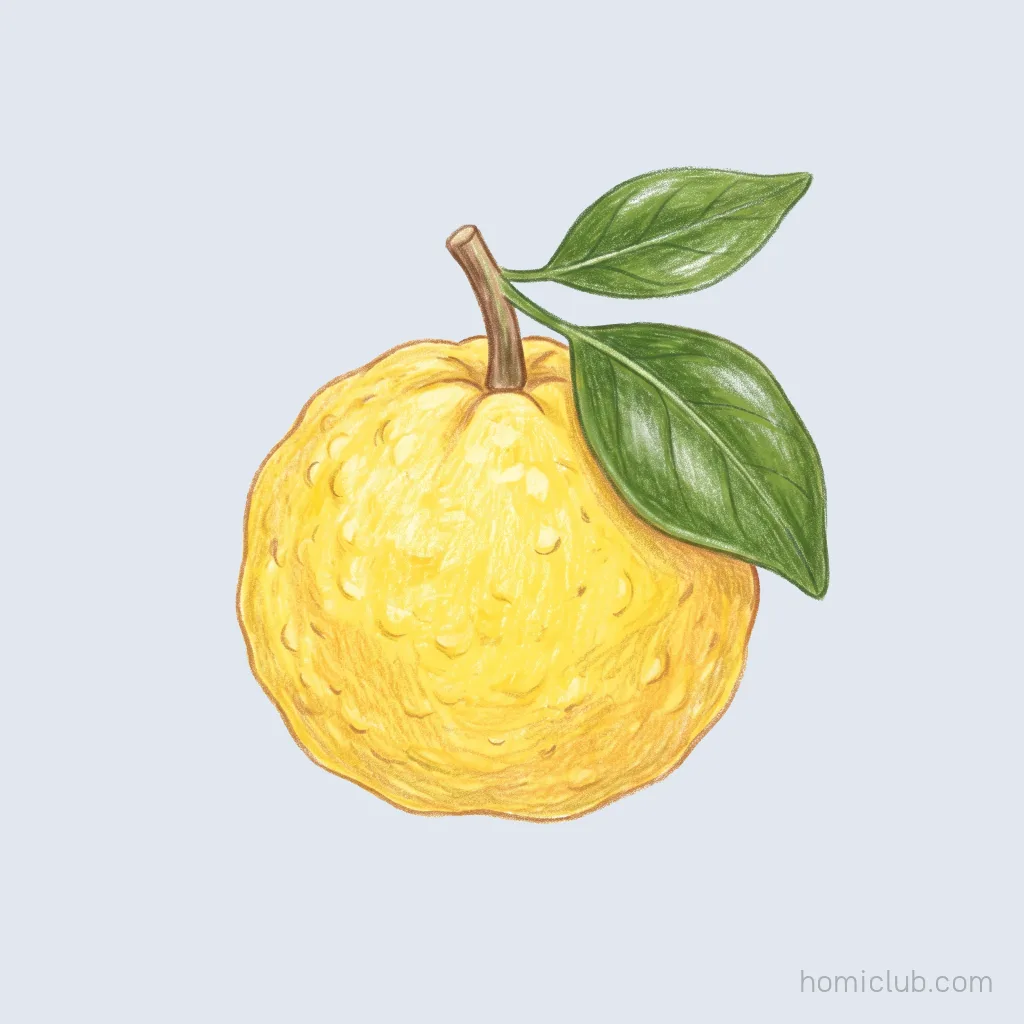
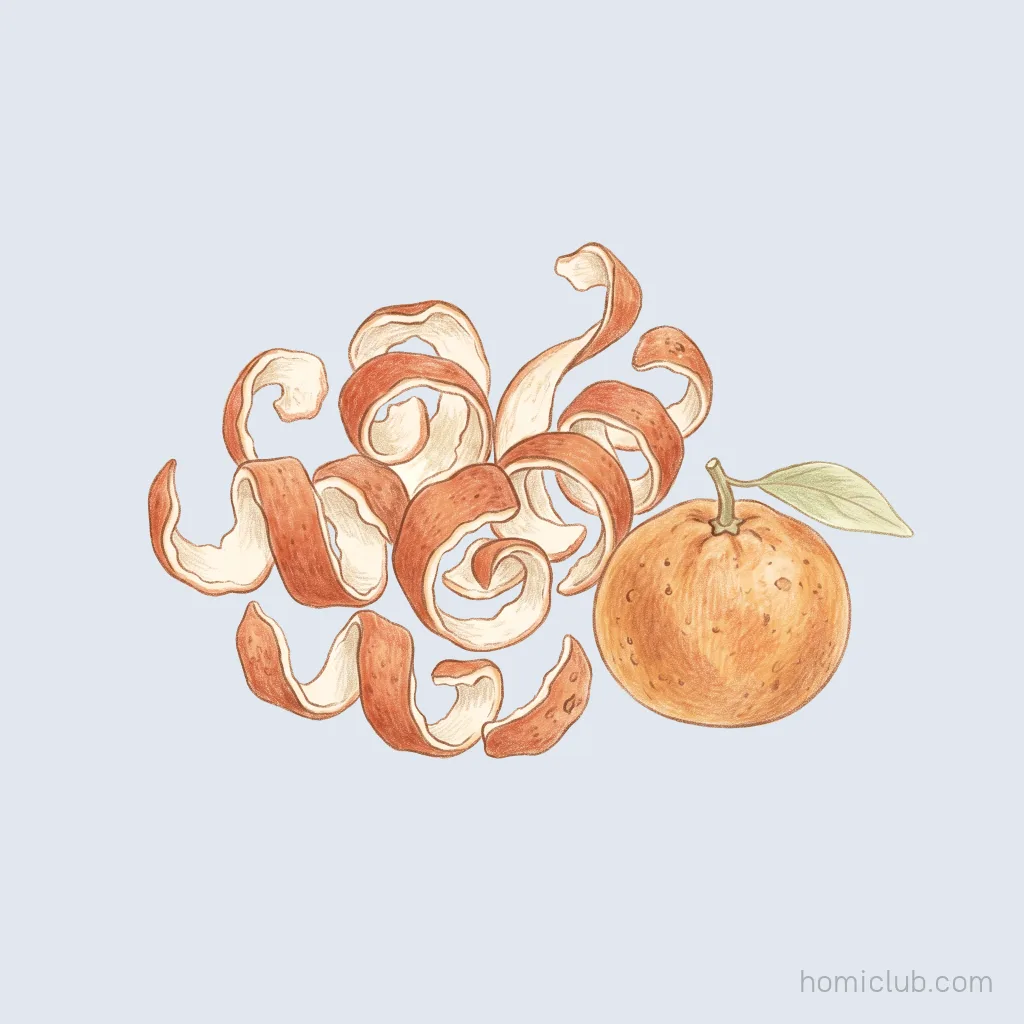
Yuja is the fruit of a citrus tree, the one whose rind is sliced and packed in sugar for yuja tea today, and the same crop as yuja in the guide. The text calls the small ones tangerines and the large ones yuja, likening it to the bitter orange.
Original, read line by line 東醫寶鑑 · Tangaek — Decoctions vol. 2
-
皮厚, 味甘, 無毒.
Its rind is thick, its taste sweet, and it is non-toxic.
HomiclubYuja today comes mainly from Goheung and Geoje on Korea's south coast. Most of the crop is sliced thin with the rind on and layered with sugar to make yuja-cheong, a preserve.
-
去胃中惡氣, 解酒毒, 治飮酒人口氣.
It removes foul qi in the stomach, resolves the toxin of wine, and treats the breath of one who has been drinking.
-
果之美者, 有雲夢之柚.
Among the finest of fruits is the yuja of Unmong (雲夢).
HomiclubUnmong was a vast marshland in the old state of Chu, famous for the quality of what it produced. The line is quoted from the Lüshi Chunqiu.
-
小曰橘, 大曰柚, 柚似橙而大於橘. 《本草》
The small one is called gyul (橘, tangerine) and the large one yu (柚); the yu resembles the deung (橙, bitter orange) but is larger than the tangerine. 《Boncho (本草)》
-
橘之大者, 曰柚. 《丹心》
The large kind of tangerine is called yu. 《Dansim (丹心)》
Related Crop
Yuja (Yuzu) →
Fruits — more entries
This is a cultural and historical record from a classical text, not a claim about any food’s effects. Nothing here is a health supplement or intended to prevent or treat disease. Consult a medical professional about health concerns. · Text: Korean Medicine Classics DB · Reading: Homiclub