
Tangaek — Decoctions · Vegetables
蓼實 Water Pepper Seed
 Related Crop · Water Pepper Seed →
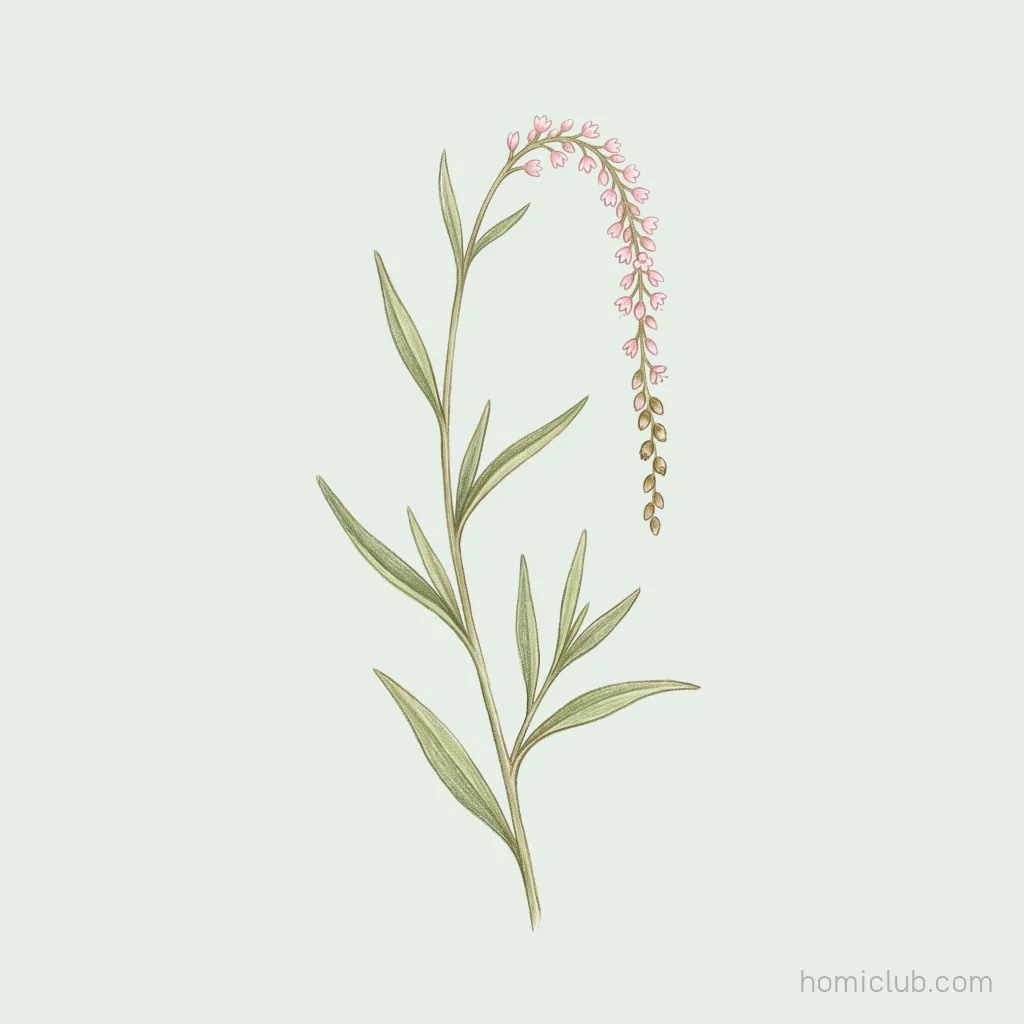
Yosil is the seed of smartweed, the same seed shown in the crop guide. Of the seven waterside smartweeds listed, only three were eaten. Seeds were soaked in a gourd and hung in the warmth above a fire until red shoots came up, and those shoots went onto the new-year osinban platter.
Original, read line by line 東醫寶鑑 · Tangaek — Decoctions vol. 2
-
性冷, 味辛, 無毒. 歸鼻.
Its nature is cooling, its taste is pungent, and it is non-toxic. It returns to the nose.
HomiclubYosil is the seed of the smartweed, an annual in the knotweed family common along ditches and paddy banks. From summer into autumn it carries spikes of tiny red or white flowers.
-
除腎氣, 明目, 下水氣, 療癰瘍, 通五藏壅氣.
It removes singi (腎氣, kidney qi), brightens the eyes, sends down sugi (水氣, water qi), treats ongyang (癰瘍, abscesses and ulcers), and frees blocked qi in the ojang (五藏, five viscera).
-
蓼, 水草也. 多生水澤中, 有紫蓼ㆍ赤蓼ㆍ靑蓼ㆍ香蓼ㆍ馬蓼ㆍ水蓼ㆍ木蓼等七種. 惟紫蓼ㆍ香蓼ㆍ靑蓼, 爲人所食, 葉俱小狹.
The smartweed is a water plant. It grows abundantly in ponds and marshes, and there are seven kinds: jaryo (紫蓼), jeongnyo (赤蓼), cheongnyo (靑蓼), hyangnyo (香蓼), maryo (馬蓼), suryo (水蓼), and mongnyo (木蓼). Only jaryo, hyangnyo, and cheongnyo are eaten by people, and their leaves are all small and narrow.
HomiclubJust as the text splits them into seven kinds, several smartweed species grow side by side in Korea, told apart by leaf width and flower color under names such as gaeyeokkwi, hinyeokkwi, and baboyeokkwi.
-
多食, 吐水, 損陽氣, 發心痛.
Eaten in quantity it brings up water, injures the yang qi, and provokes heart pain.
-
諸蓼, 花皆紅白, 子皆赤黑.
All the smartweeds bear flowers that are red or white, and seeds that are red or black.
-
春初取蓼實, 以葫蘆盛水浸濕, 高掛於火上, 晝夜使煖, 遂生紅芽. 取以爲蔬, 以備五辛盤. 《本草》
In early spring take smartweed seed, soak it in a gourd filled with water, hang it high above a fire and keep it warm day and night, and red sprouts finally appear. Gather them as a vegetable and set them out for the osinban (五辛盤, plate of five pungent herbs). 《Boncho (本草)》
HomiclubThe osinban (五辛盤) was a New Year dish setting five pungent herbs on one tray. Soaking seed and keeping it warm to raise sprouts is the same method used for microgreens today.
Related Crop
Water Pepper Seed →
Vegetables — more entries
This is a cultural and historical record from a classical text, not a claim about any food’s effects. Nothing here is a health supplement or intended to prevent or treat disease. Consult a medical professional about health concerns. · Text: Korean Medicine Classics DB · Reading: Homiclub