
Tangaek — Decoctions · Fruits
石榴 Pomegranate
 Related Crop · Pomegranate →
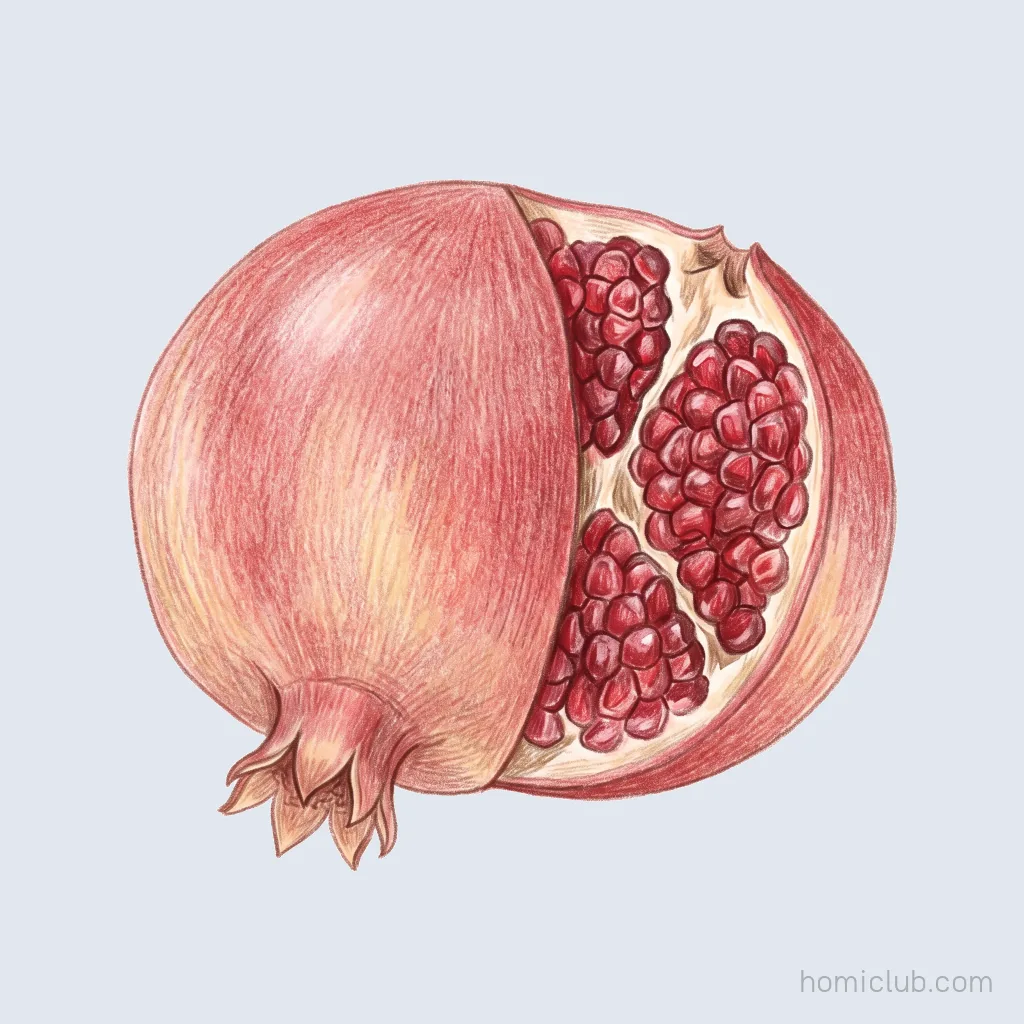
Seongnyu is the autumn fruit of the pomegranate tree, a thick rind packed with red seed sacs. It reaches most people now as juice or syrup, and it is the same fruit as the pomegranate in the crop guide. The Donguibogam lists it in the fruit section and separates the sweet kind, eaten as fruit, from the sour kind set aside for the dispensary.
Original, read line by line 東醫寶鑑 · Tangaek — Decoctions vol. 2
-
性溫, 味甘酸, 無毒. 主咽燥渴.
Its nature is warm, its taste sweet and sour, and it is non-toxic. It governs dryness of the throat and thirst.
HomiclubThe pomegranate is a small tree of the loosestrife family; in autumn its thick rind splits to reveal the red arils inside. In Korea it is grown around Goheung in South Jeolla and in South Gyeongsang, and fruit from Iran and the United States also reaches the market.
-
損人肺, 不可多食.
It damages a person's lung, so it should not be eaten in quantity.
-
生南方, 八九月採實. 有甘酸二種, 甘者可食, 酸者入藥. 多食損齒.
It grows in the southern regions, and the fruit is gathered in the eighth and ninth months. There are two kinds, sweet and sour; the sweet may be eaten and the sour is put into medicine. Eating much of it damages the teeth.
HomiclubPomegranates are still sorted into sweet and sour types. The sour sort is boiled down into the syrup used in Middle Eastern cooking as pomegranate molasses.
-
石榴, 道家謂之三尸酒, 云三尸得此果則醉也. 《本草》
The Daoists call the pomegranate samsiju (三尸酒, liquor of the three corpses), saying that when the samsi (三尸, three corpse-spirits) get this fruit they become drunk. 《Boncho (本草)》
Related Crop
Pomegranate →
Reading on Pomegranate
Fruits — more entries
This is a cultural and historical record from a classical text, not a claim about any food’s effects. Nothing here is a health supplement or intended to prevent or treat disease. Consult a medical professional about health concerns. · Text: Korean Medicine Classics DB · Reading: Homiclub