
Tangaek — Decoctions · Fruits
李核仁 Plum Kernel
 Related Crop · Plum Kernel →
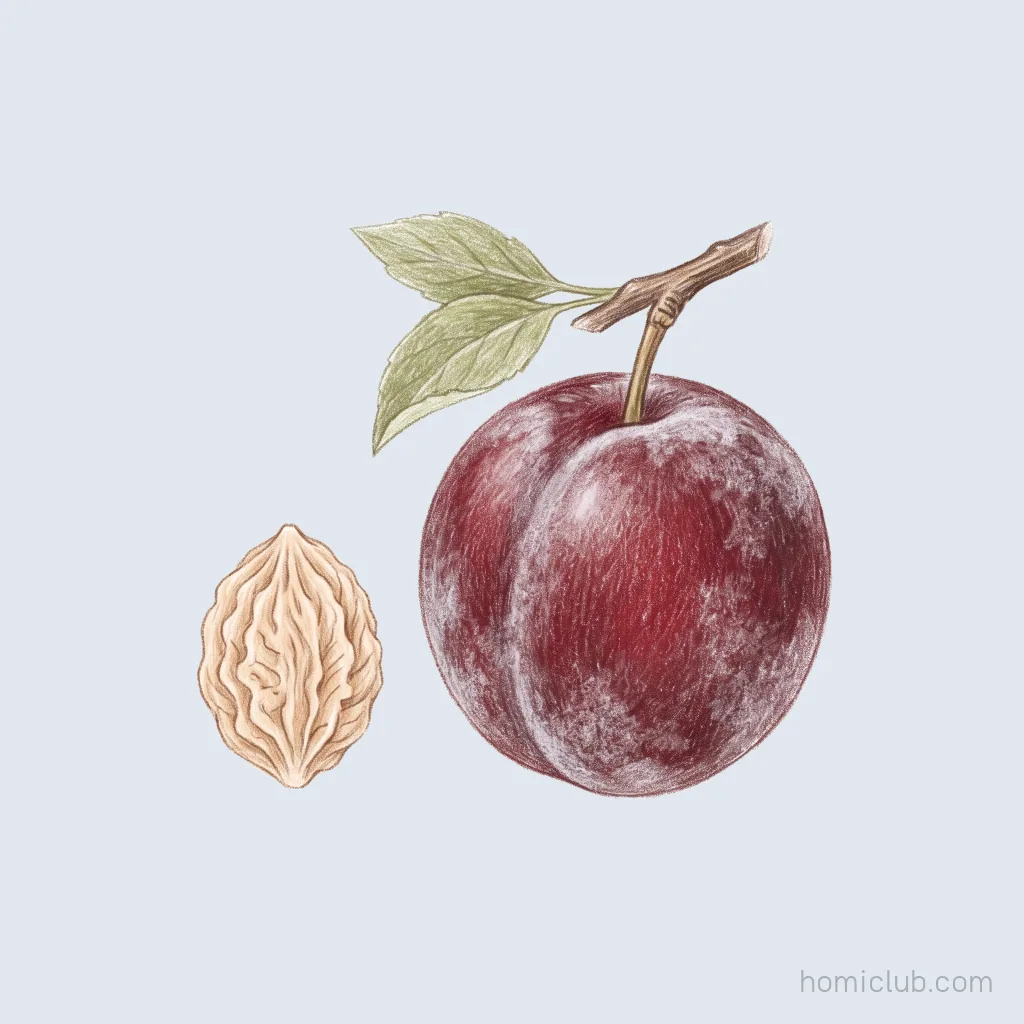
Oyatssi is the kernel inside the stone of the plum, the same item in the crop guide. Oyat is the old Korean word for what is now called jadu. The text says kernels gathered in early summer were scalded, stripped of skin and tip, and ground before use.
Original, read line by line 東醫寶鑑 · Tangaek — Decoctions vol. 2
-
性平, 味苦, 無毒. 主踒折骨痛肉傷.
Its nature is neutral, its taste bitter, and it is non-toxic. It governs pain from sprained and broken bones and injury to the flesh.
HomiclubIhaegin is the kernel taken from inside a plum stone. The old Korean name oyat is the fruit called jadu today, a word that came from jado (紫桃), 'purple peach,' after the color of its skin.
-
利小腸, 下水腫. 治面䵟.
It frees the small intestine and brings down water swelling. It treats myeongan (面䵟, facial blemishes).
-
處處有之, 六七月採, 取仁, 湯泡去皮尖, 硏用.
It is found everywhere. Gather it in the sixth and seventh months, take the kernel, steep it in hot water to remove the skin and the tip, then grind it for use.
-
解核如杏子者, 佳. 《本草》
When the stone is split open, those like an apricot kernel are good. 《Boncho (本草)》
HomiclubPlum and apricot both belong to the genus Prunus, so once the stones are cracked their kernels look much alike.
Related Crop
Plum Kernel →
Fruits — more entries
This is a cultural and historical record from a classical text, not a claim about any food’s effects. Nothing here is a health supplement or intended to prevent or treat disease. Consult a medical professional about health concerns. · Text: Korean Medicine Classics DB · Reading: Homiclub