
Tangaek — Decoctions · Fruits
獮猴桃 Hardy kiwi
 Related Crop · Hardy kiwi →
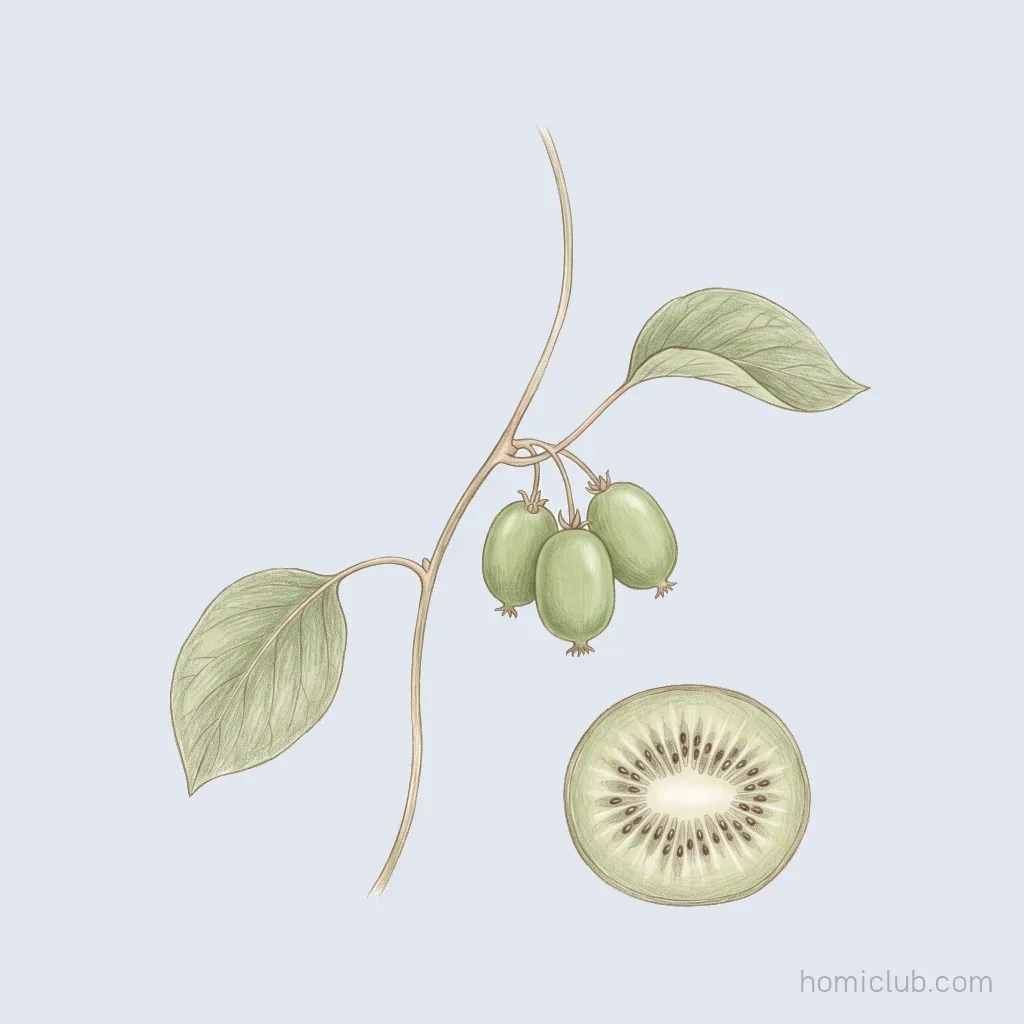
Mihudo is darae, the hardy kiwi of the crop guide. The vine climbs mountain trees, and the text describes flat green fruit that stays harsh until frost turns it sweet. The kiwifruit sold in Korea as chamdarae belongs to the same genus.
Original, read line by line 東醫寶鑑 · Tangaek — Decoctions vol. 2
-
性寒, 味酸甘, 無毒.
Its nature is cold, its taste sour and sweet, and it is non-toxic.
-
止暴渴, 解煩熱, 下石淋, 冷脾胃, 療熱壅反胃.
It stops sudden thirst, resolves beonyeol (煩熱, vexing heat), brings down seokrim (石淋, stone strangury), cools the spleen and stomach, and treats banwi (反胃, stomach reflux) caused by pent-up heat.
-
處處有之. 生山中, 作藤蔓, 延樹木上.
It grows everywhere. It comes up in the mountains, forms a vine, and climbs up over trees.
-
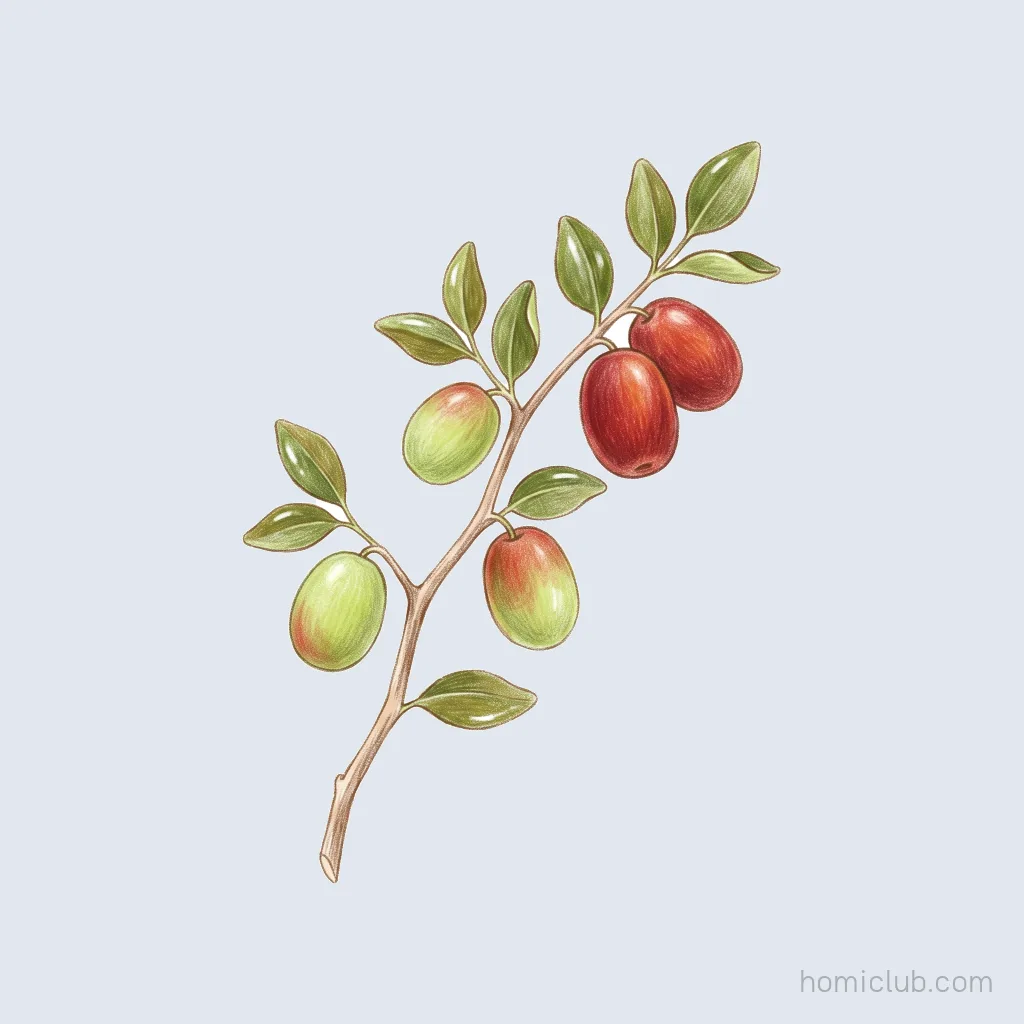
其實靑綠色, 形扁而大.
Its fruit is blue-green, flat in shape and large.
HomiclubThe 獮猴桃 of this entry is darae, the hardy kiwi native to Korean mountains. The fuzzy kiwifruit sold in shops is a different species of the same genus, bred in New Zealand and introduced in the twentieth century.
-
初甚苦澁, 經霜始甘美, 乃可食之. 一名藤梨. 《本草》
At first it is very bitter and astringent; only after frost does it turn sweet and good, and then it can be eaten. It is also called deungri (藤梨, vine pear). 《Boncho (本草)》
Related Crop
Hardy kiwi →
Fruits — more entries
This is a cultural and historical record from a classical text, not a claim about any food’s effects. Nothing here is a health supplement or intended to prevent or treat disease. Consult a medical professional about health concerns. · Text: Korean Medicine Classics DB · Reading: Homiclub