
Tangaek — Decoctions · Vegetables
薤菜 Rakkyo
 Related Crop · Rakkyo →
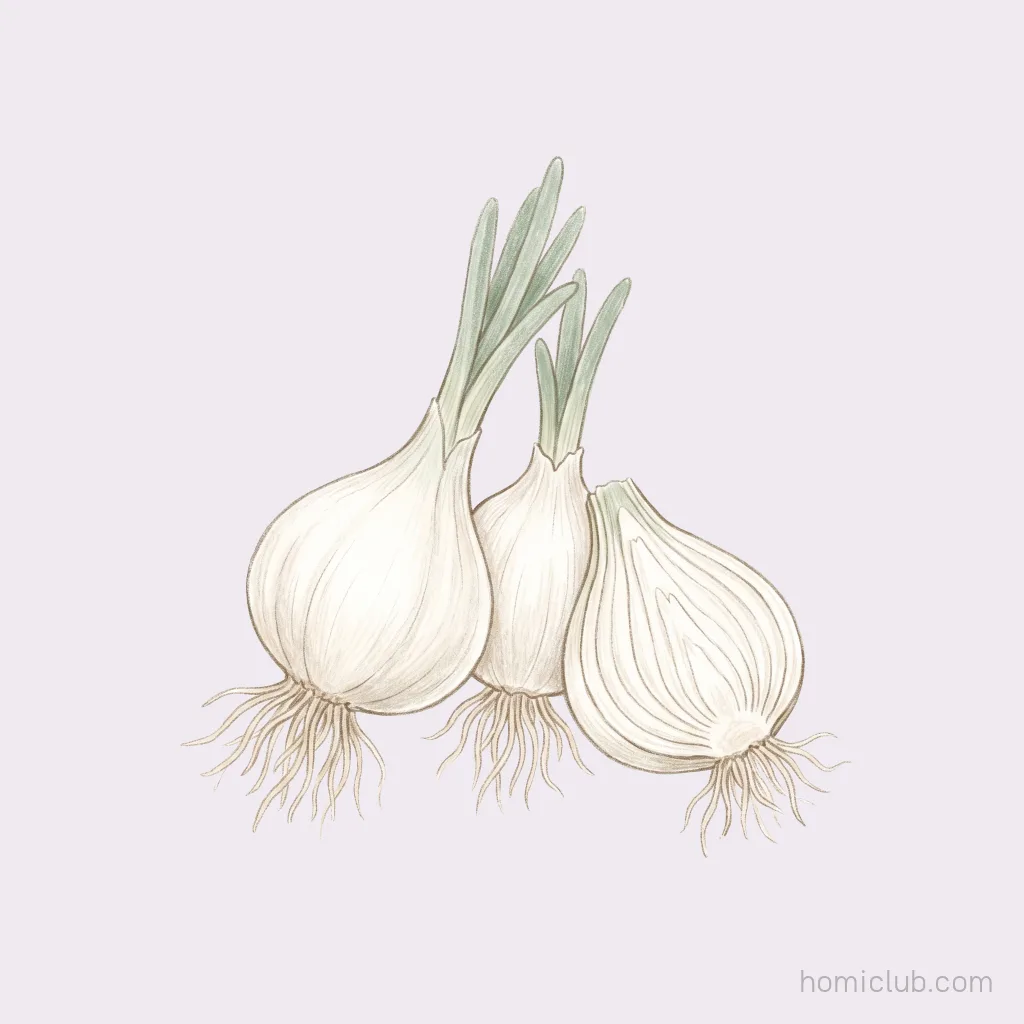
Haechae is the bulb of yeomgyo, the same allium as in the crop guide. The text says it looks like a chive but with broader leaves, a thick white base, and no fruit. Most people meet it today under its Japanese name rakkyo, pickled in vinegar beside sushi and curry.
Original, read line by line 東醫寶鑑 · Tangaek — Decoctions vol. 2
-
性溫, 味辛苦, 無毒.
Its nature is warm, its taste pungent and bitter, and it is not toxic.
-
調中, 止久痢冷瀉.
It harmonizes the middle and stops long-standing dysentery and cold diarrhoea.
-
除寒熱, 去水氣, 肥健人.
It clears cold and heat, drives out water qi, and makes a person plump and sturdy.
-
薤性溫補, 仙方及服食家, 皆須之.
Hae (薤) is warm and supplementing in nature, so the recipes of the immortals and the practitioners of dietary regimens all call for it.
-
歸於骨. 菜芝也.
It returns to the bones. It is the ji (芝, the numinous fungus) among vegetables.
-
生圃中. 似韭而葉闊, 多白無實.
It grows in garden plots. It resembles the garlic chive but with broader leaves, much white base, and no fruit.
HomiclubA perennial of the Allium genus alongside garlic chive and garlic, it is used for the white bulb underground. This is the plant behind the Japanese pickle known as rakkyo.
-
雖辛而不葷五藏, 故道家常餌之. 補虛最宜人.
Though pungent, it does not rank the five viscera with its odour, so Daoists eat it constantly. For supplementing depletion it suits people best.
-
作羹粥食之, 煠作虀葅, 幷得.
It may be boiled into soup or gruel to eat, or blanched and made into jejeo (虀葅, salted and pickled greens); either serves.
-
薤葉闊而更光.
The leaf of hae (薤) is broad and all the more glossy.
-
故古人言薤露者, 以其光滑難竚之義也. 《本草》
Thus when the ancients spoke of haero (薤露, 'dew on the xie leaf'), the sense was that the leaf is so smooth and glossy that dew cannot rest on it. 《Boncho》
HomiclubHaero is also the title of an old Chinese funeral song. It was used to say that a human life passes as quickly as dew drying on a leaf.
Related Crop
Rakkyo →
Reading on Rakkyo
Vegetables — more entries
This is a cultural and historical record from a classical text, not a claim about any food’s effects. Nothing here is a health supplement or intended to prevent or treat disease. Consult a medical professional about health concerns. · Text: Korean Medicine Classics DB · Reading: Homiclub