
탕액편 · 과부 (과일)
杏核仁 살구씨 (행핵인)
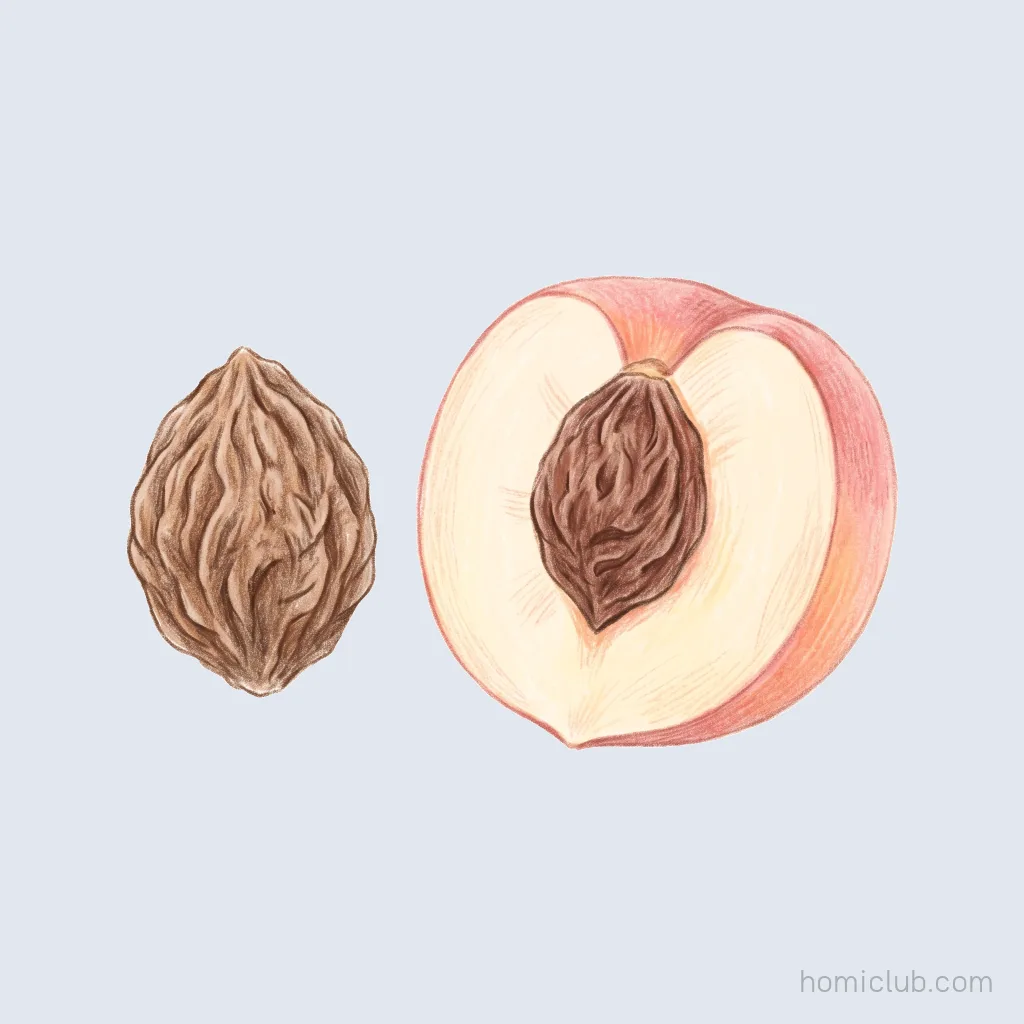 관련 작물 · 살구씨 →
행핵인은 살구씨의 속 알맹이로, 도감의 살구씨와 같다. 원문도 독이 있다고 적었고, 한 껍질에 두 알이 든 쌍인(雙仁)은 골라 버리라 했다. 오늘날 살구씨는 기름을 짜거나 화장품 원료로 쓴다.
원문 풀이 東醫寶鑑 · 탕액편 권2
-
性溫, 味甘苦, 有毒一云小毒. 主咳逆上氣.
성온, 미감고, 유독일운소독. 주해역상기.
성질은 따뜻하고 맛은 달고 쓰며 독이 있는데 일설에는 독이 적다고 합니다. 기침이 거스르고 기가 치미는 것을 주로 다스립니다.
호미클럽 풀이행핵인은 살구씨의 단단한 껍데기를 깨고 꺼낸 속 알맹이입니다. 원문이 독이 있다고 적은 것은 아미그달린 때문으로, 오늘날 식품으로 쓸 때는 이 성분이 적은 품종을 고르고 그 밖에는 기름을 짜거나 화장품 원료로 씁니다.
-
療肺氣喘促, 解肌出汗, 殺狗毒.
요폐기천촉, 해기출한, 살구독.
폐기(肺氣)로 숨이 가쁜 것을 낫게 하고 살을 풀어 땀을 내며 개의 독을 죽입니다.
-
處處有之, 山杏不堪入藥, 須家園種者. 五月採.
처처유지, 산행불감입약, 수가원종자. 오월채.
곳곳에 있습니다. 산살구는 약에 넣기에 마땅하지 않으니 반드시 집 뜰에 심은 것이라야 합니다. 오월에 땁니다.
호미클럽 풀이산행은 산에 절로 나는 개살구를 이릅니다. 열매가 작고 떫으며, 집 뜰에 심어 기른 살구와는 다른 종으로 봅니다.
-
入手太陰經. 破核取仁, 湯浸去皮尖及雙仁, 麩炒令黃色用之.
입수태음경. 파핵취인, 탕침거피첨급쌍인, 부초영황색용지.
수태음경으로 들어갑니다. 씨를 깨어 알맹이를 취하고 끓인 물에 담가 껍질과 뾰족한 끝과 쌍인(雙仁)을 없앤 뒤, 밀기울에 볶아 누런빛이 나게 하여 씁니다.
-
雙仁者殺人, 可以毒狗. 凡桃杏雙仁殺人者, 其花本五出, 若六出必雙仁.
쌍인자살인, 가이독구. 범도행쌍인살인자, 기화본오출, 약육출필쌍인.
쌍인은 사람을 죽이며 개를 독살할 수도 있습니다. 무릇 복숭아와 살구의 쌍인이 사람을 죽이는 것은, 그 꽃이 본디 다섯 잎으로 나오는데 만약 여섯 잎으로 나오면 반드시 쌍인이 되기 때문입니다.
-
草木花皆五出, 惟山梔, 雪花六出, 此殆陰陽之理. 今桃杏雙仁有毒者, 失其常也. 《入門》
초목화개오출, 유산치, 설화육출, 차태음양지리. 금도행쌍인유독자, 실기상야. 《입문》
풀과 나무의 꽃은 모두 다섯 잎으로 나오는데, 오직 산치자(山梔)와 눈꽃만 여섯으로 나오니 이는 아마도 음양의 이치일 것입니다. 지금 복숭아와 살구의 쌍인에 독이 있는 것은 그 떳떳함을 잃은 것입니다. 《입문》
호미클럽 풀이눈 결정이 여섯 갈래로 자란다는 관찰은 옛 문헌에 여러 차례 나옵니다. 그 까닭이 물 분자가 육각형으로 이어 붙는 성질에 있다는 것은 훨씬 뒷날에 밝혀졌습니다.
-
生熟喫俱得, 惟半生半熟殺人. 《本草》
생숙끽구득, 유반생반숙살인. 《본초》
날로 먹든 익혀 먹든 다 되지만, 오직 반쯤 날것이고 반쯤 익은 것은 사람을 죽입니다. 《본초》
-
病人有火有汗, 童尿浸三日用. 《入門》
병인유화유한, 동뇨침삼일용. 《입문》
병자에게 화(火)가 있고 땀이 있으면 사내아이 오줌에 사흘 담갔다가 씁니다. 《입문》
관련 작물
살구씨 →
과부 (과일) 의 다른 항목
옛 문헌을 문화·역사 자료로 옮긴 것이며, 특정 식품의 효능을 주장하지 않습니다. 여기 소개된 것은 건강기능식품이 아니고 질병의 예방·치료를 위한 것이 아닙니다. 건강 문제는 의료 전문가와 상담하세요. · 한의학고전DB(mediclassics.kr)