On a July morning, you pick a handful of apple mint and lemon balm from the garden. Steep it in cold water through the day and strain it by evening, and the aroma is lovely, but without any sweetness it falls a little flat. That's when many people reach for a spoonful of stevia powder or allulose instead of sugar. With almost no calories, it's easy to assume nothing lingers in the body. But before these sweet compounds are ever absorbed, they meet the bacteria living in your gut.
When Sweeteners Meet Gut Bacteria
In one laboratory study, researchers mixed 39 commonly used sweeteners directly with bacteria that live in the human gut. The results varied from one compound to the next. Some sweeteners had almost no effect on bacterial numbers. Others noticeably slowed or sped up the growth of particular species. In other words, a sweet-tasting substance doesn't stop at the tongue. It travels to the gut and plays a part in how the bacteria there grow.
That said, these findings come from test tubes. The study didn't reproduce the amount you actually stir into a cup of tea, or the way it gets diluted on its way through the stomach and small intestine. It's more accurate to read it as a clue that sweeteners can shift the balance of gut bacteria, not as proof.
It Depends on What You Take Them With
What caught the researchers' attention wasn't sweeteners on their own but sweeteners in the company of other substances. When they paired sweeteners with medications, caffeine, and flavorings, they found more than 100 cases where the bacteria responded differently than they did to the sweetener alone. The most striking was the combination of isosteviol, a compound derived from stevia, with the antidepressant duloxetine. Bacteria known to be beneficial declined, and the overall diversity of species dropped as well.
Study after study has shown that a more diverse bacterial community makes the gut better able to weather a range of conditions. So if a particular combination lowers that diversity, it's worth a second look. But that doesn't mean it leads straight to illness. If you take medication, there's no need to give up sweeteners altogether. Instead, mention to your doctor or pharmacist what kind of sweetener you put in your coffee or herbal tea, and how much.
Finding Sweetness in the Garden
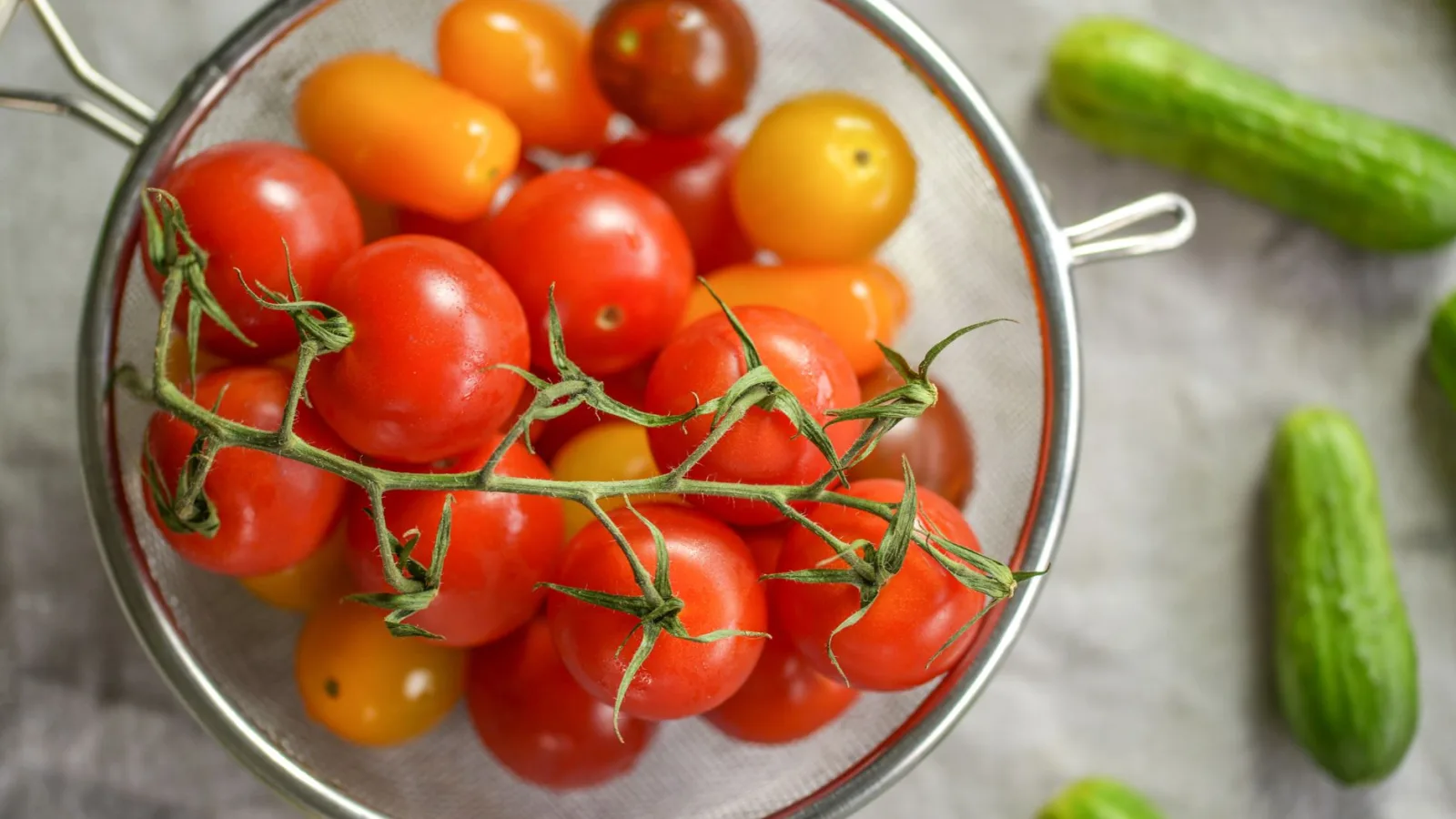
You don't have to give up sweetness entirely. The garden offers ingredients that add both aroma and sweetness without a refined powder. Pick a few stevia leaves and steep them whole, and you'll take in far less than you would from the extracted, purified compound. Float summer cucumbers or cherry tomatoes in cold water, and a gentle sweetness seeps out.
- Try steeping two or three fresh stevia leaves directly in hot water
- Apple mint and lemon verbena add fragrance without any sweetness
- In braised or simmered dishes, swap the sweetener for a splash of pear or apple juice
The same goes for soups and stews. Cook kabocha squash or onions down slowly and they turn sweet without a grain of sugar. If you do use a sweetener, stick to a single kind rather than mixing several at once, and leave some time between it and your coffee or medication.
Tonight, before you tear open that sweetener packet, try adding an extra handful of herb leaves from the garden to your tea. When the aroma is rich enough, you won't miss the sweetness.
Reference — A laboratory study report examining interactions between 39 sweeteners and gut bacteria