
Tangaek — Decoctions · Fruits
大棗 Jujube
 Related Crop · Jujube →
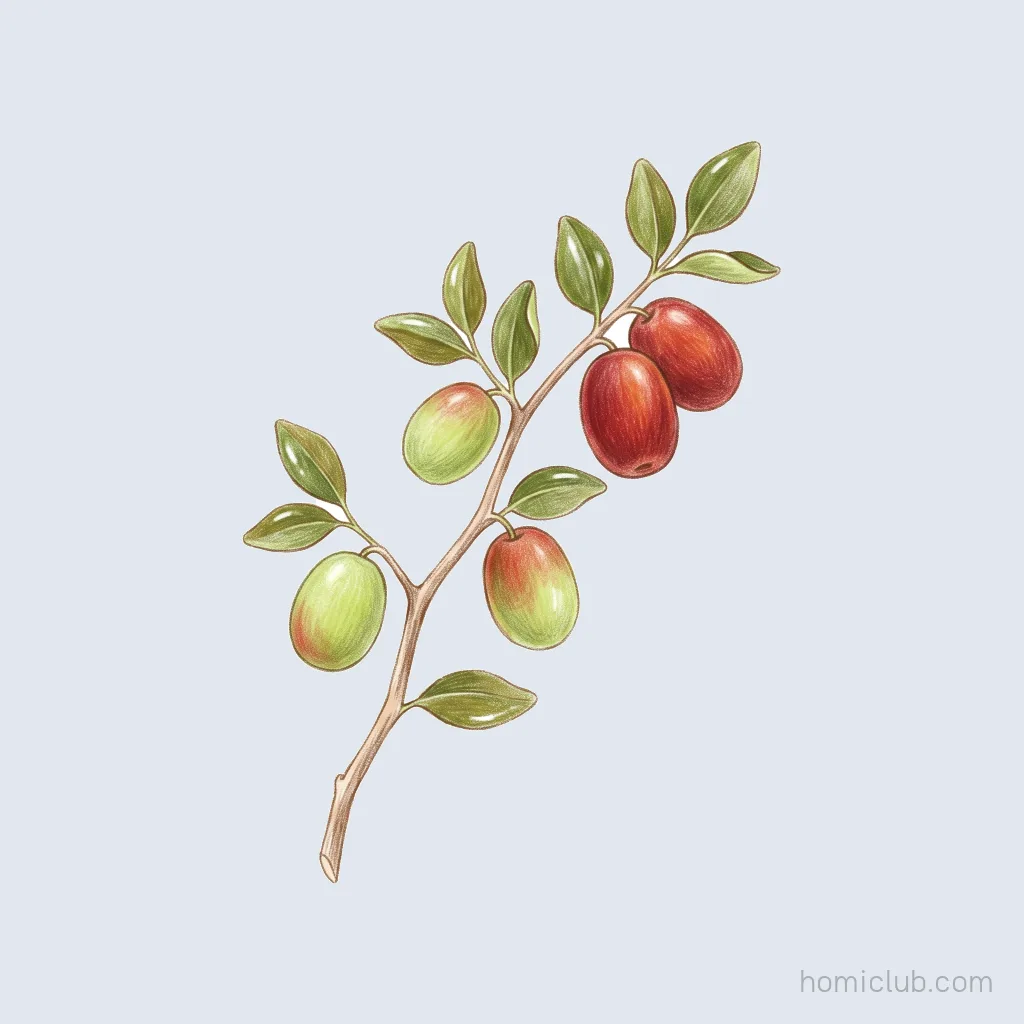
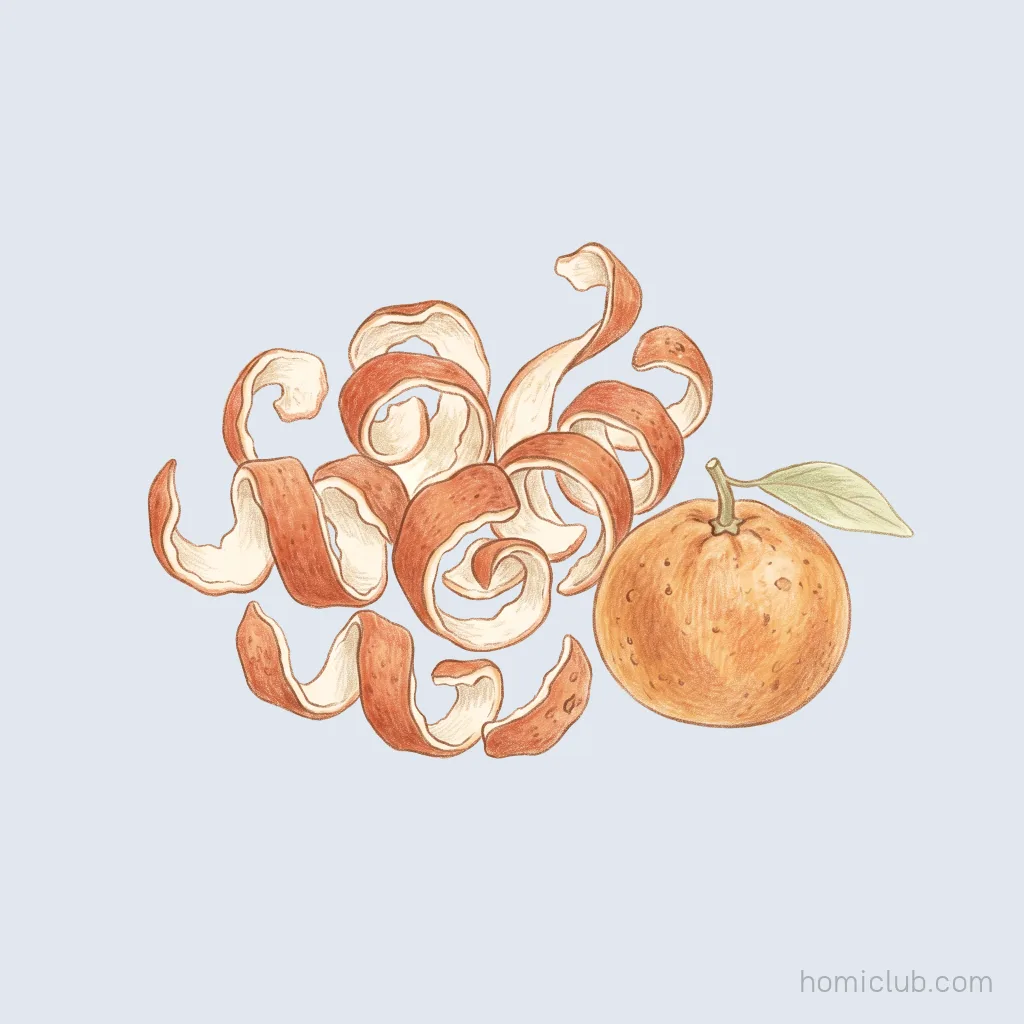
Daechu is the fruit of the jujube tree in the buckthorn family, the same jujube listed in the crop guide. Ripened red, it is sun-dried for keeping and goes into tea, braised chicken, and sweet rice. The text calls the dried form geonjo and says it was split open before simmering.
Original, read line by line 東醫寶鑑 · Tangaek — Decoctions vol. 2
-
性平一云溫, 味甘, 無毒. 安中養脾, 補五藏, 助十二經脉, 補津液, 通九竅, 强志, 和百藥.
Its nature is neutral, though one account calls it warm; its taste is sweet and it is non-toxic. It settles the middle, nourishes the spleen, supplements the five viscera, aids the twelve channels, replenishes fluids, opens the nine orifices, strengthens the will, and harmonizes the hundred medicines.
HomiclubThe jujube is the fruit of the jujube tree, a member of the buckthorn family. Ripened red, it is sun-dried for storage and then goes into teas, chicken stews, and sweet rice dishes.
-
一名乾棗, 處處有之. 八月採, 暴乾.
One name for it is geonjo (乾棗, dried jujube), and it is found everywhere. It is gathered in the eighth month and dried in the sun.
HomiclubBoeun in North Chungcheong and Gyeongsan in North Gyeongsang are still the best-known jujube districts. The eighth lunar month falls around September, which matches the harvest season.
-
其皮裏肉補虛, 所以合湯, 皆擘之也. 《本草》
The flesh inside its skin supplements depletion, and so when it is put into a decoction it is always split open. 《Boncho (本草)》
-
味甘, 補經不足, 以緩陰血. 血緩則脉生, 故能助十二經脉. 《入門》
Being sweet, it supplements what is insufficient in the channels and thereby relaxes the eumhyeol (陰血, yin blood). When the blood is relaxed the pulse revives, and so it can aid the twelve channels. 《Immun (入門)》
Related Crop
Jujube →
Reading on Jujube
Fruits — more entries

This is a cultural and historical record from a classical text, not a claim about any food’s effects. Nothing here is a health supplement or intended to prevent or treat disease. Consult a medical professional about health concerns. · Text: Korean Medicine Classics DB · Reading: Homiclub