
Tangaek — Decoctions · Fruits
烏梅 Yeongie Mallin Maesil (연기에 말린 매실)

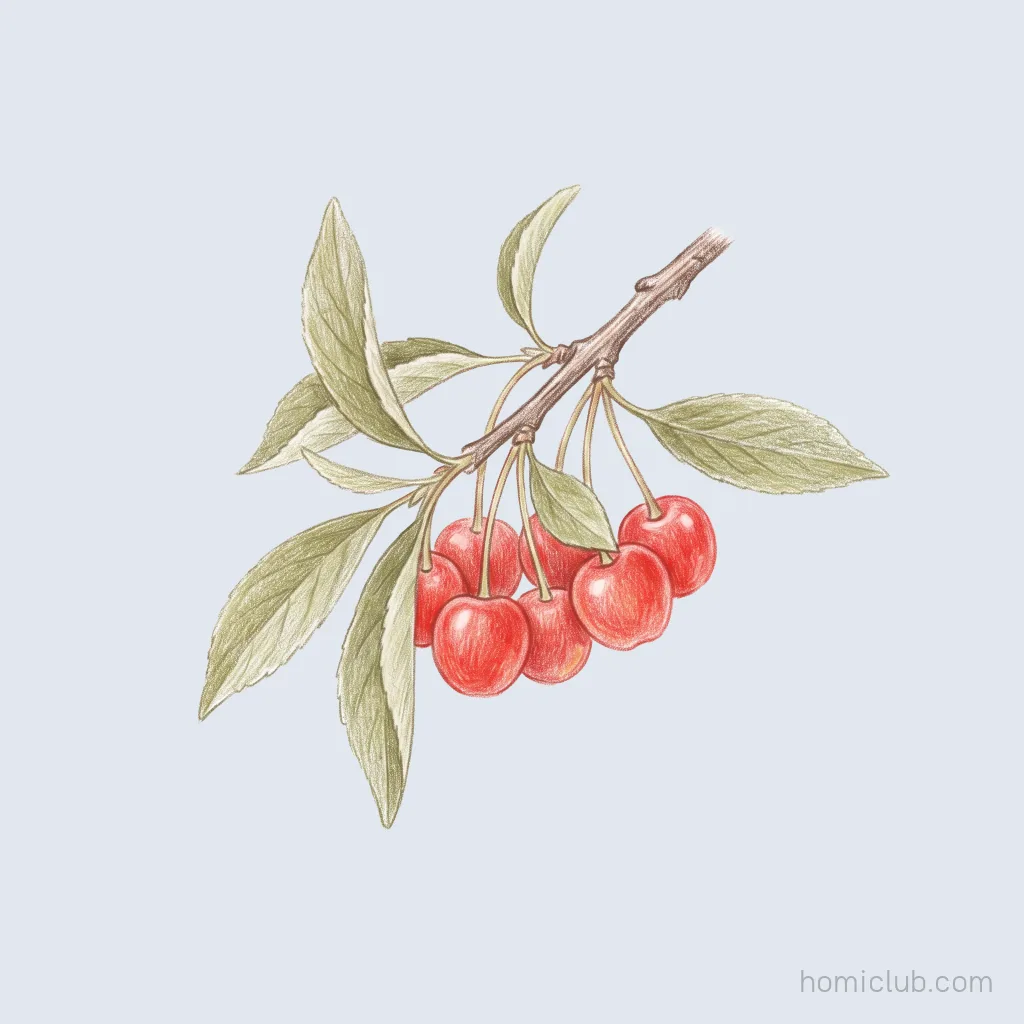
Omae is an unripe Japanese apricot smoked over a fire until dry. The skin blackens in the process, which is where the name comes from: crow plum. The Dongui Bogam's fruit section records it as warm in nature and sour in taste, and it still turns up as omae tea and in preserved-plum goods.
Original, read line by line 東醫寶鑑 · Tangaek — Decoctions vol. 2
-
性煖, 味酸, 無毒. 去痰, 止吐逆, 止渴, 止痢, 除勞熱骨蒸, 消酒毒.
Its nature is warm, its taste sour, and it is non-toxic. It removes phlegm, stops vomiting and counterflow, stops thirst and dysentery, clears noyeol (勞熱, taxation fever) and goljeung (骨蒸, steaming bone fever), and dissolves the toxin of liquor.
HomiclubOmae is unripe plum dried over smoke. The skin blackens like a crow's feather, and that is where the name omae, 'crow plum,' comes from.
-
主傷寒及霍亂燥渴. 去黑痣, 療口乾好唾. 《本草》
It addresses cold damage and the parched thirst of gwangnan. It removes black moles and treats a dry mouth with frequent spitting. 《Boncho (本草)》
HomiclubUme seeds contain cyanide compounds that can be broken down, by enzymes in the fruit among other things, to release hydrogen cyanide, and eating large amounts can cause headache, dizziness and difficulty breathing. In 2026 the Ministry of Food and Drug Safety advised that when making ume syrup, removing the seeds cuts these compounds by about 95 percent, and using ripe yellow ume instead of unripe green ume cuts them by about 70 percent.
Fruits — more entries
This is a cultural and historical record from a classical text, not a claim about any food’s effects. Nothing here is a health supplement or intended to prevent or treat disease. Consult a medical professional about health concerns. · Text: Korean Medicine Classics DB, collated with the Jangseogak copy of the 1613 wooden movable-type edition · Reading: Homiclub