
Tangaek — Decoctions · Fruits
樹皮 Hodu Namukkeopjil (호두 나무껍질)
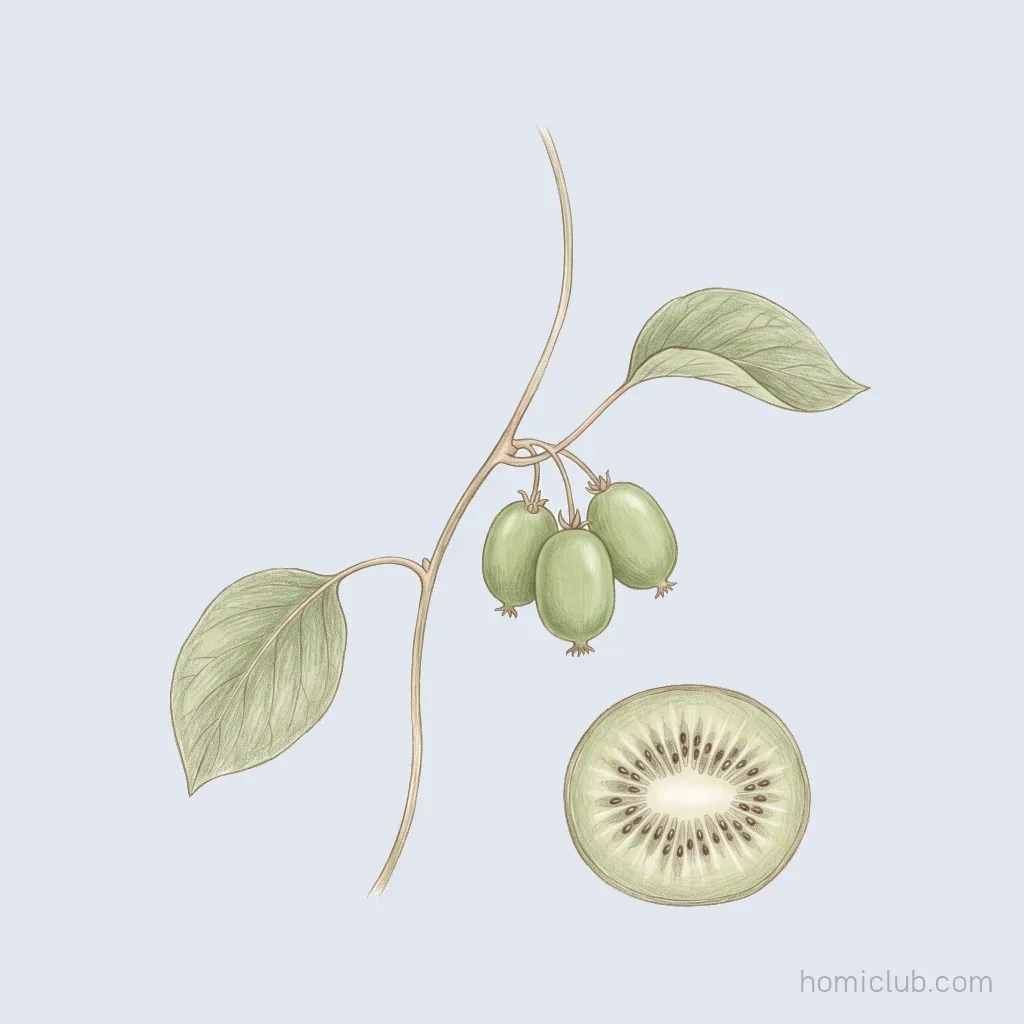
Supi simply means bark. It is a short passage on the bark of the tree named in the preceding fruit-section entry, noting that a decoction of it yields a brown dye. The same run of text continues straight on into hardy kiwi, darae, and pine nuts, jat.
Original, read line by line 東醫寶鑑 · Tangaek — Decoctions vol. 2
-
止水痢, 可染褐. 又斫樹取汁, 沐頭至黑. 《本草》
It stops watery dysentery and can dye things brown. Also, chop the tree to take its sap and wash the head with it, and the hair turns black. 《Boncho (本草)》
HomiclubSupi means bark, and following the walnut entries it refers here to walnut bark. Bark, leaves, and roots all carry the same brown pigment, which is why notes about dyeing recur through these entries.
Fruits — more entries
This is a cultural and historical record from a classical text, not a claim about any food’s effects. Nothing here is a health supplement or intended to prevent or treat disease. Consult a medical professional about health concerns. · Text: Korean Medicine Classics DB · Reading: Homiclub