
Tangaek — Decoctions · Vegetables
芸薹 Rapeseed
 Related Crop · Rapeseed →
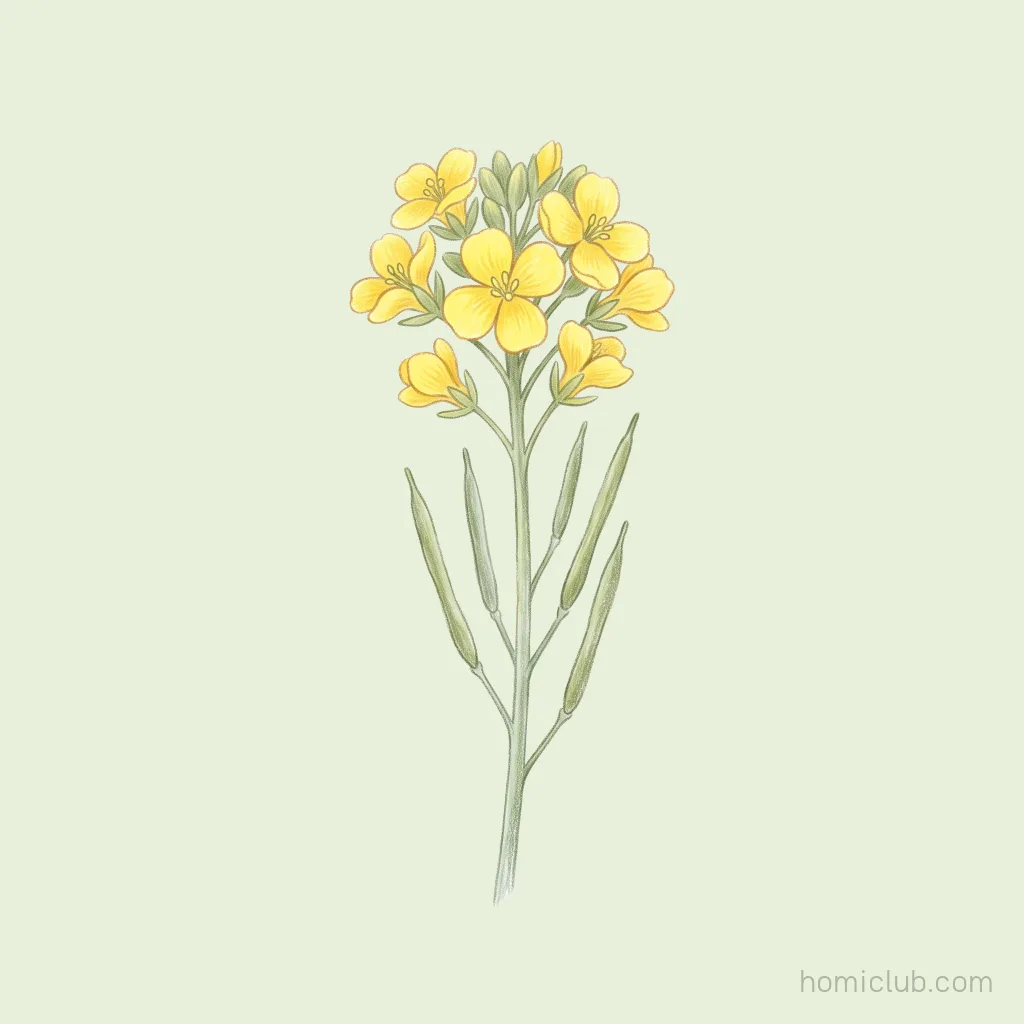
Undae, pyeongji in the old Korean gloss, is rape. It is the same yuchae as in the crop guide, the plant behind the yellow spring fields and the oil pressed from its seed. The text notes that oil was rubbed into the hair, and that Daoists in particular avoided eating the greens over long stretches.
Original, read line by line 東醫寶鑑 · Tangaek — Decoctions vol. 2
-
性溫一云涼, 味辛, 無毒.
Its nature is warm, though one account calls it cool; its taste is pungent, and it is non-toxic.
HomiclubUndae is yuchae, rape. Its old Korean name is pyeongji, and the bloom that covers Jeju and the south coast in yellow each spring is this plant's flower. Being a crucifer, it is of one family with napa cabbage and mustard greens.
-
主遊風丹腫乳癰. 破癥結瘀血.
It governs yupung (遊風, roving wind), danjong (丹腫, erysipelas-like swelling), and yuong (乳癰, breast abscess). It breaks jing-gyeol (癥結, fixed masses) and static blood (瘀血).
-
處處有之, 久食損陽氣. 道家特忌. 《本草》
It is found everywhere, and long use damages yang qi. Daoists in particular shun it. 《Boncho (本草)》
Related Crop
Rapeseed →
Reading on Rapeseed
Vegetables — more entries
This is a cultural and historical record from a classical text, not a claim about any food’s effects. Nothing here is a health supplement or intended to prevent or treat disease. Consult a medical professional about health concerns. · Text: Korean Medicine Classics DB · Reading: Homiclub