

- Type
- Leafy Greens
- Difficulty
- Easy
- Season
- Spring·Fall
- Sowing
- From seed
Rapeseed
Brassica napus
Glucosinolates · a spring green and an oil crop
Rapeseed is a biennial brassica: the young leaves and flowering stems are eaten as a green, while the ripe seed is pressed for oil. Sown in autumn, it overwinters in leaf, picks up again in early spring and opens yellow flowers in March and April. The rapeseed fields of Jeju and the southern coast are the famous version, but in a city the practical approach is an autumn row sowing in a spare bed or a large pot, harvested only for spring greens. The Donguibogam lists it in the Vegetable section as 芸薹 and glosses the Korean name as pyeongji, calling it warm in nature though some say cool, pungent in taste and free of toxicity. The same entry notes that it grows everywhere, that Daoists in particular avoided eating it over long periods, and that the seed was pressed for oil.
Year-Round Calendar
- 1
- 2
- 3
- 4
- 5
- 6
- 7
- 8
- 9
- 10
- 11
- 12
- 9
- 10
- 3
- 4
Where It Grows
-
Main producer
Spring types are grown in the three Prairie provinces: Saskatchewan, Alberta and Manitoba. Under the name canola, the country leads world trade in rapeseed oil. Harvest August, September
- 8
- 9
-
Main producer
Winter types in the Yangtze basin are the mainstay. Seed is sown in autumn into paddies after the rice has been taken off, and harvested in spring. Harvest May
- 5
- Major producer It is grown on the northern plains during the dry winter season. What is actually grown, however, is mostly the mustard line (Brassica juncea), and the statistics likewise count rapeseed and mustard together.
-
Major producer
Winter types in the Paris Basin are the mainstay, and this is Europe's largest producing region. Harvest July
- 7
- Major producer Winter types are grown on the northern and eastern plains.
-
Major producer
Spring types are grown in the wheat belts of the southeast and southwest. Being in the Southern Hemisphere, the harvest arrives during what is early winter in Korea. Harvest November, December
- 11
- 12
It is an allopolyploid species that arose from a cross between Chinese cabbage and cabbage, and is thought to have been established in Europe; because no country can be pinned down as its wild place of origin, no origin row has been given. Growing areas divide into winter-type zones, where winters are mild enough for the plant to pass the winter in leaf (the Yangtze basin in China and Western Europe), and spring-type zones, where winters are too cold and sowing is done in spring (the Canadian Prairies and Australia); this difference is what gives each country a different harvest season. Indian statistics count rapeseed and mustard as a single item, so mustard is mixed into the ranking.
- Optimum
- 12~20℃
- Range
- 3~30℃
- Hardiness
- Hardy
- Day length
- Long-day
Rapeseed is a cool-climate crop. Winter types overwinter — they pass the winter in the field as living plants — holding their leaves, and under snow cover they withstand around -15℃; but if they go into winter with leaves that have grown long and soft, freeze damage is much worse. Once they have been through the winter cold and the days lengthen in spring, a flower stalk rises and yellow flowers open. Spring types, sown in spring, do not pass through a winter and ripen in the summer of the same year.
In Korea Southern Korea
- 9
- 10
- 3
- 4
- 3
- 5
How to grow
- Light
- A spot with five hours of sun or more. It has to overwinter, so avoid anywhere the north wind hits directly
- Soil and depth
- Free-draining loam at pH 6.0-6.5. Leave at least two years before following cabbage, radish or mustard on the same ground
- Spacing
- Sow in rows and thin to 10-15cm between plants for greens, 20cm if saving seed. Rows 30cm apart
- Watering
- Keep the bed from drying until germination is even. Water almost not at all through winter, then resume as new leaves start in early spring
- Feeding
- Base dressing only; no top dressing before winter. Give a single feed in late February as new growth begins
- Harvest
- For greens, snap off the young stems by hand in March and April before the buds form. Cutting once brings side shoots, giving two or three more pickings. For seed, cut the plants in May or June as the pods dry brown
What makes the difference. Autumn sowing suits late September to early October. Sow too early and the plants run up before winter and take heavy frost damage, so time it to meet winter at six to eight true leaves
Why this one is harder. Overwintering outdoors is difficult in the inland central region. There, either sow in March for greens in May, or cover with two layers of fleece to get through the cold
Common problems
- Flea beetles You will see Seedling and young leaves peppered with holes the size of a grain of millet What to do Covering with fine mesh from the day of sowing is the surest answer. Clear surrounding weeds to cut down their shelter
- Cabbage white caterpillars You will see Leaves shot through like netting, with green caterpillars and dark droppings visible What to do Rub the yellow eggs off the leaf undersides and pick the caterpillars by hand. Put the mesh back on once the butterflies arrive in spring
- Aphids You will see Grey-white colonies massing on flowering stems and leaf undersides, leaving everything sticky What to do Wash them off with a jet of water and use an egg-yolk oil spray if they return. Plants given a heavy single feed attract them most
This page describes how a crop is grown and used. It does not claim health effects for any food, nor is it intended to prevent or treat disease. Component and study notes are references only and do not mean the same result occurs in people. Consult a medical professional about health concerns.
Health Benefits
What the Donguibogam records — the name pyeongji, nature and taste. The Donguibogam lists rapeseed in the Vegetable section as 芸薹 and glosses the Korean name as pyeongji. It calls the plant warm in nature, adding that some say cool, and records the taste as pungent with no toxicity. It notes the plant is common everywhere, and that Daoists in particular avoided eating it over long stretches. A separate line records that the seed was pressed for oil. This is a historical medical record and differs from modern medical judgment.
Canola breeding and fatty acid profile. From the 1970s onward, rapeseed breeding produced cultivars with both the erucic acid share of the seed oil and the glucosinolate content of the seed lowered, and that group is distinguished as canola. The standard of keeping erucic acid under 2% in food-oil cultivars is documented alongside it. This concerns fatty acid composition and cultivar classification, and has no bearing on the prevention or treatment of disease.
Nutrition
- Glucosinolates (gluconapin, progoitrin and others) — the sulphur compounds behind the brassica bite
- Erucic acid (high in landrace oil; under 2% in food-oil cultivars) — the marker that divides rapeseed oil types
- Beta-carotene (highest in dark overwintered leaves) — the yellow-green pigment of the leaf
- Vitamin C and calcium (measured in young leaves) — components commonly reported in spring greens
Pigment in overwintered leaves Leaves sown in autumn and carried through winter are a deeper green than spring-sown ones. That dark leaf carries carotenoids, beta-carotene among them. Carotenoids are fat-soluble, so they come out more readily in a dish cooked with oil. Blanching and dressing with sesame or perilla oil, the long-standing Korean method, lines up with that.
Glucosinolates and the pungent edge The sharp note in rapeseed greens comes from glucosinolates, shared across the brassicas. When the tissue is damaged, an enzyme called myrosinase breaks them down into isothiocyanates, and that is when the pungent smell rises. Boiling water kills the enzyme and leaches the water-soluble fraction, leaving a flatter taste. To keep the edge, blanch briefly and do not leave the greens sitting in cold water.
Erucic acid and canola Old rapeseed oil was high in a fatty acid called erucic acid. During the 1970s Canadian breeders produced cultivars low in both erucic acid and seed glucosinolates, and that group is called canola. Rapeseed oil sold for cooking today meets a limit of under 2% erucic acid. Oil pressed at home from landrace seed off an ornamental planting has been through no such standard, so it is not oil to cook with day to day.
Pairings
○ Dressed with vinegared gochujang — Lightly blanched rapeseed keeps a sharp finish, and the sourness and sweetness of a vinegared chilli paste round that edge off. Blanch for no more than thirty seconds, rinse in cold water and squeeze dry. Dress it only just before it goes to the table.
○ Perilla or sesame oil — The leaf carotenoids are fat-soluble, so they release better eaten with oil. Perilla oil runs along the same pungent line as the greens rather than fighting them. Blanched leaves dressed with nothing but salt and oil already taste complete.
○ Doenjang, in soup or as a dressing — The salt and savour of soybean paste hold down the slight bitterness of the greens. Added to soup, they go in last for a single boil. Longer cooking collapses the leaf and turns the colour yellow.
△ Home-pressed landrace seed oil — not an everyday cooking oil — Rapeseed oil sold as food oil is pressed from canola cultivars managed to keep erucic acid under 2%. Seed saved from an ornamental or landrace planting was never grown to that standard, so oil pressed from it at home does not belong in the everyday cooking-oil slot. Seed of unknown cultivar is not seed to press.
△ Leaves and flowering stems from ornamental fields — leave them — Rapeseed planted for festivals, roadsides and embankments is grown to be looked at, not managed as food. There is no way to know which sprays went on or when, so neither leaves nor flowering stems should be picked. Greens for the table should come from your own autumn sowing or from rapeseed sold as a vegetable.
Varieties
- Tammi-yuchae (seed) — An oil cultivar bred by the Rural Development Administration for southern overwintering
- Jungmo 7001 (seed) — A domestically bred line released under its breeding designation
- Landrace rapeseed (seed) — The old high-erucic line, now grown mostly for landscape display and green manure
- Canola types (seed) — The cultivar group bred down in erucic acid and glucosinolates. Grown for cooking oil
Source: Donguibogam, Vegetable Section 芸薹 · Rural Development Administration (Nongsaro) · Korean Food Composition Table
Stories about Rapeseed
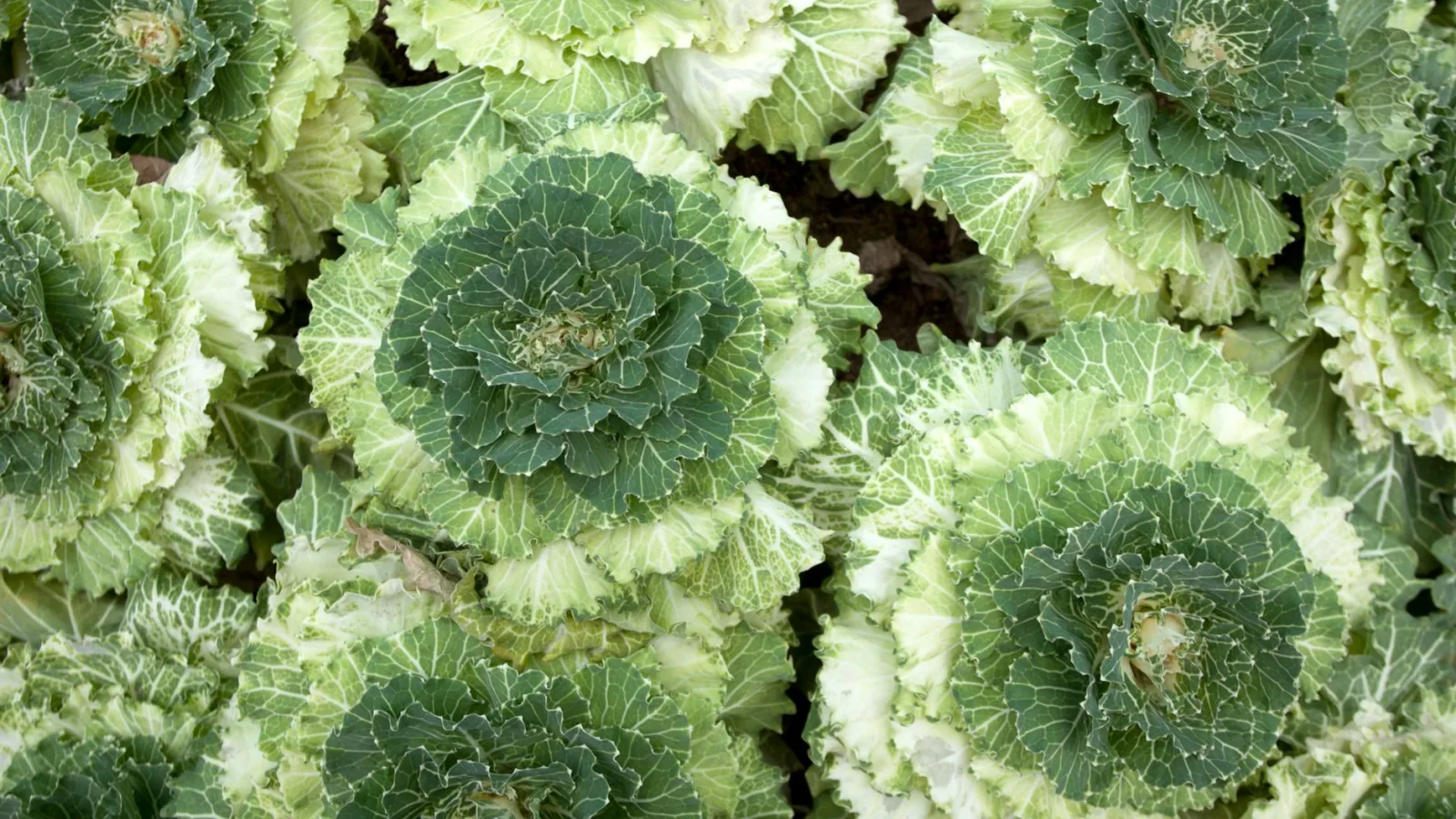
Red, Hard-Packed Garden Soil? Add a Handful of Charcoal to Your Compost
When garden soil turns red, hard and sour, extra fertilizer often doesn't help. A study of rapeseed grown in acidic red soil found that adding compost and biochar raised pH, increased organic matter and changed the bacteria living around the roots.
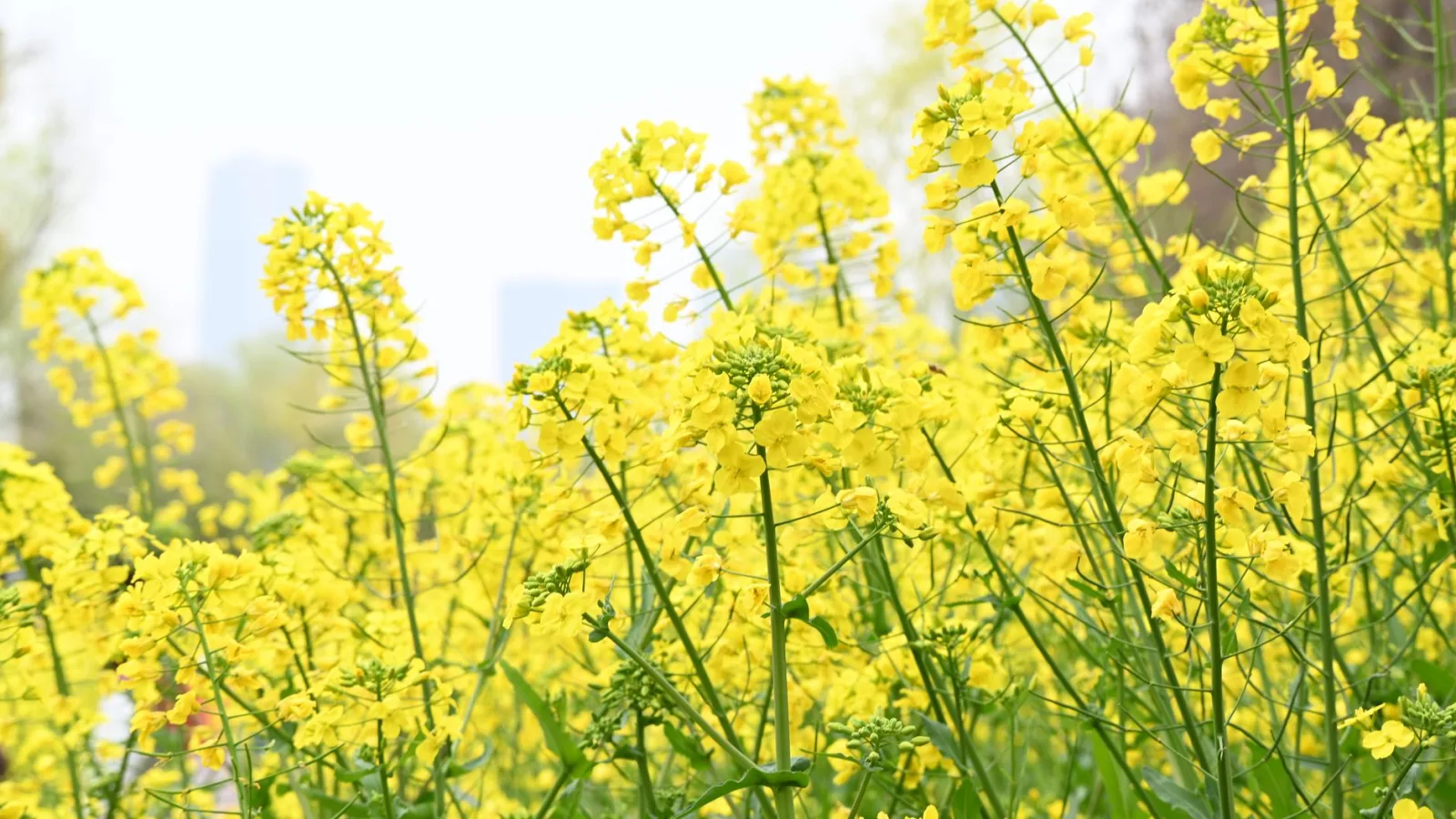
Soak Your Seeds Before Planting, and They'll Stand Up Better to Drought
A new meta-analysis of 28 studies found that a quick soak and dry before sowing helped both rapeseed and cotton withstand drought. Each crop protected itself in its own way.
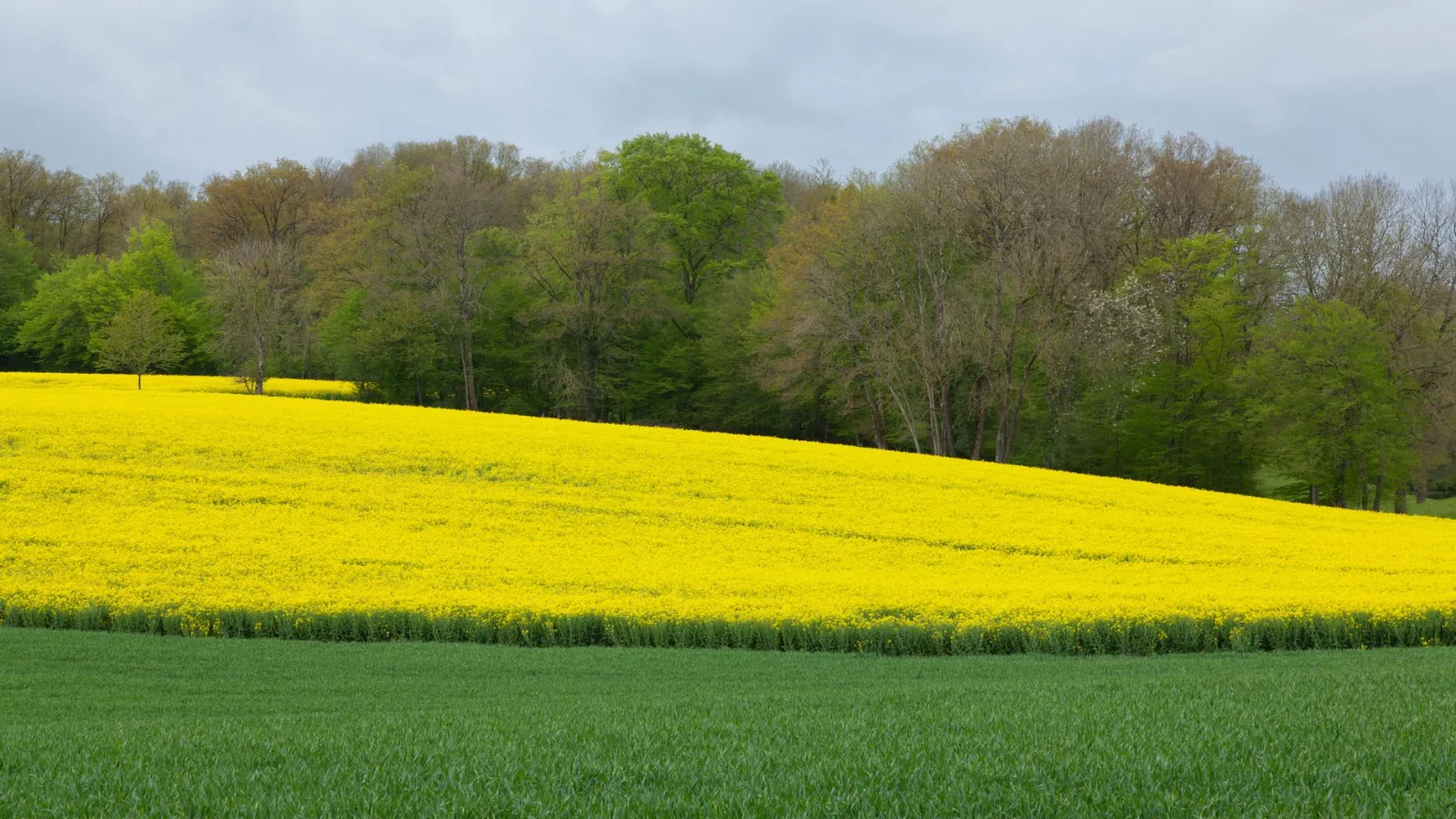
Rapeseed Greens: What Do You Set Against That Peppery Finish?
Rapeseed sown in September winters over and comes back tender in early spring — and 30 seconds in boiling water is only half the job. Here's how chogochujang, perilla oil, and doenjang each handle the leaf's peppery, faintly bitter finish.