
Tangaek — Decoctions · Fruits
葉 Gyullamu Ip (귤나무 잎)
Leaf (葉, Yeop)
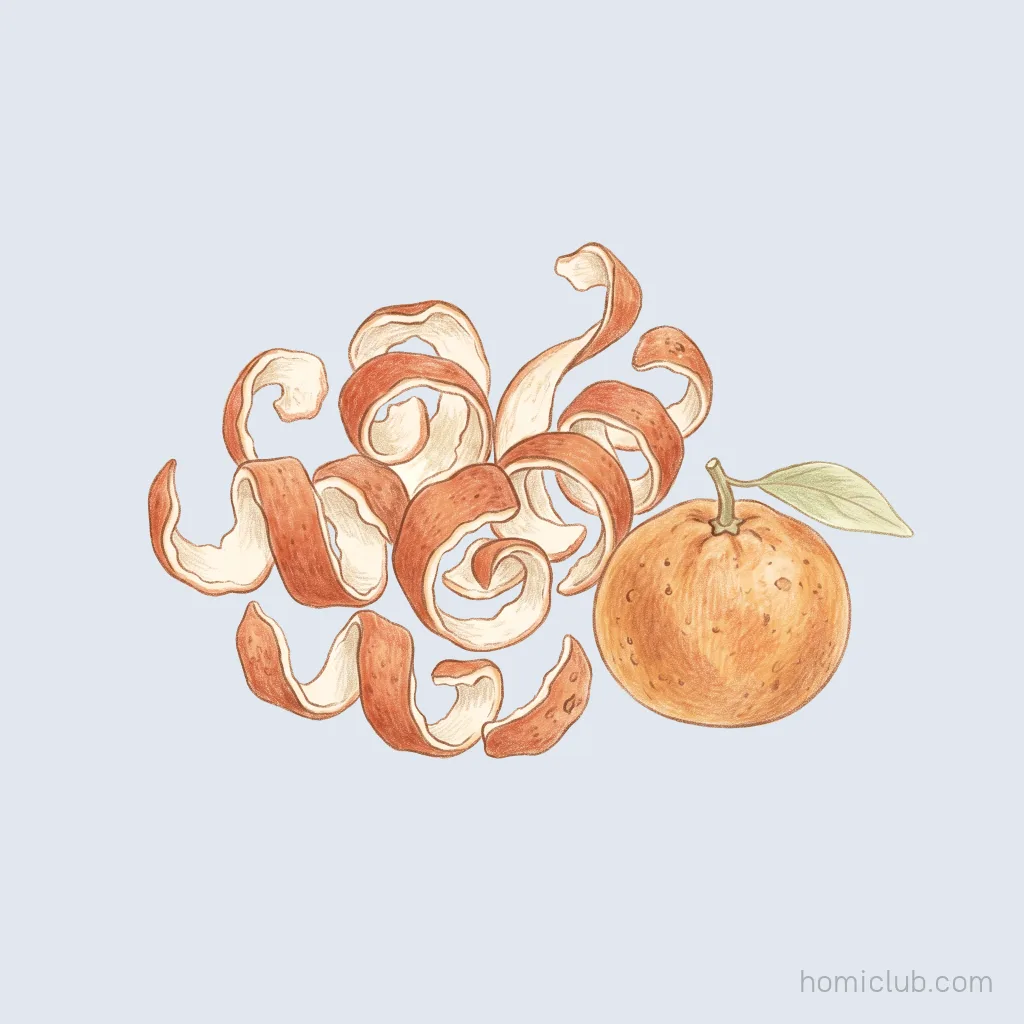
Yeop is the leaf of the tangerine tree. In the Dongui Bogam, it appears in the Fruits section (果部) as one of the parts recorded under the tangerine entry, listed after the peel, the flesh, the white inner membrane, the seeds, and the green (unripe) peel.
The tangerine is an evergreen, so its leaves do not fall even in winter. The leaf stalk bears a small wing-like flange — a feature distinctive enough that a tree can be recognized as a citrus by its leaves alone.
In citrus orchards today, only the fruit is harvested; the leaves are not put to any separate use.
Original, read line by line 東醫寶鑑 · Tangaek — Decoctions vol. 2
-
導胸中逆氣, 行肝氣, 乳腫及脇癰用之. 《入門》
It guides down qi that surges counterflow in the chest and moves the qi of the liver; it is used for swollen breasts and for ong (癰, deep-rooted sores) at the ribs. 《Immun (入門)》
HomiclubThese are the leaves of the tangerine tree. Citrus leaves are thick and glossy, and a small wing on the leaf stalk marks them as citrus even when seen alone.
Fruits — more entries
This is a cultural and historical record from a classical text, not a claim about any food’s effects. Nothing here is a health supplement or intended to prevent or treat disease. Consult a medical professional about health concerns. · Text: Korean Medicine Classics DB · Reading: Homiclub