
Tangaek — Decoctions · Fruits
柰子 Crabapple
 Related Crop · Crabapple →
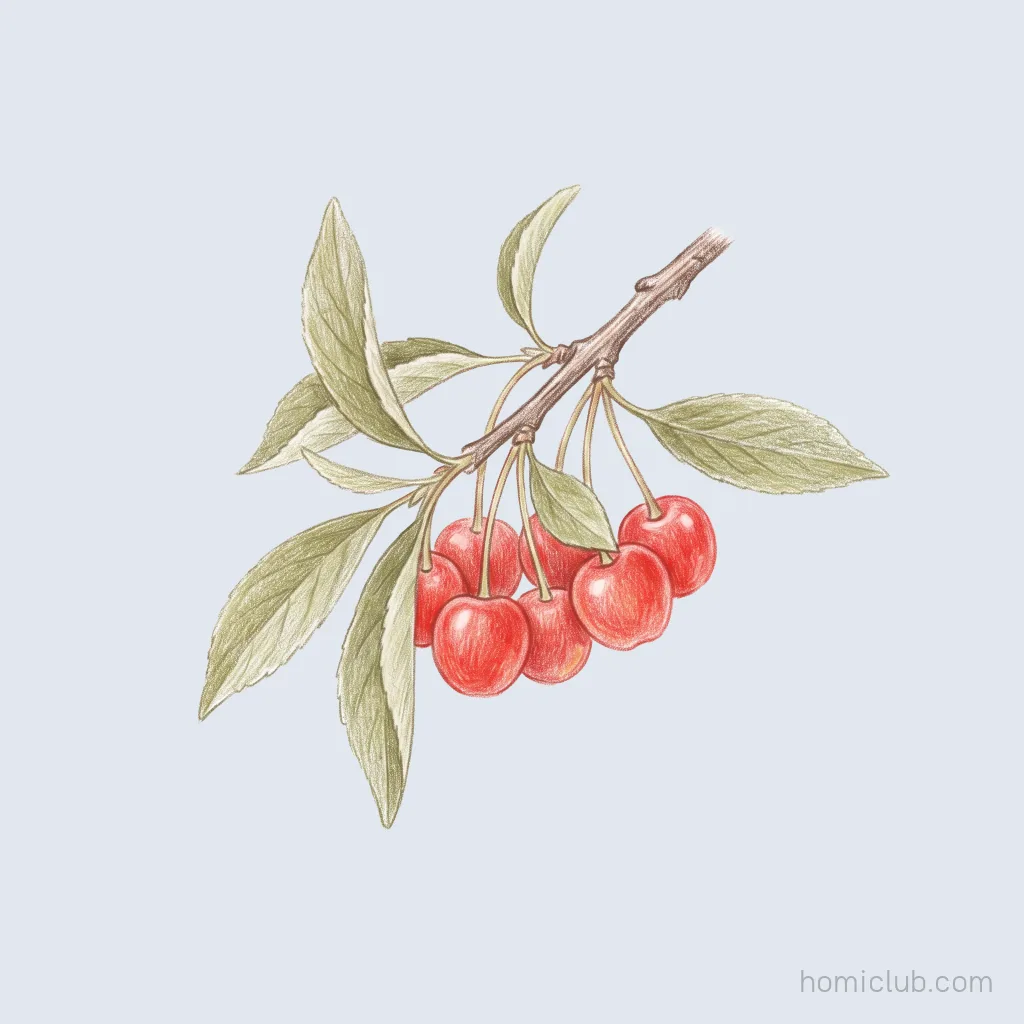
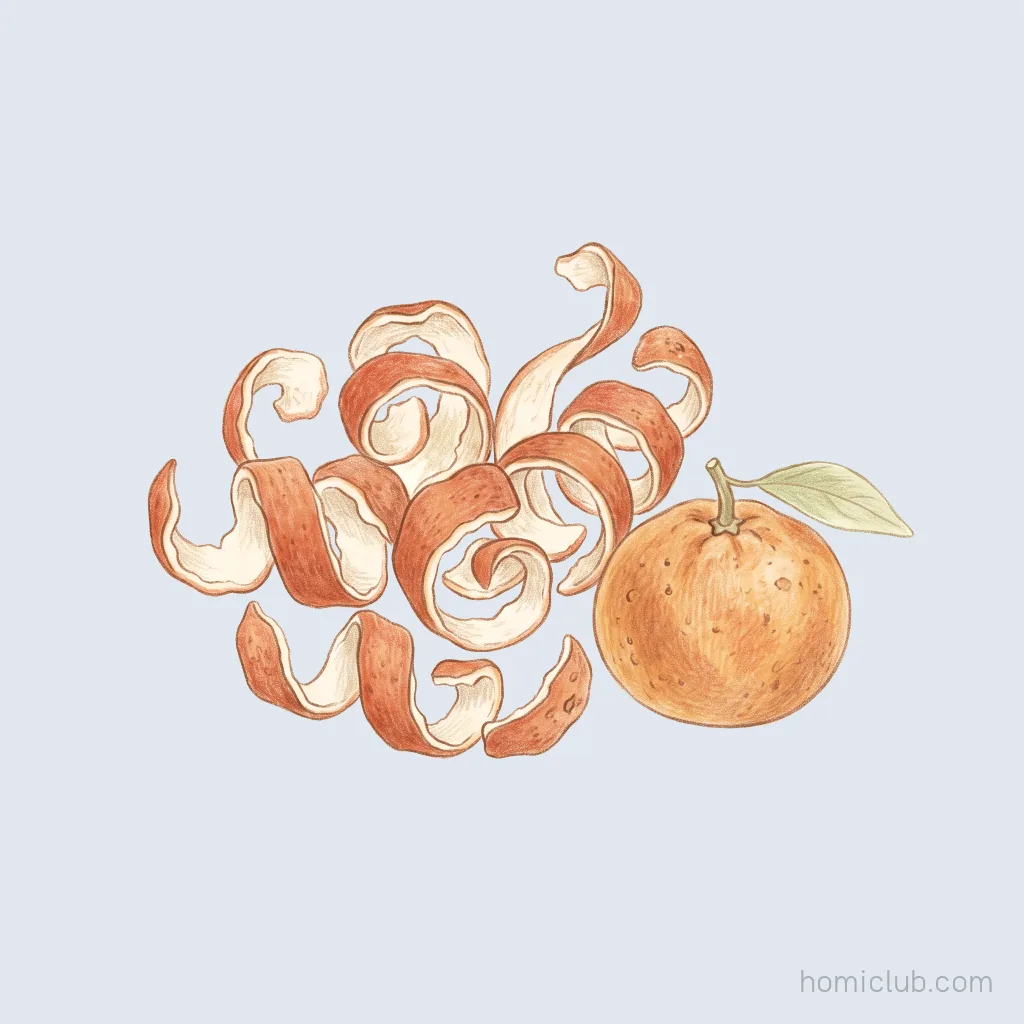
Naeja is a small apple, the same fruit as the neunggeum in the crop guide. What is sold today as crabapple belongs to this group. Dongui Bogam says it resembles the neunggeum but smaller, and adds that eating a lot of them leaves the belly bloated.
Original, read line by line 東醫寶鑑 · Tangaek — Decoctions vol. 2
-
性寒一云冷, 味苦一云苦澁, 無毒.
Its nature is cold (one account says chilly), its taste bitter (one account says bitter and astringent), and it is non-toxic.
-
益心氣, 和脾, 補中焦諸不足氣.
It nourishes the heart's qi, harmonizes the spleen, and replenishes the various deficient energies of the middle burner.
-
在處有之, 似林檎而小,
It is found everywhere; it resembles the neunggeum (林檎) but is smaller.
HomiclubThat it is smaller than imgeum (林檎), the neunggeum of the translation, runs opposite to the Chinese materia medica. Tao Hongjing of the Liang said that 林檎 resembles 柰 but is smaller, and Li Shizhen of the Ming likewise wrote that the tree and fruit of 柰 resemble 林檎 but are larger. The Dongui Bogam enters 林檎 separately in the same fruit section under its own Korean name, nimgeum, keeping the two fruits apart.
-
多食令人脹. 《本草》
Eating much of it causes distension. 《Boncho (本草)》
Related Crop
Crabapple →
Fruits — more entries
This is a cultural and historical record from a classical text, not a claim about any food’s effects. Nothing here is a health supplement or intended to prevent or treat disease. Consult a medical professional about health concerns. · Text: Korean Medicine Classics DB, collated with the Jangseogak copy of the 1613 wooden movable-type edition · Reading: Homiclub