

- Type
- Fruiting Vegetables
- Difficulty
- Hard
- Season
- Summer
- Sowing
- Transplant
Bell Pepper (Paprika)
Capsicum annuum
Top vitamin C levels in a sweet pepper that comes in many colors
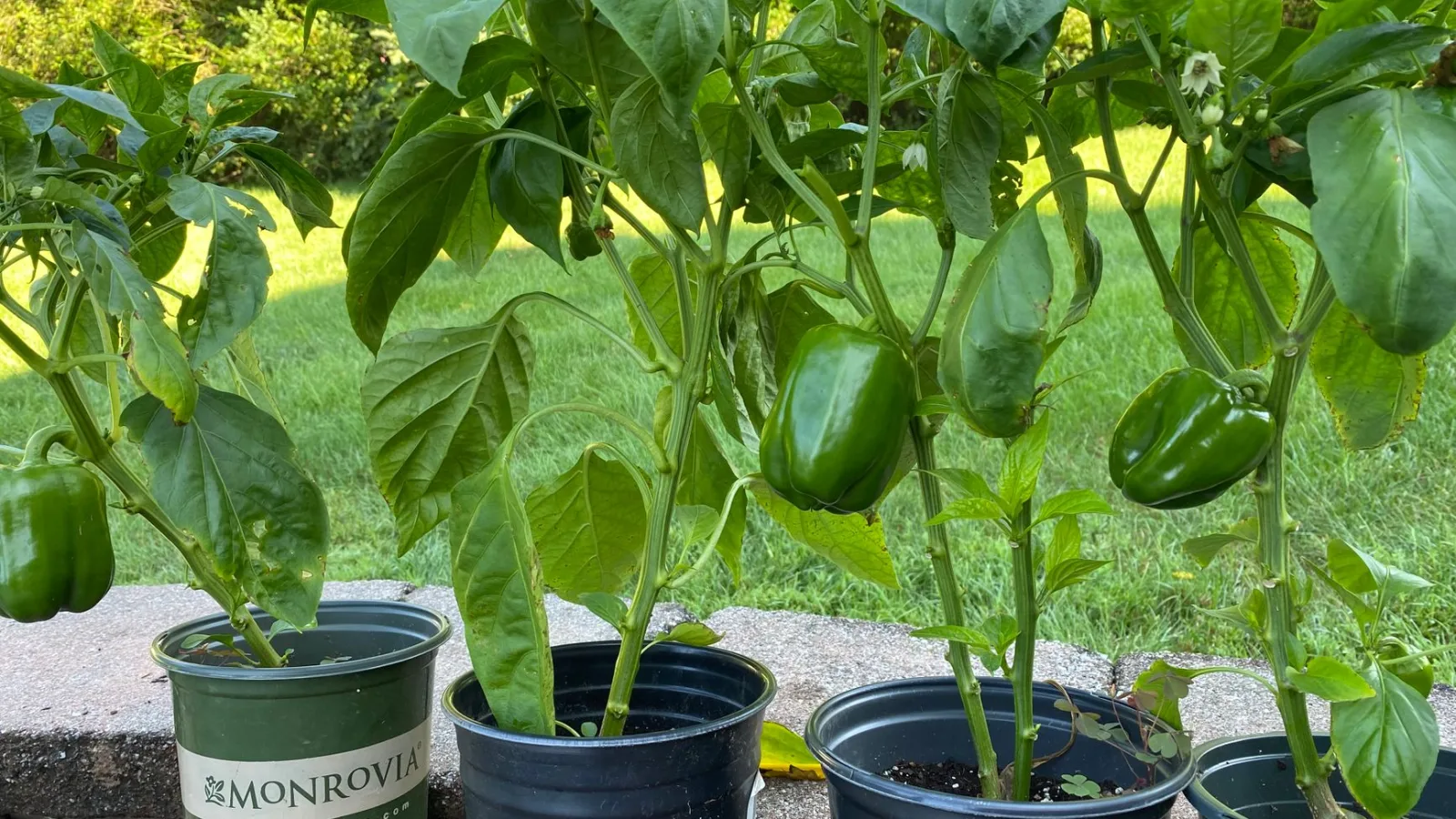
Sweet bell peppers, known in Korea as paprika, rank among the richest vegetable sources of vitamin C. Their red, yellow, and orange colors come from carotenoid pigments such as beta-carotene and capsanthin. With no heat to speak of, they are crisp and pleasant eaten raw, and their range of colors brightens up any dish. Like chili peppers, they are started from transplants set out in May.
Year-Round Calendar
- 1
- 2
- 3
- 4
- 5
- 6
- 7
- 8
- 9
- 10
- 11
- 12
- 5
- 7
- 8
- 9
- 10
Where It Grows
- Main producer Accounts for roughly half of world pepper production. Hot peppers are caught up in the same statistics.
- Main producer Lies within the native range of Capsicum and is still a leading producer. Protected cultivation in Sinaloa, in the north-west, supplies North America's winter volume.
- Major producer Protected cultivation around Antalya, on the Mediterranean coast, is the centre of production.
- Major producer Open-field growing carries on in a climate that is hot all year.
- Major producer The plastic-greenhouse districts of Almería and Murcia supply Europe's winter volume.
- Major producer Growers make up for a climate short on sun with glasshouses and supplementary lighting, and the country ranks among the world's leading exporters of sweet peppers.
The genus Capsicum comes from Central and South America and cannot be pinned to any single country, so no country-of-origin row has been set up here. The sweet, non-pungent peppers crossed over to Europe and were improved in Hungary, the Netherlands and elsewhere, acquiring the name paprika and their present shape; they reached Korea in the 1990s. The FAO counts sweet peppers and hot peppers together as a single item, chillies and peppers, so hot peppers are mixed into the ranking above.
- Optimum
- 20~27℃
- Range
- 13~32℃
- Hardiness
- Not hardy
Blossoms drop when night temperatures fall below 16℃ or day temperatures climb above 32℃. While the fruit is colouring up the plant wants plenty of sun, but the moisture at its roots must stay steady, and it will not survive frost.
In Korea Nationwide
Almost the entire crop is grown under cover. Summer volume comes from greenhouses in the highlands — cool upland farming areas such as Pyeongchang and Cheorwon in Gangwon, where summers stay cool — and winter volume from greenhouses in the south, in South Jeolla and South Gyeongsang; between them the crop is available all year. In the open field it is planted in May and can only be picked until the frosts.
How to grow
- Light
- It wants a lot of sun
- Soil and depth
- 30cm deep or more; 15 litres in a pot
- Spacing
- 45cm
- Watering
- Steady. Dry-then-wet gives you black rot at the base of the fruit
- Feeding
- Every fortnight. Short calcium and you get blossom end rot
- Harvest
- Once fully coloured. Green to red takes another three or four weeks
What makes the difference. The hard part is waiting for the colour. Picked green it is far less sweet
Why this one is harder. It takes weeks to colour, and if watering wavers in that time you get blossom end rot
Common problems
- Blossom end rot You will see A sunken black patch on the bottom of the fruit What to do Not a disease but a calcium uptake problem. Even watering is the real fix
- Aphids You will see Sticky new growth What to do Wash them off
This page describes how a crop is grown and used. It does not claim health effects for any food, nor is it intended to prevent or treat disease. Component and study notes are references only and do not mean the same result occurs in people. Consult a medical professional about health concerns.
Health Benefits
Vitamin C content. Bell pepper sits among the vegetables higher in vitamin C. That is as far as nutrient composition takes the account, and it is not a statement about any particular condition.
Different carotenoids by color. The carotenoids present differ with color: capsanthin in red bell peppers, lutein and zeaxanthin in yellow ones. The pigment composition is established, but human studies are scarce.
Extract and supplement studies differ from food. Capsicum studies dealing with lipids or metabolism have mostly used extracts and supplements, run under conditions different from eating bell pepper as food. Their results cannot be read across to bell pepper on the plate.
Stand-alone studies on sweet bell pepper are scarce. Randomized controlled trials on sweet bell pepper alone are very limited. What can be stated at present stops at nutrient composition.
Nutrition
- Vitamin C (Highest among vegetables) — A water-soluble vitamin
- Beta-carotene and capsanthin (Red and yellow pigments) — Carotenoid pigments
Vitamin C Bell pepper ranks at the very top among vegetables for vitamin C, and the red type is reported well above 100 mg per 100 g. A single fruit holds an amount that covers the daily recommended intake with room to spare.
Beta-carotene & capsanthin Beta-carotene and capsanthin, which create the deep color of red bell pepper, are carotenoid pigments. Capsanthin is especially abundant in this crop, and research on it in connection with antioxidant activity has been reported.
Lutein & zeaxanthin Yellow bell peppers hold lutein and zeaxanthin. It is established that both pigments accumulate in the macula of the eye, and research continues on their relationship with blue light and reactive oxygen species.
No capsaicin (or only trace amounts) Bell pepper is a sweet pepper variety, so it holds almost none of the capsaicin that produces pungency. This is the largest difference from ordinary chili peppers, and because people with a low tolerance for heat can eat it comfortably, it appears often in children's meals.
Vitamin B6, folate, vitamins E & K Vitamin B6, folate, vitamin E and vitamin K are all present in balance in bell pepper. Together with vitamin C they make up a combination that covers several nutrients at once.
Flavonoids (quercetin & luteolin) Flavonoids such as quercetin and luteolin are present in bell pepper. Alongside the carotenoids they make up the antioxidant group of compounds in this crop.
Pairings
○ Olive oil and avocado — The carotenoids in bell peppers are fat-soluble, so more of them is absorbed when fat comes along. A salad dressed with olive oil, or a dip built on avocado, does exactly that. Even eaten raw, a spoonful of oil alongside is enough.
○ Meat and cheese — Vitamin C is known to help the body absorb iron from plant foods. Served with beef, pork or cheese the flavours balance out, and iron and vitamin C arrive on the same plate. Sliced raw as a side, the vitamin C is not lost to heat.
○ Onion and garlic — Cooked with onion and garlic, bell peppers become the base for traditional dishes like ratatouille, Hungarian goulash, and pepper stew. The antioxidants in all three combine to bring a variety of polyphenols together in one dish. Garlic · Onion
○ Tomato and eggplant — Add bell peppers to tomato and eggplant and you have a Mediterranean medley. Ratatouille is the classic example, where the carotenoids and anthocyanins of these three nightshades come together for rich color and nutrition at once. Eggplant · Tomato
○ Lemon and vinegar — A splash of lemon or vinegar makes the sweetness of bell peppers stand out. Left to marinate, they take on the aroma and keep a few days longer in the fridge. Acid draws water out, so cut the slices on the thick side.
○ Eggs — Folded into an Israeli-style shakshuka or an omelet, bell peppers make for a well-balanced meal of protein and carotenoids. The fat in the eggs aids carotenoid absorption, while the peppers' vitamin C helps the body take up the iron from the eggs.
△ Nightshade allergy — Bell peppers belong to the nightshade family (Solanaceae), so anyone with a nightshade allergy should avoid them. If you react to tomatoes, eggplant, or potatoes, treat bell peppers with the same caution. Eggplant
△ Large amounts raw on an empty stomach — Eating a lot of raw bell pepper on an empty stomach can irritate the stomach. Enjoying moderate amounts during a meal or as a post-meal snack is easier on your digestion.
Varieties
- Red type (Transplant) — Takes three to four extra weeks to turn from green to red, and gets sweeter the longer it hangs.
- Yellow and orange types (Transplant) — Color up a little sooner than red ones and have thinner skin, which suits raw slices.
- Mini (snack) paprika (Transplant) — Finger-sized fruit sets in numbers even in a pot, and colors up early for a first picking.
- Pimang (green sweet pepper) (Transplant) — Picked green and unripe. Thin flesh, faintly bitter, and the earliest of these to harvest.
Source: Food and Nutrition Information
Stories about Bell Pepper (Paprika)
Cowpeas That Insects Leave Alone: Is the Nutrition Still There?
Bt cowpea was engineered to fend off the pod-boring caterpillars that can wipe out half a West African harvest. A recent study broke the seed down compound by compound and found its protein, zinc, and iron essentially intact.
The Netherlands, Export Powerhouse — Until You Look at the Dinner Table
The Netherlands ranks as the world's second-largest food exporter, but a Wageningen University study that counts calories, protein, farmland, and feed — imports included — finds its real contribution to the global food supply is far smaller than its reputation. A balcony garden makes the same point: what actually reaches your table can differ from the headline numbers.
Eating Well but Still Losing Focus?
You're loading up on vegetables, yet every afternoon your concentration slips and your thinking goes foggy. Research suggests the ultra-processed foods sharing your table may be quietly undermining the benefits — and swapping even one snack for something garden-fresh can start to shift the balance.