

- Type
- Fruiting Vegetables
- Difficulty
- Moderate
- Season
- Summer
- Sowing
- Transplant
Eggplant
Solanum melongena
Nasunin · the anthocyanin behind the purple skin
The deep purple skin of an eggplant owes its color to nasunin, a pigment of the anthocyanin class. Eggplant is high in water and fiber yet low in calories, which makes it a favorite for lighter cooking. Cooking it with the skin on keeps those pigment compounds on the plate. It also shrugs off heat, so harvests keep coming all summer long.
Year-Round Calendar
- 1
- 2
- 3
- 4
- 5
- 6
- 7
- 8
- 9
- 10
- 11
- 12
- 5
- 7
- 8
- 9
- 10
Where It Grows
- Main producer It produces roughly two-thirds of the world's output. Open fields and greenhouses are used side by side, so shipments continue over a long season.
- Origin The area from eastern India to Myanmar is regarded as the crop's homeland, and the country is still the second-largest producer after China.
- Major producer Grown on irrigated land along the Nile, in a climate with hot summers and almost no rain.
- Major producer The growing areas are the mild lowlands along the Mediterranean and Aegean coasts.
- Major producer Temperatures stay high year-round, so the harvest runs on and on with no worry of frost.
- Major producer Grown on irrigated farmland where summers are hot and dry.
It is native to the region stretching from eastern India to Myanmar, and spread long ago westward to West Asia and the Mediterranean, and eastward to China and the Korean Peninsula. Today China alone accounts for most of the world's production, with the remainder scattered across India and the hot irrigated lands of West Asia and North Africa.
- Optimum
- 22~30℃
- Range
- 15~35℃
- Hardiness
- Not hardy
A tropical crop by origin, it stands up to heat well. When night temperatures fall below 15℃, the flowers drop and fruit sets poorly, and a single touch of frost kills the plant outright.
In Korea Nationwide
It is grown throughout the country. In open fields, seedlings go in the ground in May, picking runs from July to October, and the season ends with the first frost. Winter and early-spring supplies come from greenhouse cultivation.
How to grow
- Light
- It wants a lot of sun, and handles heat well
- Soil and depth
- 30cm deep or more
- Spacing
- 50cm. It spreads wide
- Watering
- Plenty. Short of water and the skin toughens
- Feeding
- Every two or three weeks without fail. It crops for months
- Harvest
- When a gentle press leaves a slight dent. Late and the seeds are hard
What makes the difference. When the plant tires in midsummer, cut it back by about half. It comes again for autumn
Common problems
- Aphids and spider mites You will see Leaf undersides go sticky or rough What to do Spray the undersides with water
- Thrips You will see The fruit surface goes brown and corky What to do Clear the weeds around it; use a soap spray if it persists
This page describes how a crop is grown and used. It does not claim health effects for any food, nor is it intended to prevent or treat disease. Component and study notes are references only and do not mean the same result occurs in people. Consult a medical professional about health concerns.
Health Benefits
Anthocyanins and chlorogenic acid. The pigment in eggplant's purple skin belongs to the anthocyanin class, and the flesh carries phenolic acids such as chlorogenic acid. Both compounds have accumulated research on antioxidant activity, but that does not mean eating eggplant changes the course of any illness.
Turning the peel into a resource. Processing research is underway on extracting polyphenols from eggplant skin for use as a food ingredient. That is a story about turning a discarded peel into a resource, a separate matter from eating the vegetable itself.
Supplement studies are not the food. A meta-analysis pooling clinical trials that gave anthocyanins in supplement form exists, but it studied a refined supplement, which differs from eating eggplant as food in both form and dose. Its results cannot be carried over as benefits of eating eggplant.
The two sides of glycoalkaloids. The glycoalkaloids common to nightshade plants behave differently depending on quantity. Ordinary cooked preparations are regarded as posing no issue, but eating a large amount of unripe fruit raw is not advised.
Pesticide residue and washing. Market eggplant falls within the scope of pesticide-residue monitoring. A source you can trust and thorough washing are the starting conditions for eating it safely.
Nutrition
- Nasunin (Purple-skin pigment) — The anthocyanin-class pigment that colors the skin
- Dietary fiber (Abundant) — The carbohydrate fraction that passes undigested
Anthocyanins Anthocyanins are the pigments that give eggplant its purple skin, and they are widely known as antioxidant constituents. Nasunin, the anthocyanin distinctive to eggplant, has accumulated a substantial body of research on antioxidant activity.
Chlorogenic acid Chlorogenic acid, abundant in eggplant, is among the phenolic acids most often handled in research on antioxidant activity and glucose metabolism. The same compound occurs in coffee and apples, yet eggplant also carries it at meaningful concentrations.
Dietary fiber Eggplant holds roughly 2-3 g of dietary fiber per 100 g. It comes from the cell walls of the skin and flesh, so cooking the fruit with the skin on keeps it on the plate. Dietary fiber passes undigested to the large intestine, where it serves as a fermentation substrate for gut microbes, a subject nutrition research takes up. How the soluble and insoluble shares divide varies with cultivar and analytical method, so no single figure holds.
Glycoalkaloids (solasonine and solamargine) These are natural defense substances common to plants of the nightshade family (Solanaceae). Trace intake is regarded as safe, but eating a large amount of unripe fruit raw can irritate the stomach, so thorough cooking is recommended.
B vitamins, vitamin K, potassium and manganese B vitamins and vitamin K, along with minerals such as potassium and manganese, are present in balance. These nutrients take part in energy metabolism, blood clotting and the working of antioxidant enzymes, and potassium is discussed in nutrition research in connection with blood-pressure regulation.
Pairings
○ Garlic and ginger — Eggplant is traditionally considered a slightly cooling food, so cooking it with warming aromatics like garlic and ginger brings things into balance. Stir-fried eggplant with garlic, or a braised eggplant dish, are classic examples. Garlic · Ginger
○ Olive oil and sesame oil — The fat in olive oil or sesame oil boosts the absorption of eggplant's anthocyanins and carotenoids. Fried or grilled eggplant has become a go-to preparation that strikes a good balance between flavor and nutrition.
○ Doenjang and soy sauce — Pairing eggplant with doenjang (Korean fermented soybean paste) or soy sauce is a tried-and-true approach, whether in Korean gaji-namul (seasoned eggplant) and eggplant salads or in Japanese miso-glazed grilled eggplant. The savory depth of fermented seasonings makes the mild flavor of eggplant richer.
○ Tomato and basil — As Mediterranean ratatouille and eggplant pasta show, tomato and basil pair naturally with eggplant in both flavor and nutrition, even though they come from different plant families (the nightshades and the mints). Lycopene, rosmarinic acid, and nasunin all come together in these dishes. Basil · Tomato
○ Salting — Giving eggplant a light salting draws out bitterness and excess water and improves its texture. This one extra step before cooking tidies up both flavor and texture.
△ Large amounts eaten raw on an empty stomach — Eating large amounts of raw eggplant on an empty stomach can cause irritation from solanine-type compounds and put stress on the stomach. It's safer to cook eggplant thoroughly—which is exactly why Korean, Japanese, and Chinese cuisines almost never serve it raw.
△ Weak digestion — People with weak stomachs should avoid eating large amounts of steamed eggplant or eggplant water kimchi made without warming seasonings like garlic and ginger. Eggplant's cooling nature can be hard on the digestive system.
△ Eating with other migraine-trigger foods — Eggplant contains tyramine, which can trigger attacks in migraine sufferers. People who get frequent migraines should avoid eating large amounts of eggplant at the same time as other tyramine-rich foods, such as aged cheeses and fermented products.
△ Stem caps and roots — The part of an eggplant that is eaten is the fruit. The Donguibogam records the root and the dried stems and leaves (根及枯莖葉) as materials used in medicine, but that is an old record, not a guide to what is edible. Nightshade plants carry glycoalkaloids, so parts other than the fruit are not to be decocted and taken at home.
Varieties
- Long type (Seedling transplanting) — The slender purple eggplant most common in Korean gardens; thin skin cooks through without turning mushy.
- Round (oval) type (Seedling transplanting) — Plump, egg-shaped fruit with thick flesh that holds its shape when cut into thick slices and grilled or fried.
- White eggplant (Seedling transplanting) — No purple pigment in the skin, so it tastes less astringent and will not bleed dark color into a stir-fry.
- Mini eggplant (Seedling transplanting) — Ripens at finger length for frequent small pickings, and the compact plant suits pots or a narrow bed.
Source: Food and Nutrition Information
Stories about Eggplant
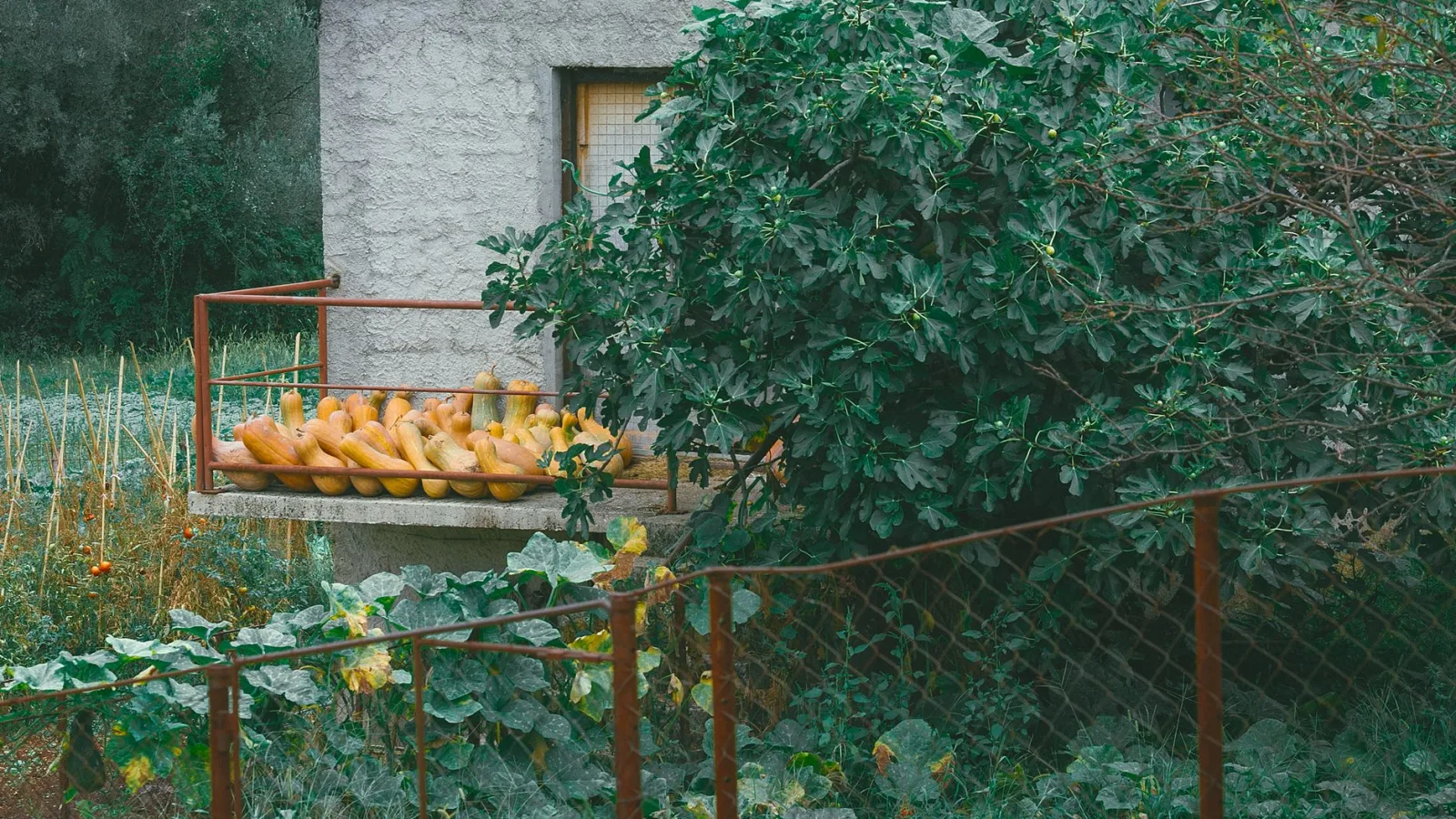
Drying Fall Squash? 60°C Kept the Most of Its Orange Pigments
A study that dried small moranga squash at four temperatures found that 60°C preserved the most carotenoids, the pigments behind that deep orange flesh. Here's how to use the finding with your own fall harvest.
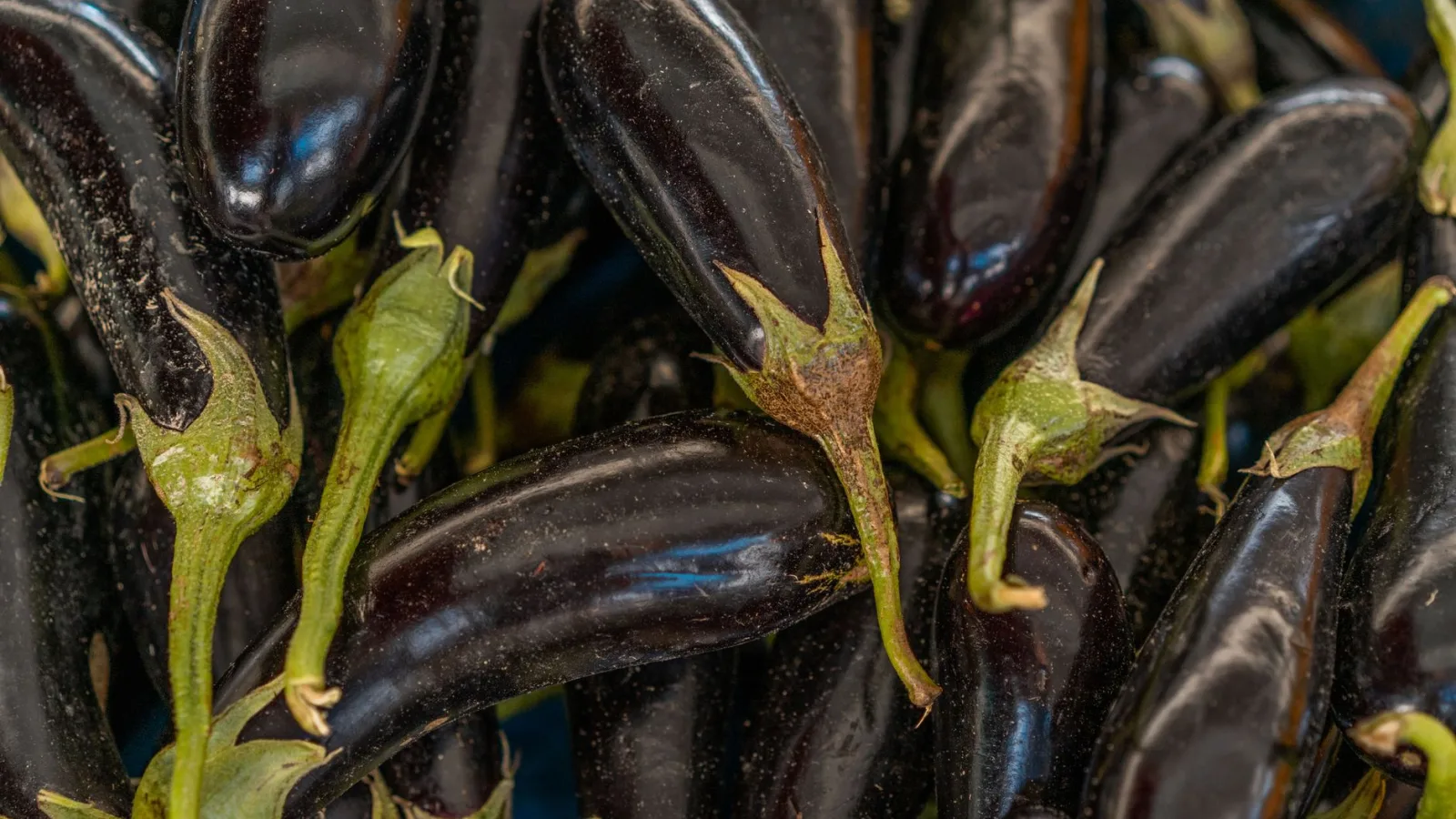
Could Tiny Pores Under Leaves Ease Your Summer Watering Worries?
Scientists at Ruhr University Bochum have identified two enzymes plants need to build working stomata, the tiny leaf pores that release water. The finding could one day lead to drought-tolerant crops, and until then a few simple habits can help your garden handle the summer heat.
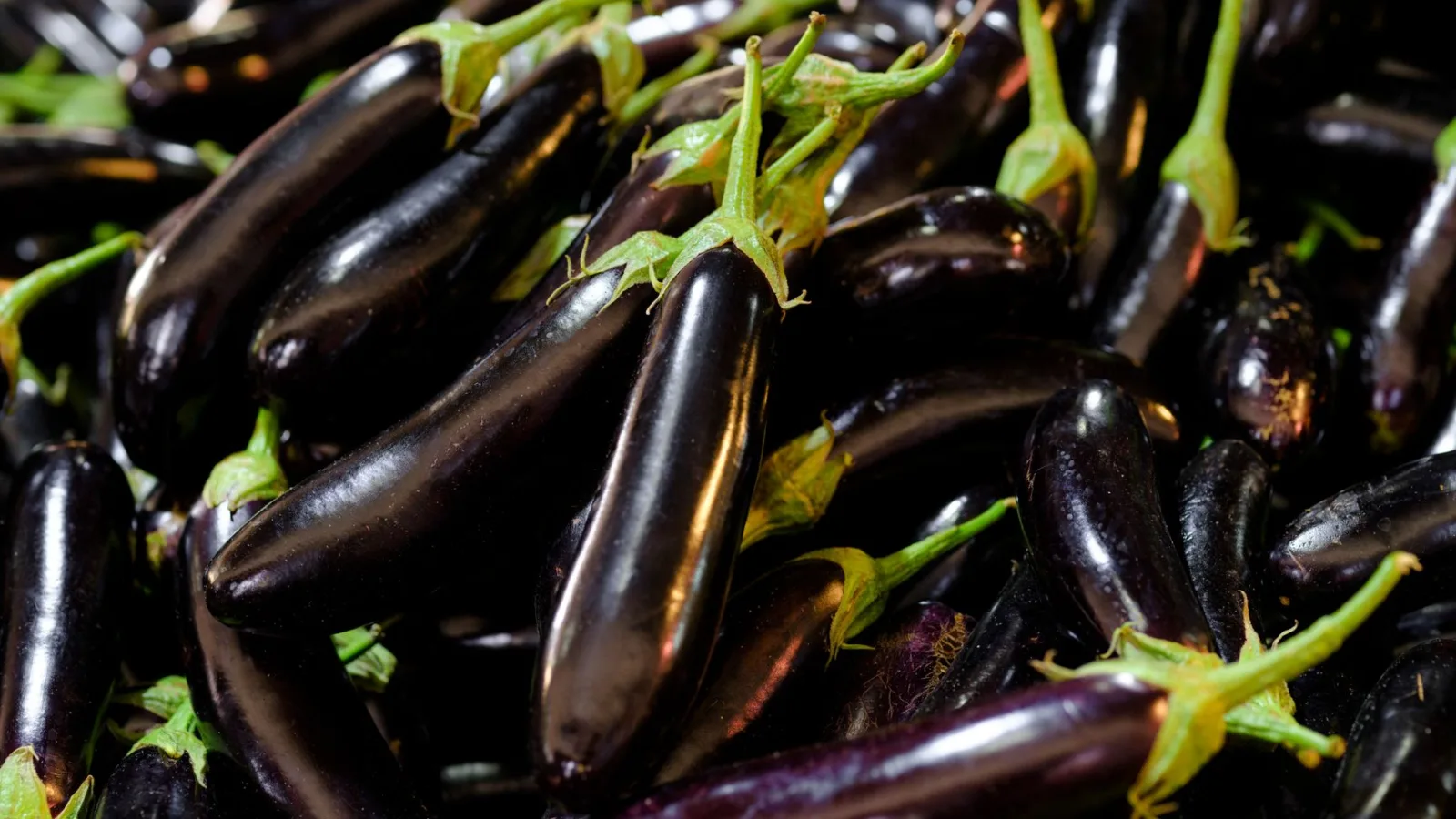
Don't Toss the Duckweed Covering Your Rain Barrel
The duckweed that carpets a rain barrel after summer storms pulls nutrients, heavy metals, and pesticides out of the water. Here's how to put it to work in your garden, and why it should only go into compost or chicken feed if it grew in clean water.
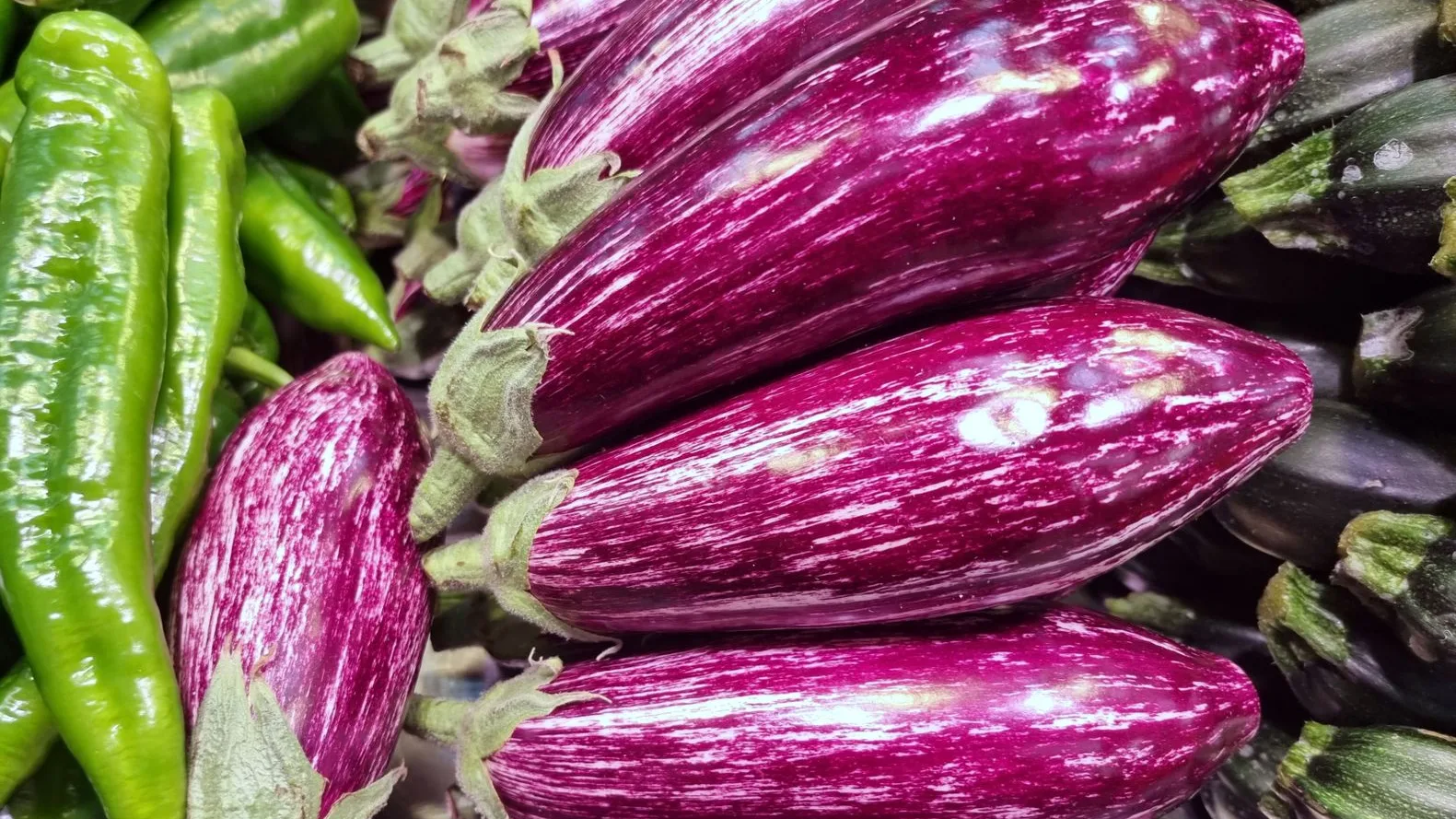
A Dinner Where One Eggplant Stands In for the Meat
A Portuguese study modeled what would happen if kids ate closer to the planetary health diet — and found that piling on vegetables isn't the lever. What needs cutting differs by age, and unless total portions change too, emissions go up rather than down.