

- Type
- Fruiting Vegetables
- Difficulty
- Moderate
- Season
- Summer
- Sowing
- Transplant
Tomato
Solanum lycopersicum
Rich in lycopene, the fruit that gives up more of it when cooked
The standard slicing tomato is larger than a cherry tomato, which makes it a versatile fruit for sauces, soups, and salads alike. Its red pigment, lycopene, becomes far more absorbable when cooked in oil, so a tomato sauce actually delivers more of it than a raw tomato does. Vitamin C and potassium are present as well. Set out transplants in May and stake the plants as they grow. Green unripe fruit, leaves and stems are not eaten.
Year-Round Calendar
- 1
- 2
- 3
- 4
- 5
- 6
- 7
- 8
- 9
- 10
- 11
- 12
- 5
- 7
- 8
- 9
- 10
Where It Grows
- Main producer Produces roughly a third of the world's supply. Xinjiang, Shandong and Inner Mongolia are the main areas, with large volumes going to processing.
- Main producer The second-largest producer, centred on open-field growing in the central and southern Deccan Plateau.
- Major producer Around Antalya on the Mediterranean coast, protected cultivation and open fields run side by side.
-
Major producer
The irrigated land of California's Central Valley is one of the great pillars of the world's processing tomato supply. Harvest July, August, September, October
- 7
- 8
- 9
- 10
-
Major producer
Centred on processing tomatoes from Puglia and Campania in the south. Harvest July, August, September
- 7
- 8
- 9
- Major producer One of the regions where the crop was domesticated; today Sinaloa is the centre of a large winter export trade to North America.
The wild ancestors grew in the dry coastal areas west of the Andes in South America (Peru and Ecuador), while domestication took place in Mesoamerica, centred on Mexico. Because the origin does not resolve to a single country, no country-of-origin row has been recorded. The crop reached Europe in the 16th century and took hold in the Mediterranean; today it is grown across the temperate and subtropical zones alike, in open fields and under cover.
- Optimum
- 20~25℃
- Range
- 10~35℃
- Hardiness
- Not hardy
- Day length
- Day-neutral
Tomatoes do best at 20–25℃ during the day and around 15℃ at night. They flower regardless of day length, but if nights drop below 15℃ or days climb above 35℃, the pollen fails to do its job and no fruit sets. Frost kills them outright.
In Korea Nationwide
In open fields, planting is in May and harvest runs from July to October, while greenhouses in Buyeo, Nonsan and elsewhere supply the winter and spring crop. Midsummer supply is taken up by the highlands (cool upland farming) of Gangwon, where the summers stay cool.
How to grow
- Light
- It wants a lot of sun
- Soil and depth
- 30cm deep or more; 20 litres in a pot
- Spacing
- 50cm
- Watering
- Even. A sudden soaking splits the fruit
- Feeding
- Every fortnight once the first truss sets
- Harvest
- When the colour reaches the shoulders. Ripened on the vine is far sweeter
What makes the difference. Keep pinching out the side shoots in the leaf joints or the fruit stays small. That one habit decides the crop
Common problems
- Blossom end rot You will see A sunken black patch underneath What to do Even watering is the answer
- Late blight You will see Dark patches spreading on leaves and stem, then collapse What to do It arrives with the rains. Strip the lower leaves so air moves
- Fruit-boring moth You will see A hole in the fruit What to do Remove holed fruit
This page describes how a crop is grown and used. It does not claim health effects for any food, nor is it intended to prevent or treat disease. Component and study notes are references only and do not mean the same result occurs in people. Consult a medical professional about health concerns.
Health Benefits
Lycopene as a compound, as seen today. It is established that lycopene, the pigment behind the red color, is a carotenoid for which antioxidant activity is reported. What a compound does in the laboratory and what eating the fruit does about a disease are two different statements.
What cooking changes. Human studies confirm that more lycopene is absorbed when tomatoes are cooked with oil than when eaten raw. That is why sauce and paste release more of it than the raw fruit.
The distance between supplement research and food. Most studies of blood markers used lycopene extracted into supplement form, a different condition from eating the food. Results obtained from capsules cannot be carried over to eating tomatoes.
What observational studies see. Observational studies have reported weak associations between diets high in tomatoes and various health markers. Association is not cause, and the finding may belong to the whole pattern of eating vegetables and fruit.
Nutrition
- Lycopene (the red pigment in the skin and flesh of ripe fruit) — a compound absorbed more readily when heated with oil
- Vitamin C and potassium (present in the ripe fruit) — vitamins and minerals found in the fruit
Lycopene The carotenoid pigment that makes tomato red, and a compound for which antioxidant activity is reported. Cooking loosens the cell walls so more is absorbed, and eating it with oil raises absorption further, which is why sauce and paste release more lycopene than raw fruit.
Beta-carotene & lutein Besides lycopene, carotenoids such as beta-carotene and lutein are present. Beta-carotene converts to vitamin A in the body, and lutein is confirmed to accumulate in the macula of the eye. That does not mean eating tomato prevents any particular eye disease.
Vitamin C, K, folate & potassium Vitamin C, vitamin K, folate and potassium are present together. For a fruit vegetable with this much water content, it carries a fair range of micronutrients at once.
Naringenin & chlorogenic acid The polyphenols naringenin and chlorogenic acid are contained in tomato. They belong to a different class of antioxidant compounds than the carotenoids.
Glutamic acid Glutamic acid, the core of tomato umami, is the more abundant the riper the tomato. It is the source of natural savoriness, so dishes containing tomato carry deep flavor without added flavor enhancers.
Tomatine Unripe green fruit and the leaves and stems carry the glycoalkaloid tomatine. It is a different compound from the solanine of potato, and it drops sharply as the fruit ripens red. Fully ripe fruit is eaten as it is, but green unripe fruit and the leaves and stems can cause digestive irritation and are not eaten.
Pairings
○ Olive Oil — Adding olive oil to tomatoes maximizes lycopene absorption. That is exactly why Mediterranean tomato pasta and Caprese are nutritionally ideal pairings; the combination is simple, but the benefit is clear.
○ Mozzarella and Basil — Caprese is the classic trio that showcases the synergy of tomato, mozzarella, and basil, balancing protein, fat, and antioxidants. The colors of the three ingredients come together for visual appeal and nutritional balance at once. Basil
○ Garlic and Onion — The foundation of any tomato sauce is its pairing with garlic and onion. It's a universal combination found across cuisines, from Italian ragu to salsa to Korean kimchi-jjigae (kimchi stew), with sulfur compounds and lycopene working together. Garlic · Onion
○ Eggs — Chinese-style tomato and egg stir-fry and Israeli shakshuka are signature dishes that pair tomatoes with eggs. The egg's protein and fat help with lycopene absorption while rounding out the flavor of the dish.
○ Beef and Pork — Adding meat to tomatoes brings together protein, lycopene, and umami. The synergy shows up best in long-simmered dishes such as ragu sauce or tomato stew.
○ Cooking — When tomatoes are cooked, their cell walls break down and lycopene absorption rises substantially. It's worth noting that sauce, paste, and soup forms are nutritionally more advantageous than a raw tomato salad.
△ Acid reflux (GERD) — People with acid reflux are better off limiting tomatoes—especially on an empty stomach or right before bed. Tomatoes' acidity can irritate the lining of the esophagus and make reflux symptoms worse.
△ Migraine sufferers — Some migraine sufferers react strongly to tyramine-containing foods like tomatoes, cheese, and chocolate. Knowing your personal trigger foods and avoiding them accordingly is the foundation of migraine management.
△ Green unripe fruit, leaves, and stems — Never eat green, unripe tomatoes or the plant's leaves and stems—they contain solanine and tomatine. Fully ripened fruit is safe, so the food-safety basics are simple: eat only tomatoes that have turned red and ripe.
Varieties
- Standard slicing tomato (ilban tomato) — large fruit, good for sauces and cooking
- Date tomato (daechu tomato) — date-shaped, firm and sweet
- Chal tomato — a Korean variety with a dense, chewy texture
- Cherry tomato — dozens per cluster; can even be grown on a balcony
Source: Rural Development Administration (Nongsaro)
Stories about Tomato
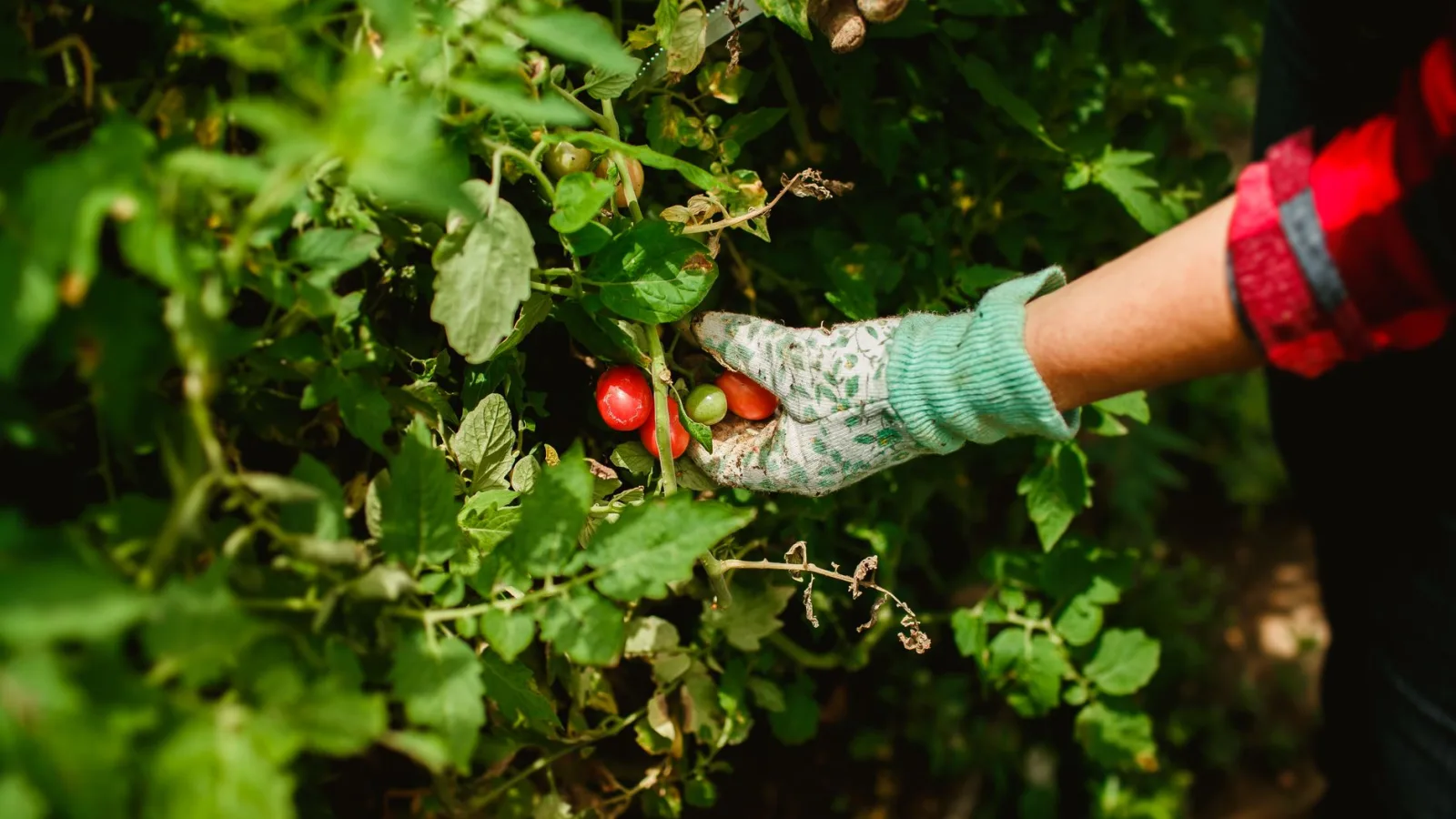
Same Sweetness, Less Satisfying: Why Fructose Doesn't Fill You Up
Nutrition labels list fructose and glucose together as "sugars," but new research suggests the brain treats them differently. Here's why whole fruit from your garden is still a better choice than a sugary drink.
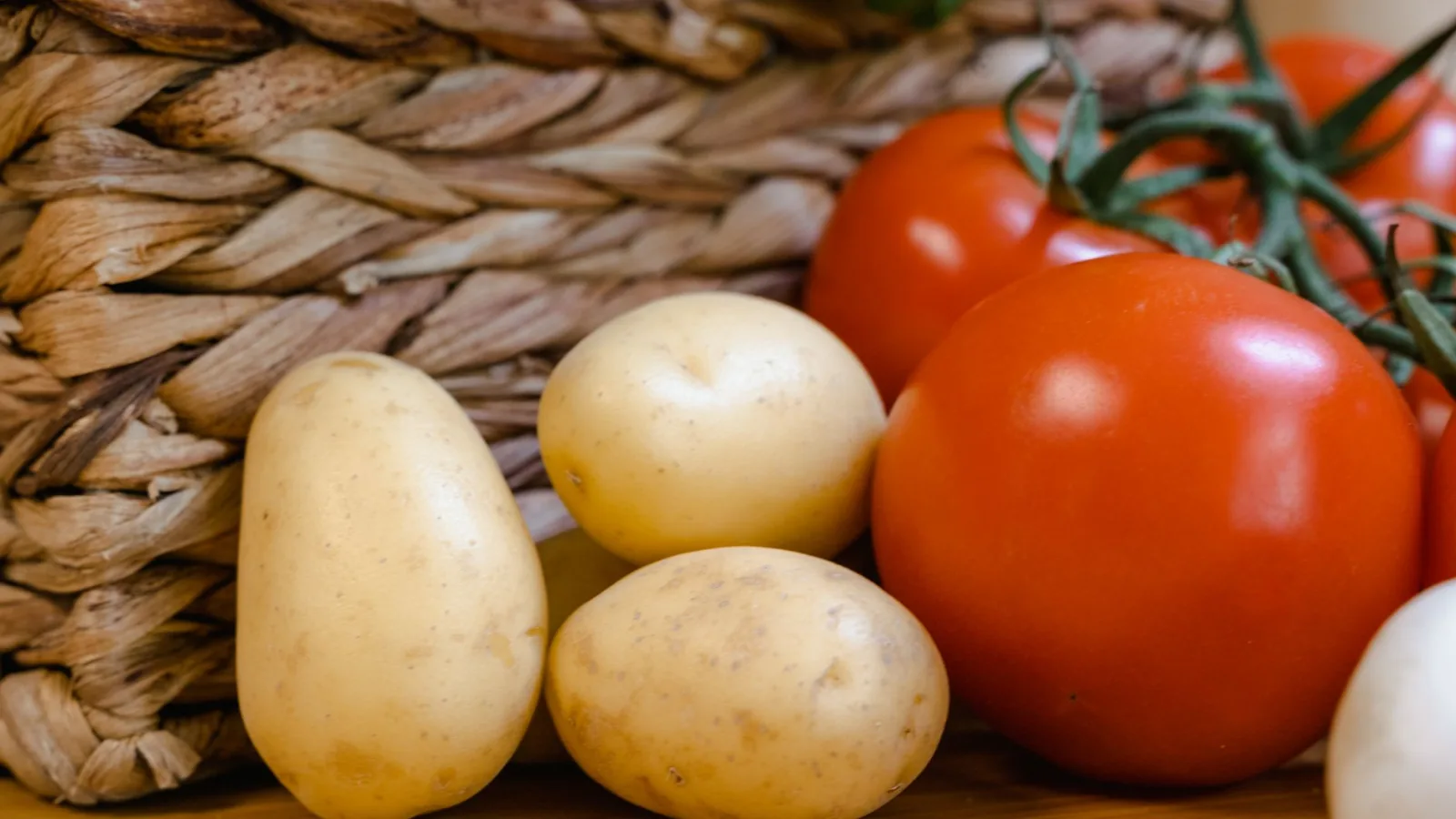
When Your Fruit-Syrup Jars Keep Turning Slimy: Thyme and Oregano
A new study found that a blend of oregano and thyme essential oils reduced how much yeast stuck to surfaces more than either oil alone. Here is what that means for your kitchen, and why boiling water is still the way to sterilize your jars.
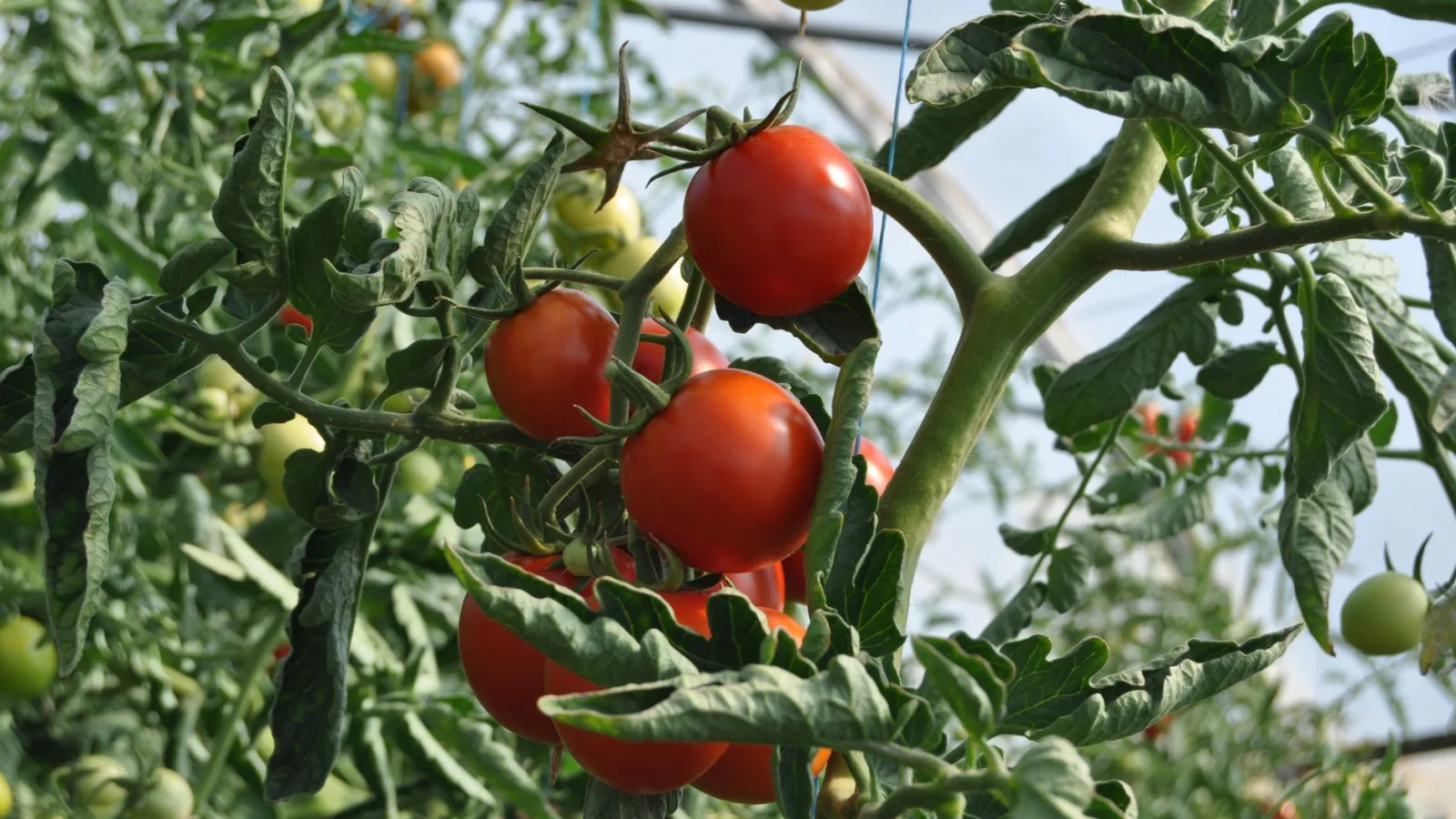
When Your Tomato Seeds Won't Come Up, Check the Soil pH First
Tomato seeds stall out when soil pH drifts too far in either direction, and the damage shows up inside the seed as surging reactive oxygen and falling auxin. Here's what the research found, plus how to test and correct your mix before the next sowing.
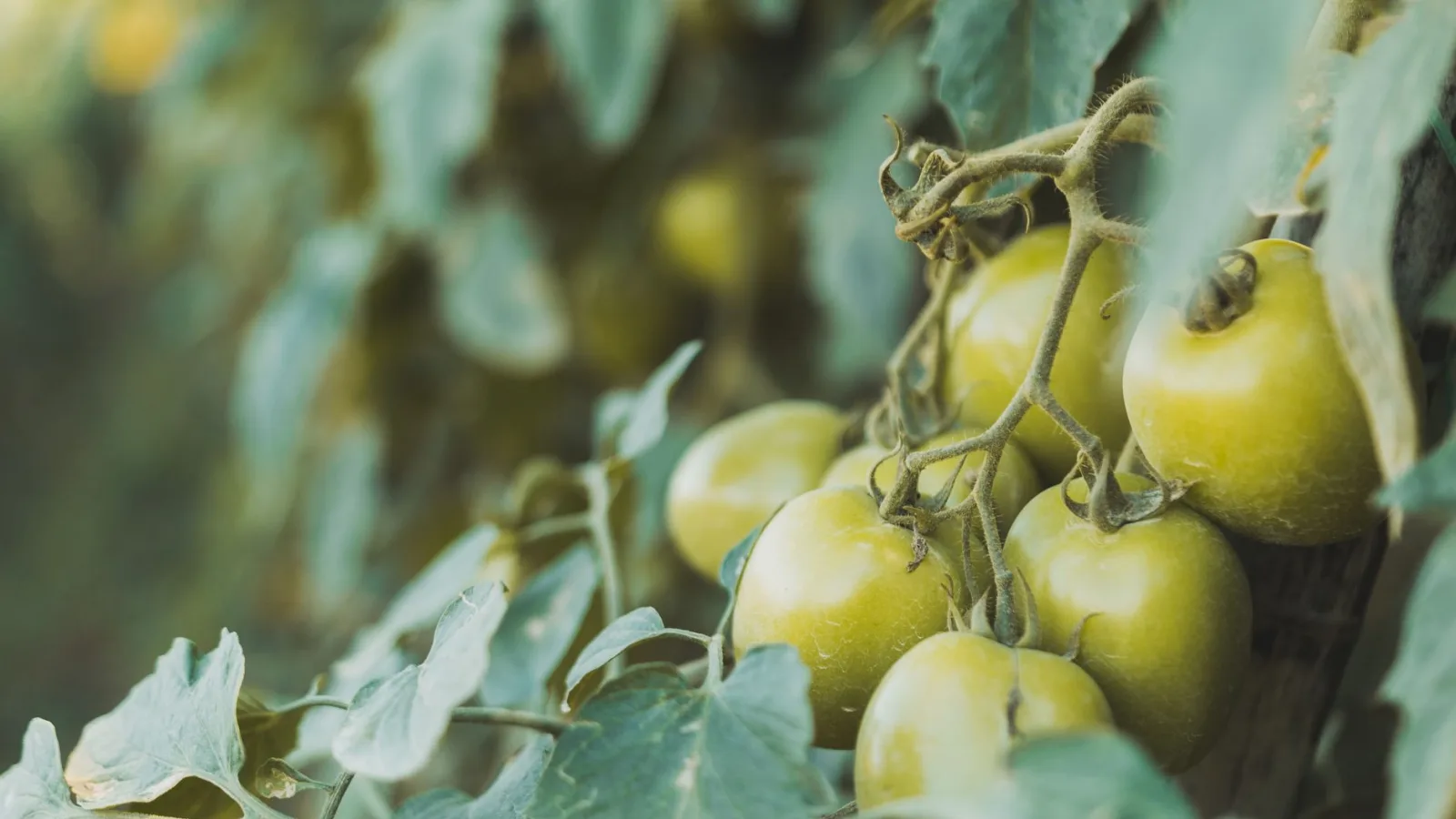
What Makes Some Tomatoes Shrug Off a Drought?
Two tomato plants go into the same soil on the same day, and only one collapses in the July heat. A genome-wide look at 74 tomato genes traces that difference to a single gene that governs when a leaf's pores close — and suggests a few things you can do in your own beds tonight.