

- Type
- Herbs & Aromatics
- Difficulty
- Easy
- Season
- Summer
- Sowing
- Transplant
Basil
Ocimum basilicum
Linalool and rosmarinic acid · an aromatic-leaved herb
Basil is an herb whose leaves carry a strong aroma, built from essential-oil compounds such as linalool and eugenol, and the leaves also supply beta-carotene and vitamin K. Basil thrives even in a balcony pot, and it pairs beautifully with tomatoes as a companion plant in the garden. Start it in May for fast germination, and you can keep harvesting all summer long.
Year-Round Calendar
- 1
- 2
- 3
- 4
- 5
- 6
- 7
- 8
- 9
- 10
- 11
- 12
- 5
- 6
- 7
- 8
- 9
- 10
Where It Grows
- Main producer The world's largest producer. Essential oil and seeds are harvested along with the leaves.
- Main producer Grown in the Nile Delta and sold as dried leaves. It is a major supplier of dried basil to Europe.
- Major producer Grown in lowlands where temperatures stay high year-round.
- Major producer Harvested year-round in the tropical climate. Other species and varieties of the same genus, such as holy basil, are grown alongside it.
- Major producer The best-known growing area is around Genoa in Liguria, where open-field cultivation in the Mediterranean climate runs from spring through autumn.
Basil is native to tropical Asia, including India; since its origin cannot be pinned to a single country, no origin row is listed here. From there it traveled west and settled in the Mediterranean, then returned to East Asia in the late 20th century along with Italian cooking. The FAO does not count basil separately, grouping it instead with spice and aromatic crops, so any country-by-country ranking is a rough estimate based on trade statistics.
- Optimum
- 20~25℃
- Range
- 10~35℃
- Hardiness
- Not hardy
Basil loves heat and cannot tolerate frost. When the temperature drops below 10℃, growth stops and the leaves blacken. In the tropics it lives for several years, but in temperate regions it ends with the first frost.
In Korea Nationwide
An annual that is killed by frost: in open fields, transplanting takes place in May and the season lasts until October. Winter supply comes from greenhouse cultivation, while potted plants overwinter (survive the winter) indoors.
How to grow
- Light
- The more sun, the stronger the scent. It likes heat
- Soil and depth
- 20cm deep. Very happy in a pot
- Spacing
- 25cm
- Watering
- Soak it when the surface dries. Drooping leaves mean it is thirsty
- Feeding
- Once a month, in proportion to how much you pick
- Harvest
- Cut the stem just above a pair of leaves. It forks into two from there
What makes the difference. Cut the flower spike the moment it appears. Once it flowers the leaves go small and tough. Frost ends it, so it is a summer plant
Common problems
- Aphids You will see Sticky new growth What to do Wash them off
- Spider mites You will see Rough leaves with faded colour What to do They come in dry air. Mist the undersides
This page describes how a crop is grown and used. It does not claim health effects for any food, nor is it intended to prevent or treat disease. Component and study notes are references only and do not mean the same result occurs in people. Consult a medical professional about health concerns.
Health Benefits
What has been identified in the leaves. Compositional analyses consistently identify rosmarinic acid and eugenol in basil leaves. Antioxidant markers have been reported in test-tube and animal work, but studies on what changes when a person eats the amounts used in cooking are scarce. What can be stated today stops at the composition.
The antimicrobial work is test-tube work. Basil essential oil has been reported to suppress the growth of various bacteria and fungi in vitro. Those results come from concentrated oil applied directly to a culture medium, which is a different condition from eating the leaves in food.
Holy basil is a different species. Several clinical studies on holy basil (Ocimum tenuiflorum, tulsi) have been published in India. They examined extracts of a different species, not culinary sweet basil (O. basilicum), so they cannot be read across as evidence for the sweet basil this guide describes.
An old use — basil tea after a meal. Steeping basil leaves after a meal is a use handed down over a long period in South Asia and around the Mediterranean. It is a record of traditional use, and nothing about it has been confirmed in modern terms.
Nutrition
- Essential oils (aromatic compounds) — linalool and eugenol, the compounds behind the aroma
- Beta-carotene and vitamin K (present) — a carotenoid and a fat-soluble vitamin in the leaves
Essential oils The essential oils that create basil's aroma vary in composition from cultivar to cultivar. Linalool is the main component in sweet basil, eugenol — shared with clove — takes part in the character of the scent, and in some cultivars methyl chavicol (estragole) and 1,8-cineole (eucalyptol) shape the aroma.
Rosmarinic acid This polyphenol is common to plants of the mint family (Lamiaceae) and scores high on antioxidant markers in test-tube assays. Human studies are scarce, so what can be stated today stops at the fact that the compound is present in the leaves.
Flavonoids Apigenin and luteolin are present. Both compounds carry a large body of cell and animal research, but what changes at the amounts a person eats as leaves has not been settled. Some of them pass into the water when the leaves are steeped as tea.
Vitamin K, A, C & manganese By weight the vitamin K content is on the high side, and vitamins A and C along with manganese are present as well. Basil is used in herb-sized portions, though, so the amount that actually arrives in a meal is small.
Beta-carotene & lutein Beta-carotene and lutein are present in the deep green leaves. Lutein is known to accumulate in the macula of the retina, though that does not mean eating these leaves keeps any particular eye disease away. Taken together with oil, these fat-soluble carotenoids are absorbed more readily.
Holy basil (Tulsi) Holy basil (Tulsi), regarded as a sacred plant in India, carries the botanical name _Ocimum tenuiflorum_ and is a different species from culinary sweet basil (_O. basilicum_). It is a relative within the same genus and is widely used in teas and supplements. Findings from studies on holy basil cannot be read as findings about sweet basil.
Pairings
○ Tomato and mozzarella — Caprese, which serves tomato, mozzarella, and basil together with olive oil, is Italy's most classic pairing. The lycopene in tomato and the protein in mozzarella combine with basil's aroma and polyphenols, making it an emblem of the Mediterranean diet. Tomato
○ Olive oil, pine nuts, and garlic — Pesto Genovese, made by blending pine nuts, garlic, and basil into olive oil, is a well-balanced combination in which the fat boosts absorption of basil's essential-oil compounds while supplying protein and fats. Tossing it with pasta or spreading it on bread is the standard. Garlic · Korean Pine Nut
○ Lemon and vinegar — When the acidity of lemon or vinegar meets basil's aroma, each makes the other more vivid. The acidity also slows the evaporation of the essential oils, making this pairing well suited to dressings and marinades.
○ Pasta and pizza — In Italian cooking, the standard is to add fresh basil leaves as a finishing touch after cooking. Prolonged heat drives off the essential oils and weakens the aroma, so the leaves are warmed only briefly atop the hot dish.
○ Chicken and seafood — From basil chicken stir-fry to Thai green curry and basil shrimp, basil pairs well with white-fleshed proteins across both Southeast Asian and Italian cuisines. Its aroma masks any fishy note and adds depth to the protein.
○ Watermelon and strawberry — A summer fruit salad serving basil alongside watermelon or strawberries is a well-established pairing in Western cooking. The sweetness of the fruit and the aroma of basil play off each other, creating a new flavor at the border between salad and dessert. Strawberry · Watermelon
△ Anticoagulants — Basil is high in vitamin K, and some of its essential-oil compounds may affect platelet aggregation, so people taking anticoagulants like warfarin should avoid large amounts and keep their intake consistent.
△ High-dose essential-oil supplements — Basil essential oil contains estragole (methyl chavicol), and animal studies have raised concerns about liver stress and potential carcinogenicity with long-term, high-dose supplement use. At normal dietary levels it's safe, so enjoying basil as fresh leaves or tea is the recommended approach.
△ Long storage — Basil leaves wilt and discolor quickly in storage, losing their aroma. Keeping the stems in a glass of water at room temperature preserves freshness longest—refrigeration actually tends to turn the leaves black.
Varieties
- Sweet basil (Seedling transplant) — The standard type, with broad leaves and a mild aroma. Good for pesto and tomato dishes, and happy in a pot.
- Thai basil (Seedling transplant) — Purple stems and a stronger, anise-like scent. Handles heat well and keeps leafing through midsummer.
- Lemon basil (Seed) — Small leaves with a citrus scent. It bolts early, so pinch the tips often to keep new leaves coming.
- Bush basil (Greek basil) (Seed) — Stays 20-30cm tall with tiny leaves and a rounded, compact habit that fits a narrow windowsill pot.
- Purple-leaved basil (Seed) — Deep purple leaves that look good in a border. Grows a little slower than the green types.
Source: Food, Nutrition, and Horticulture Information
Stories about Basil
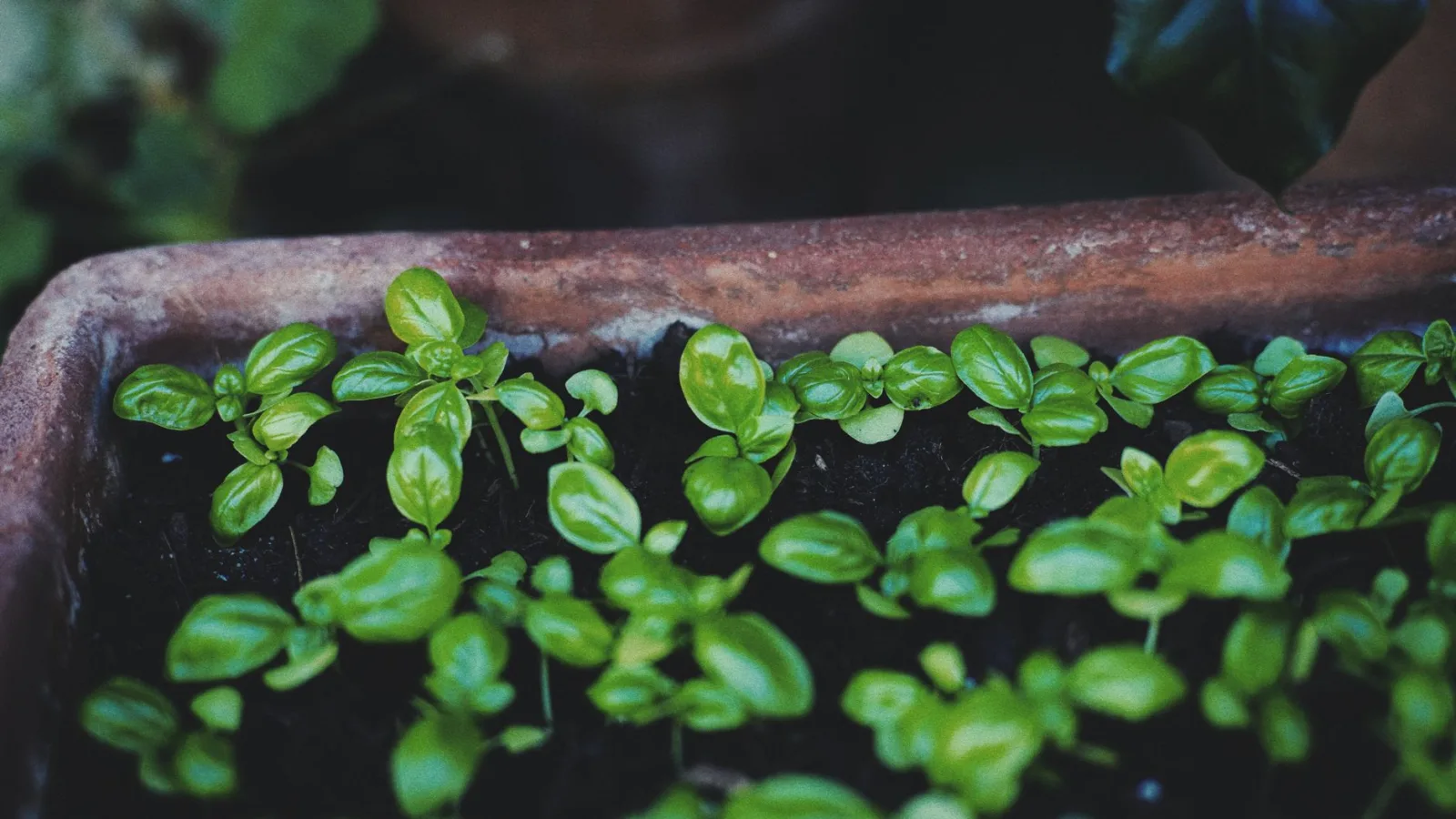
Is the Basil in That Health Study the Same as the Basil in Your Pot?
Many claims about basil's health benefits rest on studies of holy basil extract, not the sweet basil growing on your balcony. Here's how to tell the two apart in research, what's actually known about sweet basil leaves, and how to eat them to get the most out of them.
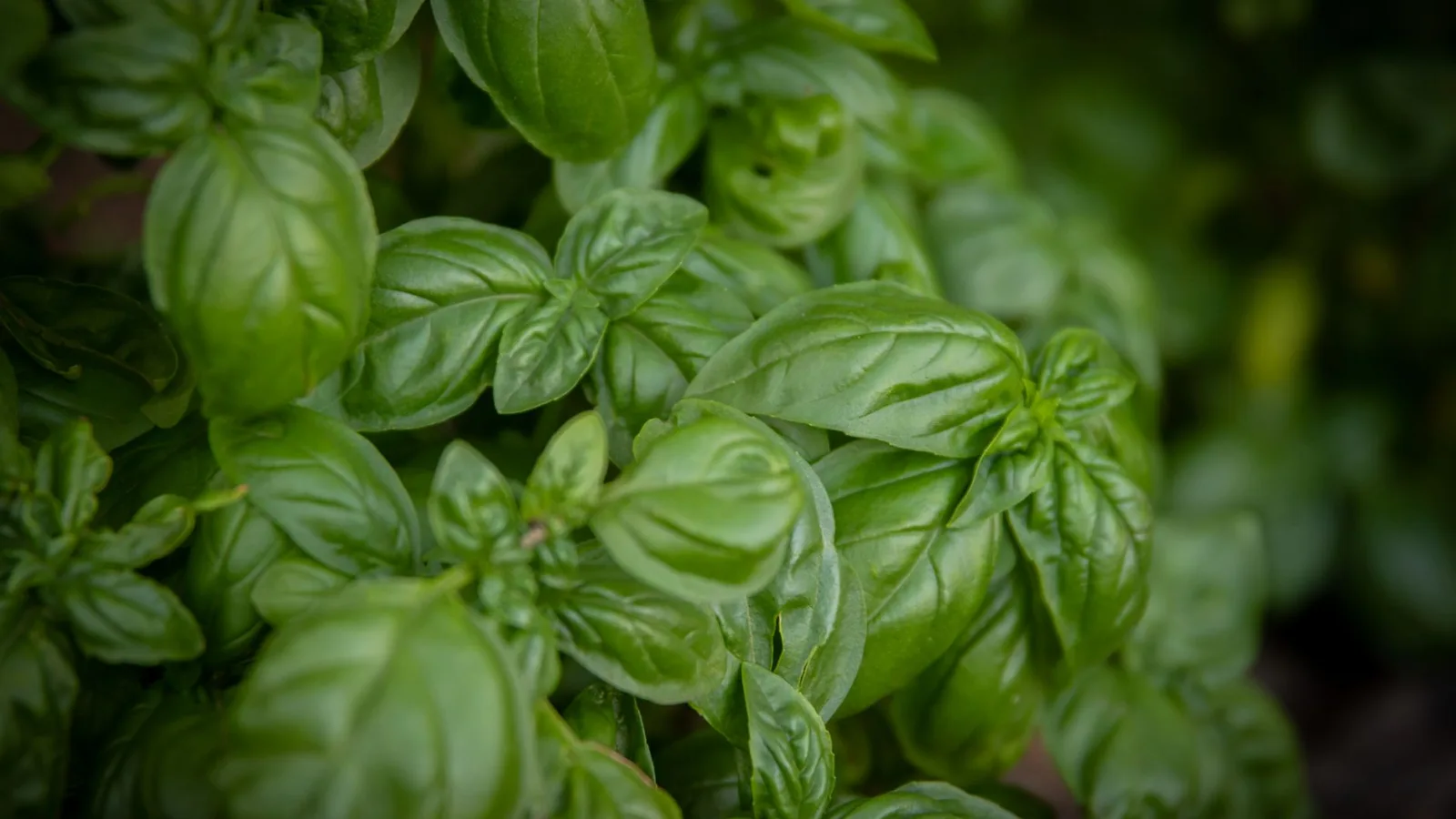
What Kind of Light Do Basil Microgreens Like Best?
Grow the same basil seeds under different light and you'll get different microgreens: some grow taller, some have more flavor, some carry more nutrients. Here's what one study found about red, blue, and far-red light, and how to use it at home.
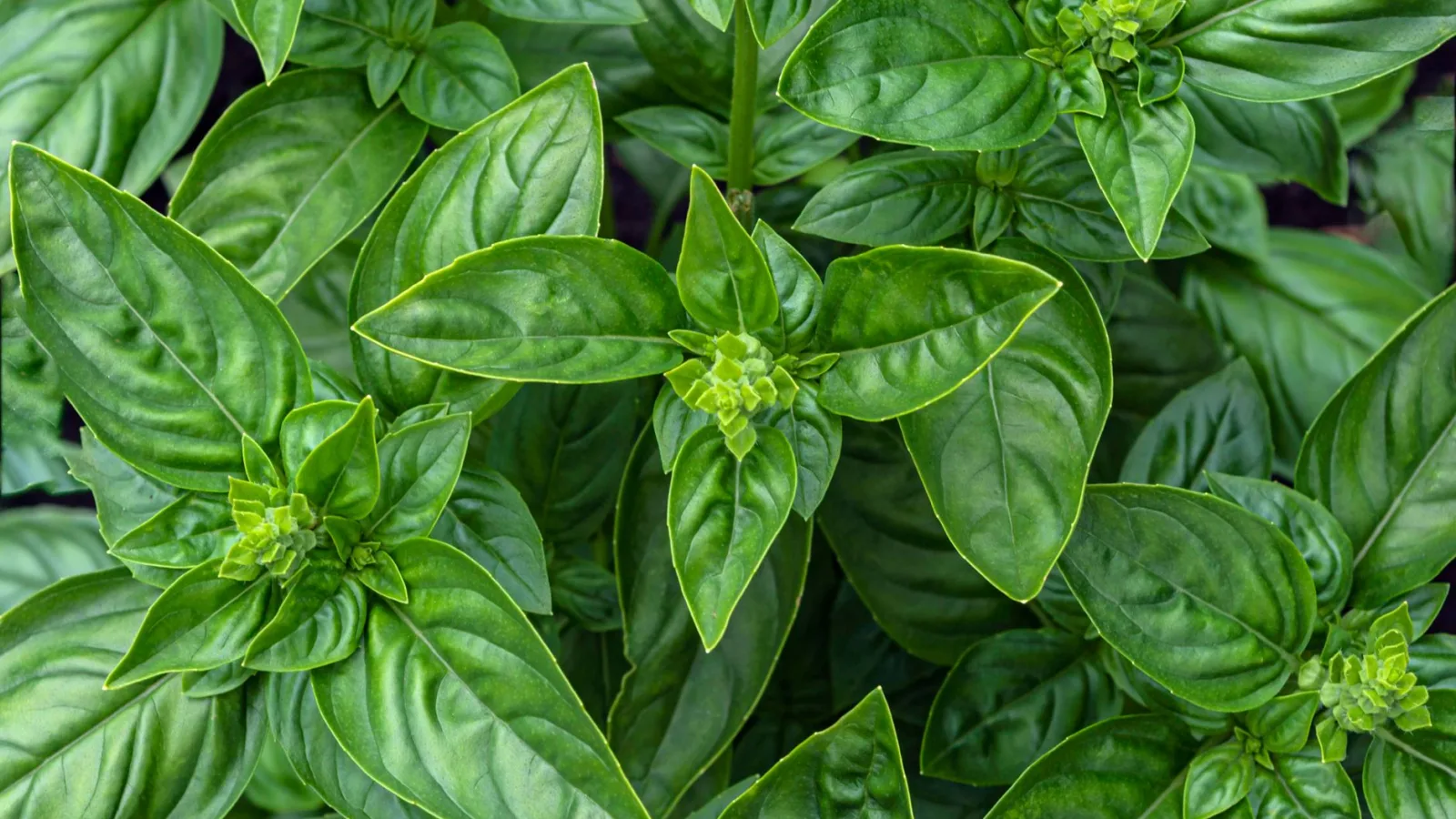
Just Watering Your Basil? Feed It Well and It Can Grow 60 Times More
Same seeds, same windowsill, same watering, yet the two plants turn out completely different. In one hydroponic study, basil fed a proper nutrient solution produced about 43 to 60 times more leaves than basil given plain water, and it had a stronger aroma and more vitamin C.
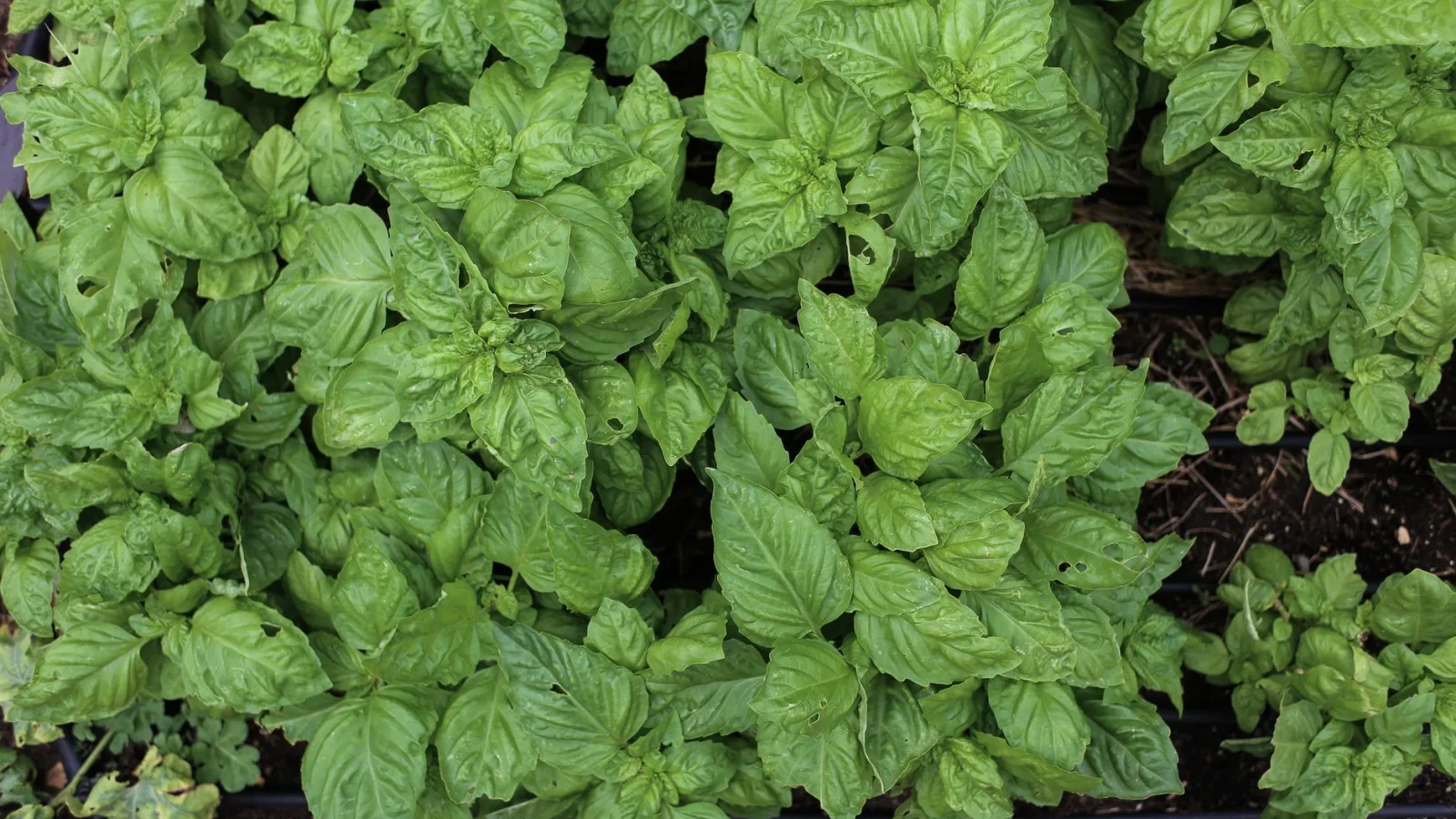
When Your Mouth Is Sore, Take Another Look at the Basil on the Balcony
Basil's aromatic compounds calm inflammation, but saliva washes them off a sore almost immediately. Researchers packed basil extract into tiny lipid particles to make it stay put — and in rats, the resulting gel healed mouth ulcers faster than the drugstore standard.