Once the heavy-watering season sets in, a thin white dust starts showing up on the soil in your lettuce pots. Rub it between your fingers and it crumbles away. In most cases it's salt from fertilizer and tap water, left behind as the moisture evaporates. In a garden bed or a container, every round of watering and drying leaves a little more salt in the soil. And as irrigated farming spreads and temperatures climb, sodium and chloride are building up in farmland around the world.
Salty Soil Makes It Hard for Roots to Drink
Roots pull in water when the fluid inside their cells is more concentrated than the water in the surrounding soil. As salt builds up in that soil water, the gap between inside and outside shrinks. That's why leaf tips dry out and growth stalls even when you've watered plenty. Most of the crops we grow in home gardens, such as lettuce, cucumbers, and strawberries, don't handle these conditions well. In severe cases, the roots are damaged and the whole plant wilts.
Containers have it especially tough. There's not much soil, and the water has only a short way to drain, so frequent side-dressing or liquid fertilizer mixed too strong leaves salt trapped in the pot, where it keeps building up.
The Genes Stay the Same. Their Activity Changes.
Plants like glasswort (samphire) and sea aster, which grow around coastal salt pans, keep putting out healthy leaves in that same salty soil. Recent plant research into where this tolerance comes from suggests that part of it isn't due to differences in DNA sequence at all, but to epigenetic regulation. The genes themselves stay untouched. What changes is how much of each gene gets read.
When tiny molecules called methyl groups attach to or detach from DNA, the activity of that stretch of DNA goes up or down. Among the genes regulated this way are ones for transport proteins that pump sodium out of cells, and ones that make compounds that help cells hold on to water. Researchers have also observed, in several species, gene activity shifting sharply within hours of the soil turning salty.
Experiments with rice and Arabidopsis (thale cress) have also found that plants exposed once to mild salt stress suffer less damage the next time around. It's still too early to say how long this effect lasts or whether it carries over to the next generation through seeds. Efforts to put it to work in plant breeding are underway.
What to Do in Your Pots and Garden Today
If you spot white powder on the soil, skip the frequent small waterings and try one deep soak to flush the salt down and out. Slowly pour in about twice the pot's volume of water so it runs out the drainage holes, then dump whatever collects in the saucer. If the soil wicks that saucer water back up, the salt comes right back with it.
- Cut summer side-dressing to half your usual amount, and dilute liquid fertilizer exactly as the label directs.
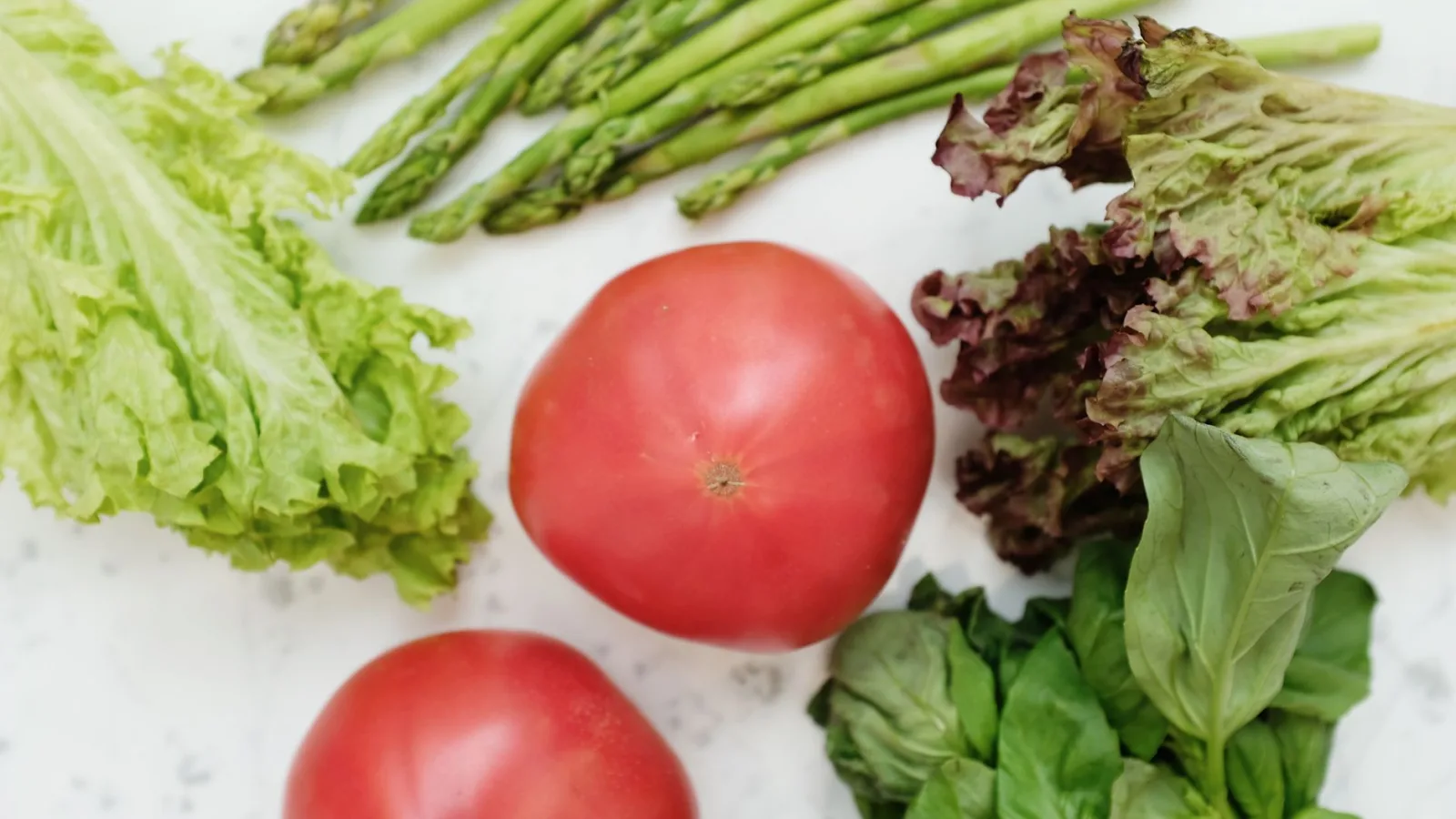
- Crops that handle salt relatively well: Swiss chard, kale, beets, asparagus
- Salt-sensitive crops: lettuce, cucumbers, strawberries, carrots
- Don't use seawater or salt water to fight pests or disease. It lingers in the soil and can ruin the next crop, too.
A plant's ability to stand up to salty soil comes down to how it uses the genes it already has. The part we can change is the soil. Start today by checking your saucers, then give your pots one good, deep watering to rinse the soil clean.
Sources: Crop salt-tolerance data from the UN Food and Agriculture Organization (FAO); international plant science research on salt stress and DNA methylation in plants