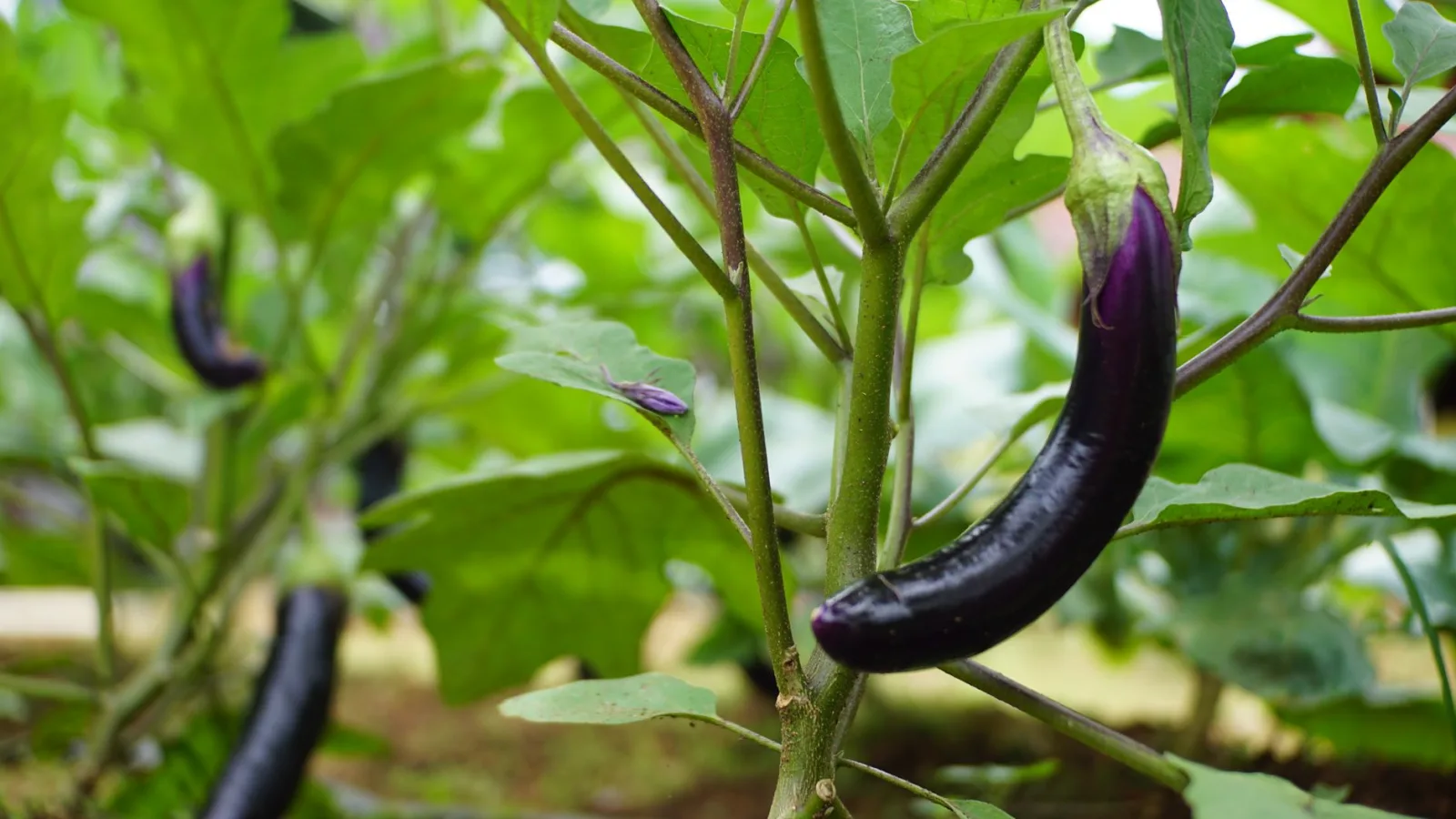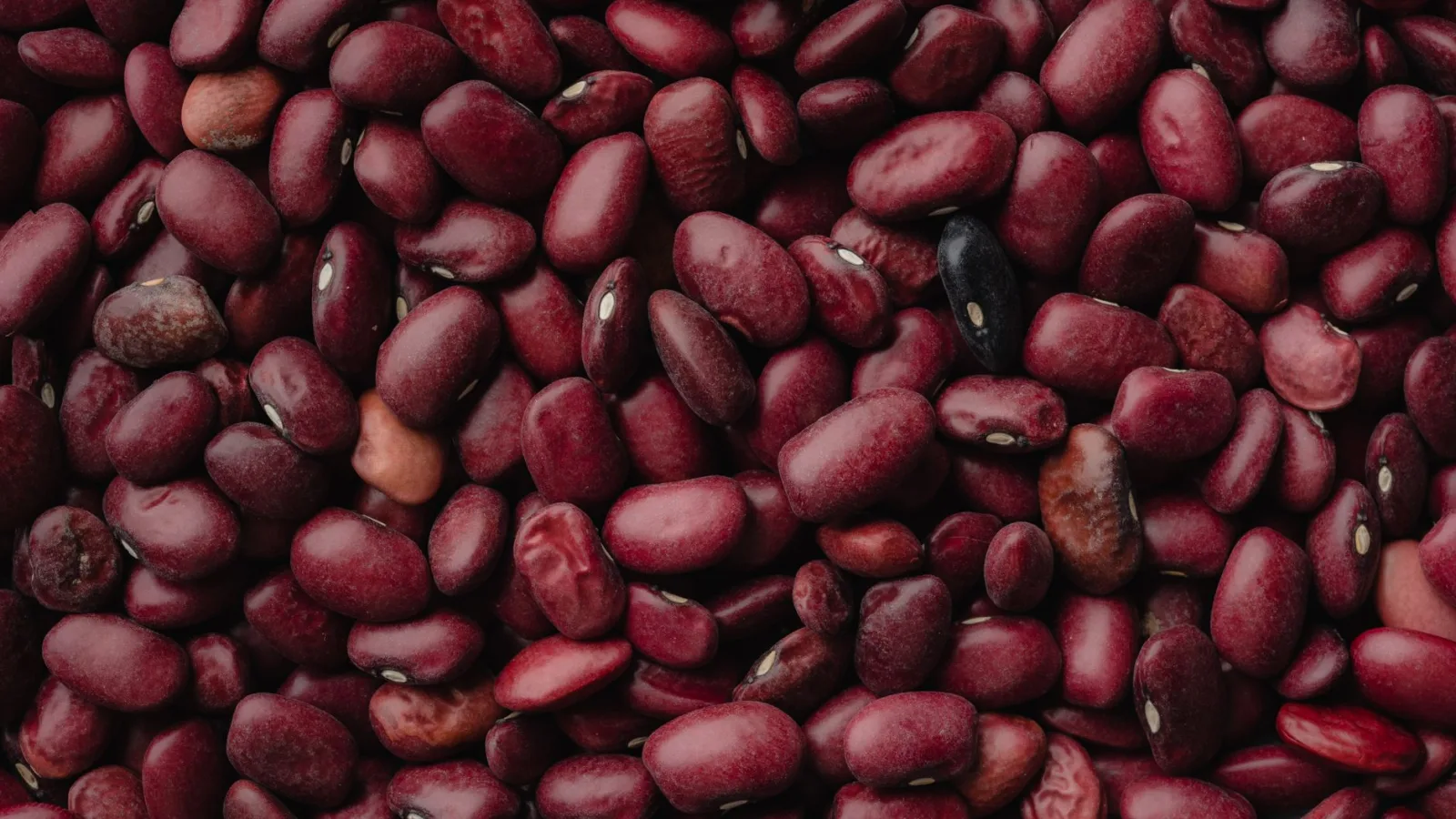
In late July the kidney bean pods fatten up in the garden. Press one with your thumbnail and you can feel the beans inside, firm and fully formed. That evening the beans go into the rice pot, and the family sits down around the same table. Yet even with the same rice and the same side dishes, one person feels full sooner than another, one gets drowsy after the meal while another doesn't, and a few years on, the extra inches around each waistline are different too.
Asian Bodies Respond a Little Differently
A review that pooled data from several Asian countries found that, compared with Westerners of the same weight, Asians tend to carry more visceral fat, the kind packed around the internal organs. The insulin-producing beta cells in the pancreas also have less spare capacity. As a result, type 2 diabetes in lean people with a body mass index under 25 is more common in Asia than in the West. On this point the evidence runs fairly deep.
Look closely at the blood and these differences show up in the numbers. Long before any symptoms appear, levels of certain phospholipids and amino acids begin to shift, along with markers of oxidative stress and metabolites produced by gut microbes. The testing methods aren't standardized enough yet to belong in a routine checkup. But researchers are working on ways to use these signals to catch risk early.
Beans and Fiber: Where the Evidence Is Solid
Among the long-standing habits of Asian diets, the same review singled out legumes and dietary fiber as the ones with the strongest support. Garden beans like kidney beans, peas, and edamame (young green soybeans) pair slow-digesting carbohydrates with protein, which smooths out the rise and fall of blood sugar after a meal. Fiber-rich vegetables such as burdock root, mallow greens, and garlic chives travel all the way to the large intestine, where they feed the gut microbes. That process produces short-chain fatty acids, and a steady stream of reports links these compounds to better insulin sensitivity.
None of this calls for new ingredients. Give beans one row, follow your summer vegetables with a planting of leafy greens, and the fiber on your table goes up on its own.
The Same Vegetable Works Differently in Different People
The beta-carotene in carrots and squash is converted to vitamin A inside the body. The gene for the enzyme that handles that conversion varies from person to person, so some people get barely more than half the vitamin A from the same serving. The ability to turn the alpha-linolenic acid in perilla seeds and flaxseed into omega-3 fatty acids like EPA and DHA also differs between individuals. Genetic differences that shape the makeup of the gut microbiome have been identified as well.
Still, using genetic information to build a personalized diet is a research project for now. Tests need to be standardized, people need to be trained to interpret them, and the cost needs to come down. It's too early to decide what to eat from a single lab report.
What You Can Do in the Garden Today
- Give beans a row in your fall planting plan. Depending on your region, kidney beans can go in as late as early August.
- Blanch and freeze the edamame you harvest, then toss a handful into the rice pot whenever you cook.
- At the table, reach for the vegetables and beans first and save the rice for last. It blunts the post-meal rise in blood sugar.
- Perilla leaves (a fragrant green in the mint family) keep coming back as fast as you pick them. Keep them on the table as a side dish all summer long.
Tonight, before you start the rice, soak a handful of beans.
Reference · Journal of Nutritional Science, a multi-omics review of precision nutrition in Asian populations