By mid-July, in one corner of the garden, the turmeric (Curcuma longa) leaves have unfurled as broad as an adult's arm. Three months have passed since the seed rhizomes went into the ground in late April, and above the soil there is nothing but a thicket of leaves, while the roots below are still only finger-thick. Gently dig up one plant as a test and the flesh inside is a deep orange. The compound behind that color is curcumin.
The Curcumin Inside the Yellow Root
Dry and grind turmeric rhizome into powder, and roughly 2 to 5 percent of its weight is curcuminoid pigment. Most of the yellow in curry powder comes from here. In Korea, growers centered on Jindo Island raise ulgeum, a close cousin of turmeric in the same genus. In markets the two names are often used interchangeably. Whichever name is on the label, the root carries curcumin.
The Donguibogam, Korea's 17th-century medical encyclopedia, records ulgeum being used for conditions in which the flow of qi and blood was thought to be blocked. An old prescription and today's compound research cannot simply be folded into the same story. What the record does confirm is that people have been paying close attention to this root for a very long time.
What Shows Up in the Lab
In 2026, an international phytomedicine journal published a review pulling together the research on curcumin and cancer. Studies in cultured cancer cells and lab animals have accumulated. Curcumin was seen to dampen the activity of NF-κB and STAT3, two proteins involved in inflammation and cell proliferation. Researchers also observed more damaged cells clearing themselves away and fewer new blood vessels forming around tumors.
When a person eats turmeric, the picture changes. Curcumin is poorly absorbed in the gut and quickly broken down by the liver, so very little of it stays in the bloodstream. It is too early to expect results from cells touched directly by the compound in a lab dish to carry over intact to the human body. Researchers continue to test ways of delivering it, wrapping curcumin in nanoparticles or pairing it with compounds that aid absorption. The outcome shifts dramatically depending on the form. So no, turmeric cannot be said to treat cancer. What the record shows so far leans toward prevention and supportive care.
How to Eat It So It Absorbs
Curcumin barely dissolves in water, but it does dissolve in fat. Your body takes in more of it from a dish cooked with oil than from turmeric powder stirred into a glass of water.
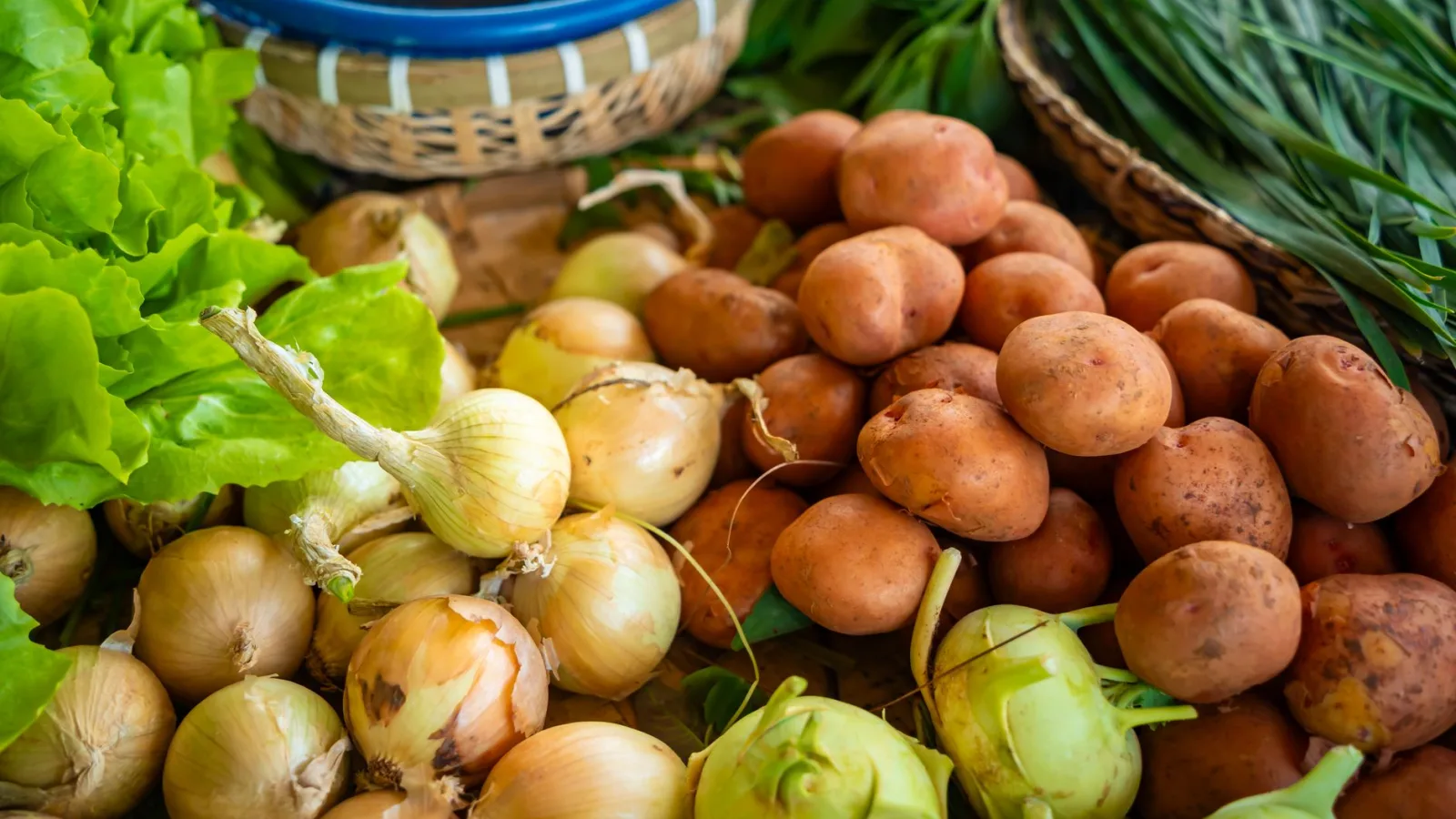
- With oil: When sautéing potatoes and onions, stir half a teaspoon of turmeric powder into the oil first. The color spreads evenly.
- A pinch of black pepper: Piperine, the compound that gives pepper its bite, slows the breakdown of curcumin. Studies have reported blood curcumin levels rising severalfold when a little pepper was eaten alongside it.
- Treat it like ginger: Freshly dug turmeric belongs to the same plant family as ginger. Slice it thin for a stir-fry, or grate it into a soup or broth.
If you have gallstones or take blood-thinning medication, talk with your doctor before eating turmeric in quantity. The amounts used in cooking are rarely a problem, but concentrated supplements deliver a completely different dose.
Tending the Crop Until Harvest
July and August are the thirstiest months, when the leaves are putting on growth. When the surface soil dries out, water generously in the morning, and mulch around the roots with straw or grass clippings to slow the drying. From September on, the leaves stop growing and the rhizomes begin to thicken. Dig them before the first frost, from late October to early November, once the leaves have yellowed and flopped over.
Tonight, try adding half a teaspoon of turmeric powder and a pinch of black pepper to your stir-fry. While the turmeric in the garden fattens up, think of it as practice for eating the yellow root when it finally arrives.
Sources — Review of curcumin's anticancer mechanisms published in the international journal Phytomedicine, 2026 · Donguibogam, Tangaek (Decoctions) volume