
Tangaek — Decoctions · Vegetables
苦菜 Gobagi (bitter wild greens)
 Related Crop · Gobagi (bitter wild greens) →
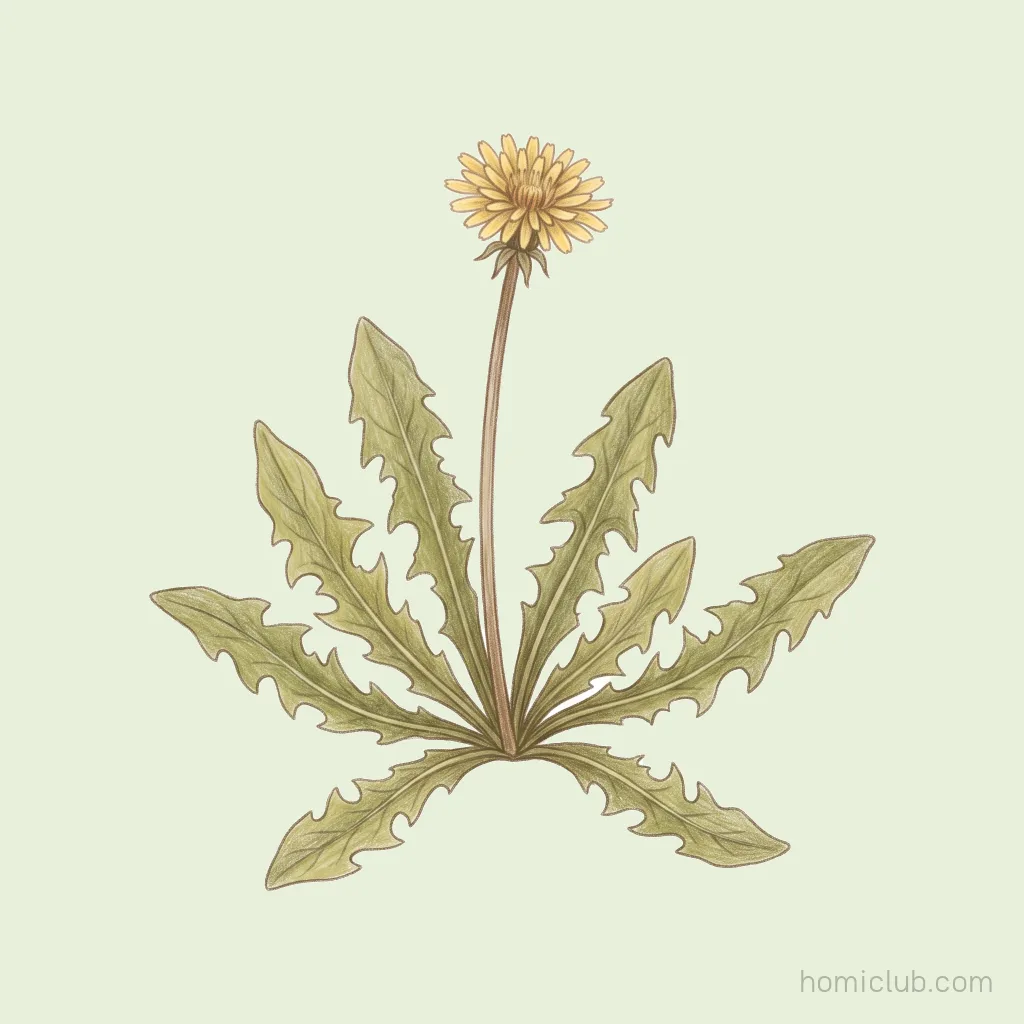
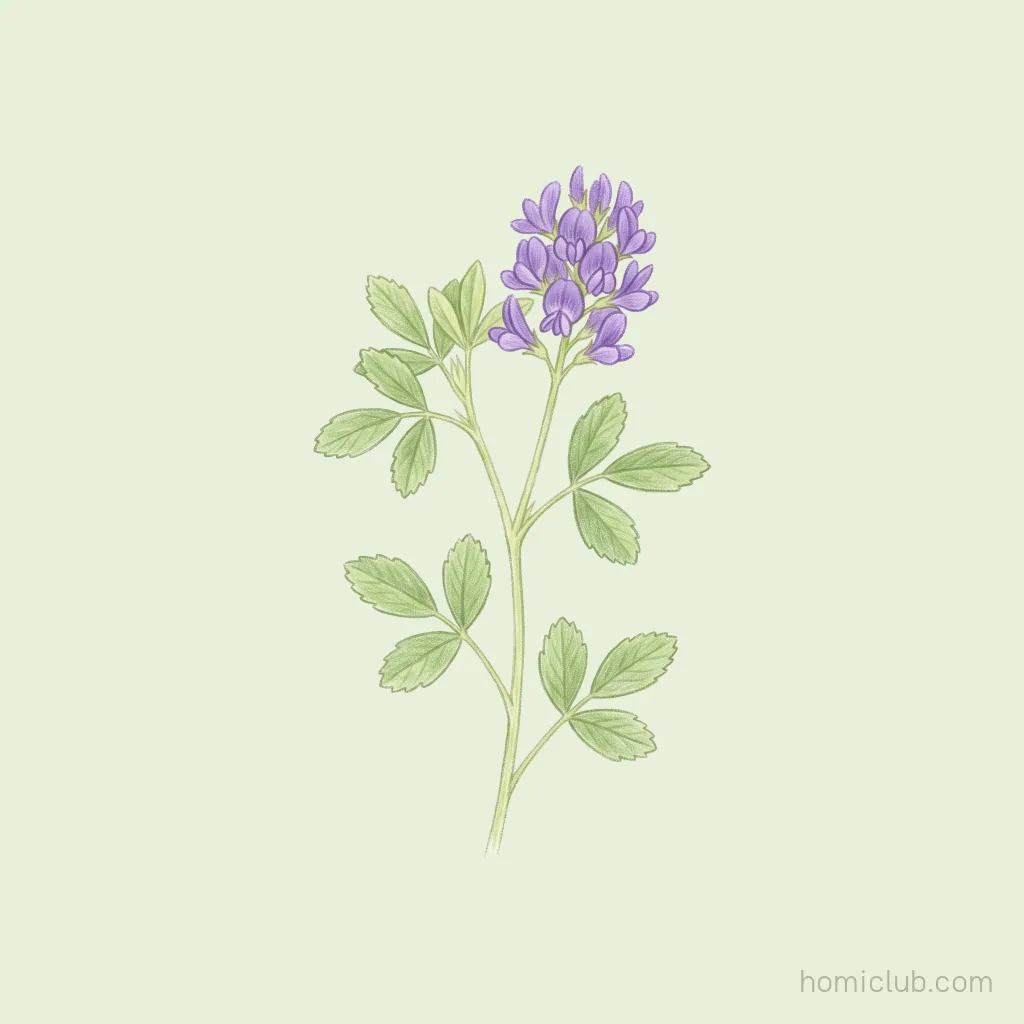
Gochae is a wild green of open fields, the same as the gobagi in the crop guide. It stays green through winter, hence the byname yudong. Its leaves resemble sowthistle but finer and bleed white sap when snapped; the flowers are yellow and daisy-like. Gathered in the third month, dried in shade.
Original, read line by line 東醫寶鑑 · Tangaek — Decoctions vol. 2
-
性寒, 味苦, 無毒一云小毒.
It is cold in nature and bitter in taste, with no toxicity, though some sources note it may have slight toxicity.
-
主五藏邪氣.
It mainly treats pathogenic qi lodged in the five viscera.
-
去中熱, 安心神, 少睡臥, 療惡瘡.
It clears internal heat, calms the heart and spirit, reduces excessive sleep, and treats stubborn sores.
-
生田野中, 凌冬不死,
It grows wild in fields and survives the winter without dying back.
-
一名遊冬,
For this reason it is also called 'youdong,' meaning 'the herb that roams through winter.'
-
葉似苦苣而細,
Its leaves resemble those of wild lettuce but are more slender.
-
斷之有白汁,
When the stem is broken, a white sap flows out, which is the herb's distinguishing mark.
-
花黃似菊.
Its flowers are yellow and resemble those of the chrysanthemum.
-
三月三日採, 陰乾. 《本草》
It is gathered on the third day of the third lunar month and dried in the shade. From the Bencao.
-
莖中白汁點瘊子, 自落. 《入門》
Dabbing the white sap from the stem onto warts causes them to fall off on their own. Recorded in the Yixue Rumen.
Related Crop
Gobagi (bitter wild greens) →
Reading on Gobagi (bitter wild greens)
Vegetables — more entries

This is a cultural and historical record from a classical text, not a claim about any food’s effects. Nothing here is a health supplement or intended to prevent or treat disease. Consult a medical professional about health concerns. · Text: Korean Medicine Classics DB · Reading: Homiclub