
Tangaek — Decoctions · Vegetables
萵苣 Lettuce
 Related Crop · Lettuce →
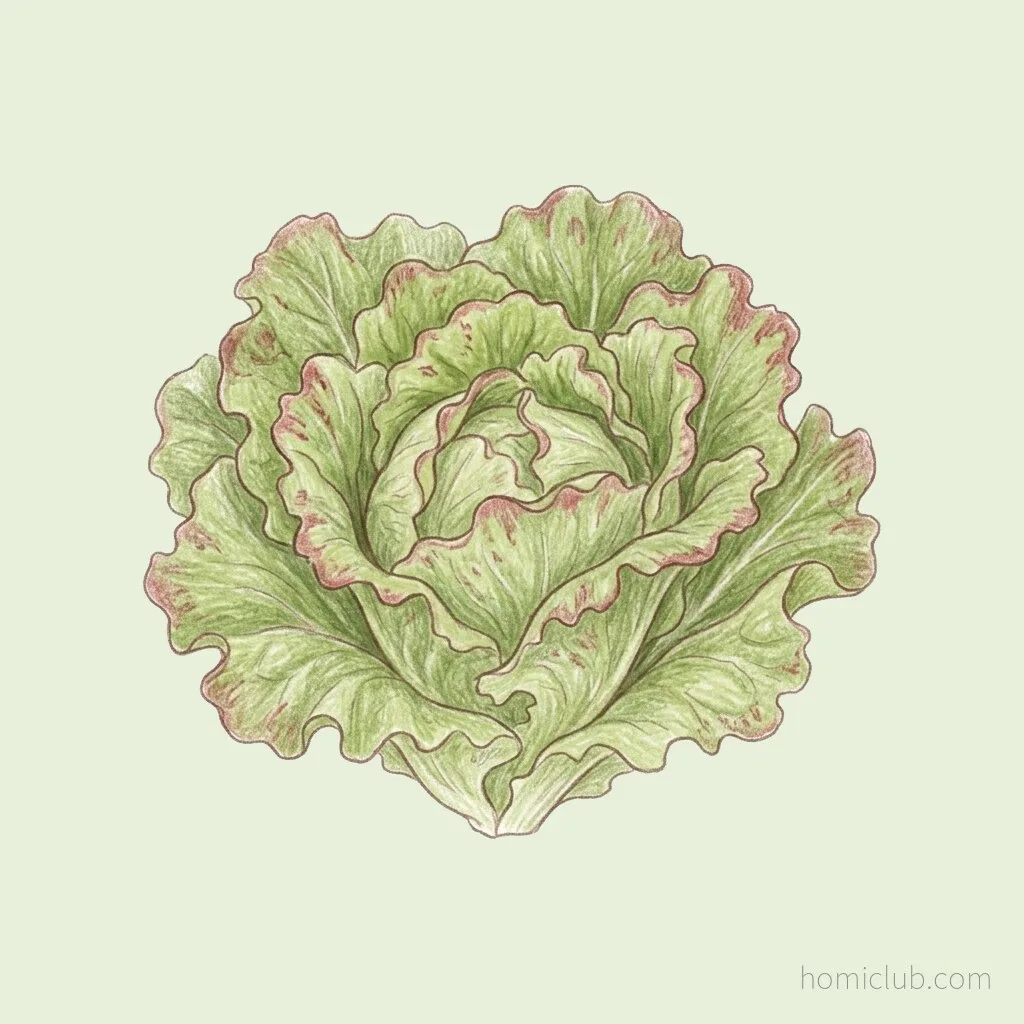
Wageo is the old name for lettuce, the same plant as the field guide's sangchu. It is the everyday leaf of the Korean table, wrapped around grilled meat; a white-haired kind called baekgeo follows it as a companion entry. Donguibogam noted it was already an everyday vegetable then.
Original, read line by line 東醫寶鑑 · Tangaek — Decoctions vol. 2
-
性冷一云寒, 味苦, 微毒.
Its nature is cooling, though one account calls it cold; its taste is bitter and it is slightly toxic.
HomiclubWageo is lettuce, an annual in the daisy family. Cutting its stem or leafstalk releases a white latex, and the bitterness noted here comes from it. This is the leaf served for wrapping grilled meat in Korea.
-
主補筋骨, 利五藏, 開胸膈壅氣, 通經脉.
It chiefly supplements the sinews and bones, benefits the ojang (五藏, five viscera), opens qi blocked in the chest and diaphragm, and frees the gyeongmaek (經脉, channels).
-
令人齒白聰明少睡, 療蛇咬.
It whitens the teeth, sharpens the wits, reduces sleep, and treats snakebite.
-
今人菜中常食者. 患冷人食則腹冷, 然不至苦損人. 《入門》
It is what people today eat regularly among vegetables. If one who suffers from cold eats it the belly turns cold, yet it does not go so far as to harm severely. 《Ipmun (入門)》
HomiclubLettuce was already an everyday vegetable when the Donguibogam was compiled. It remains the most common wrapping green on Korean tables.
Related Crop
Lettuce →
Reading on Lettuce
Vegetables — more entries
This is a cultural and historical record from a classical text, not a claim about any food’s effects. Nothing here is a health supplement or intended to prevent or treat disease. Consult a medical professional about health concerns. · Text: Korean Medicine Classics DB · Reading: Homiclub