
Tangaek — Decoctions · Fruits
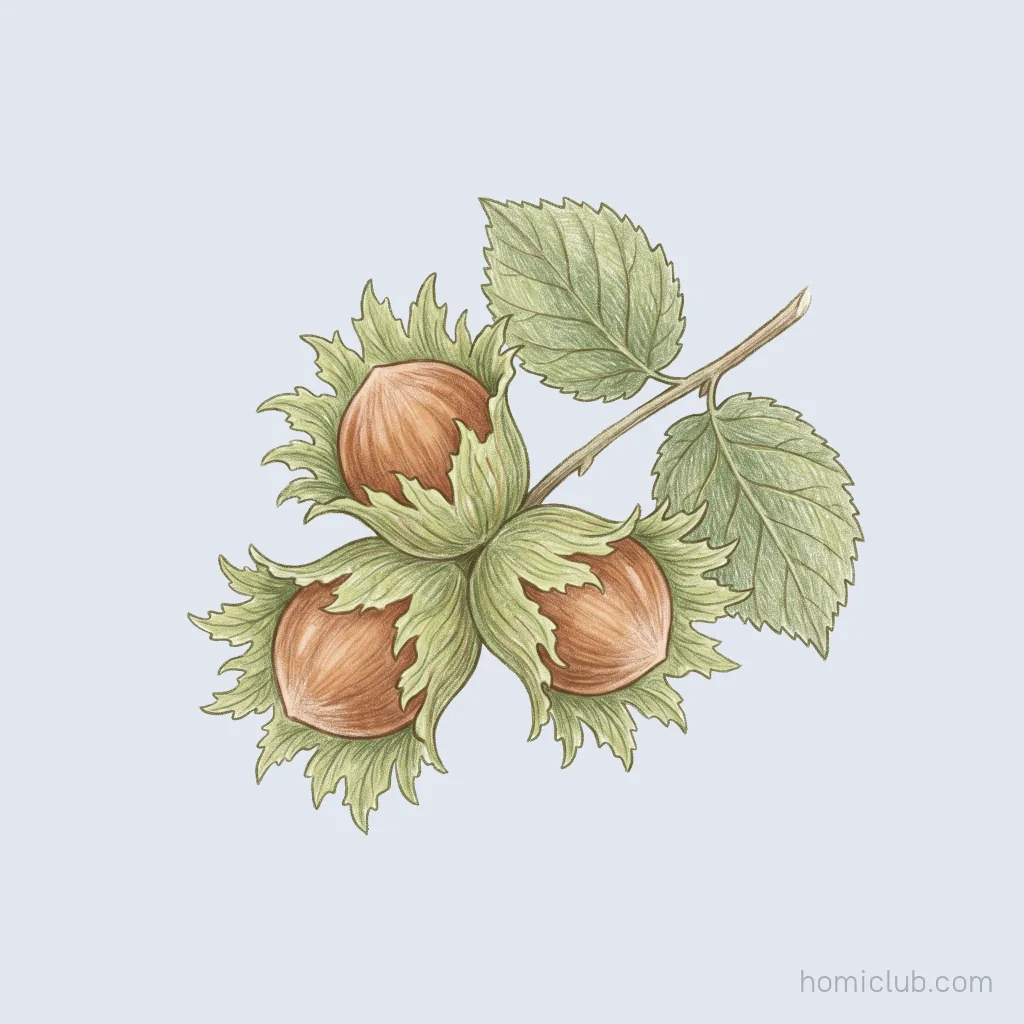
榛子 Hazelnut (Korean hazel)
 Related Crop · Hazelnut (Korean hazel) →
Jinja is the hazelnut, the gae-am of the crop guide. It comes from hazel bushes common on hillsides and field edges, gathered in the sixth and seventh months and shelled before eating. The same nut travels the world market as the hazelnut.
Original, read line by line 東醫寶鑑 · Tangaek — Decoctions vol. 2
-
性平, 味甘, 無毒.
Its nature is neutral, its taste sweet, and it carries no toxicity, making it an easy food for almost anyone.
-
益氣力,
It replenishes vital energy and physical strength, the kind of snack that long sustained travelers and foragers.
-
寬腸胃,
It soothes and loosens the intestines and stomach, easing the sense of fullness or tension in the belly.
-
令人不飢,
It staves off hunger for a long time, a property that aligns with its modern profile as a nut rich in fats and protein.
-
開胃健行.
It awakens appetite and strengthens the legs for walking, making it a fitting companion for those on the road.
-
處處有之,
The hazel grows here and there throughout the land, easily found along hillsides and field edges.
-
六七月採, 去皮食之. 《本草》
It is gathered in the sixth and seventh lunar months, peeled, and eaten, as recorded in the Bencao.
Related Crop
Hazelnut (Korean hazel) →
Reading on Hazelnut (Korean hazel)
Fruits — more entries
This is a cultural and historical record from a classical text, not a claim about any food’s effects. Nothing here is a health supplement or intended to prevent or treat disease. Consult a medical professional about health concerns. · Text: Korean Medicine Classics DB · Reading: Homiclub