
Tangaek — Decoctions · Vegetables
根 Pa Ppuri (파 뿌리)
Scallion Roots (Chongsu, 葱鬚)
Scallion roots are the cluster of fine, whisker-like rootlets that grow from the base of the scallion. The original text of the Dongui Bogam names them chongsu (葱鬚) — literally "scallion whiskers" — and does not give them a chapter of their own: this brief entry is attached as a supplement to the entry on Scallion White (chongbaek, 葱白), the white lower stalk of the plant.
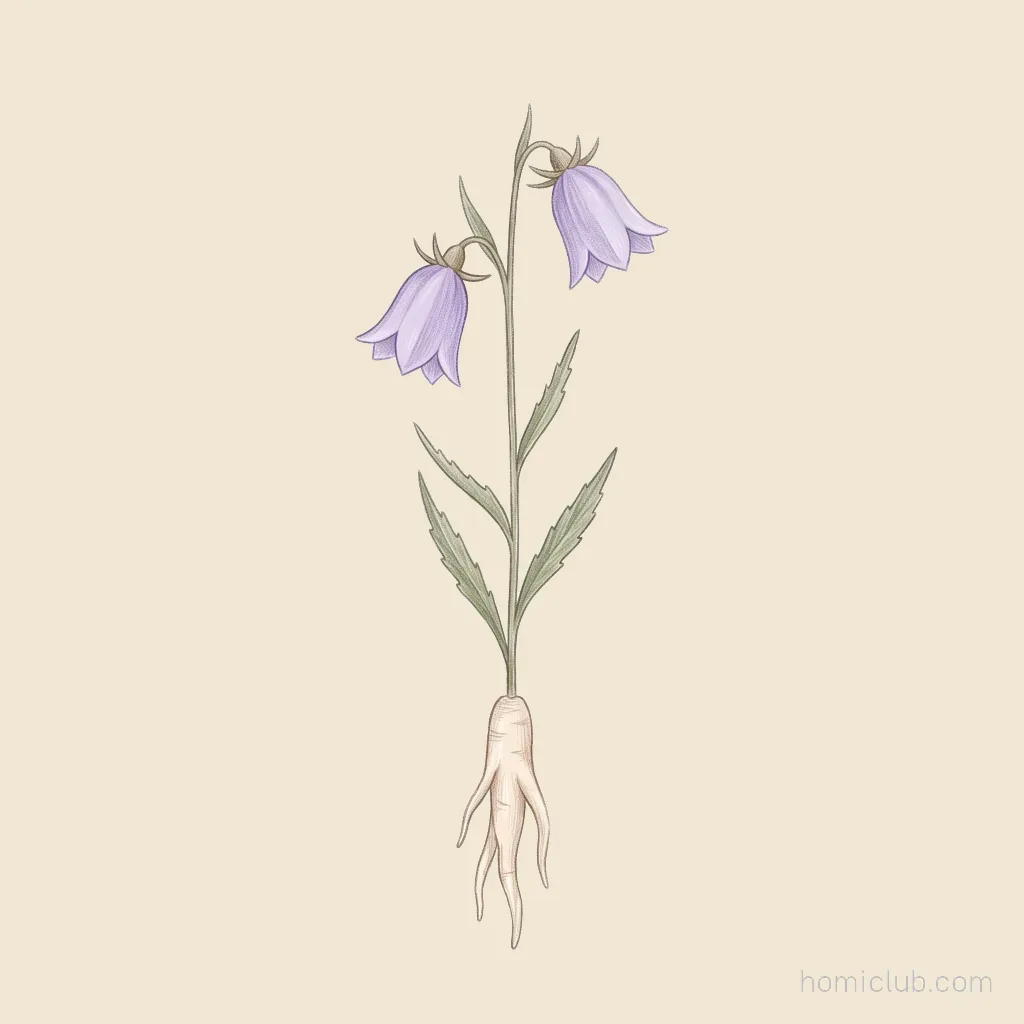
Unlike many root vegetables, the scallion forms no thick taproot. It puts out only these thin white fibrous roots — the very part that is usually trimmed off and thrown away when the vegetable is cleaned in the kitchen.
In modern practice, these rootlets are sometimes washed, dried, and then simmered in water to drink as a tea.
Original, read line by line 東醫寶鑑 · Tangaek — Decoctions vol. 2
-
卽葱鬚也.
This is the beard of the scallion.
HomiclubThe scallion puts out no thick taproot, only a bundle of white fibrous roots. It is the part trimmed off in the kitchen, and this entry sets it apart within the chongbaek (葱白) section.
-
主傷寒陽明經頭痛. 《本草》
It chiefly treats headache in the yangmyeong (陽明經) channel from cold damage. 《Boncho (本草)》
Vegetables — more entries
This is a cultural and historical record from a classical text, not a claim about any food’s effects. Nothing here is a health supplement or intended to prevent or treat disease. Consult a medical professional about health concerns. · Text: Korean Medicine Classics DB · Reading: Homiclub