
Tangaek — Decoctions · Vegetables
昆布 Kelp
 Related Crop · Kelp →
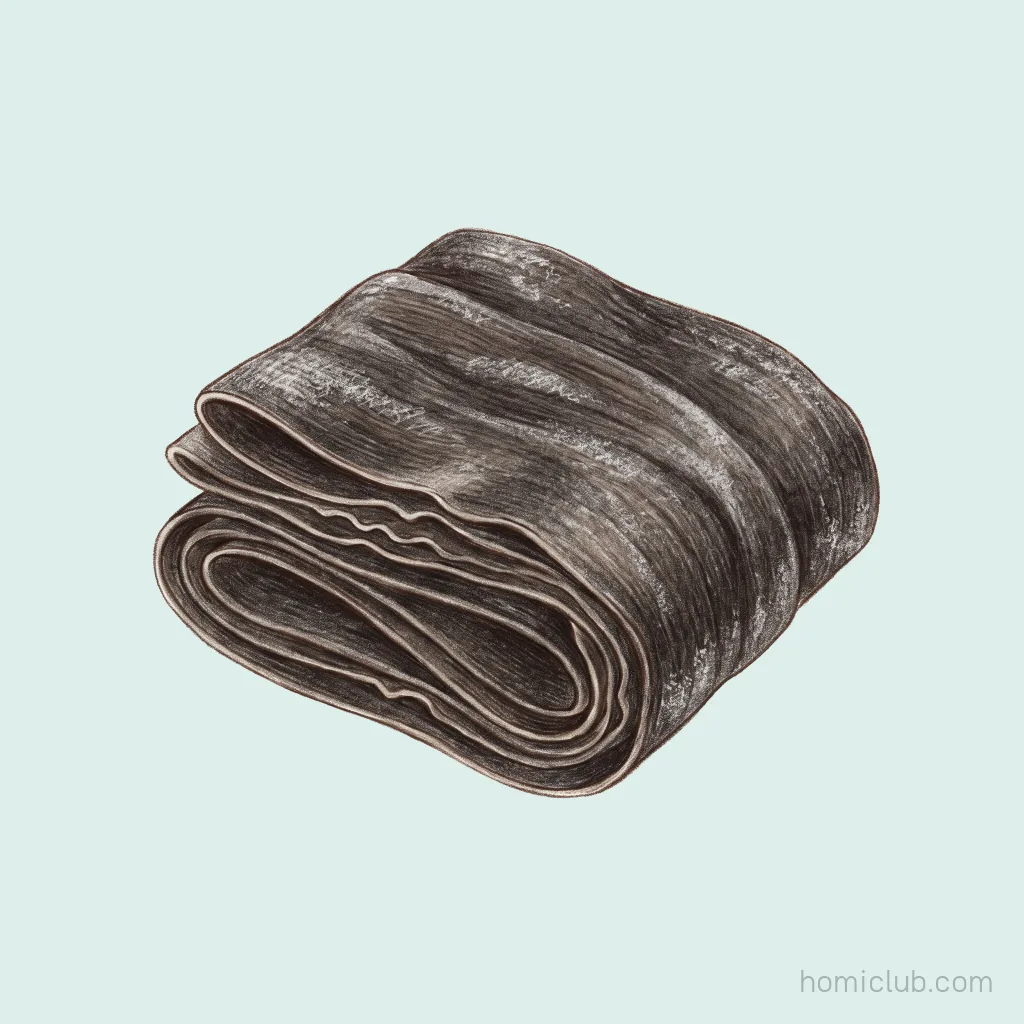
Gonpo is kelp, the broad brown seaweed Koreans still simmer for stock. The Donguibogam places it in the eastern sea and adds a handling note that covers anything gathered from salt water: rinse the salt out first.
Original, read line by line 東醫寶鑑 · Tangaek — Decoctions vol. 2
-
性寒, 味醎, 無毒.
Its nature is cold, its taste is salty, and it is non-toxic.
HomiclubGonpo is a name for the broad brown algae of the kelp group. Its reference overlaps that of the preceding haedae, and even the old records did not always keep the two clearly apart.
-
主十二水腫. 利水道, 去面腫, 療瘻瘡癭瘤結氣.
It governs the twelve kinds of water swelling. It benefits the waterways, removes swelling of the face, and treats nuchang (瘻瘡, fistulous sores), yeongnyu (癭瘤), and bound qi.
-
生東海中. 凡海物, 洗去醎味, 乃入藥. 《本草》
It grows in the Eastern Sea. As a rule, things from the sea are washed to take off their salty taste before being put into medicine. 《Boncho (本草)》
HomiclubScrubbing dried kelp under water thins the broth it later gives. The common preparation now is simply to wipe the surface with a dry cloth.
Related Crop
Kelp →
Reading on Kelp
Vegetables — more entries
This is a cultural and historical record from a classical text, not a claim about any food’s effects. Nothing here is a health supplement or intended to prevent or treat disease. Consult a medical professional about health concerns. · Text: Korean Medicine Classics DB · Reading: Homiclub