
Tangaek — Decoctions · Vegetables
子 Huingyeojassi (흰겨자씨)
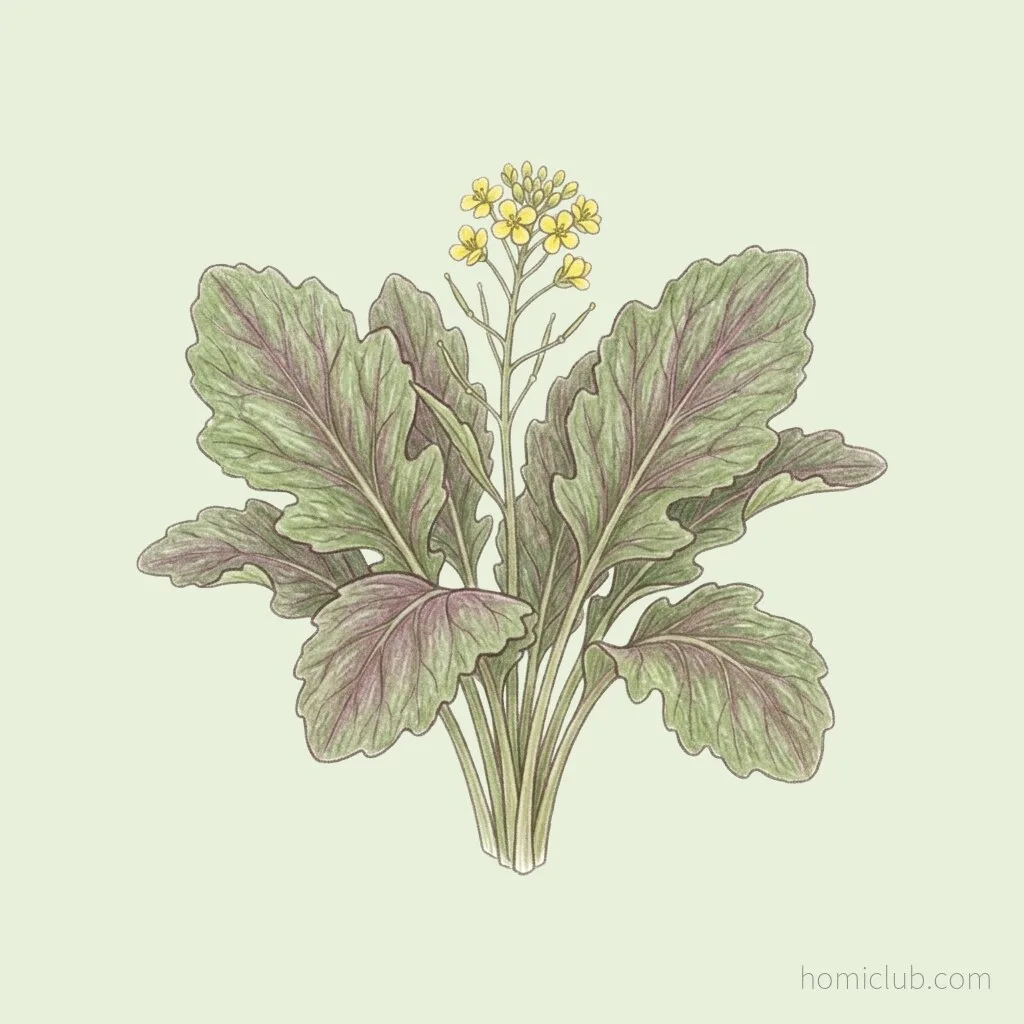
White mustard seed — baekgaeja in Korean — is the seed of the white mustard plant, an annual herb in the cabbage (cruciferous) family. Its seeds are plumper than those of gat, the Korean leaf mustard, and have a pale, yellowish-white color.
The Dongui Bogam notes that large, white seeds are the best quality for medicinal use, and records a simple preparation method: lightly toast the seeds, then grind and crush them before use.
These seeds may be more familiar than they sound — they belong to the same group as the seeds used to make yellow mustard in the West today.
Original, read line by line 東醫寶鑑 · Tangaek — Decoctions vol. 2
-
主上氣. 發汗, 胸膈痰冷, 面黃.
It governs sanggi (上氣, qi rushing upward). It induces sweating and addresses cold phlegm in the chest and diaphragm and a sallow face.
HomiclubWhite mustard is an annual crucifer, a member of the same mustard group as gat (leaf mustard) but with coarser, paler seed. Where gat seed is dark reddish brown, this seed is a yellowish white, which is why the character for white (白) sits in its name.
-
子麄大, 白色如白梁米, 入藥最佳. 痰在皮裏膜外, 非此不能達. 微炒, 硏碎用. 《入門》
Seeds that are coarse and large, white like baengnyangmi (白梁米, white millet), are best for medicinal use. When phlegm lies inside the skin and outside the membranes, nothing but this can reach it. Roast it lightly and grind it fine for use. 《Immun (入門)》
Vegetables — more entries
This is a cultural and historical record from a classical text, not a claim about any food’s effects. Nothing here is a health supplement or intended to prevent or treat disease. Consult a medical professional about health concerns. · Text: Korean Medicine Classics DB · Reading: Homiclub