
Tangaek — Decoctions · Vegetables
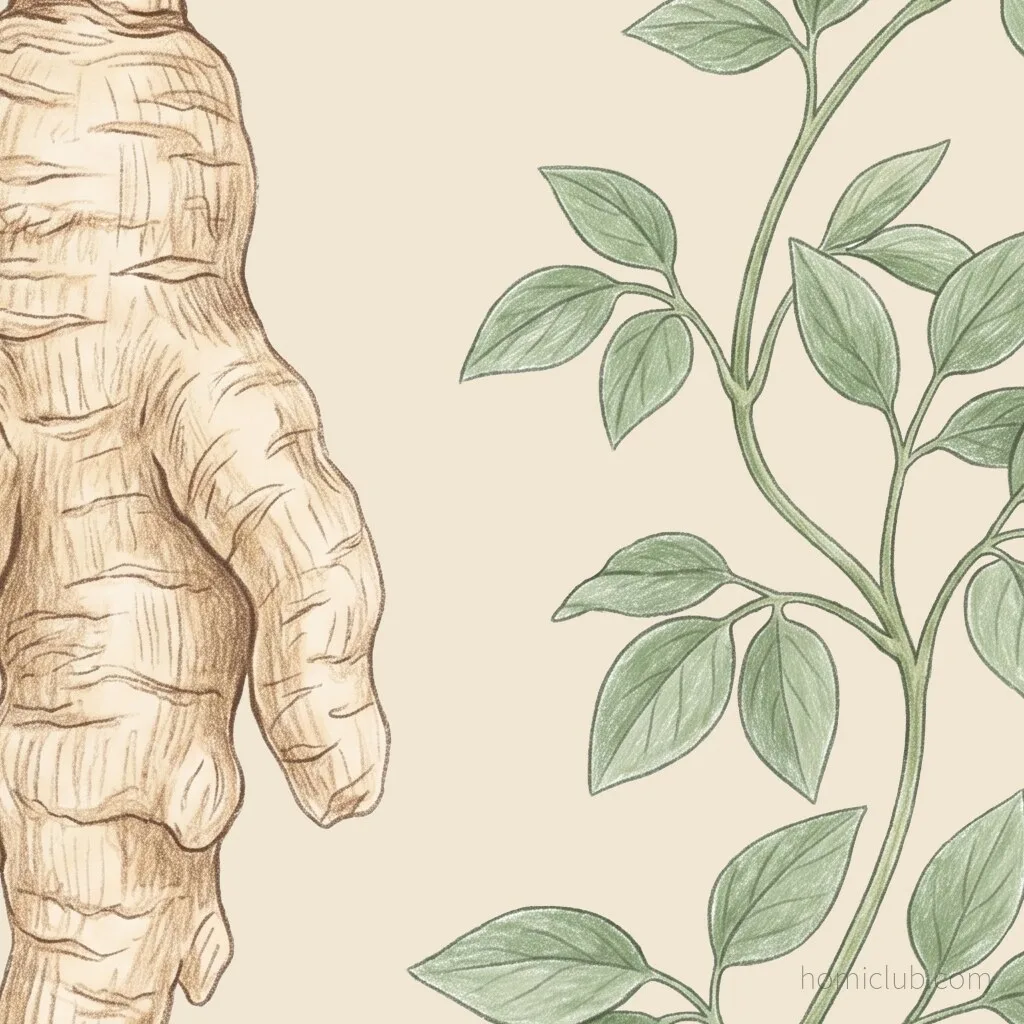
沙參 Deodeok (Korean Bonnet Bellflower Root)
 Related Crop · Deodeok (Korean Bonnet Bellflower Root) →
Sasam is the root the vernacular gloss calls deodeok; on that reading it is the same root grilled and dressed at table today and the same crop as deodeok in the guide. Its leaves resemble those of goji, and white, solid roots were rated best. In China today, however, sasam (沙參) names the ladybells (Adenophora), while deodeok (Codonopsis lanceolata) is called yangyu (羊乳), and in Korea too the ladybell is called sasam.
Original, read line by line 東醫寶鑑 · Tangaek — Decoctions vol. 2
-
性微寒, 味苦, 無毒.
Its nature is slightly cold, its taste bitter, and it has no toxicity.
-
補中, 益肺氣.
It supplements the middle and boosts lung qi.
-
治疝氣下墜, 排膿消腫毒, 宣五藏風氣.
It treats hernial qi with downward dragging, expels pus and disperses swelling toxin, and diffuses wind qi of the five viscera.
-
處處皆有, 生山中.
It is found everywhere and grows in the mountains.
-
葉似枸杞, 根白實者佳.
Its leaves are like those of gugi (枸杞), and roots that are white and solid are good.
-
採苗及根, 作菜茹食之, 良. 《本草》
Gather the shoots and the roots and make them into a vegetable dish to eat; this is good. 《Boncho (本草)》
-
二月八月採根, 暴乾. 《本草》
The root is dug in the second and eighth months and dried in the sun. 《Boncho (本草)》
Related Crop
Deodeok (Korean Bonnet Bellflower Root) →
Reading on Deodeok (Korean Bonnet Bellflower Root)
Vegetables — more entries
This is a cultural and historical record from a classical text, not a claim about any food’s effects. Nothing here is a health supplement or intended to prevent or treat disease. Consult a medical professional about health concerns. · Text: Korean Medicine Classics DB, collated with the Jangseogak copy of the 1613 wooden movable-type edition · Reading: Homiclub