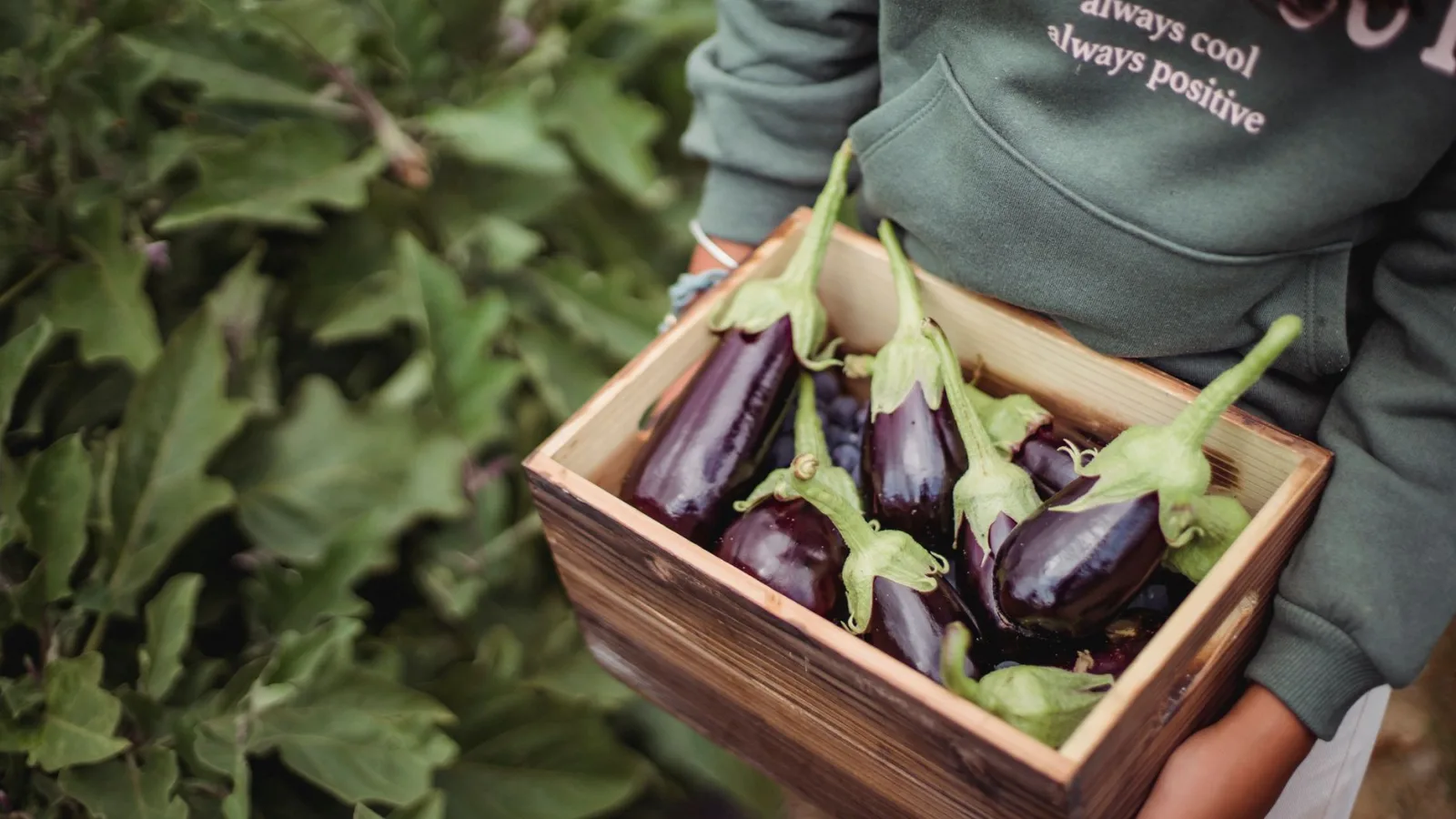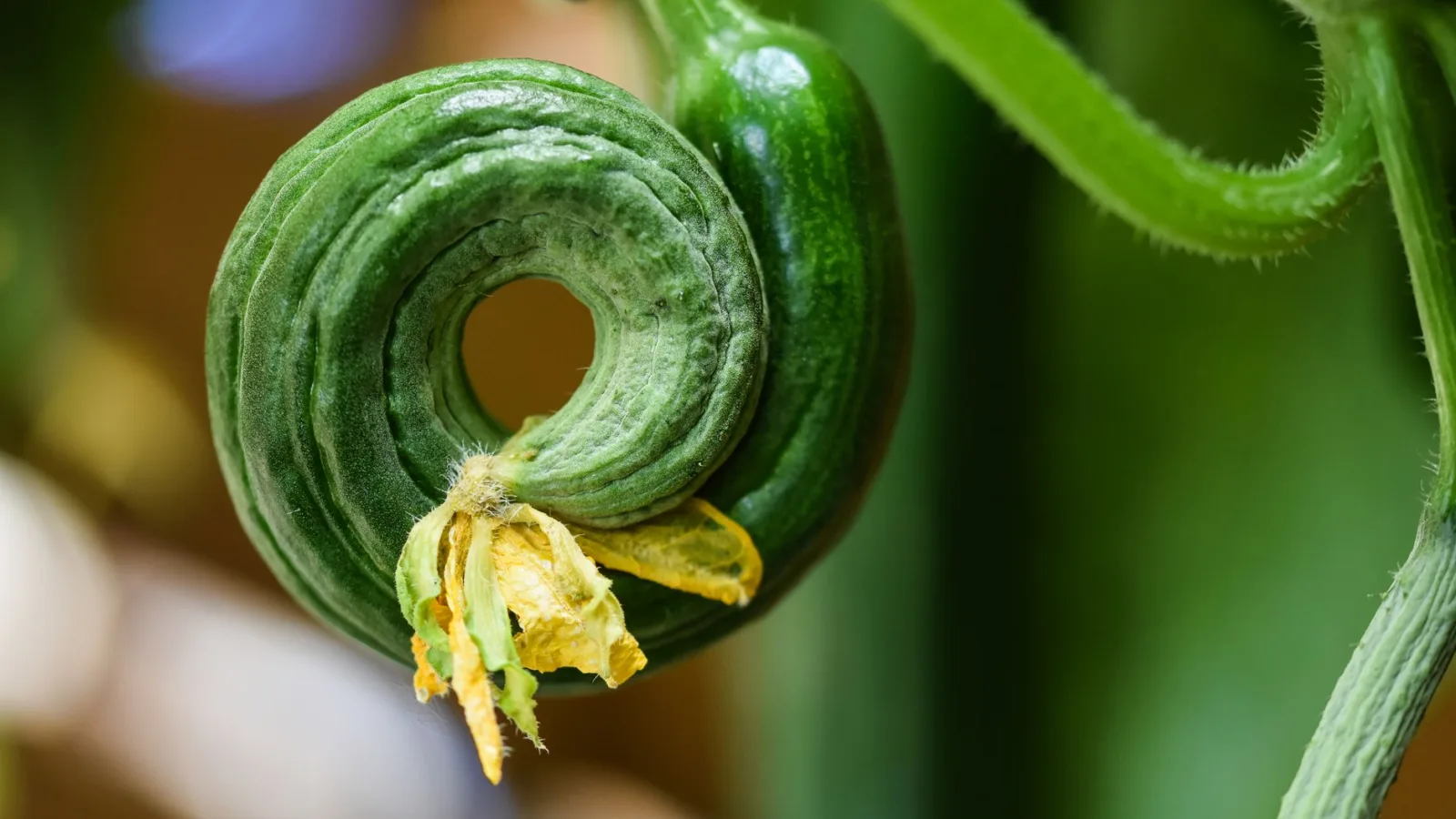
An August garden never has enough hands. Leave the cucumbers two days too long and they swell to the size of your forearm, and the eggplants and perilla leaves (the broad, minty Korean herb used for wrapping) grow faster than you can pick them. There is always more than one household can eat, so you end up dividing it into bags and hanging them on the neighbor's door handle. A few days later that neighbor shows up with Korean zucchini, and both refrigerators are full again.
One place has written those passing bags into the conditions of its food policy. It is Hawaii, in the middle of the Pacific.
An Island That Ships In Nine of Every Ten Meals
The islands are famous for pineapple and sugarcane, yet most of the rice, eggs, and vegetables that reach residents' tables arrive by container ship. Hawaii brings in roughly 90% of its food from outside. When a ship runs a few days late or a hurricane warning goes up, the rice and canned-goods shelves are the first to empty.
For a long time, then, Hawaii's food security plans centered on warehouses, cold storage, and a goal of doubling local production. You need somewhere to store food to ride out canceled sailings and failed harvests, and you need land to grow it on to lean less on the ships. No one argues with any of that. But once the facilities are all built, is the job done?
The Gap That Buildings Alone Never Filled
A policy paper by a researcher at the University of Hawaiʻi at Mānoa adds one more item to the list. Facilities and production are essential, the paper argues, but they are not enough on their own. A cold-storage warehouse can be standing right there, but if the farmers don't know who runs it, the harvest stays in the field. If school cafeterias and food banks don't know which farm to call, one side of the same island has a surplus while the other goes short.
When supplies were cut off, the paper notes, the fastest to respond were the farms and community groups that already had each other's phone numbers. The time it takes to negotiate terms from scratch, the trust that the other side won't gouge you on price, the kind of relationship where someone picks up your call first when things are urgent. None of it appears as a line item in a budget, yet it changes how the next few days turn out.
Hawaii once divided its land into ahupuaʻa, traditional units that ran in a single strip from the mountains down to the sea. The old practice of sharing water and harvests within each one survives to this day. The trust the researcher describes is less something to be invented than something that was already there, waiting to be revived.
What to Try in Your Own Garden Today
It is an island story, but it carries over intact to anyone with two planter boxes on a balcony. When vegetables go to waste in the August glut, it is usually not for lack of a place to grow them. It is for lack of somewhere to send them.
- Pick two people in advance who will take your extra vegetables. Decide before the harvest piles up, so the bags have somewhere to go.
- When you share seeds and seedlings, label them with the variety name. Next year, you'll both know who grew what.
- If you garden in an apartment-complex plot or a weekend allotment, keep a shared list of everyone's harvest days. It cuts down on the day when twenty cucumbers show up at once.
- Learn the name of one nearby farm or farmers' market. It comes in handy in the fall, when napa cabbage prices swing.
The Hawaii study points to the same thing. Keep adding warehouses and fields, but grow who can call whom right alongside them.
Tonight, put two cucumbers in a bag and hand them to someone whose name you know.