
Tangaek — Decoctions · Vegetables
菘菜 Napa Cabbage (Baechu)
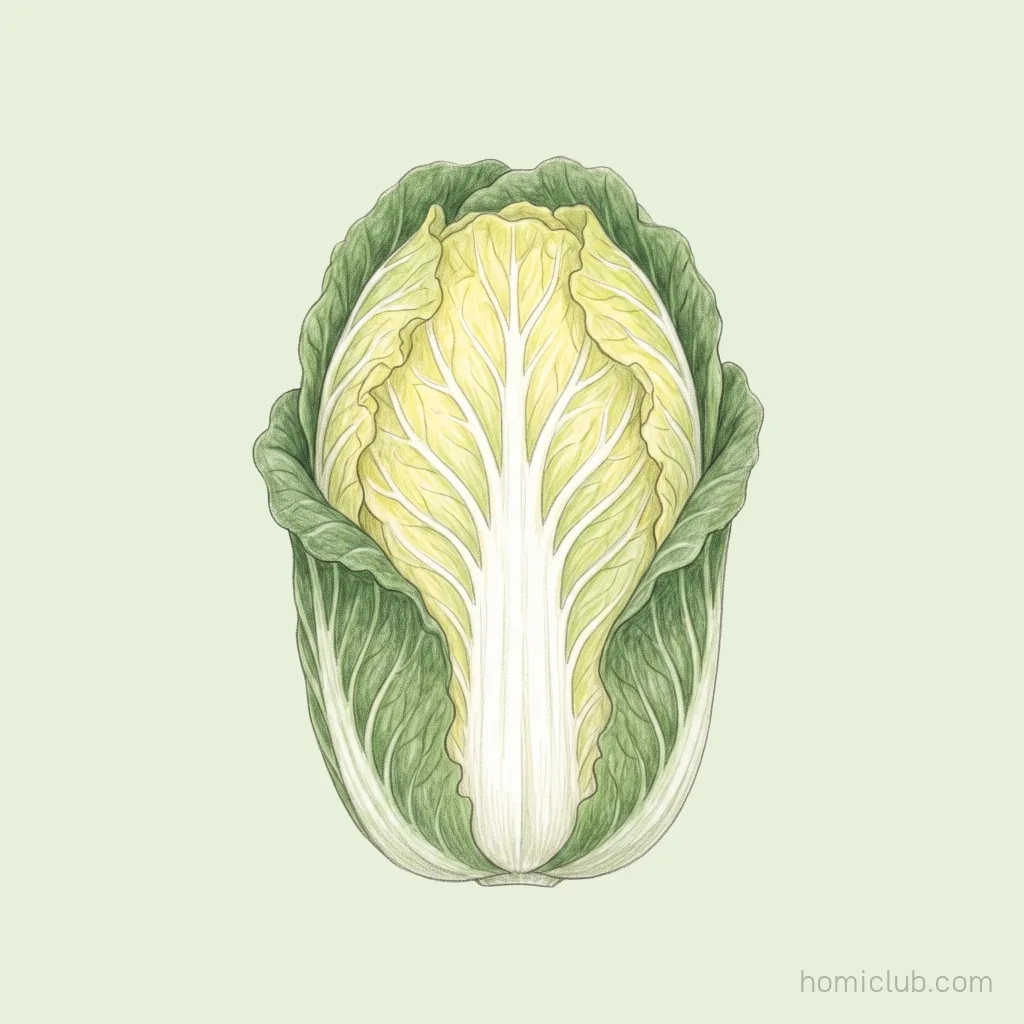 Related Crop · Napa Cabbage (Baechu) →
Sungchae is napa cabbage, the same cabbage in the crop guide. It is described as the most everyday vegetable on the table; its seed was pressed for oil, rubbed into hair or wiped onto blades to keep off rust. Half-dried leaves packed in a jar with hot rice water for three days gave jesu, an early form of kimchi brine.
Original, read line by line 東醫寶鑑 · Tangaek — Decoctions vol. 2
-
性平一云涼, 味甘, 無毒一云微毒.
Its nature is neutral, though one account calls it cool; its taste is sweet; it is non-toxic, though one account says it has slight toxicity.
HomiclubSungchae is baechu (napa cabbage), a biennial crucifer. It is the main ingredient of kimjang kimchi today, and the heading type that packs a dense inner core is the one widely grown.
-
消食下氣, 通利腸胃, 除胸中熱, 解酒渴, 止消渴.
It disperses food and sends qi downward, frees the intestines and stomach, removes heat in the chest, relieves thirst from drink, and halts sogal (消渴, wasting thirst).
-
菜中有菘, 最爲常食, 然多食發冷病, 惟生薑可解. 《本草》
Among vegetables there is baechu, the most everyday food of all; yet eating much of it brings on cold disorders, and only fresh ginger can resolve them. 《Boncho (本草)》
HomiclubPairing baechu with ginger lines up exactly with today's kimchi seasoning: kimjang mixes ginger together with garlic and salted seafood.
Related Crop
Napa Cabbage (Baechu) →
Reading on Napa Cabbage (Baechu)
Vegetables — more entries
This is a cultural and historical record from a classical text, not a claim about any food’s effects. Nothing here is a health supplement or intended to prevent or treat disease. Consult a medical professional about health concerns. · Text: Korean Medicine Classics DB · Reading: Homiclub