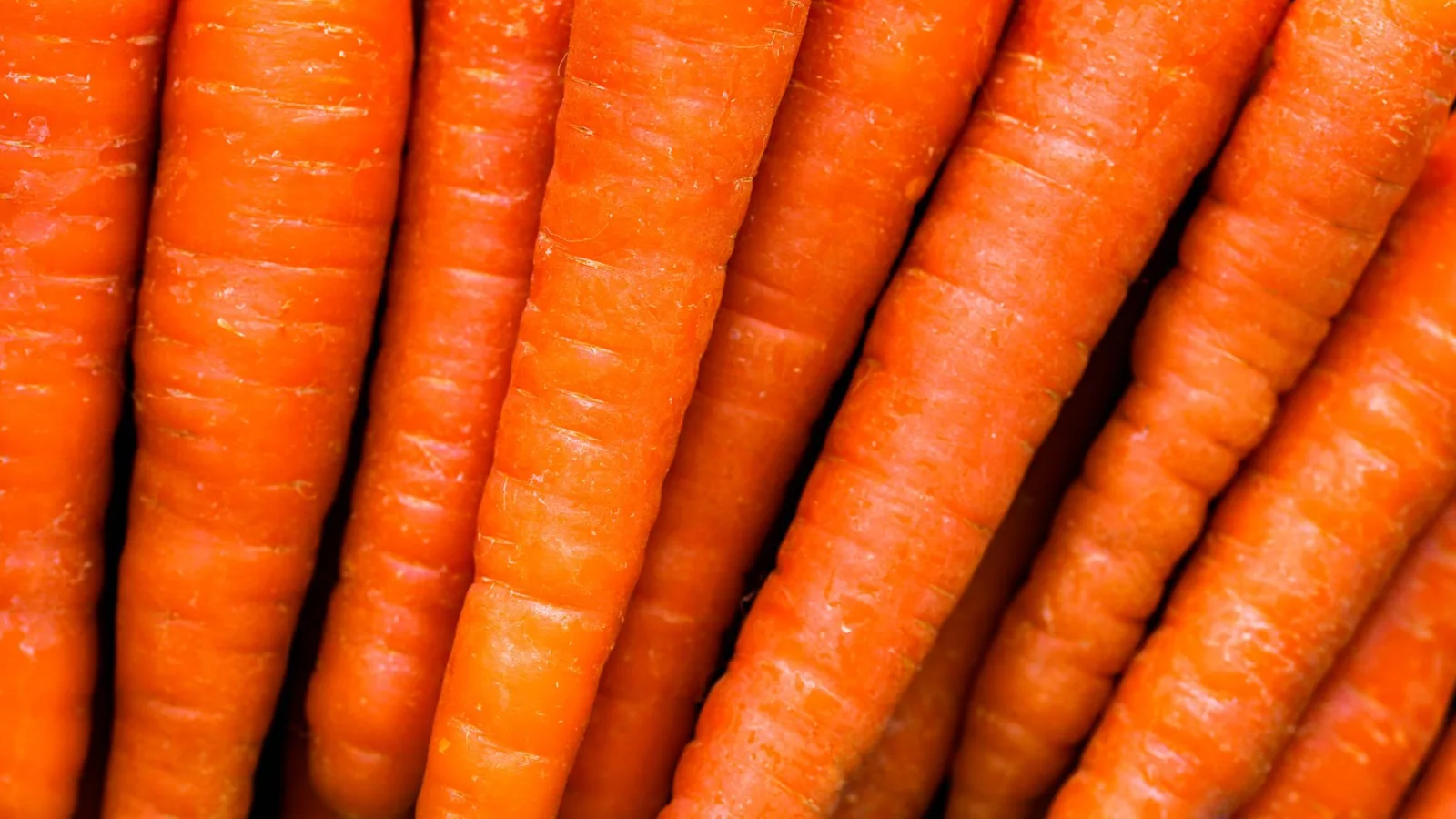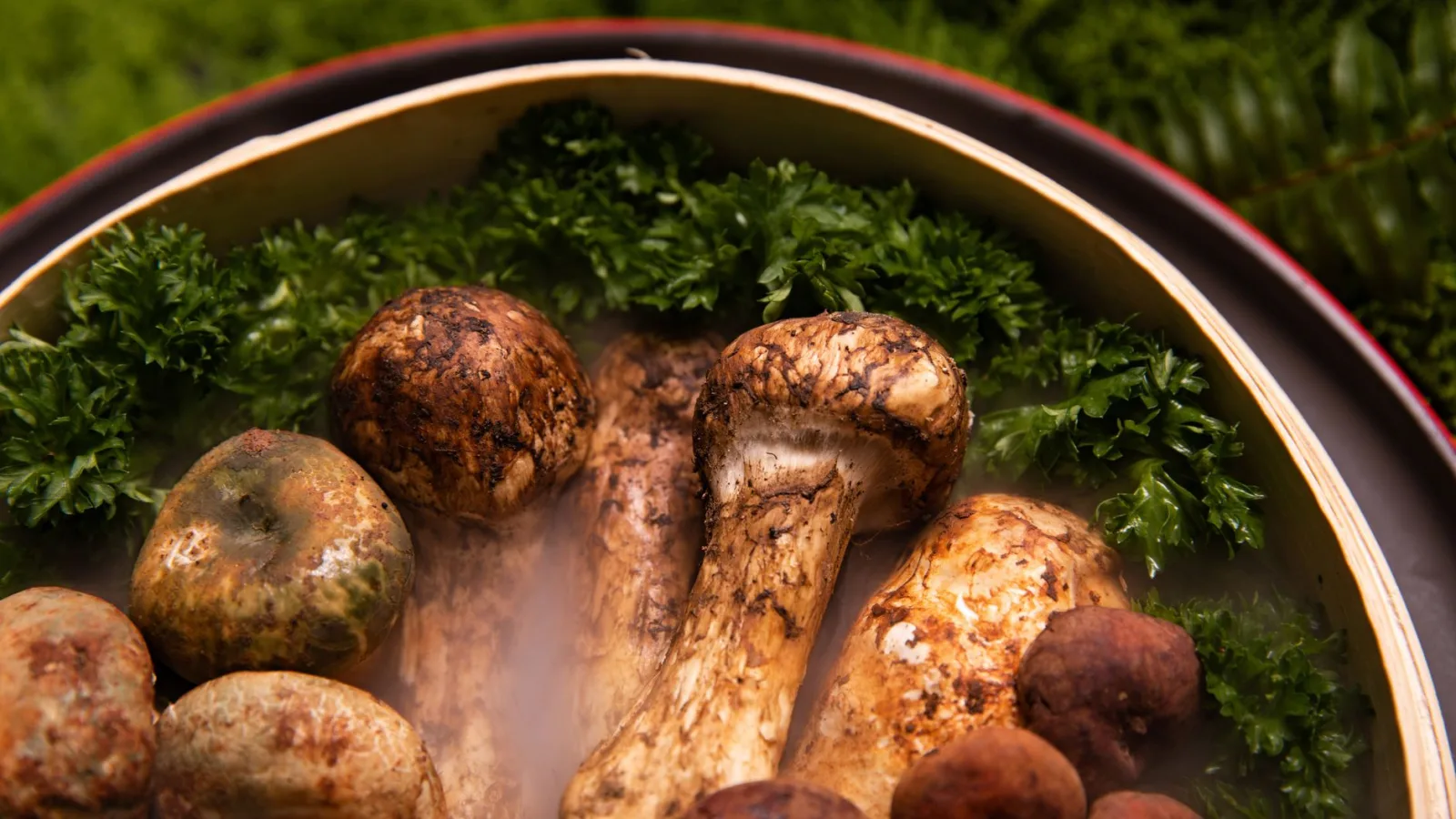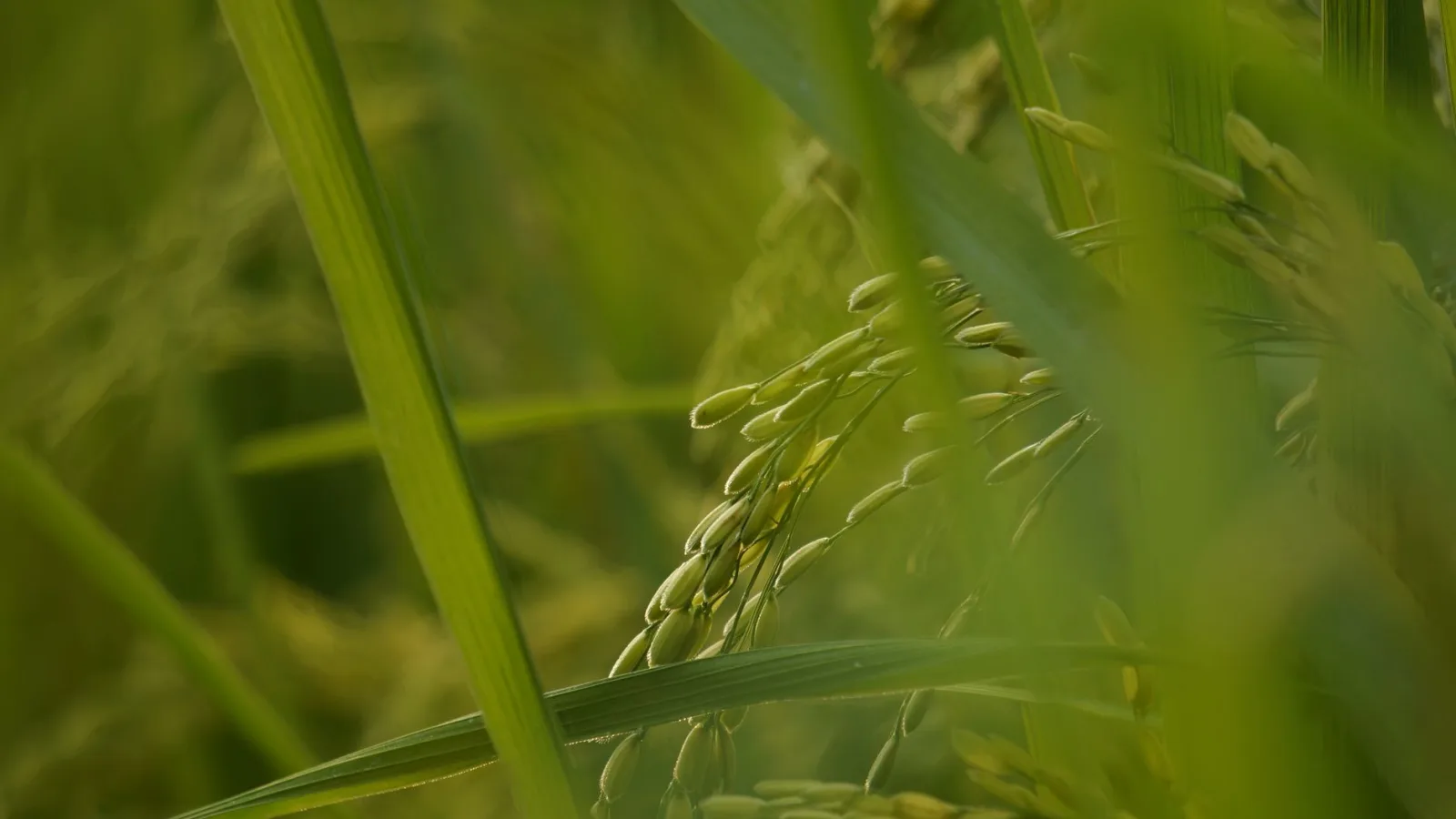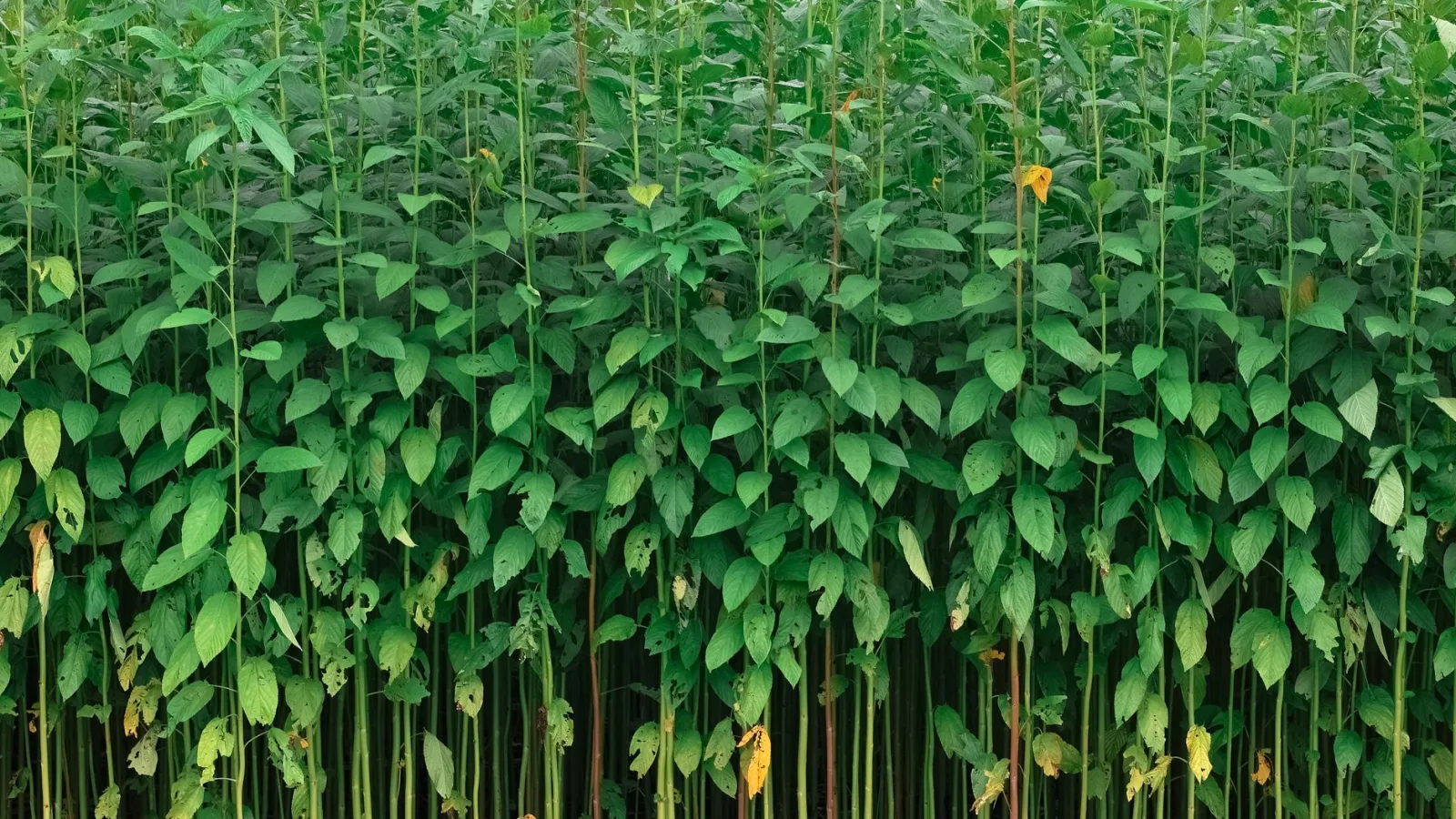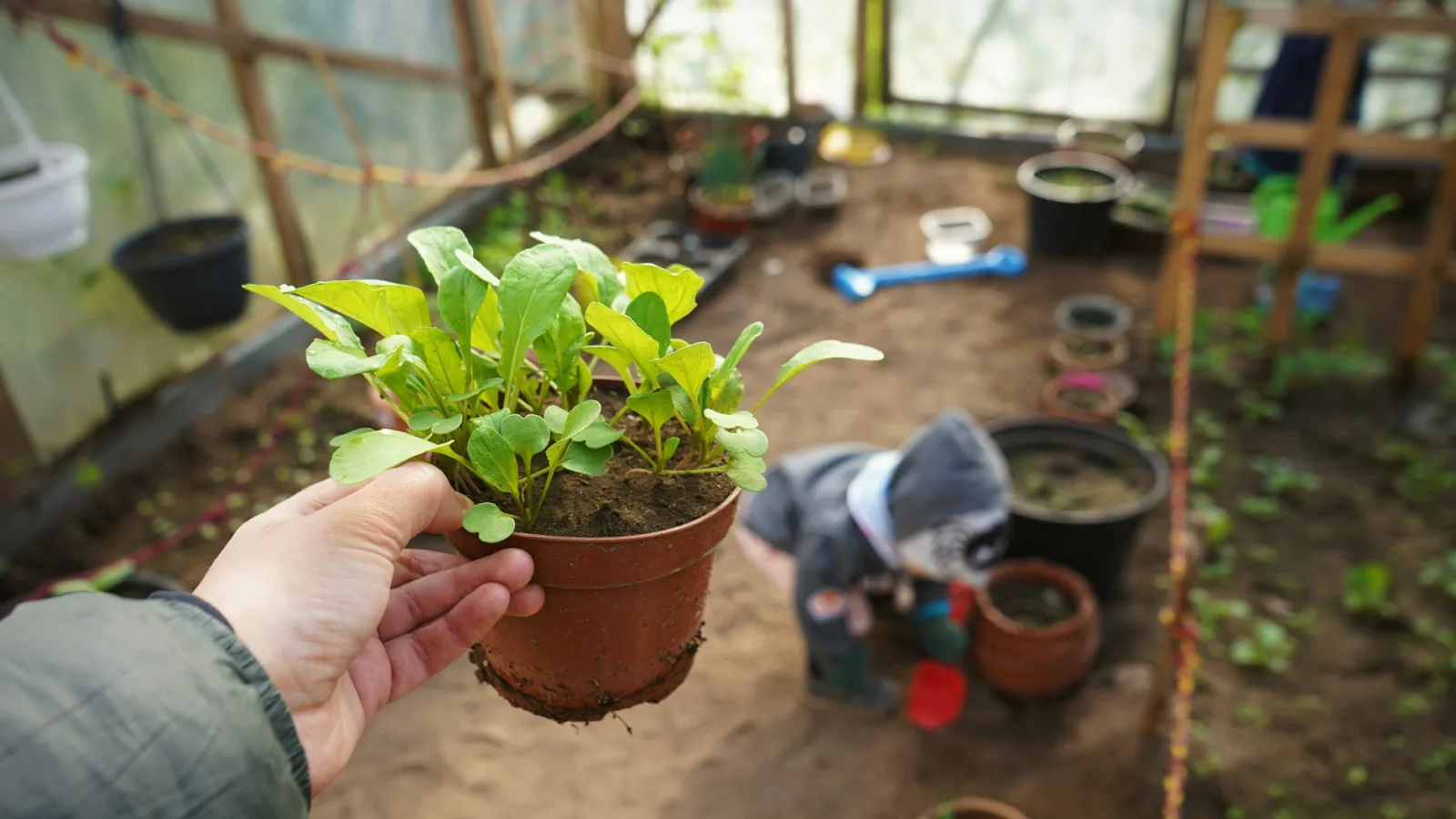
Once the napa cabbage and radishes are in the ground, there's almost always an awkward strip of bed left over. Have you ever tried giving it a row of gat (Korean mustard greens), arugula, or mustard leaf? Napa cabbage, radish, gat, arugula, kale, and rapeseed all belong to a single family — the brassicas, also known as the crucifers, vegetables whose four petals open in the shape of a cross. And this family has far more members that we almost never plant.
The Brassicas Nobody Talks About
Worldwide, the brassica family runs to more than 3,000 species. But only a handful show up on our tables with any regularity: napa cabbage, radish, broccoli, head cabbage. A great many of the rest have barely been studied as crops at all, and linger at the edge of a field or out in open country. Rapeseed and mustard, grown for the oil in their seeds; arugula and watercress, grown for their leaves; turnips, grown for their roots; and the wild relatives that come up on their own along field banks and hillsides — every one of them belongs here.
These plants tend to shrug off drought, heat, and poor soil, and many of them suffer far less from pests and disease. The toughness that napa cabbage and radish have slowly traded away over long centuries of careful breeding still lives on in these lesser-known greens and their wild kin. Looked at across the family as a whole, they're the vegetables keeping a wide pool of genetic diversity open for whatever we end up needing next.
What's Behind That Peppery Bite
Bite into gat or arugula and you get that sharp, sinus-clearing sting. The flavor comes from a group of compounds called glucosinolates. The plant makes them for its own defense, to fend off insects and disease. When you cut or chew a leaf, enzymes inside the plant convert them into compounds such as sulforaphane — which is especially abundant in broccoli sprouts.
Plenty of research is underway on whether these compounds support the body's antioxidant and detoxification systems. We're nowhere near the point of saying they treat any particular illness, but they make a fine case for eating a broad range of vegetables. One caveat: a long boil strips much of the compound away, so try a quick blanch instead, or eat the leaves raw — geotjeori-style, tossed fresh with seasoning just before the meal.
How Genome Research Is Changing the Backyard Garden
Lately, scientists have been reading the entire genetic instruction set of these overlooked brassicas. They're mapping the sequence down to the level of individual chromosomes, then pooling the genes of many varieties to compare them side by side. One by one, it becomes clear which genes let a plant ride out a drought, which ones keep disease at bay, which ones improve the quality of the oil and the seed.
Because brassicas are such close relatives, a useful trait discovered in a wild green is relatively easy to move into a familiar crop like napa cabbage or radish. That makes new varieties — heat- and drought-tolerant, and rich in nutrients — more likely all the time. The vegetables we pushed out to the edge of the field may turn out to matter enormously to the farming ahead of us.
So when you set out your napa cabbage and radishes this fall, hand one row over to gat, arugula, or mustard leaf. They ask less of you than you'd expect, they'll keep offering up peppery leaves for a long stretch, and the range of what reaches your table widens all on its own.