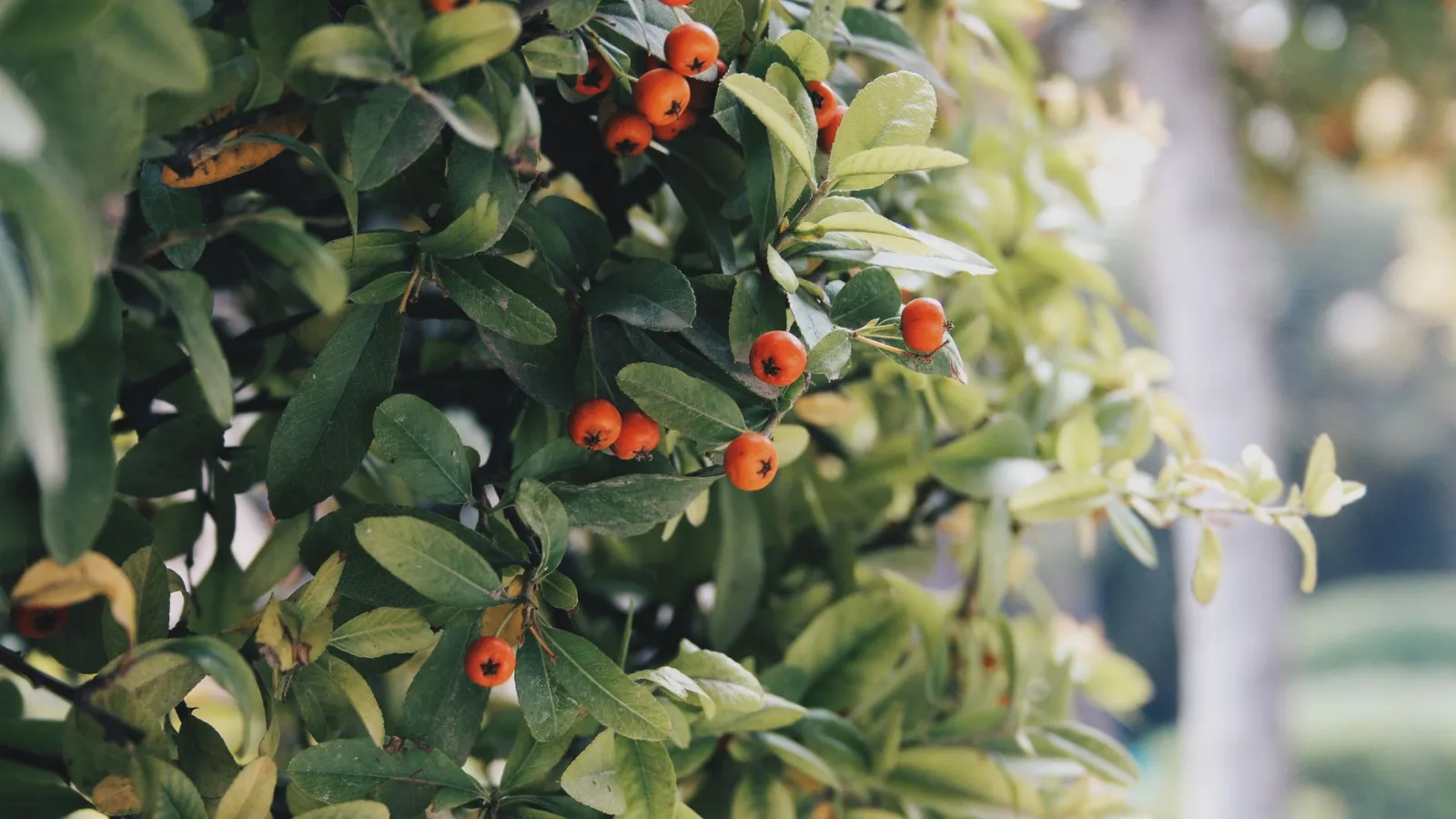
Open a jar of Korean bush cherry cheong, the sugar-preserved fruit syrup you put up in summer, in November and the sugar has fully dissolved, leaving only red liquid. The red runs deeper than it did four months ago when you picked the fruit, and on the bottom sit the shrunken berries, each no bigger than a small cherry. Every one holds a single seed. Four centuries ago, the part a medical text recorded as medicine was not the fruit. It was the kernel inside that seed.
What the Donguibogam Recorded Was the Kernel
The Donguibogam, the Korean medical encyclopedia published in 1613, lists Korean bush cherry in the Trees section of its materia medica under the name ukriin (郁李仁), and its vernacular Korean gloss, moe-iseurat ssi, means "mountain bush cherry seed." The text calls its nature neutral, its taste bitter and pungent, and says it carries no toxin. For appearance, it describes the fruit: branch, flower, and leaf all like a plum tree's, but the fruit only as big as a cherry, red, and sweet, sour, and slightly astringent. The seed, it adds, ripens along with the fruit.
Harvest fell in the sixth lunar month, with fruit and root gathered together. To use it, the seed was shelled, soaked overnight in honey water, and ground. Other names survive as well, geohari (車下李) and cheongeumdeung (千金藤), and in Korea it was also called sanmaeja. The entry carried over into our guide ends with that preparation method. This is a historical text, and modern medicine does not necessarily reach the same conclusions. You can read the full passage with commentary on the Donguibogam page for ukriin.
The Kernel Contains Cyanogenic Glycosides
Modern nutritional analysis does not treat the seed as an edible part. Kernels from the genus Prunus, including apricot pits and the pits of maesil (Korean green plum), contain cyanogenic glycosides such as amygdalin, and Korean bush cherry belongs to the same genus. Our guide has no figures measured on bush cherry seed specifically. For apricot kernels, a close relative, the European Food Safety Authority (EFSA) issued an opinion in 2016. It calculated that an adult eating more than three small raw apricot kernels could exceed the amount considered safe in a single sitting, and that a young child could exceed it with just one. Bush cherry seeds are far smaller than apricot kernels, so the numbers do not transfer directly. But this compound is why our guide asks you to keep the seeds intact when you preserve the fruit.
The Fruit's Red Color and Tart Flavor Match the Old Record
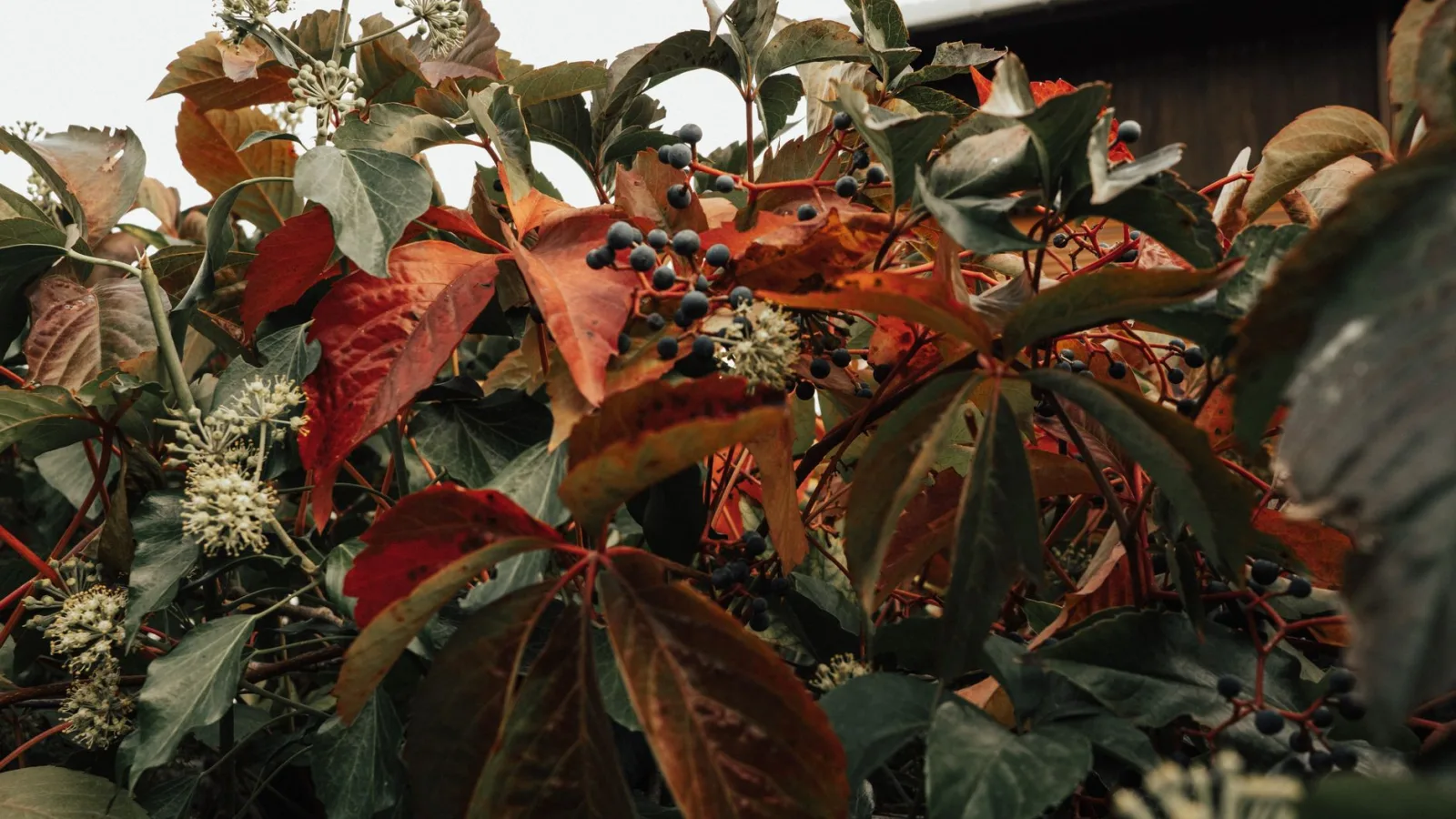
The color of the ripe red skin comes from anthocyanin pigments. Anthocyanins dissolve in water, so when the fruit sits in sugar or spirits they leach out of the skin and tint the liquid, and the red grows more vivid in acidic conditions. Because bush cherries are small, they carry a high ratio of skin to flesh, and the syrup takes on an especially fine color. The tartness comes from organic acids. Bite into a fruit today and the taste is just as the Donguibogam described it: sweet, sour, and slightly astringent. Our guide holds no measurements of how the fruit benefits the body, so we stop at color and flavor. What has changed since the old record is the part that gets used. The old text ground the seed; today's garden and kitchen strain the seed out and keep only the skin and flesh.
Growing a Shrub That Tops Out Around 1.5 m
Korean bush cherry is a shrub of mountain foothills that reaches only 1 to 1.5 m at full size. In the Northern Hemisphere, plant nursery stock in March or April, once the ground has thawed. Choose a spot that gets at least six hours of sun a day and space the plants about 1 m apart. Water during the first year only; from the second year on, rain will do. After the spring blossoms drop, the fruit turns from green to red in June and July. That color change is your cue to harvest, so pick the whole crop at once on the day an entire branch has gone red. Planting and harvest months are laid out as a calendar in the Korean bush cherry entry in the crop guide.
Preserving the Fruit Without Cracking the Seeds
Rinse the picked fruit, let it dry, then layer it with an equal weight of sugar: 500 g of fruit to 500 g of sugar. Pressing or packing will crack the seeds, so mix by gently shaking the jar instead. Leave it in a cool place for about ten days until the sugar has fully dissolved, then move it to the refrigerator. For infused liquor, add the whole fruit and pour in spirits weighing about twice as much as the fruit, then set the jar somewhere cool. After about two months, once the color has steeped out, lift out the fruit, and if you spot any cracked seeds as you do, strain those out too. Mix the syrup with cold or sparkling water at about 1:4 and the tartness comes through clearly. This is a single-season summer fruit, and color and aroma are best if you use it within the year.
Fish out the fruit that has settled to the bottom of the jar in November and the seeds are still whole. The very seed the Donguibogam soaked overnight in honey water and ground is now handled so it won't crack, and then strained away. On the same tree, across four centuries, the part in use has shifted from seed to fruit.
Sources: Donguibogam, Tangaek section, Trees division, "郁李仁"; European Food Safety Authority (EFSA) Panel on Contaminants in the Food Chain, Scientific opinion on cyanogenic glycosides in raw apricot kernels, 2016.