
Tangaek — Decoctions · Trees
郁李仁 Korean Bush Cherry
 Related Crop · Korean Bush Cherry →
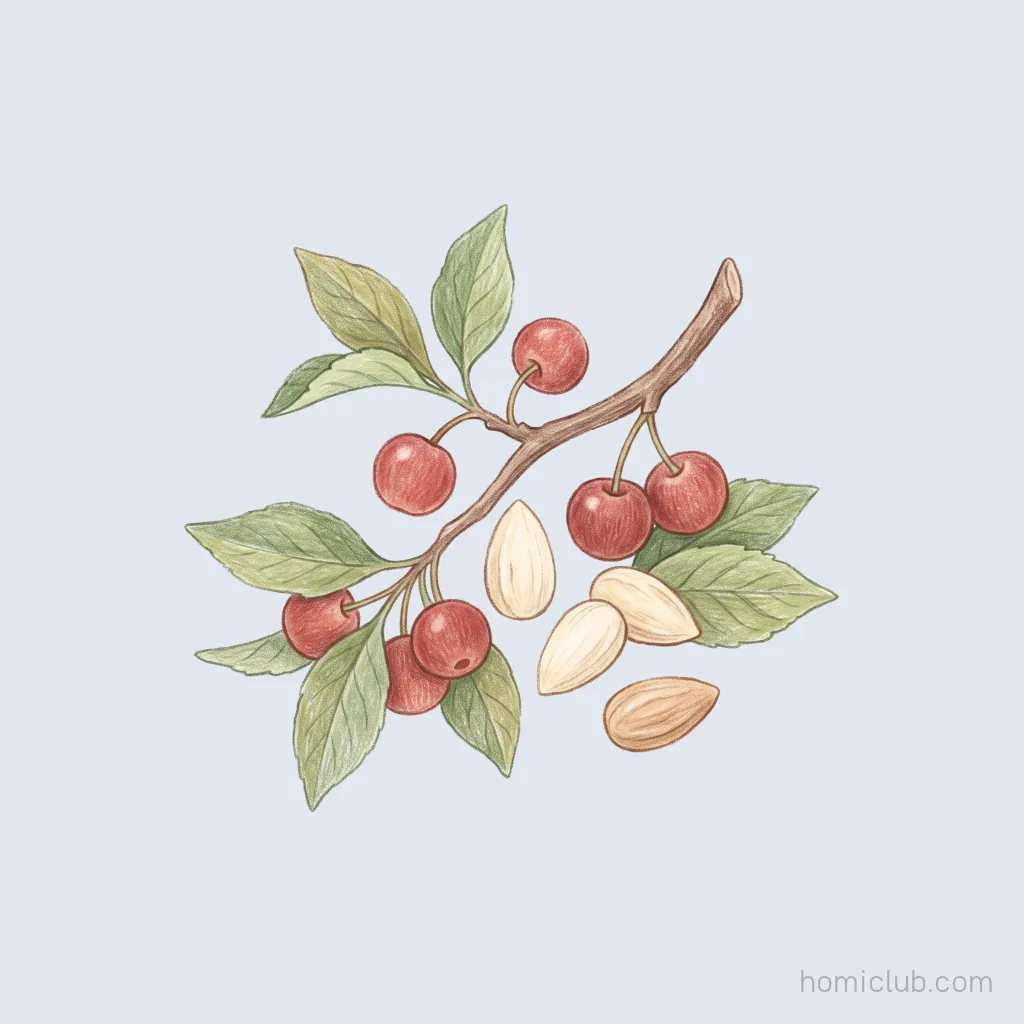
Ungniin is the kernel inside the stone of the Korean bush cherry, written 'mountain iseurat seed' in the old gloss and also called sanmaeja. The shrub carries the branch, flower and leaf of a plum, but its fruit is a red berry no bigger than a cherry. Preparers husked the kernels, soaked them overnight in honey water and ground them.
Original, read line by line 東醫寶鑑 · Tangaek — Decoctions vol. 3
-
性平, 味苦辛, 無毒. 主通身浮腫, 利小便.
Its nature is neutral and its taste bitter and pungent, and it is non-toxic. It chiefly treats swelling of the whole body and promotes urination.
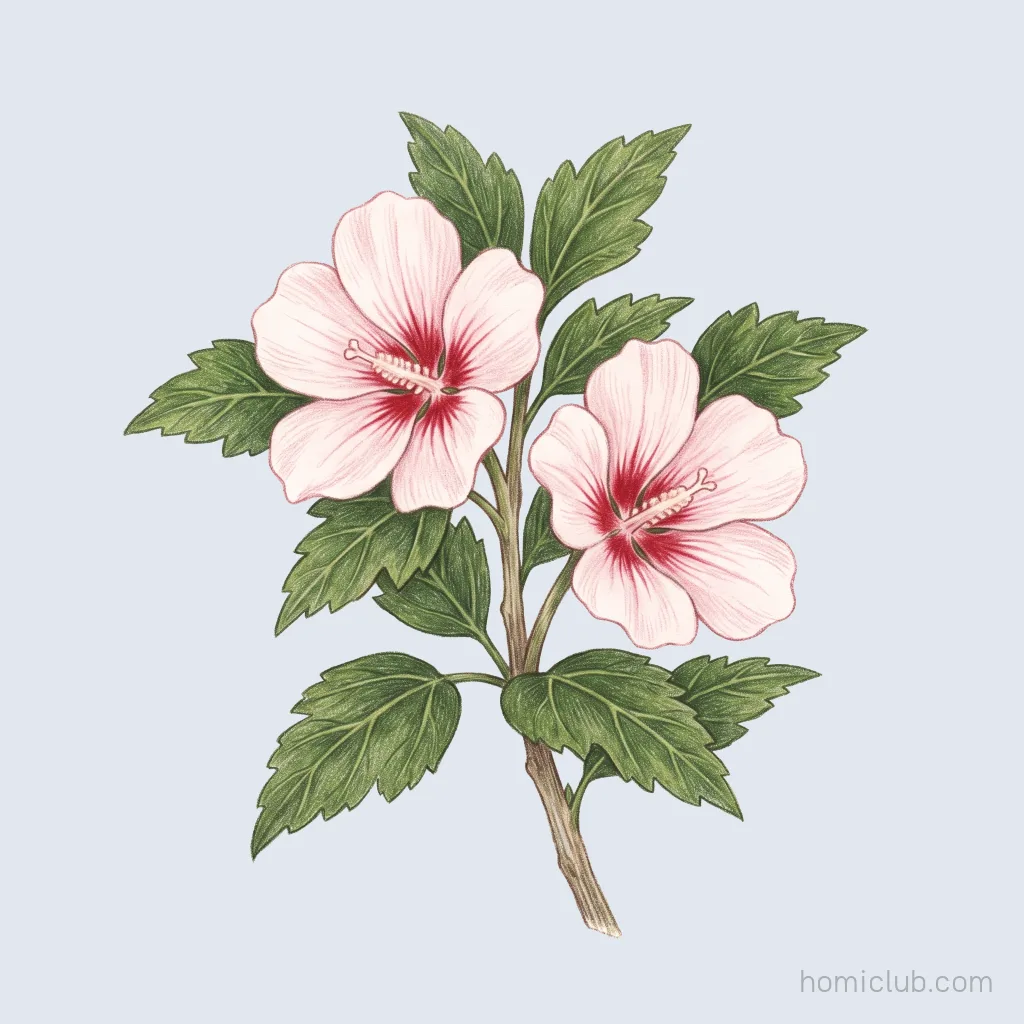
HomiclubUngniin is the kernel inside the pit of the Korean bush cherry. It is a rose-family shrub of hillside thickets, with clustered pink blossoms in spring and cherry-sized red fruit in summer.
-
治腸中結氣, 關格不通, 通泄膀胱, 五藏急痛, 宣腰脚冷膿, 消宿食下氣.
It treats knotted qi in the intestines and the impassable blockage of gwan-gyeok (關格), frees and drains the bladder, and relieves sudden pain in the five viscera and cold pus in the loins and legs; it digests old food and brings down qi.
-
處處有之. 枝條花葉皆若李, 惟子小若櫻桃. 赤色而味甘酸微澁, 核隨子熟.
It grows everywhere. Its branches, flowers, and leaves are all like those of the plum, only the fruit is small like a cherry. It is red in color, sweet and sour in taste with a slight astringency, and the pit ripens along with the fruit.
-
六月採實幷根用, 一名車下李. 《本草》
Gather the fruit in the sixth month and use it together with the root; another name for it is chahari. 《Boncho (本草)》
-
去殼, 湯浸, 去皮尖雙仁, 蜜水浸一宿, 硏用. 《入門》
Remove the shell, steep it in hot water, discard the seed coat, the pointed tip, and any ssang-in (雙仁, twinned kernels), soak it in honey water for one night, and grind it for use. 《Immun (入門)》
HomiclubA ssang-in is a pit that holds two kernels inside one shell. The same instruction to pick these out appears for apricot and peach kernels, following an old processing principle of discarding anything that differs from the norm.
-
一名千金藤, 破血潤燥. 《正傳》
Another name for it is cheon-geumdeung, and it breaks blood and moistens dryness. 《Jeongjeon (正傳)》
Related Crop
Korean Bush Cherry →
Trees — more entries
This is a cultural and historical record from a classical text, not a claim about any food’s effects. Nothing here is a health supplement or intended to prevent or treat disease. Consult a medical professional about health concerns. · Text: Korean Medicine Classics DB · Reading: Homiclub