By June, aphids start crowding the undersides of pepper leaves. But in years when the next bed over holds a mix of perilla (a broad-leaved herb in the mint family, a staple of Korean cooking) and carrots, those same aphids often thin out within a few days. In the meantime, ladybugs and parasitic wasps just 2–3 mm long have moved in. For the gardener, planting a single crop in tidy rows is less work. But a long bed of one crop and a bed of mixed crops behave differently, starting with how fast the bugs multiply.
In fields, more plant variety means more predators
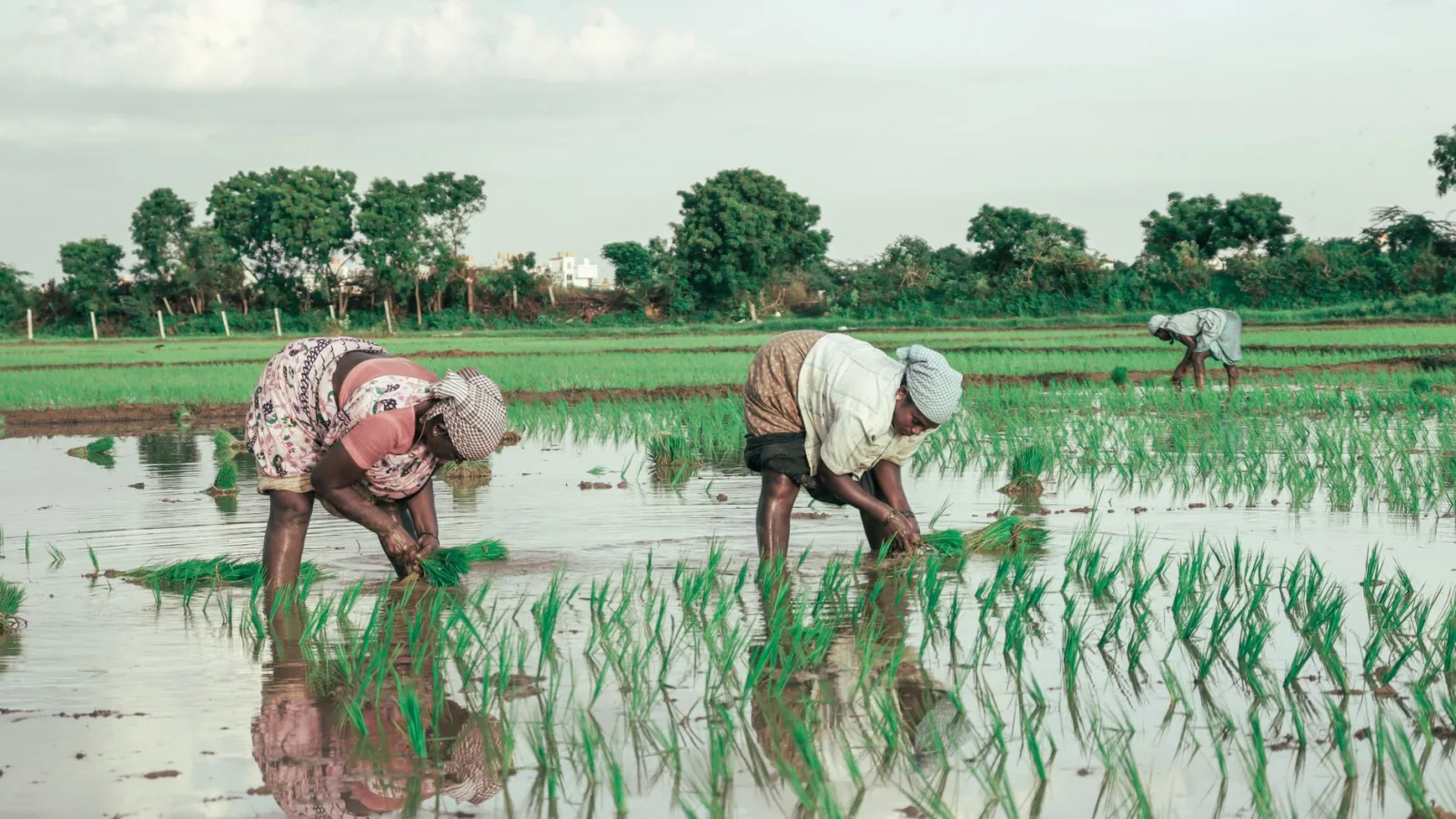
An international research team led by Germany's Leibniz Institute for the Analysis of Biodiversity Change (LIB) gathered data from farmland, grasslands, and forests around the world and analyzed it all together. They wanted to see how pests and their natural enemies respond as the number of plant species rises. On farmland, sites with more plant species also had more predators, including spiders, parasitic wasps, and ladybugs, and pests did less damage to crops.
It comes down to food and shelter. A field planted with a single crop is a feast only for the insects that eat that crop. Many beneficial insects hunt pests as larvae, then switch to pollen and nectar as adults. Without flowering plants, they have no reason to lay eggs or stay long. When plants that bloom at different times grow side by side, the adults have food from spring through fall.
Forests and grasslands play by different rules
In the same data, forests and grasslands told a different story. Adding plant species didn't reduce pest damage nearly as much as it did on farmland. The researchers concluded that long-established forests and grasslands already give predators plenty of places to hide and plenty to eat, so a few more plant species don't change much. More kinds of foliage also bring more plant-eating insects, which can cancel out the gains from extra predators.
Farmland, by contrast, is often plowed under every year and planted with a single crop. With so much empty space to fill, adding even a few plants makes a big difference. The idea that plant diversity cuts down on pests and disease holds truest in the simplified fields people have made. A backyard plot of just a few square yards fits that description exactly.
What to try in your garden today
- Instead of filling a bed with one crop, mix in crops from different plant families. Alternate nightshades like peppers and tomatoes, brassicas like napa cabbage and Korean radish, and legumes like beans, and a pest can't spread straight down to the next row.
- Let some plants flower. Dill, cilantro, carrots, parsley, and other members of the carrot family produce tiny, umbrella-shaped flower clusters that parasitic wasps and hoverflies love. When you finish harvesting, leave a plant or two in the ground and let them bloom.
- Don't mow every edge. Leave even a single strip of grass along one side, and spiders and beetles will spend the winter underneath it.
- If you spray the moment you spot a few aphids, you'll also knock out the predators that would have followed. Watch for a few days, and try rinsing them off with a stream of water first.
Today, plant a row of dill or cilantro at the end of a bed. By the time aphids show up next month, your insect allies will already have found those flowers.
Source: International study led by the Leibniz Institute for the Analysis of Biodiversity Change comparing plant diversity and pest damage across farmland, grasslands, and forests worldwide