

- Type
- Fruiting Vegetables
- Difficulty
- Moderate
- Season
- Summer
- Sowing
- Transplant
Chili Pepper (Gochu)
Capsicum annuum
Capsaicin, the compound behind the heat
The heat in chili peppers comes from capsaicin, which acts on sensory receptors in the mouth and skin to produce both pungency and a feeling of warmth. Green and red chilies are both high in vitamin C, and as the fruit ripens to red it accumulates capsanthin, a pigment distinctive to peppers. None of this means that eating chili makes weight fall away or illness go. Outdoors, transplants go in during April or May, picking starts in July, and the harvest runs to October, until the first frost.
Year-Round Calendar
- 1
- 2
- 3
- 4
- 5
- 6
- 7
- 8
- 9
- 10
- 11
- 12
- 4
- 5
- 7
- 8
- 9
- 10
Where It Grows
-
Main producer
It ranks first in the world in the production, consumption, and export of dried chilies alike. The heart of the industry is Guntur in Andhra Pradesh, along with Telangana. Harvest December, January, February, March
- 1
- 2
- 3
- 12
- Main producer It is the world's top producer of fresh chilies (including green chilies and sweet peppers). Shandong, Hebei, Guizhou, and Sichuan are the main centers.
- Origin This is where Capsicum annuum was domesticated. Its traditional varieties remain the most diverse anywhere, and Sinaloa and Chihuahua are its fresh-chili growing regions.
- Major producer It produces both fresh and dried chilies along its Mediterranean and Aegean coasts.
- Major producer Centered on the island of Java, it produces small, hot traditional chilies in large quantities.
- Major producer Its highland plateaus produce large quantities of dried chilies. It is the biggest producer in Africa.
Domesticated in Mexico and Central America, the chili spread through Europe to Africa and Asia from the late 15th century onward, and today the great majority of production is in Asia. The FAO counts chilies under two separate headings, 'fresh' and 'dried', and lumps hot chilies and mild bell peppers together in the same category, so the rankings are not a one-to-one match with any single crop. Korea's traditional chili varieties are not recorded separately in these statistics.
- Optimum
- 25~30℃
- Range
- 15~35℃
- Hardiness
- Not hardy
- Day length
- Day-neutral
A tropical plant by origin, the chili pepper loves heat — but once temperatures rise above 35℃, or when night temperatures fail to drop below 25℃, the pollen dies and the plants set no fruit. A single frost kills them, and growth stops below 15℃. It is a day-neutral crop, flowering regardless of day length.
In Korea Nationwide
Well-known growing areas are Yeongyang, Andong, and Cheongsong in North Gyeongsang; Goesan in North Chungcheong; and Haenam in South Jeolla. Because red chilies are often dried in the sun, inland mountain country with little late-summer rain and a wide swing between day and night temperatures holds the advantage.
- 4
- 5
- 7
- 8
- 9
- 10
- 5
- 8
- 9
- 10
- 5
- 6
- 8
- 9
- 10
How to grow
- Light
- As much as you can give it. Six hours or more
- Soil and depth
- 30cm deep or more. In a pot, 15 litres per plant
- Spacing
- 45cm. Too tight and the air stops moving, which is how disease starts
- Watering
- It drinks heavily. Let it dry and the flowers and small fruit drop
- Feeding
- From the first fruit onwards, every two or three weeks without fail
- Harvest
- Green at finger length; red once fully coloured
What makes the difference. Stake it the day you plant. Stake after the fruit sets and you damage the roots. Remove every side shoot below the first fork
Why this one is harder. The rainy season and anthracnose are the whole battle. Position, staking and airflow have to be settled before it starts
Common problems
- Anthracnose You will see Sunken brown patches on the fruit, then it goes soft What to do Stake early so air moves before the rainy season. Pick off affected fruit at once — left on the plant it spreads
- Aphids You will see Curled, sticky new growth What to do Wash off; use a soap spray if it recurs
- Fruit-boring moth You will see A hole in the fruit and nothing inside What to do Remove and destroy holed fruit
This page describes how a crop is grown and used. It does not claim health effects for any food, nor is it intended to prevent or treat disease. Component and study notes are references only and do not mean the same result occurs in people. Consult a medical professional about health concerns.
Health Benefits
What the observational studies can say. Several observational studies have compared people who eat chili peppers often with people who rarely do. Diet and lifestyle are tangled together in such data, so the share belonging to chili itself cannot be separated out, and evidence of this kind cannot say that the risk of any particular disease goes down.
The weight studies used supplements. The findings most often cited about body weight come from studies of capsaicin supplements, which differ from eating chili as food in both form and amount. The reported changes were also small, so they are not grounds that carry over to chili eaten as a food.
Studies on blood lipids. The cholesterol research likewise used capsaicin supplements rather than food, a different set of conditions. Evidence in people that eating chili changes blood lipids has not accumulated.
Pungency and the sensation of heat. Capsaicin is confirmed to act on the TRPV1 receptor in the mouth and skin, producing a sensation of heat. Whether that stimulus makes any lasting difference to daily energy expenditure is not clear.
When the heat becomes an irritant. Capsaicin irritates mucous membranes, so some people feel burning or pain after eating it. Anyone with a sensitive stomach does better with smaller amounts, and persistent discomfort is a matter to raise with a medical professional.
Nutrition
- Capsaicin (the compound behind the heat) — the compound that makes chili pungent
- Vitamin C (abundant) — higher in fully ripened red chili
Capsaicinoids The pungency of chili pepper comes from compounds in the capsaicinoid family. The key active compounds are capsaicin and dihydrocapsaicin, and the concentration varies widely by variety, with green chili known at 500-2,500, cheongyang chili at 4,000-12,000 and habanero at 100,000-350,000 SHU (Scoville Heat Unit).
Vitamin C Chili pepper is high in vitamin C. Korea's national food composition table lists raw green chili at about 44 mg per 100 g and fully ripened red chili at about 122 mg. Citrus fruit sits around 30-50 mg per 100 g, so chili runs higher, which is why vitamin C comes along with a diet that uses chili as often as the Korean one does.
Carotenoids The color of fully ripened red chili comes from capsanthin, a carotenoid distinctive to peppers. Other carotenoids such as beta-carotene and lutein are present as well.
Flavonoids Chili pepper contains flavonoids such as quercetin and luteolin. Both compounds show strong antioxidant activity in laboratory assays.
Dietary fiber & potassium It contains dietary fiber and potassium at meaningful concentrations. In nutrition research dietary fiber is discussed alongside bowel motility, and potassium alongside sodium excretion.
Pairings
○ Garlic and ginger — Garlic, ginger, and chili are often called the holy trinity of spicy seasoning across Korea, China, and Southeast Asia. They turn up together in kimchi, stews, and stir-fries, where the allicin, gingerol, and capsaicin combine their antibacterial, sweat-inducing, and digestion-supporting effects into real synergy. Garlic · Ginger
○ Olive oil and sesame oil — Because capsaicin is fat-soluble, cooking chili with oil increases its absorption while also spreading the heat evenly across the palate. Olive oil and sesame oil are among the best mediums for bringing out a chili's flavor.
○ Milk and yogurt — It is well established that the casein protein in milk and yogurt binds to capsaicin and neutralizes its heat. Reaching for a glass of milk after a spicy meal is the surest way to quickly calm the burn in your mouth.
○ Sugar and honey — The sweetness of sugar and honey tempers the heat somewhat while creating an intriguing contrast with the spicy flavor. A classic example is gochujang (fermented chili paste) seasoning, which is built on a balance of sweet, salty, and spicy.
○ Soybean sprouts and tofu — The calcium and protein in soybean sprouts and tofu balance out the bite of capsaicin, a tried-and-true pairing in Korean spicy cooking. In dishes like kongnamul-guk (soybean sprout soup) and braised tofu, they gently cushion the heat.
△ Gastritis or acid reflux (GERD) — For people with gastritis or reflux esophagitis, capsaicin can further irritate the stomach lining. Cut back on how often and how much spicy food you eat, and avoid eating it on an empty stomach.
△ Large amounts on an empty stomach — Eating a lot of spicy food on an empty stomach directly irritates the stomach lining and can cause pain, reflux, and abdominal discomfort. Whenever possible, eat spicy food in moderation and alongside other foods.
△ Water — Capsaicin is fat-soluble, so rinsing your mouth with water does almost nothing to tame the heat. It's well established that casein-rich milk or yogurt, or fatty foods, are far more effective at cooling the burn quickly.
Varieties
- Cheongyang chili — the benchmark for heat in Korea
- Asagi chili — mild and crisp
- Oi-gochu (cucumber chili) — long and gentle in flavor
- Kkwari-gochu (shishito-type) — small and wrinkled, used for stir-frying
- Ttaengcho — a very hot native landrace
Source: Rural Development Administration · Food and Nutrition Information
Stories about Chili Pepper (Gochu)
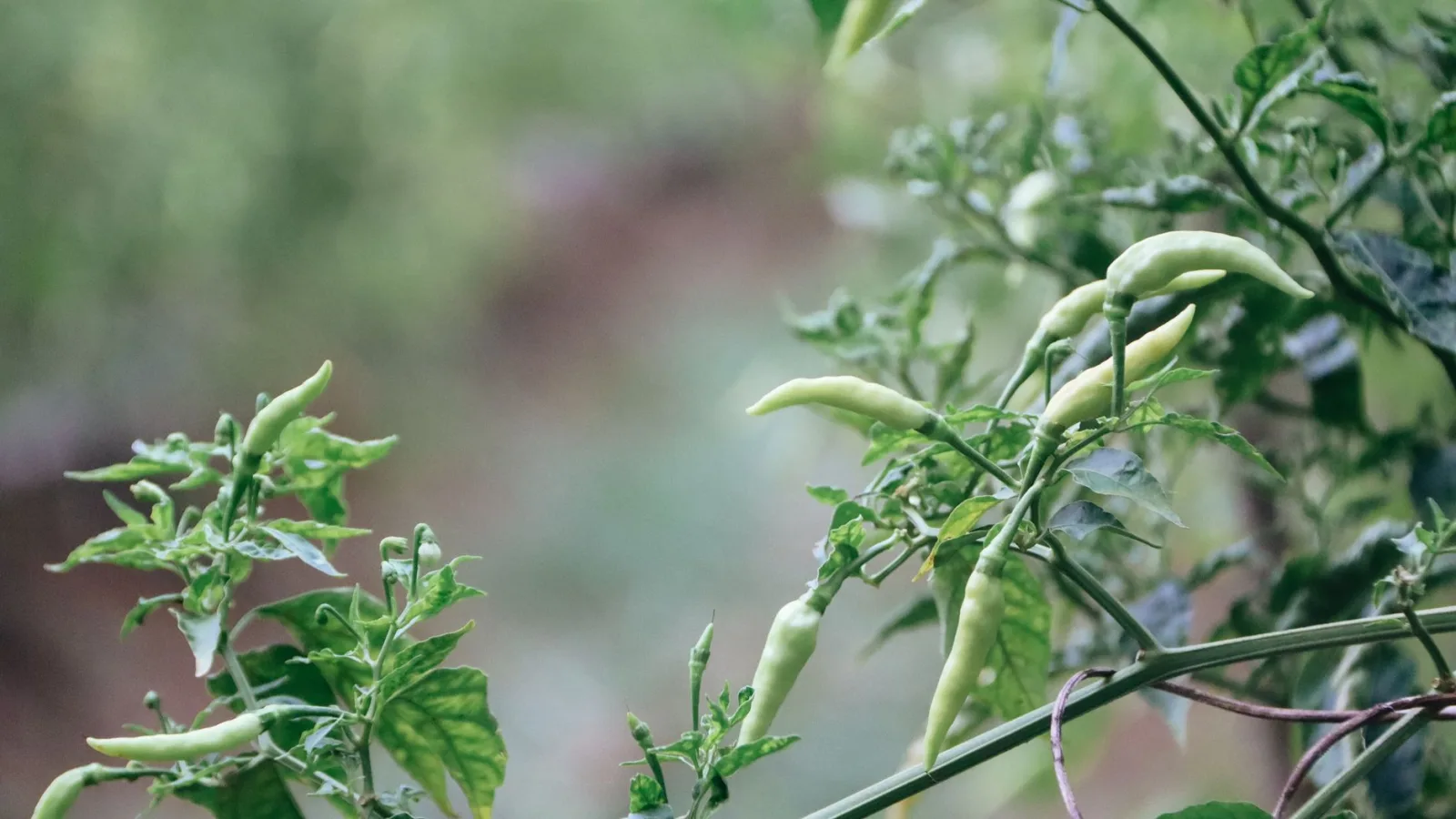
The Microbes Inside Pepper Roots That Help Fight Disease
Why does one pepper plant succumb to bacterial spot while its neighbor thrives? New research points to a bacterium living inside the plant that both suppresses the pathogen and primes the pepper's natural defenses.
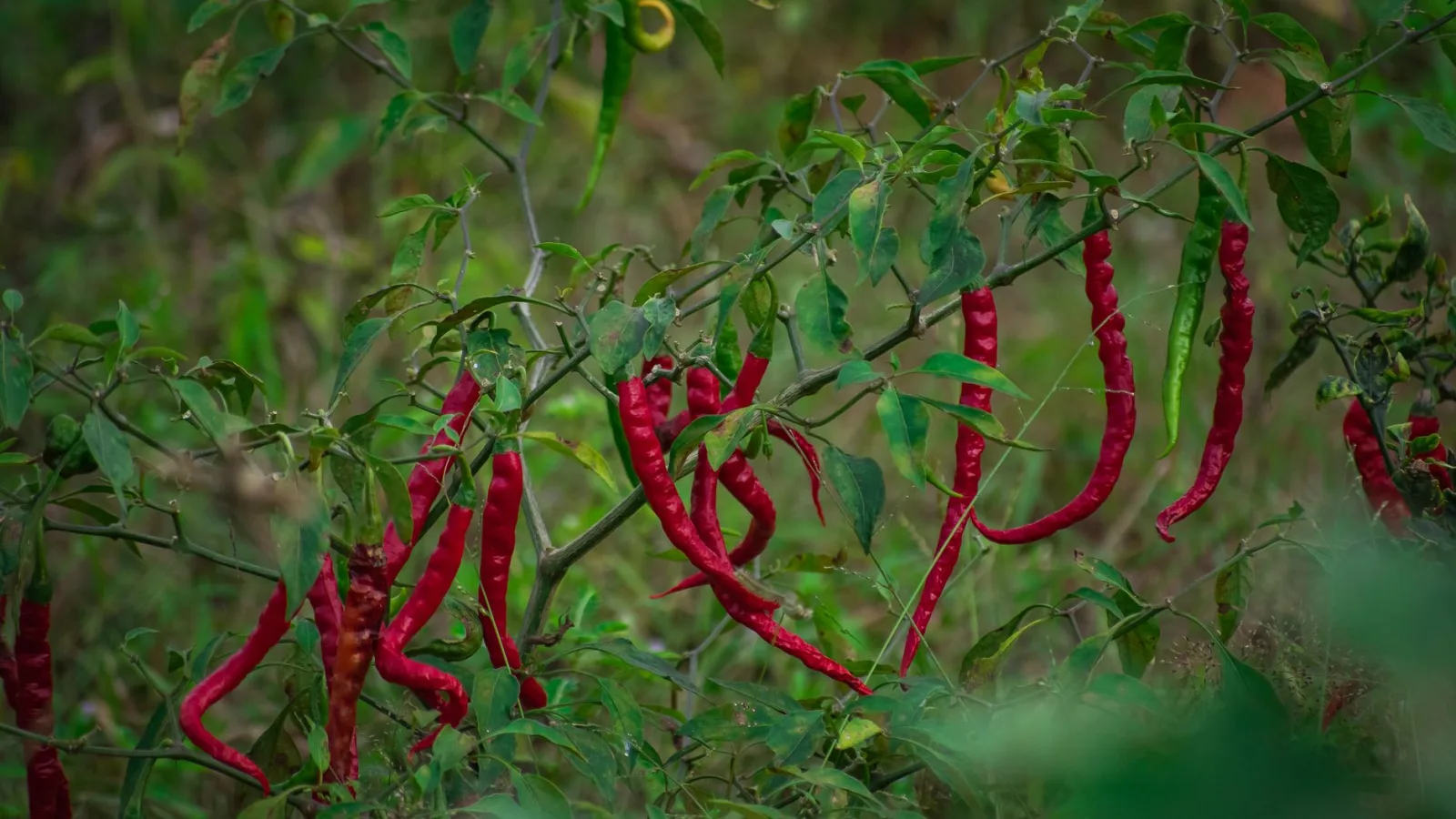
Soil Fungi With Big Appetites Kill Garden Pests and Feed Your Crops
Some soil fungi infect and kill garden pests, then pass the nitrogen from those insects to crop roots. Here's why the least picky fungi do the best job, and how to keep them thriving in your plot.
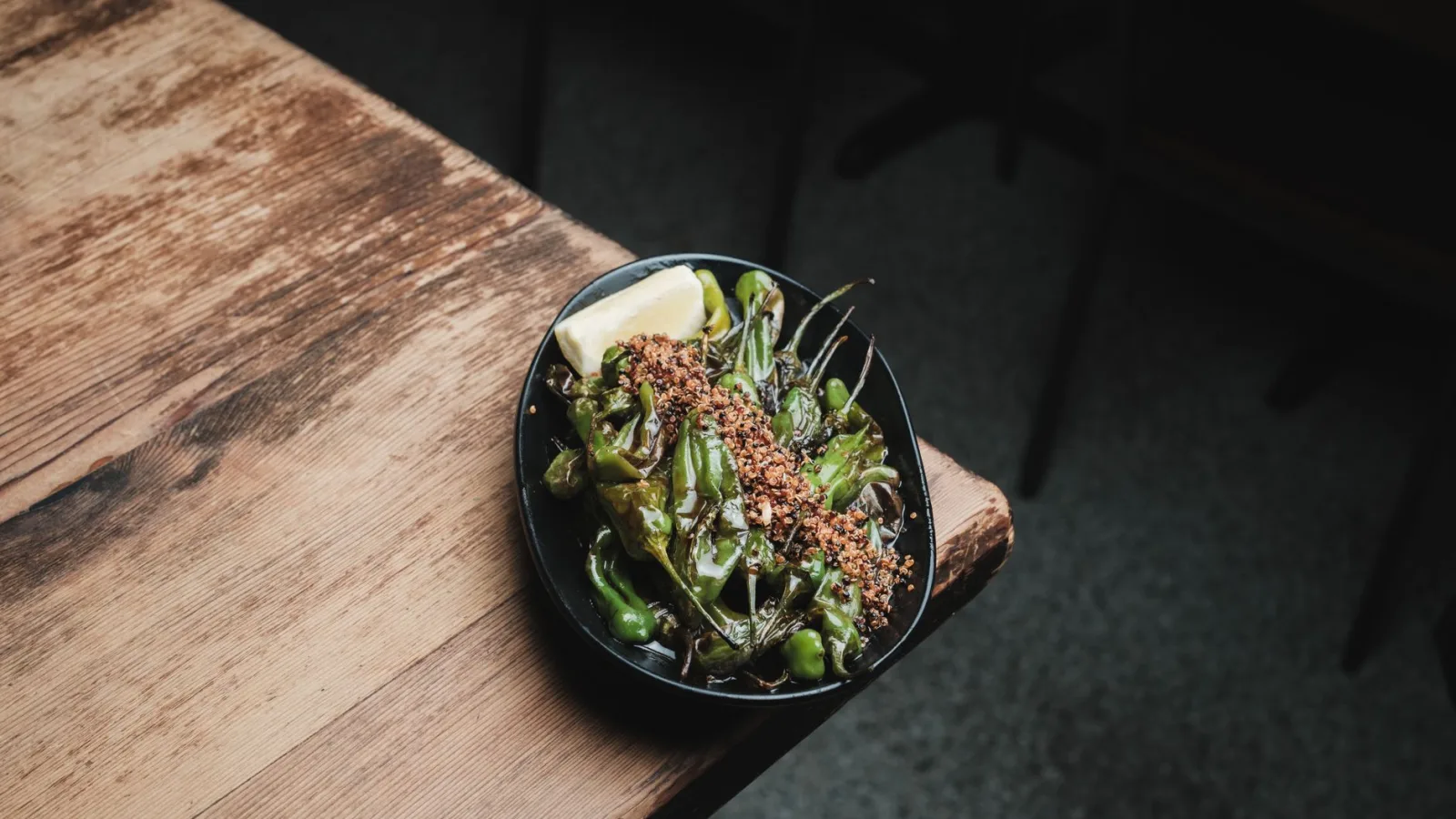
What a Milder Pepper Does for You: Shishitos in September
Shishito peppers have the same compounds as hotter chilies, just much less capsaicin. Here's how watering affects their heat, how to cook them so they keep their vitamin C, and why September is still a good month to pick them.
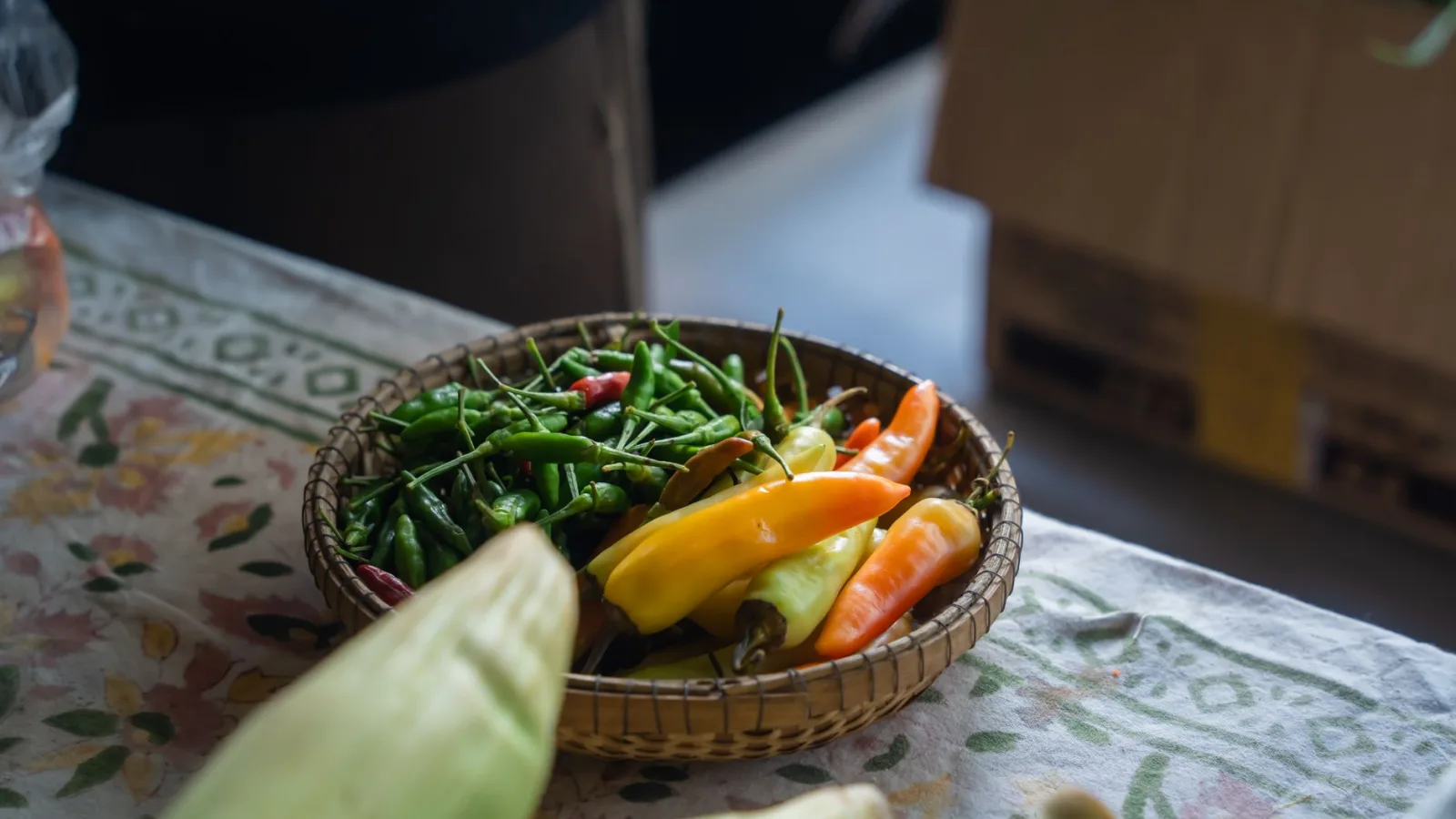
Can Good Soil Carry Your Garden Through a Drought?
Soil rich in organic carbon produces bigger harvests in normal years, but research from Colorado State University found that the advantage disappears in severe drought. Here's why compost still matters, and what else to do when the rain doesn't come.