
Tangaek — Decoctions · Vegetables
子 Gyeojassi (겨자씨)
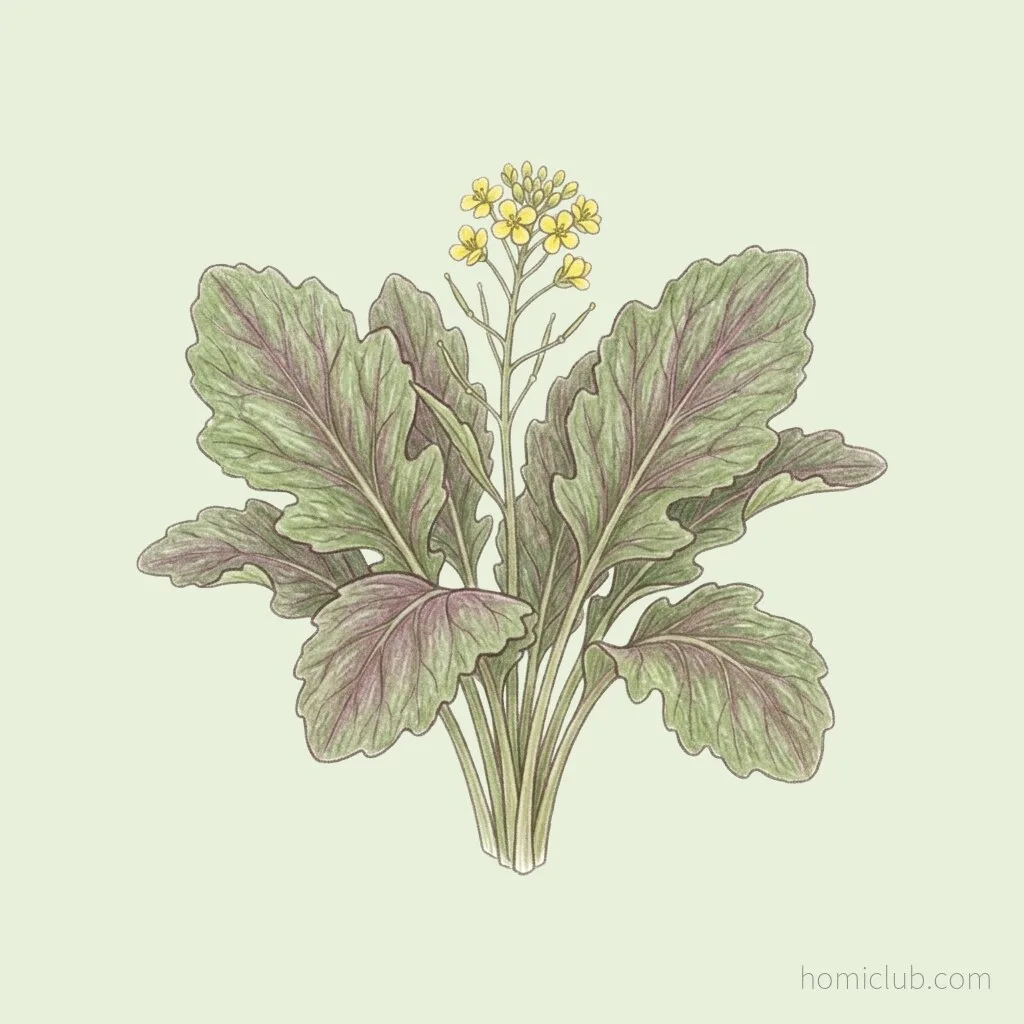
Mustard seed (gyeoja-ssi, 芥子) is the seed of the leaf mustard plant (gat, 芥菜). The Dongui Bogam does not give it an entry of its own: it appears as a note attached to the entry on leaf mustard, which records that the seeds are parched, ground, and made into a pungent paste — a jang, the Korean term for a savory paste or condiment.
The seeds are small round grains, about the size of millet, yellowish or tinged with red. Their bite lies dormant until it is drawn out: mix the ground seed with water and let it stand, and the sharp, pungent aroma comes to life.
That same preparation survives today. The Korean mustard served alongside naengmyeon (cold noodles) and gyeoja-chae (a mustard-dressed salad), like Western prepared mustard, is simply the ground seed of this same family of plants.
Original, read line by line 東醫寶鑑 · Tangaek — Decoctions vol. 2
-
治風毒腫及麻痺, 撲損瘀血, 腰痛, 腎冷心痛.
It treats swelling and numbness from wind toxin, static blood from blows and injuries, lumbar pain, and heart pain arising from cold in the sin (腎, kidney).
HomiclubMustard seed is the seed of the mustard green, a round grain about the size of millet. Mixed with water its pungent aroma awakens; both the mustard served with Korean cold noodles and Western mustard are ground from seeds of this group.
-
熬硏作醬, 能通利五藏. 《本草》
Roasted, ground, and made into a paste, it can free and benefit the ojang (五藏, five viscera). 《Boncho (本草)》
Vegetables — more entries
This is a cultural and historical record from a classical text, not a claim about any food’s effects. Nothing here is a health supplement or intended to prevent or treat disease. Consult a medical professional about health concerns. · Text: Korean Medicine Classics DB · Reading: Homiclub