
Tangaek — Decoctions · Vegetables
海菜 Sea Mustard (Wakame)
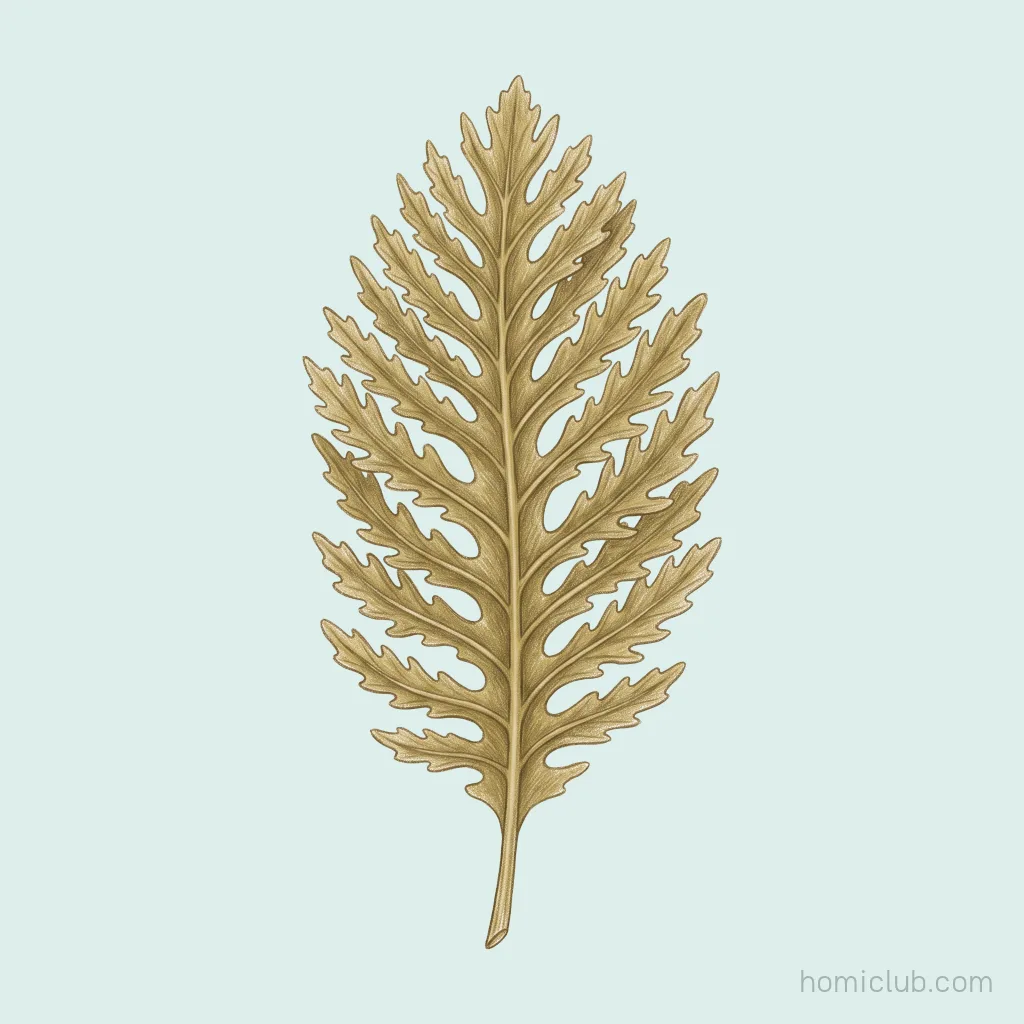 Related Crop · Sea Mustard (Wakame) →
Haechae is edible seaweed, entered in the Donguibogam under the old Korean name 'meoyuk.' That word is the ancestor of miyeok, the sea mustard simmered into Korean birthday soup. The text adds a second name, jachae, because the fronds turn purple once dried, and that name now belongs to laver.
Original, read line by line 東醫寶鑑 · Tangaek — Decoctions vol. 2
-
性寒, 味醎, 無毒.
Its nature is cold, its taste is salty, and it is non-toxic.
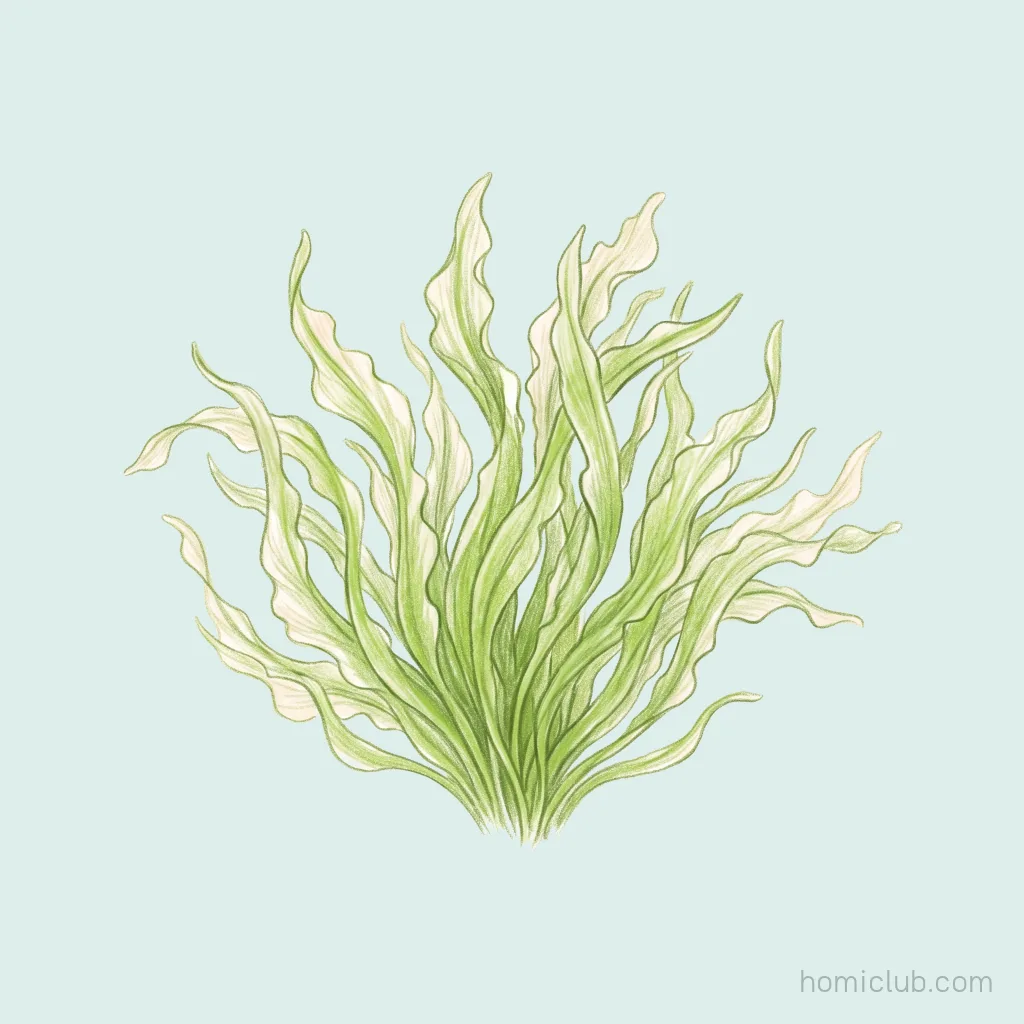
HomiclubHaechae is miyeok, sea mustard. Meoyuk is the old form of the word; among the brown algae it has a broad, deeply lobed blade and a ruffled holdfast known as miyeokgwi.
-
下熱煩, 療癭瘤結氣, 利水道.
It brings down heat and vexation, treats yeongnyu (癭瘤, goiter and lumps) and bound qi, and benefits the waterways.
-
生海中. 色正靑. 取乾之則色紫, 故一名紫菜. 《本草》
It grows in the sea. Its color is a deep green. Once gathered and dried its color turns purple, and so it is also called jachae (紫菜). 《Boncho (本草)》
HomiclubFresh sea mustard is a deep brown-green, but drying turns it a dark red. The Chinese-character name jachae (紫菜) has since settled on laver instead.
Related Crop
Sea Mustard (Wakame) →
Reading on Sea Mustard (Wakame)
Vegetables — more entries
This is a cultural and historical record from a classical text, not a claim about any food’s effects. Nothing here is a health supplement or intended to prevent or treat disease. Consult a medical professional about health concerns. · Text: Korean Medicine Classics DB · Reading: Homiclub