
탕액편 · 채부 (채소)
白冬瓜 동아 (백동과)
 관련 작물 · 동아 →
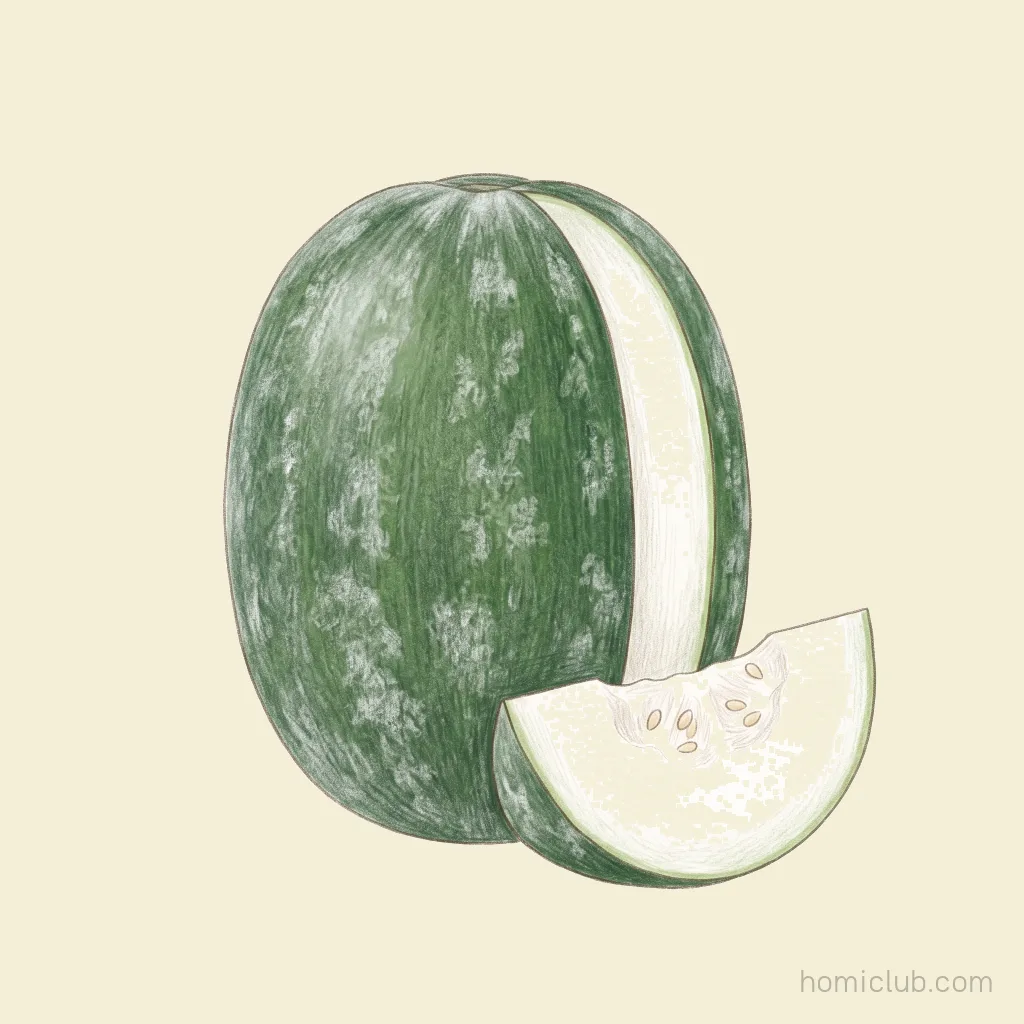
백동과는 박과 덩굴에 달리는 큰 열매로, 도감의 동아와 같다. 오늘날에도 국에 넣거나 정과로 만들어 먹으며 통째로 겨울을 난다. 서리를 맞으면 껍질에 흰 가루를 바른 듯한 막이 생겨 '흰 동아'라는 이름이 붙었다.
원문 풀이 東醫寶鑑 · 탕액편 권3
-
性微寒一云冷, 味甘, 無毒.
성미한일운랭, 미감, 무독.
성질은 조금 차며 일설에는 차다고 하고, 맛은 달며 독이 없습니다.
호미클럽 풀이백동과는 동아입니다. 박과 한해살이 덩굴에 달리는 큰 열매로, 다 자라면 두 팔로 안아야 할 만큼 굵어지고 통째로 겨울을 납니다.
-
主三消渴疾. 解積熱, 利大小腸, 壓丹石毒, 除水脹, 止心煩.
주삼소갈질. 해적열, 이대소장, 압단석독, 제수창, 지심번.
삼소(三消)와 갈증을 앓는 병을 주치합니다. 쌓인 열을 풀고, 대장과 소장을 이롭게 하며, 단석(丹石)의 독을 누르고, 물이 차서 붓는 것을 없애며, 가슴이 답답한 것을 멎게 합니다.
-
一名地芝. 蔓生. 結實初則靑綠色, 經霜則皮上白如塗粉, 故云白冬瓜.
일명지지. 만생. 결실초즉청록색, 경상즉피상백여도분, 고운백동과.
일명 지지(地芝)라 합니다. 덩굴로 자랍니다. 열매가 맺힐 처음에는 푸른 녹색이었다가 서리를 맞으면 껍질 위가 희어져 분을 바른 듯하므로 백동과(白冬瓜)라 합니다.
호미클럽 풀이껍질에 분을 바른 듯 흰 것은 열매가 스스로 내는 밀랍 층입니다. 이 층이 물기를 가두어 몇 달을 두고 먹을 수 있으며, 영어 이름 왁스 고드도 여기서 왔습니다.
-
熱者食之佳, 冷者食之瘦人. 《本草》
열자식지가, 냉자식지수인. 《본초》
열이 있는 사람이 먹으면 좋고, 몸이 찬 사람이 먹으면 여위게 됩니다. 《본초》
-
久病與陰虛者, 不可食. 《丹心》
구병여음허자, 불가식. 《단심》
오래 앓는 사람과 음(陰)이 허한 사람은 먹어서는 안 됩니다. 《단심》
관련 작물
동아 →
채부 (채소) 의 다른 항목
옛 문헌을 문화·역사 자료로 옮긴 것이며, 특정 식품의 효능을 주장하지 않습니다. 여기 소개된 것은 건강기능식품이 아니고 질병의 예방·치료를 위한 것이 아닙니다. 건강 문제는 의료 전문가와 상담하세요. · 한의학고전DB(mediclassics.kr)