
Tangaek — Decoctions · Vegetables
蓴菜 Water Shield
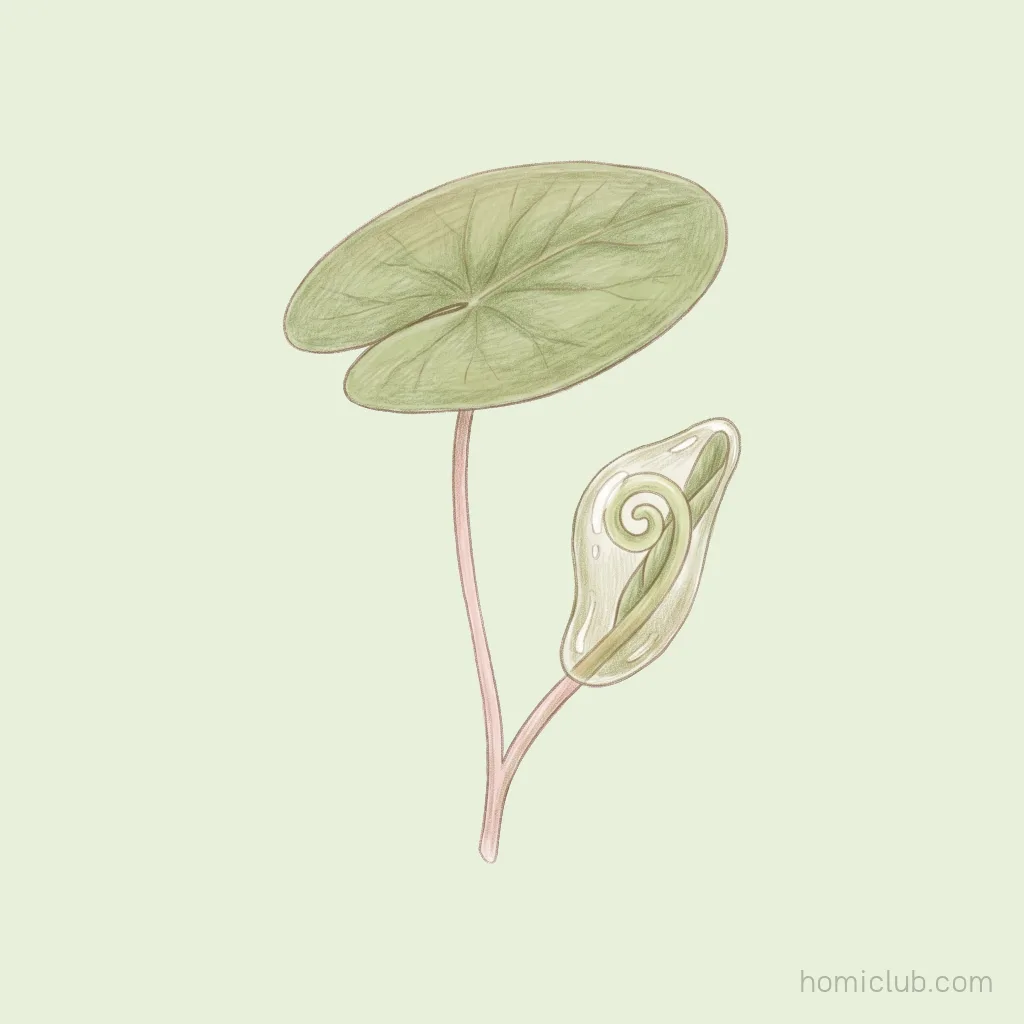 Related Crop · Water Shield →
Water shield is the young shoot of a pond plant, the same as the sunchae in the crop guide. Spring and summer shoots, called sasun, are soft; those after frost, goesun, are coarse. It was made into soup, with a caution against eating much or eating it for long.
Original, read line by line 東醫寶鑑 · Tangaek — Decoctions vol. 2
-
性寒一云冷, 味甘, 無毒.
Its nature is cold (some say chilly), its taste sweet, and it carries no toxicity.
-
主消渴熱痺.
It is chiefly used to treat wasting-thirst (diabetes-like syndrome) and heat-induced numbness.
-
厚腸胃, 補大小腸.
It strengthens the stomach and intestines, and tonifies both the large and small bowels.
-
治熱疸, 解百藥毒, 開胃氣.
It cures heat-type jaundice, neutralises the toxicity of myriad drugs, and opens up the stomach qi to restore appetite.
-
生水澤中, 處處有之.
It grows in ponds and marshes, and can be found here and there throughout the land.
-
三四月至七八月, 通名絲蓴, 味甛體軟,
From the third or fourth month through the seventh or eighth, it is commonly called sa-sun (silk water-shield), sweet in taste and soft in texture.
-
霜降至十二月, 名塊蓴, 味苦體澁.
From the Frost Descent solar term until the twelfth month it is called goe-sun (lump water-shield), bitter in taste and rough in texture.
-
取以爲羹, 猶勝雜菜.
When gathered and cooked into soup, its flavour surpasses that of ordinary vegetables.
-
雖冷而補, 熱食則壅氣不下, 甚損人.
Though cold in nature it is tonifying; yet if eaten hot, qi becomes blocked and fails to descend, gravely harming the body.
-
不可多食久食. 《本草》
It should not be eaten in excess nor over a prolonged period. (Bencao)
Related Crop
Water Shield →
Vegetables — more entries
This is a cultural and historical record from a classical text, not a claim about any food’s effects. Nothing here is a health supplement or intended to prevent or treat disease. Consult a medical professional about health concerns. · Text: Korean Medicine Classics DB · Reading: Homiclub