
Tangaek — Decoctions · Vegetables
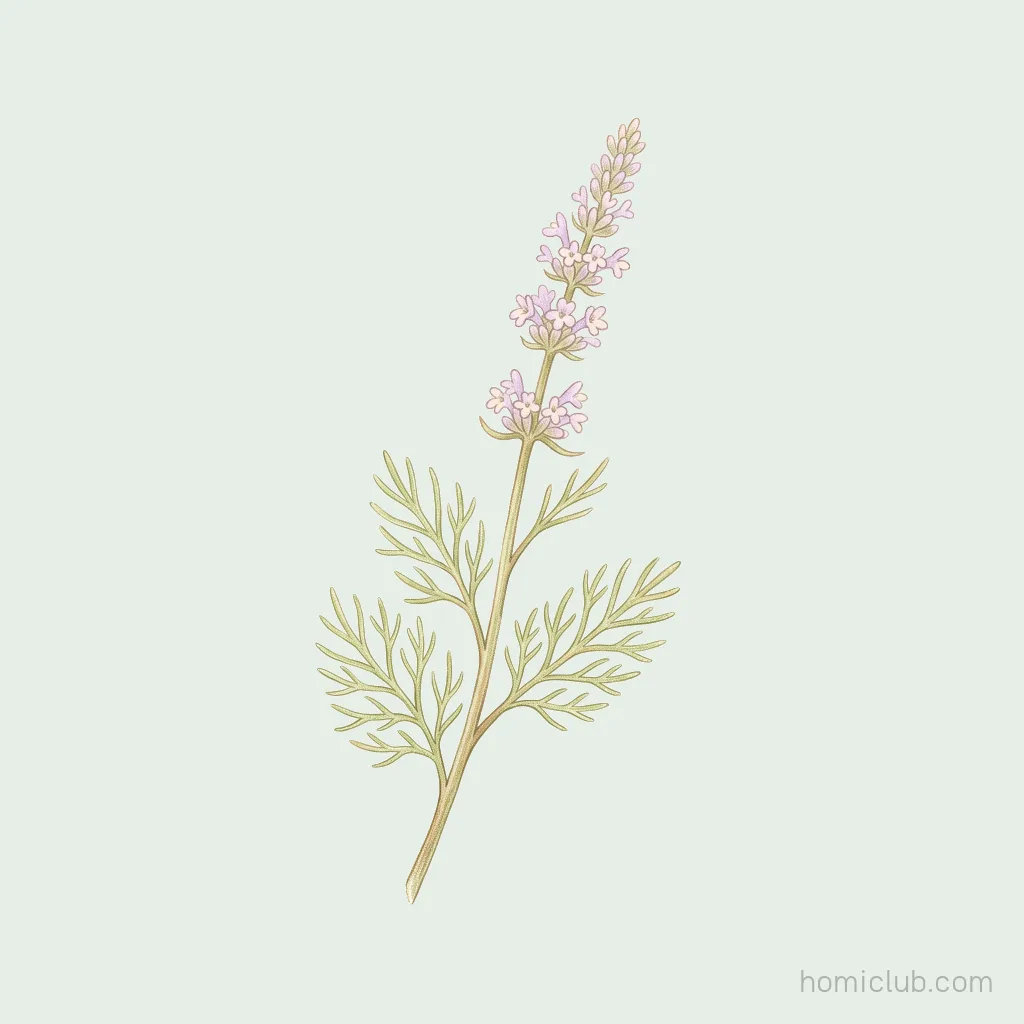
荊芥 Schizonepeta
 Related Crop · Schizonepeta →
Hyeonggae is an annual of the mint family, the same plant as in the crop guide. Its young shoots are fragrant and peppery enough to eat as a spring green, and the dried flower spikes go by the name hyeonggaesu. The Dongui Bogam notes its older name, gaso, given because its scent and taste recall perilla.
Original, read line by line 東醫寶鑑 · Tangaek — Decoctions vol. 2
-
性溫, 味辛苦, 無毒.
Its nature is warm, its flavor pungent and bitter, and it carries no toxicity, making it gentle yet warming.
-
治惡風賊風, 遍身㿏痺,
It treats malign and sudden wind invasions, as well as numbness and paralysis spreading throughout the body.
-
傷寒頭痛, 筋骨煩疼,
It relieves headaches from cold damage and the deep, restless aching of sinews and bones.
-
血勞風氣,
It also helps with blood-deficiency fatigue and wind-related disorders that leave the body weary.
-
療瘰癧瘡瘍.
It heals scrofulous lumps in the neck as well as sores and skin eruptions by dispersing wind-heat.
-
生圃中.
It grows in vegetable gardens, a familiar herb cultivated alongside everyday crops.
-
初生香辛可啖.
The young shoots are fragrant and pungent, pleasant enough to eat just as they are.
-
作菜生熟食, 幷煎茶服.
It can be prepared as a vegetable, eaten raw or cooked, and also simmered like tea.
-
能淸利頭目.
It clears the head and brightens the eyes, easing heaviness and dullness above the neck.
-
取花實成穗者, 暴乾入藥. 《本草》
The flowering spikes bearing fruit are gathered, sun-dried, and used as medicine—this is the form known as jingjie spike. (Bencao)
-
本名假蘇, 以氣味似紫蘇故也. 《入門》
Its original name was jiasu (false perilla), given because its scent and taste resemble purple perilla. (Ru Men)
Related Crop
Schizonepeta →
Vegetables — more entries
This is a cultural and historical record from a classical text, not a claim about any food’s effects. Nothing here is a health supplement or intended to prevent or treat disease. Consult a medical professional about health concerns. · Text: Korean Medicine Classics DB · Reading: Homiclub