
Tangaek — Decoctions · Vegetables
沙參 Deodeok (Korean Bonnet Bellflower Root)
 Related Crop · Deodeok (Korean Bonnet Bellflower Root) →
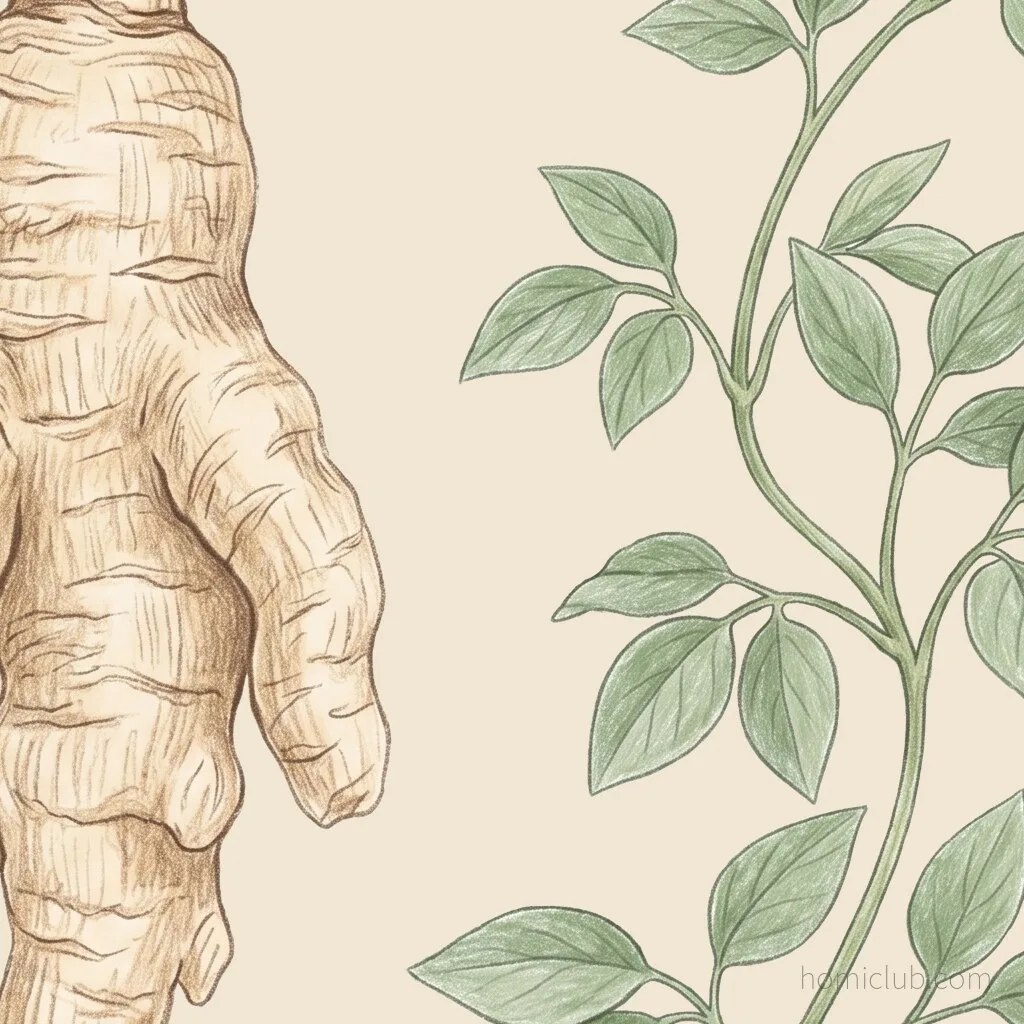
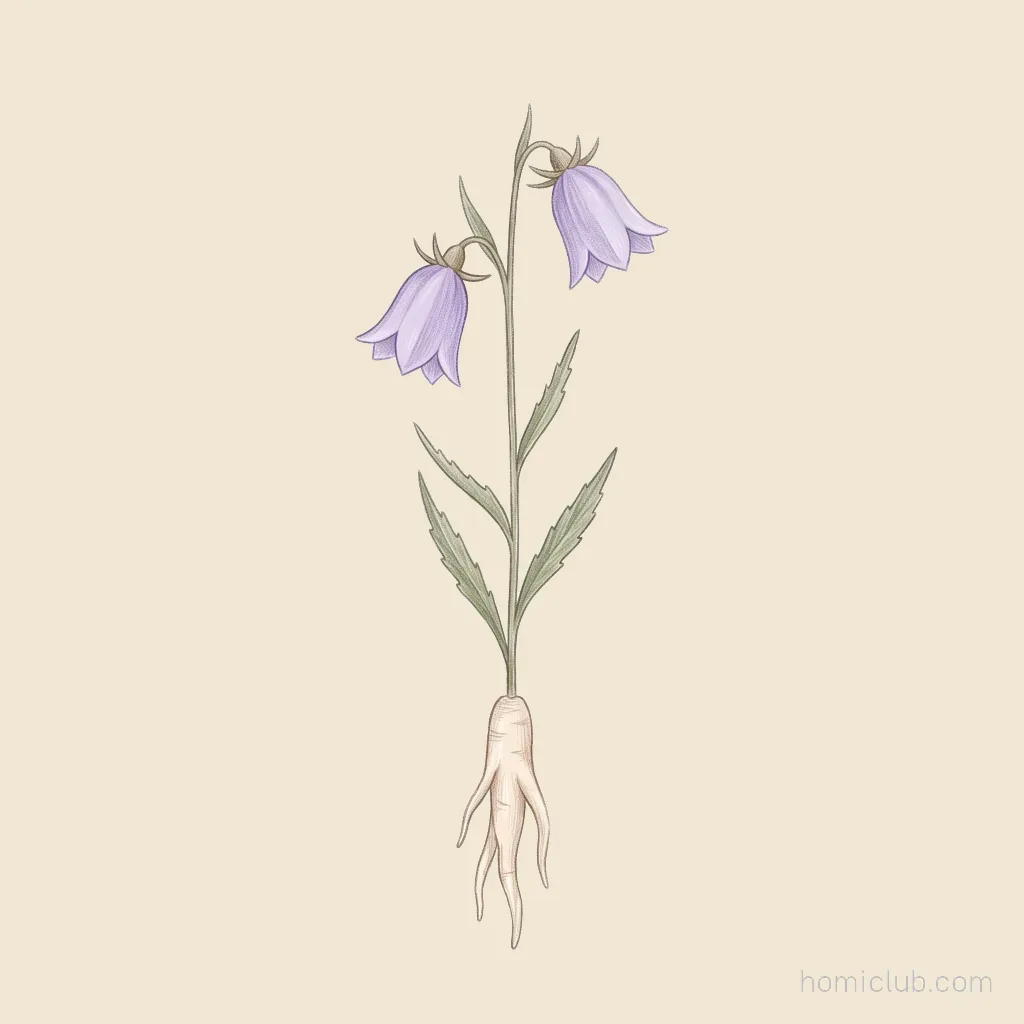
Sasam is the root of deodeok, the same root grilled and dressed at table today and the same crop as deodeok in the guide. Its leaves resemble those of goji, and white, solid roots were rated best. In China the same characters name a different plant, the ladybell.
Original, read line by line 東醫寶鑑 · Tangaek — Decoctions vol. 2
-
性微寒, 味苦, 無毒.
Its nature is slightly cold, its taste bitter, and it carries no toxicity. A gentle herb that cools mild heat without burdening the body.
-
補中, 益肺氣.
It replenishes the middle and strengthens the qi of the lungs. When vitality fades and breath grows short, it soothes and supports the lungs.
-
治疝氣下墜, 排膿消腫毒, 宣五藏風氣.
It treats hernia-like sinking pain in the lower abdomen, drains pus, and disperses swollen toxins. It also opens and circulates wind-qi stagnating in the five organs.
-
處處皆有, 生山中.
It grows everywhere across the land, especially in the mountains. A familiar wild green that hikers often come across along mountain trails.
-
葉似枸杞, 根白實者佳.
Its leaves resemble those of the goji plant, and roots that are white and firmly fleshed are best. When choosing deodeok at the market, pick the plump and firm ones.
-
採苗及根, 作菜茹食之, 良. 《本草》
Gathering the young shoots and roots to prepare as a seasoned vegetable benefits the body. Blanching spring shoots or grilling the roots is a long-standing wisdom of the Korean table. 《Bencao》
-
二月八月採根, 暴乾. 《本草》
In the second and eighth lunar months the roots are dug and dried thoroughly in the sun. Early spring and late summer are the ideal seasons for harvesting it as medicine. 《Bencao》
Related Crop
Deodeok (Korean Bonnet Bellflower Root) →
Reading on Deodeok (Korean Bonnet Bellflower Root)
Vegetables — more entries
This is a cultural and historical record from a classical text, not a claim about any food’s effects. Nothing here is a health supplement or intended to prevent or treat disease. Consult a medical professional about health concerns. · Text: Korean Medicine Classics DB · Reading: Homiclub