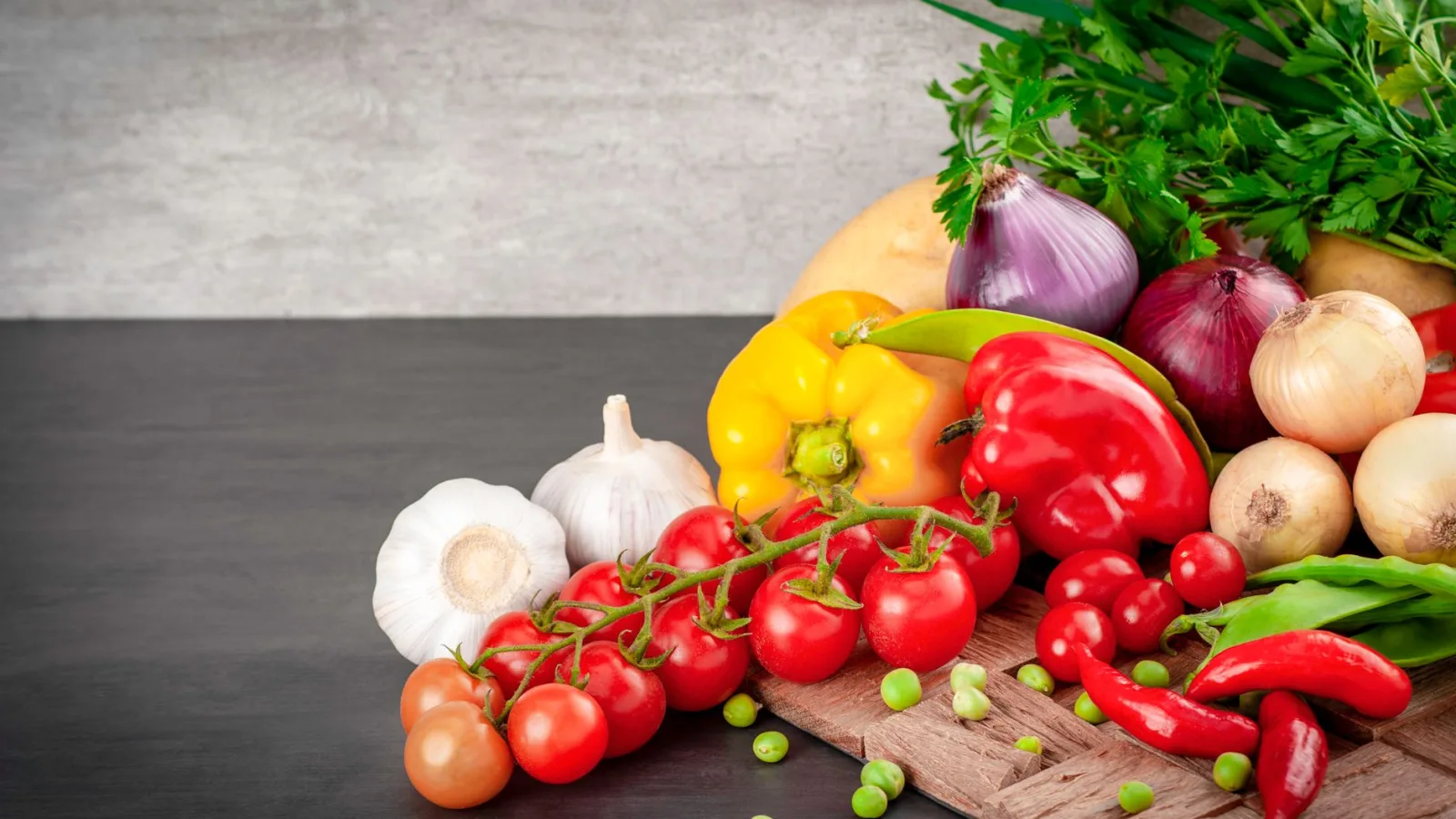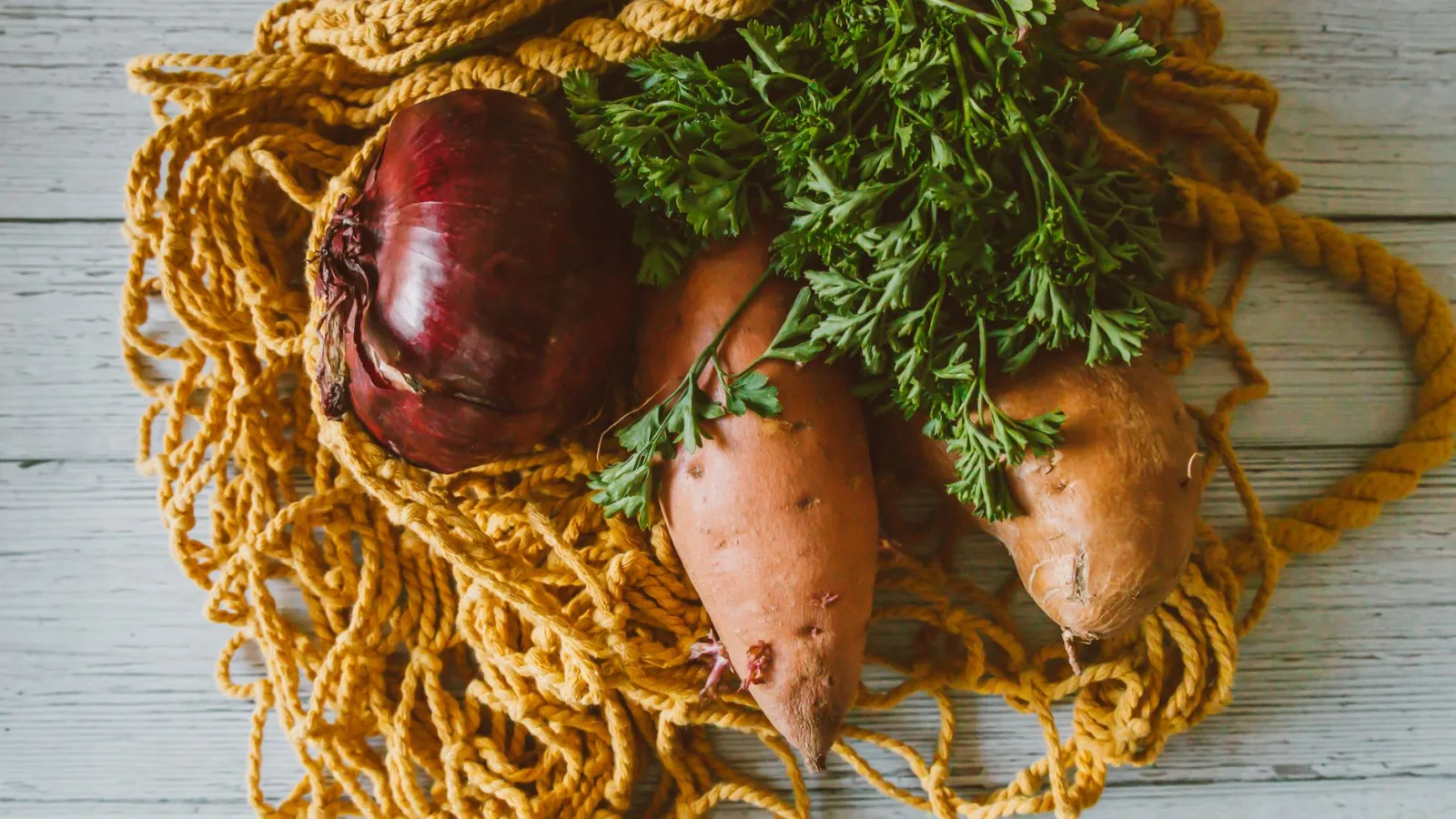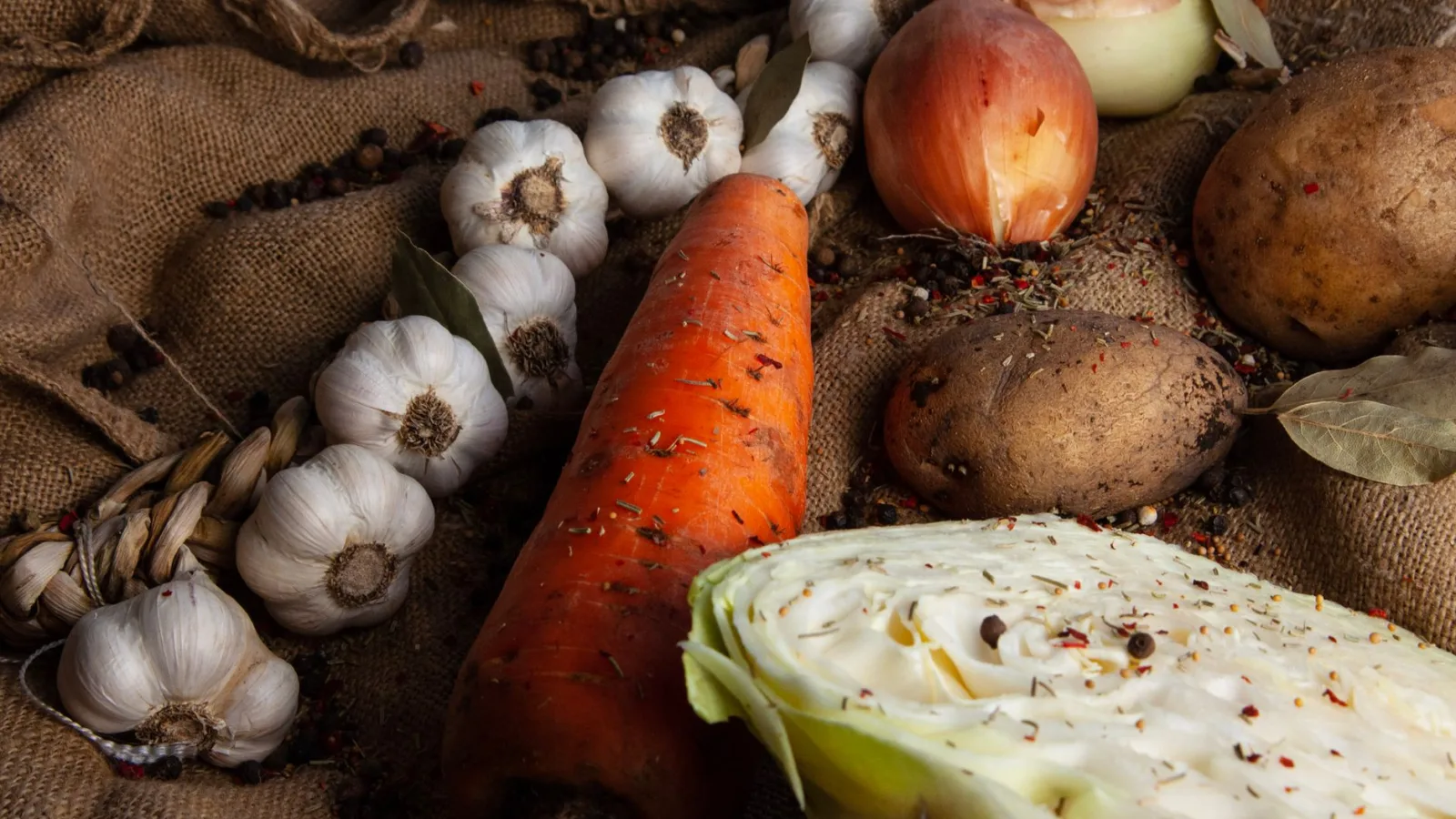
Clearing a corner of the garden before kimjang, the late-autumn kimchi-making season, you find onions, garlic, and Jerusalem artichokes grown firm in the soil. Green onions hold on through the winter too, their roots growing sweeter with the cold. When these root vegetables reach the table, something follows inside the body. The microbes living in the gut take the fiber from these vegetables as food and turn it into compounds that help regulate blood sugar.
Gut Microbes Have a Hand in Blood Sugar
Type 2 diabetes is a condition in which blood sugar is poorly controlled because two things work together: insulin resistance, where insulin can no longer do its job, and low-grade inflammation that lingers in the body for a long time. Medications have improved a great deal, but the disease progresses and responds differently in each person, and keeping blood sugar steady is still no easy task.
A growing body of research points to gut microbes as part of the picture. When the balance of microbes is disrupted, the compounds they produce change. Short-chain fatty acids (SCFAs), made from vegetable fiber, appear to push insulin sensitivity in the right direction. A rise in branched-chain amino acids, on the other hand, appears to be linked with insulin resistance. Bile acids and indole compounds also play a part in regulating blood sugar and inflammation.
Garden Vegetables Feed the Microbes
To make these compounds, the microbes need something to eat. That food is the dietary fiber in vegetables. Components that pass through the gut undigested, reach the large intestine, and become food for microbes are called prebiotics.
- Jerusalem artichokes and burdock root: rich in inulin
- Onions, garlic, and green onions: high in fructans
- Beans and barley: add resistant starch and beta-glucan
The more varied the microbes, the more reliably this process runs. So rather than eating a lot of one vegetable, it is better to cover leafy greens, root vegetables, and beans in balance. The habit of harvesting different crops as each comes into season, and filling the table with that variety, helps your gut microbes as well.
Fermented Vegetables and Personalized Diets
There is also a way to add the microbes themselves. Fermented foods such as kimchi and doenjang (Korean fermented soybean paste) contain beneficial bacteria. Eat those bacteria together with their food, the prebiotics, and the two reinforce each other. Make a batch of kimchi from the napa cabbage and Korean radish you pull from the garden, and you get both in a single bowl.
The effect, however, varies from person to person. Two people can eat the same meal and see different blood sugar responses, depending on the makeup of their gut microbes. That is why recent research has been working toward reading an individual's microbial profile and tailoring the diet to match. It is too early to call this an established method, but the direction is slowly coming into focus.
Tonight, try putting together a meal with a generous amount of onion and garlic and a side of Jerusalem artichokes. A handful of root vegetables from the garden becomes food for the microbes in your gut. It cannot take the place of medication, but a table like this is a good habit that helps keep blood sugar in check.